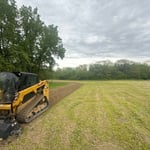
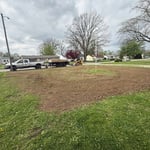
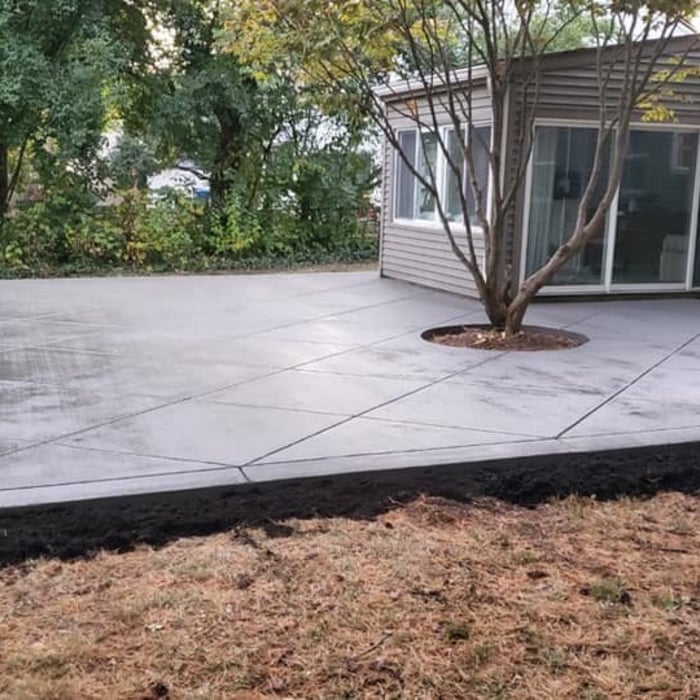
American EarthWorks, proudly serves our customers with pride, integrity and attention to details that matter most to you. This is one of the many things that sets us apart from the rest. We are locally owned and operated so give us a call today!
"We used Redline Excavation and Landscape to help prep our property and land for the installation of a 20 x40 metal building. Braden immediately began working to create the pad our building now sits on. It was evident he cares greatly about the work he does, and really takes customer satisfaction to heart. Our pad came together quickly, was level, and we had our building installed the same week. We cannot recommend Redline Excavation and Landscape enough! They are a small business with big heart."
With 15 years of experience, Lawrence Property Maintenance is here to help! We offer a variety of interior and exterior home services. We are based out of the Ridgeville, IN area. Give our team a call today. We're looking forward to working with you!
\n
My PropertyRx is committed to excellence in every aspect of our business. We uphold a standard of integrity bound by fairness, honesty, and personal responsibility. Our distinction is the quality of service we bring to our customers. Accurate knowledge of our trade combined with ability is what makes us true professionals. Above all, we are watchful of our customers interests, and make their concerns the basis of our business. http://mypropertyrx.com
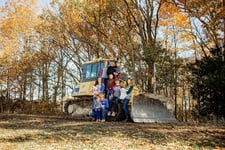
Our company is made up of just four owner operators which means the people you talk with and meet with will be the ones doing the work and will be committed to performing quality work that our business depends on.
Locally Owned and Operated Landscaping and Snow Removal business, We strive to provide excellent quality work in an efficient and timely manner, our clients are our number one priority at all times.
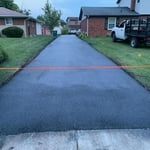
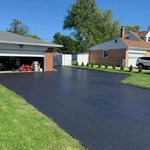
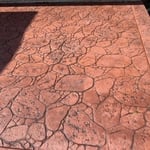
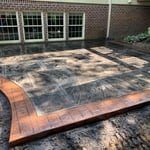
Silvers Concrete and Paving is a company dedicated to providing clients with outstanding service. We can help both residential and commercial customers with stamped concrete, concrete or asphalt driveway installation, concrete patios, commercial sealcoating, and much more. The quality of our work is unmatched; we are passionate about what we do, and dedicate ourselves to making sure you get the best end results possible. Give us a call today in order to learn more and get your free estimate.
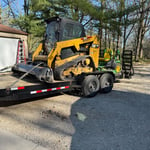
BSP Corp (operating as Sheperd Co) is a locally owned and operated company providing dependable, straightforward service to homeowners, contractors, and businesses throughout the area. We offer dump trailer rentals, junk and debris removal, tree removal, excavation, hauling, property cleanup, and other construction-related services. \nWhether you need a trailer for a weekend project, a property cleaned up, a tree removed, or help tackling your next project, we're ready to help. \nWe take pride in working hard, treating people fairly, and providing reliable service you can count on. No job is too simple to ask about—reach out to BSP Corp and let's see how we can help.
I am an independent entrepreneur trying to provide for my family. I have experience in a lot of different fields of excavation and landscaping. Hope to be able to serve you honest and trustworthy work at a good price
A perc test can take anywhere from one to eight hours to complete. The total time depends on factors like the amount of excavation required, the depth and width of the holes, and whether multiple test holes are needed. For a single hole, the process of filling it with water and monitoring the drainage rate usually takes less than an hour. Professionals can often complete the entire test in a single day. While it's possible to get results the same day, some companies may take a few days to provide the official report.
Because decomposed granite is a durable material, a crushed rock or gravel base is optional as long as the DG is properly installed and compacted. However, installing a base is a good idea because it will ensure proper drainage and stability and act as a weed suppressant (although you may still occasionally have to pull weeds). Installing an adequate base can also increase the durability of driveways and walkways. If you forego the paver base or gravel underneath, line the area with landscaping fabric to avoid weeds.
In the United States, a depth of 36 inches (three feet) for underground water lines is the accepted industry standard. This depth varies from location to location based on local conditions. In areas with colder winters, they may be buried deeper to prevent frozen well water pipes : This is usually at least six inches below the frost level. The International Plumbing Code calls for a minimum of 12 inches below grade.
Yes, you can install a trench drain if you already have concrete in your yard or garden. While it can complicate some aspects of the job and slightly run up the cost, it is doable. Residential trench drains can be easily retrofitted to outdoor areas with concrete without having to remove excessive amounts of your patio, pool area, or decorative walkways.
In most areas, you will need a permit for excavation work, even for projects that only involve grading or yard leveling. Permit requirements depend on your local government and the scope of the project, but they are especially common for significant digging or work that could affect utilities or public property. These permits help protect the local topography and prevent drainage issues. An experienced excavation company will typically know whether permits are needed and can often handle the process of pulling and closing them for you. You can also verify permit requirements by contacting your local building department and describing your project.
The Eaton, IN homeowners’ guide to excavation services
From average costs to expert advice, get all the answers you need to get your job done.
Excavation costs $1,500 to $6,300 for most residential projects—but it depends on factors like the size of the area. This guide will help you plan a budget.
You can't have an in-ground pool without digging into the ground. How much does pool excavation cost, and can you take it on yourself? Our guide explains.
Picking the right pro can make or break your project. Learn how to hire an excavation pro with the qualifications and skillset to do the job efficiently.