




Top-rated excavation pros.

Get matched with top excavation pros in Spiceland, IN

Enter your zip and get matched with up to 5 pros

Need a pro for your excavation project in Spiceland, IN?

Select your specific project to find the pro for you.

Find Excavation pros in Spiceland

Avatar for Silvers Concrete and Paving, LLC
Silvers Concrete and Paving, LLC
4.2(
12
)
Excavation - Major Grading or ReslopingExcavation - Major Grading or Resloping - For Business

Serving Spiceland, IN and surrounding areas

Approved

In business since 2018

Free estimates

Warranties offered

"They were very professional and knowledgeable. I've been on concrete pours and the personnel were well trained on what to do, and how to do it. I would recommend this company to any of my friends and family. Thanks for a job well done."
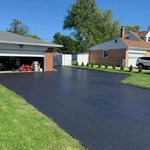
Driveway
Driveway
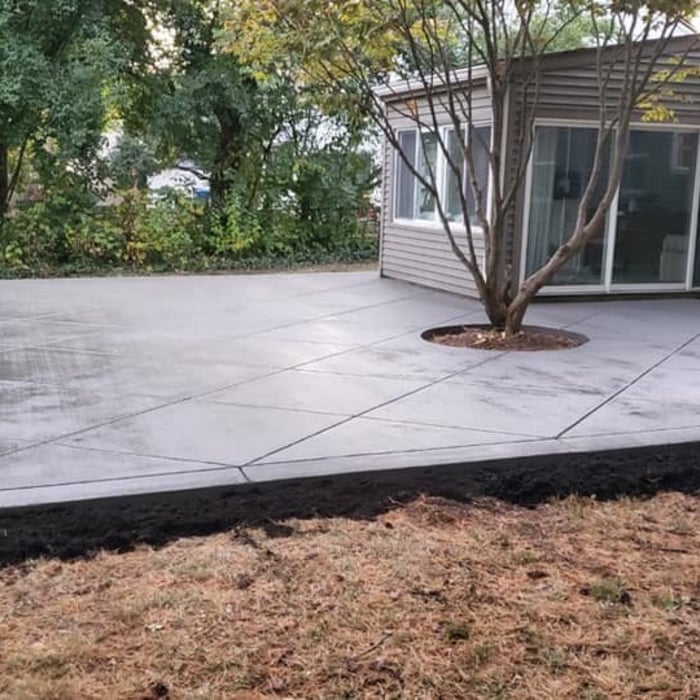
Stamped Patio
Stamped Patio
Brushed Patio

+2

Response time4 hrs
Response rate96%
Recommended by80%of homeowners
Avatar for Kenneth Dietz
Kenneth Dietz
New to Angi
Landscape - Minor Grading or Resloping

Serving Spiceland, IN and surrounding areas

Approved

Credit card accepted

Offers commercial services
Hi, my name is Riley. I’m 22 years old and working hard to build my path as a general contractor. I take pride in honest work, reliability, and doing every job the right way. My goal is to provide quality craftsmanship people can trust while continuing to grow my business through hard work and dedication.

Accent Wall
Accent Wall
Accent Wall
...
Showing 1-10 of 108
Excavating questions, answered by experts

Depth is not a qualifying component of evacuation. Any human-made cut, cavity, or depression in the earth’s surface is considered excavation. The hole from excavation can be any size, shape, or depth. Excavation is used to create foundations, reservoirs, drainage ditches, and roads. Long, narrow excavations are called trenches and are often used for underground utilities.

Yes. A metal detector is one of the quickest and easiest ways to find your septic tank. However, metal detectors can be too expensive (costing upward of $300 in some cases), and not everyone has a metal detector just lying around. If that’s the case for you, you can also take a long metal rod and poke it into the ground at regular intervals until you hit something—likely your septic tank lid.

You can bury underground electrical wire six inches deep—but only if you use a rigid metal electrical conduit. For rigid, non-metallic conduits, bury the wire at least 12 inches deep. If using an underground feeder cable rated for direct burial, you'll need to place it at least 18 inches deep, as it has no conduit for extra protection.

The best method for digging a trench depends on the scope of the project. For a short, shallow trench (less than 2 feet deep) in light, soft soil, digging by hand may be sufficient. However, digging by hand is labor-intensive, so consider the effort required. A machine trencher is the better option for longer trenches (over 100 feet), deeper ones, or when dealing with difficult soil conditions, such as rocky or hard ground, or obstructions like tree roots. A machine can save significant time and energy in these situations.

No, fire blight does not survive free in the soil but instead is carried through insects, animals, rain, or wind during the spring. Keep in mind that it can also spread on tools, which is why you should always disinfect them in between cuts.

The Spiceland, IN homeowners’ guide to excavation services

From average costs to expert advice, get all the answers you need to get your job done.