





Top-rated excavation pros.

Best excavation pros near Albany, IN

Enter your zip and get matched with up to 5 pros

Need a pro for your excavation project in Albany, IN?

Select your specific project to find the pro for you.

Top-Rated Excavation pros in Albany - Updated Nov 2026

Avatar for Silvers Concrete and Paving, LLC
Silvers Concrete and Paving, LLC
4.2(
12
)
Excavation - Major Grading or ReslopingExcavation - Major Grading or Resloping - For Business

Serving Albany, IN and surrounding areas

Approved

In business since 2018

Free estimates

Warranties offered

"They were very professional and knowledgeable. I've been on concrete pours and the personnel were well trained on what to do, and how to do it. I would recommend this company to any of my friends and family. Thanks for a job well done."
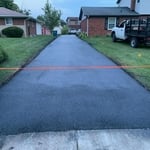
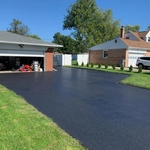
Driveway
Driveway
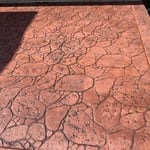
Stamped Patio
Stamped Patio
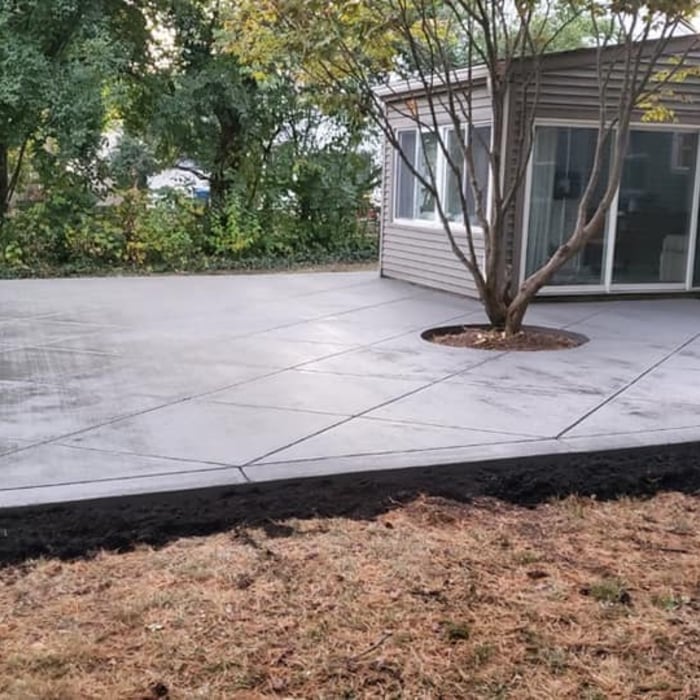
Brushed Patio

+2

Response time4 hrs
Response rate96%
2 neighbors recently requested a quote
Avatar for BSP Corp
BSP Corp
5.0(
1
)
Landscape - Minor Grading or Resloping

Serving Albany, IN and surrounding areas

Approved

Free estimates

Emergency services offered

Small jobs welcome

"Kenny was excellent!! I hired him to remove the bathroom demolition debris. He was very nice and polite. He responded right away to my request. The price was the best I got from different companies. He got the job done in few minutes and left the area complete clean. I 100% recommend him"
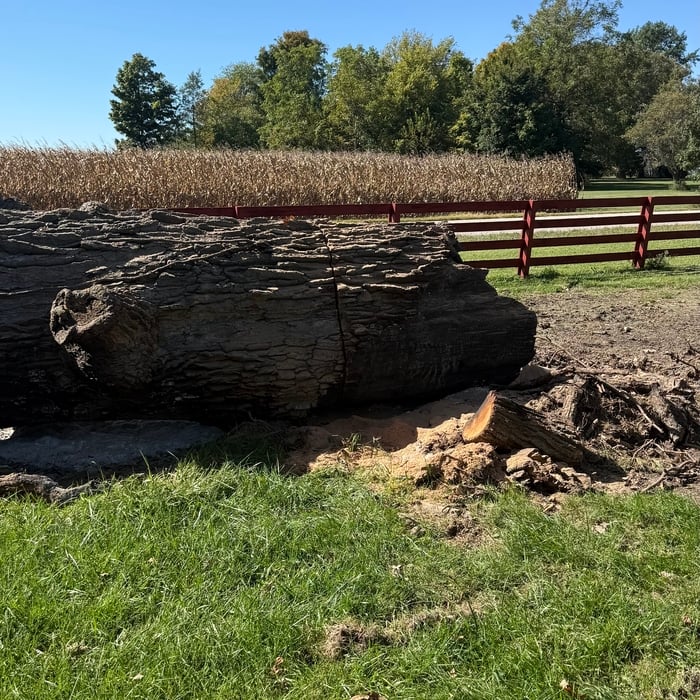
Tree Removal
Tree Removal
Tree Removal
Tree Removal
Tree Removal

+16

19 neighbors recently requested a quote
Avatar for Kenneth Dietz
Kenneth Dietz
New to Angi
Landscape - Minor Grading or Resloping

Serving Albany, IN and surrounding areas

Approved

Credit card accepted

Offers commercial services

Hi, my name is Riley. I’m 22 years old and working hard to build my path as a general contractor. I take pride in honest work, reliability, and doing every job the right way. My goal is to provide quality craftsmanship people can trust while continuing to grow my business through hard work and dedication.

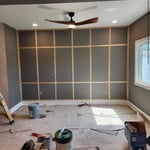
Accent Wall
Accent Wall
Accent Wall
...
Showing 1-10 of 82
Excavating FAQs, answered by experts

The best way to protect tree roots is to avoid the roots entirely by excavating outside the root radius of the tree. For nearby projects, it’s a good idea to construct a temporary retaining wall. But that’s not always possible, depending on the project and the root system. In these cases, consider using alternative equipment like an auger to tunnel under the ground.

Remember, tree roots can damage nearby cement foundations as they grow. If a tree is close enough to interfere with large excavations, it may be better to remove the tree than risk future problems.

A joint utility trench, or joint trench, is a long, buried ditch on a property that contains two or more utility lines rather than running the lines in multiple trenches. Some utilities, like gas and electric or electric and communication lines, are better suited to joint trenching, while others, like water and sewer, are not allowed to be in the same trench.

The best method for digging a trench depends on the scope of the project. For a short, shallow trench (less than 2 feet deep) in light, soft soil, digging by hand may be sufficient. However, digging by hand is labor-intensive, so consider the effort required. A machine trencher is the better option for longer trenches (over 100 feet), deeper ones, or when dealing with difficult soil conditions, such as rocky or hard ground, or obstructions like tree roots. A machine can save significant time and energy in these situations.

Trenches are typically 12 to 24 inches deep and 8 inches wide. However, the required depth depends on the specific project and local ordinances. For example, a French drain may need to be 18 inches deep, while a water pipe might require a depth of 24 inches and a drainage pipe 36 inches. Your city or county may have specific regulations, so it's wise to consult with an excavation professional to determine the correct depth for your project.

No, a ditch isn’t a trench. A ditch is an open, relatively shallow channel that’s carved out of the ground and used for drainage purposes. In contrast, a trench is a deeper excavation that’s entirely underground. Trenches have many uses, including gas lines, sewage systems, and electrical wiring. Unlike trenches, ditches don’t get filled back in with dirt after they’re dug.

The Albany, IN homeowners’ guide to excavation services

From average costs to expert advice, get all the answers you need to get your job done.