


Top-rated excavation pros.

Get matched with top excavation pros in Gaston, IN

Enter your zip and get matched with up to 5 pros

Need a pro for your excavation project in Gaston, IN?

Select your specific project to find the pro for you.

Find Excavation pros in Gaston

Avatar for REDLINE EXCAVATION AND LANDSCAPE, LLC
REDLINE EXCAVATION AND LANDSCAPE, LLC
5.0(
3
)
Excavation - Major Grading or ReslopingExcavation - Major Grading or Resloping - For Business

Serving Gaston, IN and surrounding areas

Approved

Free estimates

Credit card accepted

Offers commercial services

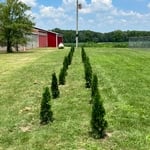
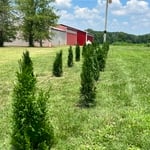
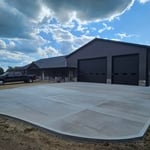
"We used Redline Excavation and Landscape to help prep our property and land for the installation of a 20 x40 metal building. Braden immediately began working to create the pad our building now sits on. It was evident he cares greatly about the work he does, and really takes customer satisfaction to heart. Our pad came together quickly, was level, and we had our building installed the same week. We cannot recommend Redline Excavation and Landscape enough! They are a small business with big heart."
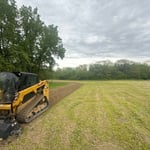
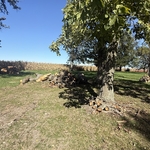
Project Photos
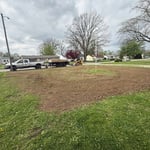
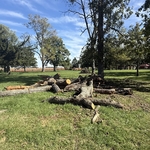
Project Photos
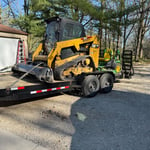
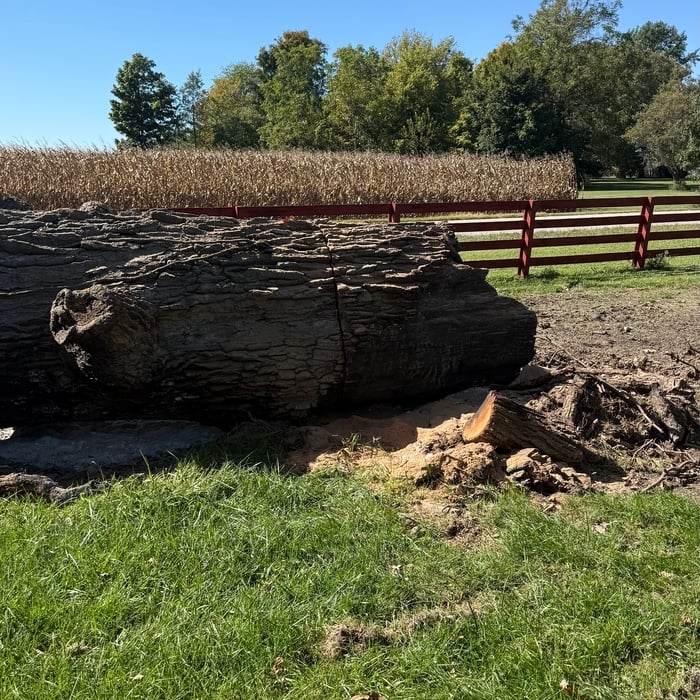
Project Photos
5 neighbors recently requested a quote
Avatar for Silvers Concrete and Paving, LLC
Silvers Concrete and Paving, LLC
4.2(
12
)
Excavation - Major Grading or ReslopingExcavation - Major Grading or Resloping - For Business

Serving Gaston, IN and surrounding areas

Approved

In business since 2018

Free estimates

Warranties offered

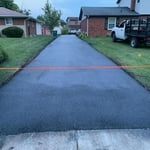
"They were very professional and knowledgeable. I've been on concrete pours and the personnel were well trained on what to do, and how to do it. I would recommend this company to any of my friends and family. Thanks for a job well done."
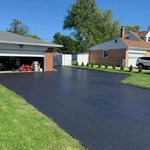
Driveway
Driveway
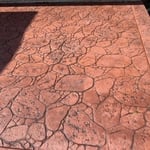
Stamped Patio
Stamped Patio
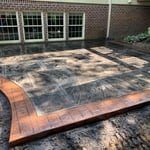
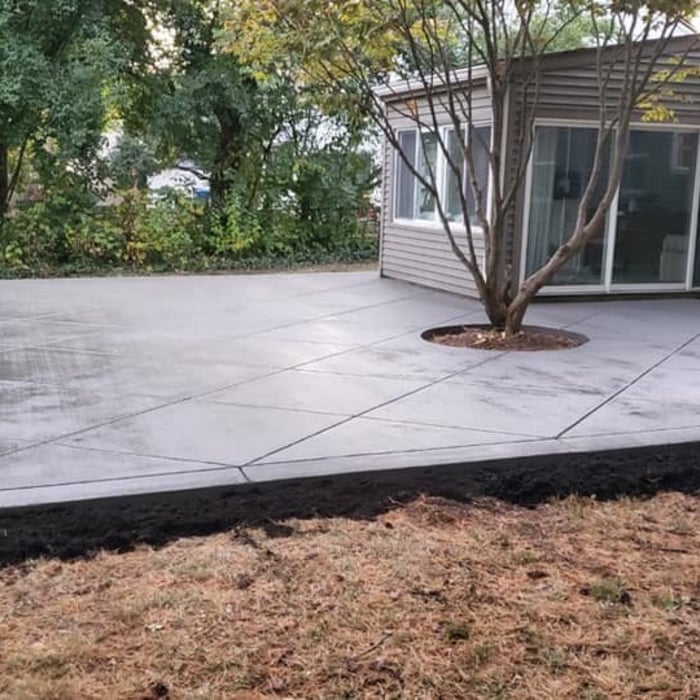
Brushed Patio

+2

Response time4 hrs
Response rate96%
Recommended by80%of homeowners

Avatar for Kenneth Dietz
Kenneth Dietz
New to Angi
Landscape - Minor Grading or Resloping

Serving Gaston, IN and surrounding areas

Approved

Credit card accepted

Offers commercial services

Hi, my name is Riley. I’m 22 years old and working hard to build my path as a general contractor. I take pride in honest work, reliability, and doing every job the right way. My goal is to provide quality craftsmanship people can trust while continuing to grow my business through hard work and dedication.

Accent Wall
Accent Wall
Accent Wall
2 neighbors recently requested a quote
...
Showing 1-10 of 88
Excavating questions, answered by experts

Trenching and boring are two distinct methods for installing underground utilities. Trenching involves digging a channel using equipment like an excavator, trencher, backhoe, or shovel. While it is a simpler process, it causes significant disruption to the surface, landscaping, and surrounding ecosystems.

Boring, also known as directional boring, is a less invasive alternative that uses a drill to create a tunnel for utility lines without disturbing the surface. This method is more precise and is ideal for installations that need to go underneath buildings, roads, or bodies of water. Although boring is less disruptive, it is generally more expensive than trenching.

Most residential basements are 8 to 10 feet deep. You can dig deeper depending on building codes, but it does become more difficult. You’ll likely need to install stronger foundation walls and additional supports to handle the increased load. Depending on the water table, you may also need a water management system. Clay soil can support a deeper foundation than sandy soil. A structural engineer will be able to tell you the maximum, feasible depth.

Hardscaping often requires preparation of the ground in the area where the feature is being installed. This can include digging, compacting, and leveling the soil, ensuring adequate drainage, and removing any existing plants. The extent of preparation needed will depend on the type and size of the hardscaping feature being installed.

Chipmunks dig their burrows about three feet deep and up to 30 feet long. The entrances can be two inches wide or more. Chipmunks are fiercely protective of their burrows and use them to protect the nuts and seeds they gather for the long winters.

Digging a bush up by the roots is the most natural DIY method for removing a bush stump. Start by identifying the shrub type and revealing its roots. Cut the shrub to its base and loosen the soil, ensuring no utility lines are nearby. Optionally, treat the base with herbicide, then dig around the roots and cut a circle around the shrub using various tools. Dig a trench, cut the base of the root ball, and finally fill the hole to prevent regrowth. This thorough process ensures complete removal without damaging surrounding areas.

The Gaston, IN homeowners’ guide to excavation services

From average costs to expert advice, get all the answers you need to get your job done.