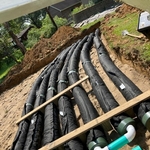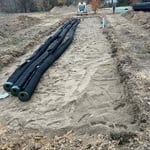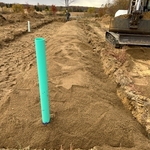






Top-rated excavation pros.

Get matched with top excavation pros in Hagerstown, IN

Enter your zip and get matched with up to 5 pros

Need a pro for your excavation project in Hagerstown, IN?

Select your specific project to find the pro for you.

Find Excavation pros in Hagerstown

Avatar for Silvers Concrete and Paving, LLC
Silvers Concrete and Paving, LLC
4.2(
12
)
Excavation - Major Grading or ReslopingExcavation - Major Grading or Resloping - For Business

Serving Hagerstown, IN and surrounding areas

Approved

In business since 2018

Free estimates

Warranties offered

"They were very professional and knowledgeable. I've been on concrete pours and the personnel were well trained on what to do, and how to do it. I would recommend this company to any of my friends and family. Thanks for a job well done."
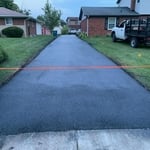
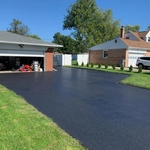
Driveway
Driveway
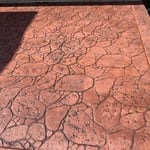
Stamped Patio
Stamped Patio
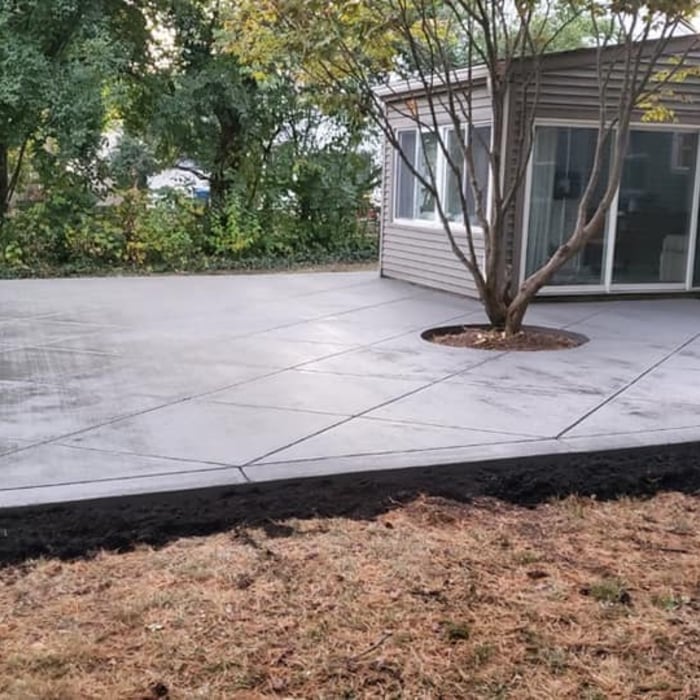
Brushed Patio

+2

Response time4 hrs
Response rate96%
2 neighbors recently requested a quote
Avatar for Kenneth Dietz
Kenneth Dietz
New to Angi
Landscape - Minor Grading or Resloping

Serving Hagerstown, IN and surrounding areas

Approved

Credit card accepted

Offers commercial services

Hi, my name is Riley. I’m 22 years old and working hard to build my path as a general contractor. I take pride in honest work, reliability, and doing every job the right way. My goal is to provide quality craftsmanship people can trust while continuing to grow my business through hard work and dedication.

Accent Wall
Accent Wall
Accent Wall
...
Showing 1-10 of 85
Excavating questions, answered by experts

Most residential basements are 8 to 10 feet deep. You can dig deeper depending on building codes, but it does become more difficult. You’ll likely need to install stronger foundation walls and additional supports to handle the increased load. Depending on the water table, you may also need a water management system. Clay soil can support a deeper foundation than sandy soil. A structural engineer will be able to tell you the maximum, feasible depth.

In the United States, a depth of 36 inches (three feet) for underground water lines is the accepted industry standard. This depth varies from location to location based on local conditions. In areas with colder winters, they may be buried deeper to prevent frozen well water pipes : This is usually at least six inches below the frost level. The International Plumbing Code calls for a minimum of 12 inches below grade.

Concrete blocks are the cheapest way to base a shed. However, the space in between allows critters to go under, burrow, and even damage your shed’s frame. For a more pest-proof option, consider building a shed base with gravel or paver stones. Both options are fairly affordable and easy enough for a DIY project. For gravel, you can build a wooden frame to contain the loose material.

You can bury underground electrical wire six inches deep—but only if you use a rigid metal electrical conduit. For rigid, non-metallic conduits, bury the wire at least 12 inches deep. If using an underground feeder cable rated for direct burial, you'll need to place it at least 18 inches deep, as it has no conduit for extra protection.

While general contractors sometimes handle demolition, you can also look specifically for local demolition contractors. Demolition experts need to understand structural integrity, the equipment needed for safe demolition, and the permits required for demolition.

The Hagerstown, IN homeowners’ guide to excavation services

From average costs to expert advice, get all the answers you need to get your job done.