






Top-rated excavation pros.

Get matched with top excavation pros in Lynn, IN

Enter your zip and get matched with up to 5 pros

Need a pro for your excavation project in Lynn, IN?

Select your specific project to find the pro for you.

Find Excavation pros in Lynn

Avatar for REDLINE EXCAVATION AND LANDSCAPE, LLC
REDLINE EXCAVATION AND LANDSCAPE, LLC
5.0(
3
)
Excavation - Major Grading or ReslopingBuilding Site - Preparation and ClearingBuilding Site - Preparation and Clearing - For Business+1 more

Serving Lynn, IN and surrounding areas

Approved

Free estimates

Credit card accepted

Offers commercial services

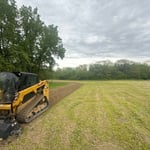
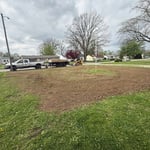
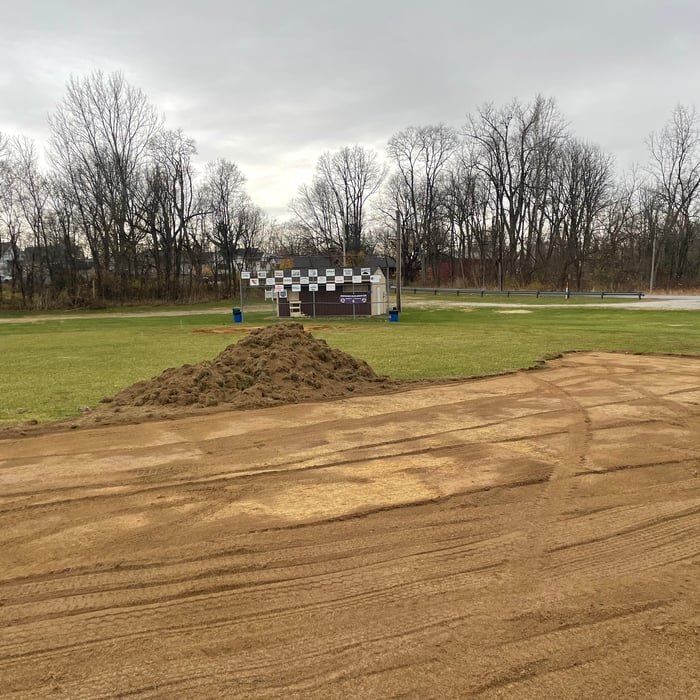
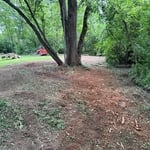
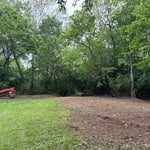
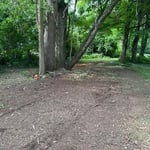
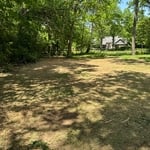
"I needed land cleared for a large garden. Redline came in, tilled up my existing ground, added sand to help with drainage and to build up the low spots. The owner was quick to respond, showed up the next day, and knocked out the project in one day! I could not be happier with the work completed, or how seamless the process was from start to finish. I would recommend Redline to everyone!"
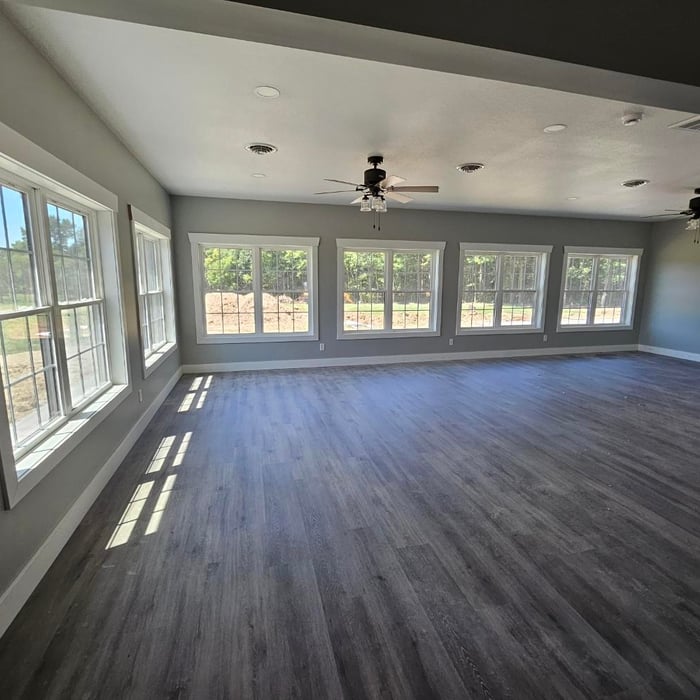
Project Photos
Project Photos
Project Photos
2 neighbors recently requested a quote
Kenneth Dietz
New to Angi
Landscape - Minor Grading or Resloping

Serving Lynn, IN and surrounding areas

Approved

Credit card accepted

Offers commercial services

Hi, my name is Riley. I’m 22 years old and working hard to build my path as a general contractor. I take pride in honest work, reliability, and doing every job the right way. My goal is to provide quality craftsmanship people can trust while continuing to grow my business through hard work and dedication.

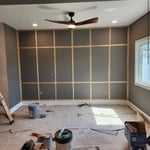
Accent Wall
Accent Wall
Accent Wall
3 neighbors recently requested a quote
...
Showing 1-10 of 63
Excavating questions, answered by experts

Septic drain lines (or leach lines) are typically buried between 18 and 36 inches underground, and should be at least 6 inches below the surface. These pipes are perforated and surrounded by filtering materials like sand or gravel. Burying the lines at this depth helps minimize odors and allows bacteria and other biological processes in the soil to effectively treat the wastewater. Burying lines too close to the surface can cause issues unless the soil is very compact and stable.

A crawl space can be as little as 42 inches below the grade of your house, but this is not always recommended in flood-prone areas. At a minimum, there must be at least 16 inches of clearance between the ground and the floor joists to access the space in an emergency.

We recommend removing the stump, and grinding is a popular way to do it. You can also dig out small stumps or stumps that have fully decayed instead of grinding them. However, don’t try using acids or fire for killing a tree stump, which is a fire hazard and illegal in many areas.

Leaving the stump alone invites eventual problems, including attracting termites, mold, and fungi.

Excavation is priced in cubic yards, so you’ll need to find the volume of the area in order to calculate costs. Multiply the length, width, and proposed depth of your excavation site, then convert it into yards to get the volume. Multiply this figure by the price per cubic yard.

Most homeowners can measure by hand to get a rough estimate, even if it’s tedious. You may want to pull out a tape measure or use a string to help mark the area.

Whether you grind or dig up and remove your tree stump depends on your landscaping goals. Using a stump grinder leaves the root system in place for it to decompose over time, whereas digging up the tree stump removes the roots and the stump. Overall, stump grinding is a far simpler process since you won’t need to deal with the roots. Stump removal will make your yard look like a demolition site, but you’ll have an easier time replanting in the same place as your former tree.

The Lynn, IN homeowners’ guide to excavation services

From average costs to expert advice, get all the answers you need to get your job done.