






Top-rated excavation pros.

Get matched with top excavation pros in Anderson, IN

Enter your zip and get matched with up to 5 pros

Need a pro for your excavation project in Anderson, IN?

Select your specific project to find the pro for you.

Find Excavation pros in Anderson

Avatar for REDLINE EXCAVATION AND LANDSCAPE, LLC
REDLINE EXCAVATION AND LANDSCAPE, LLC
5.0(
4
)
Excavation - Major Grading or ReslopingExcavation - Major Grading or Resloping - For Business

Serving Anderson, IN and surrounding areas

Approved

Free estimates

Credit card accepted

Offers commercial services

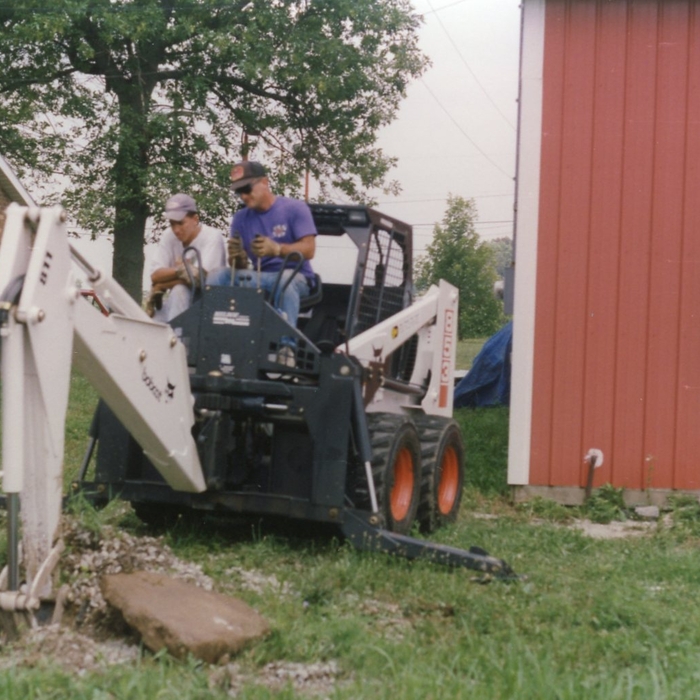
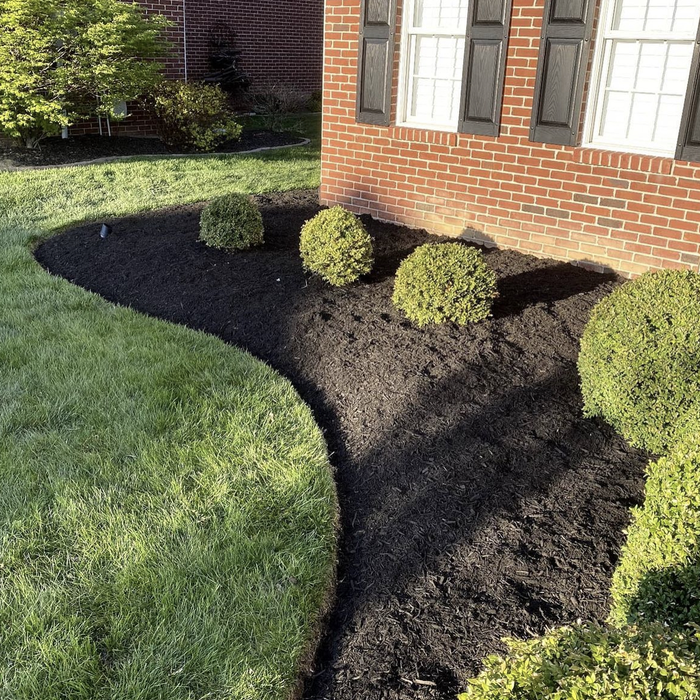
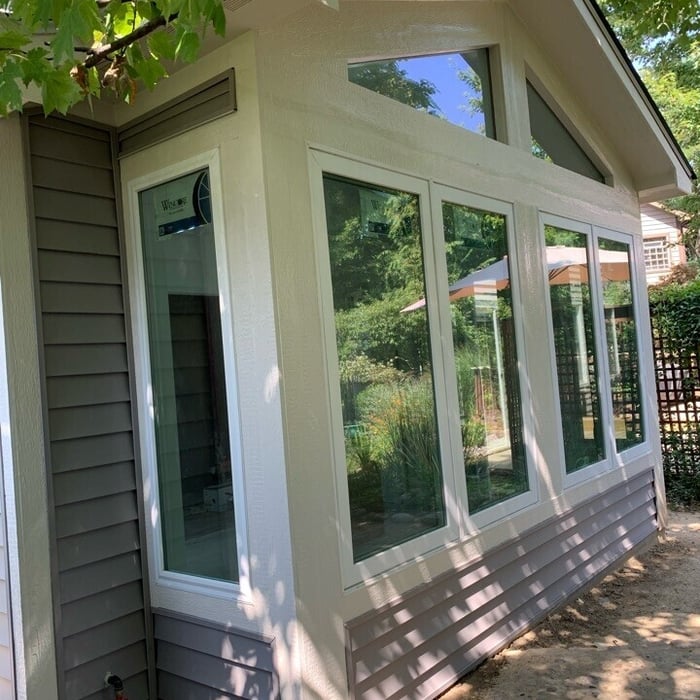
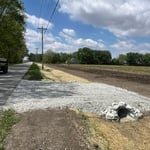
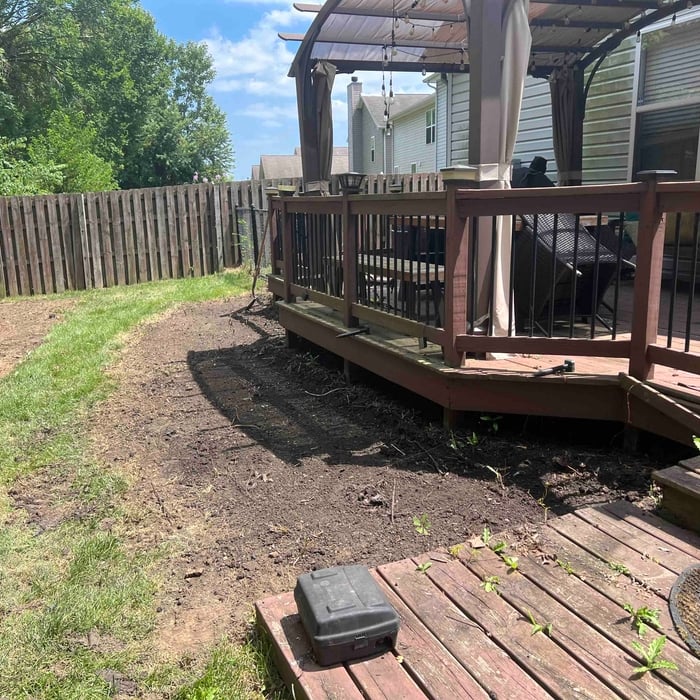
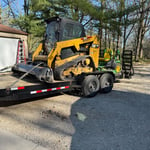
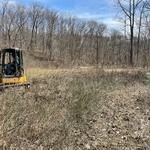
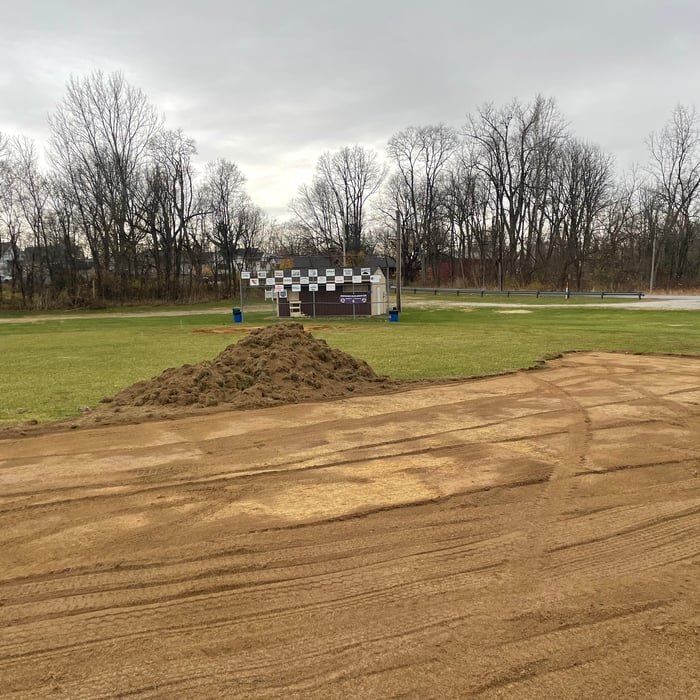
"I needed land cleared for a large garden. Redline came in, tilled up my existing ground, added sand to help with drainage and to build up the low spots. The owner was quick to respond, showed up the next day, and knocked out the project in one day! I could not be happier with the work completed, or how seamless the process was from start to finish. I would recommend Redline to everyone!"
Project Photos
Project Photos
Project Photos
9 neighbors recently requested a quote
...
Showing 1-10 of 165
Excavating questions, answered by experts

A trench that is less than 5 feet deep often doesn't require a protective system. Most residential trenches will not go this deep (the typical residential drainage trench is just 18 inches deep). In the event that an excavator needs to dig more than 5 feet beneath the surface, a protective system is required unless the excavation is in entirely stable rock.

Excavation and grading are both generally necessary for designing your foundation, and leveling the ground where your foundation will go. These steps can also prepare the area by removing vegetation and anything else that could interfere with your home’s foundation.

Digging out a basement takes anywhere from a few days to a few months. Most projects take at least two to five weeks, but it could take several months if you encounter obstacles. This project takes longer if you need to brace or raise your home before the excavation. Digging out a basement in new construction can take as little as three days.

To locate an underground downspout, you should start by identifying where the above ground gutter drains. Look for an entry point, such as a pipe or elbow leading into the ground. Follow the surface path for signs like depressions, landscaping disruptions, or wet areas after rain. You can use a metal detector or plumber’s snake to trace the pipe underground. For deeper pipes, a professional locator tool or camera inspection may be necessary. Visual markers or utility maps can also guide the search.

Water lines are buried at various depths, depending on the type of line. For example, most sprinkler lines are buried between four and 12 inches underground. On the other hand, water mains usually sit between one and 3 feet below ground. However, they can go even deeper in cold climates to prevent freezing.

The Anderson, IN homeowners’ guide to excavation services

From average costs to expert advice, get all the answers you need to get your job done.