
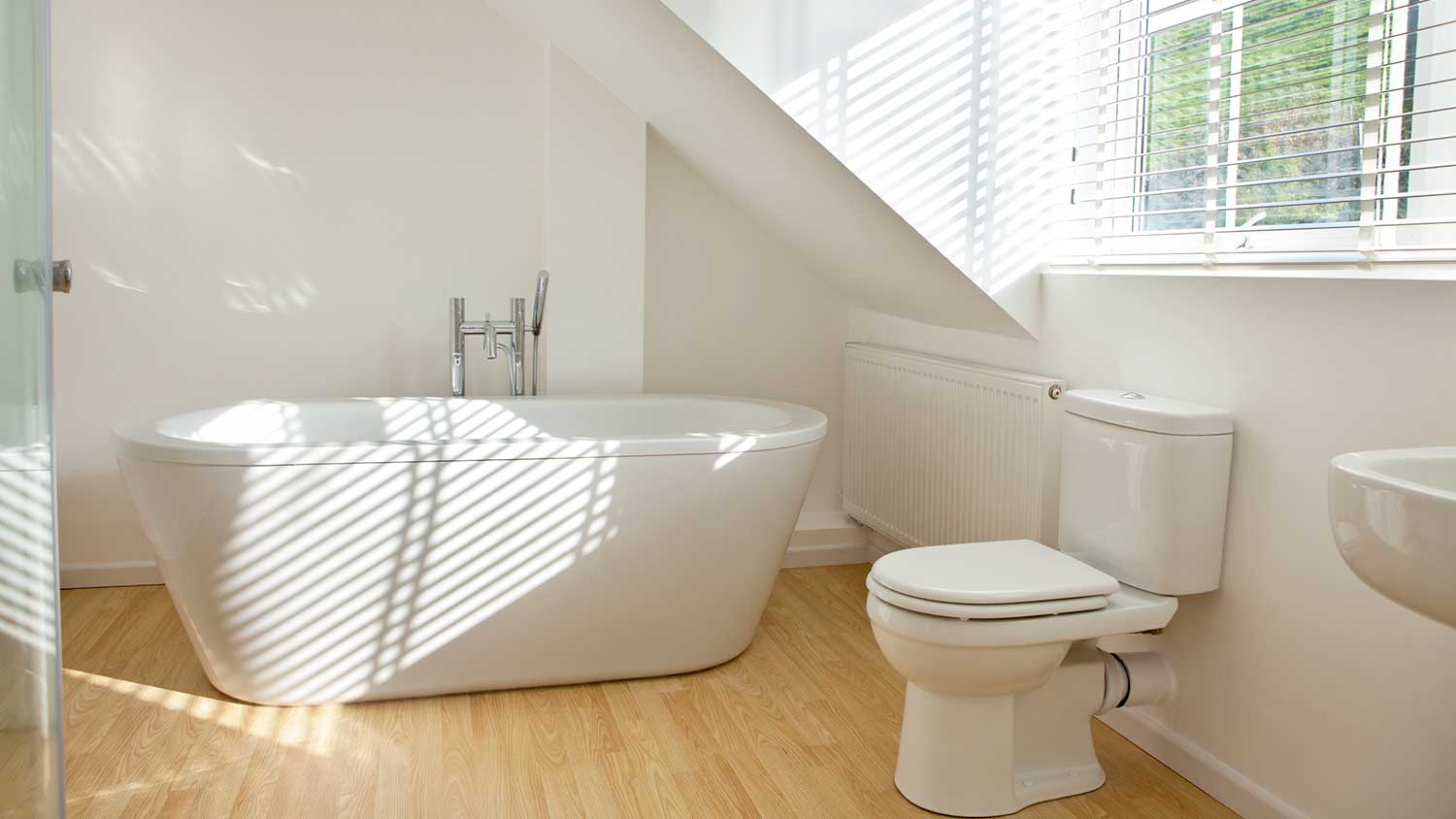
This guide to toilet installation cost covers what you can expect to pay when adding a new toilet to an existing or new bathroom.
Here’s the low-down on what makes your porcelain throne work

Understanding what happens during a toilet flush helps you troubleshoot problems, as gravity pulls water from the tank through the bowl and into your sewer system.
Your toilet relies on key parts like the flush valve, siphon jet, and fill valve working together to create the siphon effect that removes wastewater efficiently.
You can resolve common toilet issues by checking the flapper for wear, ensuring the float ball moves freely, and confirming the fill valve refills the tank properly.
Hiring a local toilet professional provides reliable help diagnosing flush problems and repairing worn flappers, faulty valves, and other internal components keeping your toilet working smoothly.
Many of us take our toilet for granted in ways we’d rather not discuss. When you think about the alternatives, though, a toilet is a wondrous invention. So, what’s going on in there? Learn how a toilet flushes and what happens after you walk away.

There’s no power plug required for a standard toilet. Instead, gravity flushes the toilet with the help of a drain, fill valve, and other parts that keep the toilet flushing. Here’s a breakdown of how the system works.
You may have noticed the chain inside your toilet tank attached to the handle. When you turn the handle, it pulls this chain upward and lifts the flush valve. This process reveals a small drain hole.
The hole at the bottom of your toilet bowl is technically referred to as a siphon jet. When you flush the toilet, water drains from the tank and enters the toilet bowl at high speeds, resulting in a siphon effect for the remaining wastewater. This effect occurs when wastewater rushes into the siphon hole and through the siphon tube.
Once the wastewater in the toilet gets flushed, it flows through the sanitary sewer system in your area until it reaches a wastewater treatment facility or a septic system.
Once you let go of the flush handle and the toilet tank drains, the flush valve should fall back into place and allow the tank to refill. Water from your home's supply lines enters the toilet tank through the refill valve, which simultaneously fills the toilet bowl and tank.
Every toilet tank has a floating device inside it called a float ball. As the water level in your toilet tank rises, this float ball rises at the same time. At a certain point, the float ball rises high enough to cut the valve off. If this float ball becomes detached, it will cause your toilet tank to overflow.
An automatic toilet flush is hygienic and convenient (albeit startling at times). There isn’t a ghost by the toilet; instead, the device uses infrared beams to detect whenever a user is near. Here’s a breakdown of how a toilet flushes when it’s automatic.
An automatic toilet flusher works with a sensor containing two infrared LEDs. One emits infrared beams while the other receives them. Once the user gets close enough to the toilet, it reflects the infrared light to the receiver.
Once the infrared sensor detects movement, it sends a signal to the solenoid valve. This valve will then open up the water flow, sending wastewater out.
Unlike traditional toilets that rely on manual activation and gravity to flush the toilet, an automatic-flush toilet requires power to operate. The three basic types are DC battery, AC power supply, or combined AC/DC. The whole operation gets controlled via a microchip that flushes on a timer.
Dual-flush toilets conserve water by having different flush options for solid and liquid waste. Liquids get a half-flush that uses less water. However, the function is a bit differently than a regular toilet flush. Let’s have a look at what happens.
Rather than a regular toilet siphoning action, a dual-flushing toilet employs a large trapway, which is the hole at the bottom of the toilet.
Depending on which button gets pressed, the trapway pushes the proper amount down the drain. As mentioned, this is either a half-flush that uses far less water or a full flush. The full flush still uses less water than traditional toilets due to the efficiency of the trapway.
There are two main parts to your toilet: the tank and the bowl. Understanding these parts (and the components within them) will help you diagnose and treat an issue if it occurs.
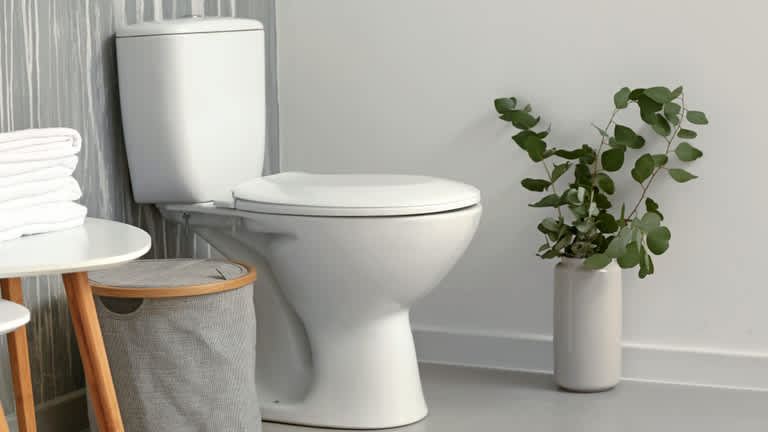
The toilet tank is the large, rectangular area on top of the bowl. It holds approximately two gallons of reserve water that’s released upon flushing. Housed within the tank are many of the key components of a toilet system:
Handle: Long arm extending into the toilet tank, attached to a chain. When flushed, this arm pulls the chain and releases the flapper.
Chain: Usually metal, the toilet chain connects the handle to the toilet flapper. When the handle is flushed, the chain lifts up, lifting the flapper.
Flapper: This part seals the opening between the tank and the toilet bowl. If your toilet continues to run, it may be time to switch out your flapper.
Fill valve: After the water is removed from the tank, the fill valve refills the water tank using the toilet float as a guide.
Toilet float: This is a buoyant ball (usually rubber or aluminum) that regulates the amount of water in the tank.
The toilet bowl is what you sit on when you use the restroom. When the water empties from the toilet tank above, it rushes into the toilet bowl and is siphoned away via gravity into the sewage system.
Rim holes: Small holes along the seat’s rim that allows water to rush in. This water is meant to rinse the sidewalls of the bowl, not necessarily flush the water.
Siphon jet: This part is the bigger water jet or vacuum valve that flushes water through the bowl and out the trapway. You can tell the siphon jet is clogged if the water isn’t swirling around the bowl and is instead coming straight down.
Trapway: This is the opening at the bottom of the toilet that water travels through to get out.
Outlet: The base of your toilet bowl connecting to all floor plumbing. It’s sealed with a wax seal and toilet flange.
Wax seal: The toilet bowl seal secures the base of the toilet to the toilet flange. If water is leaking from the base of the toilet, your wax seal may be broken.
Toilet flange: Sealed with the wax ring, the toilet flange mounts the toilet onto the floor and connects it to the drain.
Lid and seat: The top portion of the toilet bowl that makes it more comfortable to use.
Unfortunately, toilets can malfunction from time to time. Luckily, many common problems are resolved with simple DIY toilet fixes. You might also hear a noise in the wall when the toilet flushes, which could indicate a few different issues.
Depending on what has gone wrong, you may need to replace the toilet, get it repaired, or execute some troubleshooting. There are some helpful how-to's online, but get in touch with a top-rated local plumber if you're in over your head.
Positive experience. As previously stated, the replacement/repair could not be completed (no fault of the plumbing tech) b/c misinformation was rec?d by property management maintenance. Thanks to the plumbing tech for your efforts. Appreciate you!
 The Waterworks
If you want to pay the most exorbitant prices possible for your job, this is the company for you. “By the job” pricing is a rip-off, at least how these people use it. Every job is plugged into a category and prices are set by category. You might have a job that takes half an hour or one that...
 Benjamin Franklin Plumbing
Cole has been handling plumbing and general contracting for our four properties over the past three years, and he’s always done a great job. Most recently, he installed a sink and countertop in our retail store where none existed before, and it turned out exactly how we needed. He’s...
 ANB Renovations LLC
Matt is a consummate professional. The work turned out to be far more difficult than expected and rather than turn the job down, Matt rose to the occasion and completed a near impossible task. I can not recommend Greene's Plumbing Service more highly. On a scale of 1-5 I would give Matt a...
 Greene's Plumbing Service
Involved an extensive bathroom remodel, including removing tub & installing walk in shower, new drywall, custome tile work to ceiling, plumbing, etc. Overall, job was done on time and on budget. Nick & his team were very professional and had high attention to detail. Quality was great. Highly...
 Stamos Flooring and Remodeling LLC
Awesome company. Had a jacuzzi tub taken out and replaced with huge walk in shower with partial glass enclosure. Onyx to the ceiling with a decorative border, moved plumbing and installed hand held shower, new ceiling, flooring, and paint. Replaced window with glass block. Everything was done...
 Columbus Bath Design
The initial quoted price from a walk-through seemed high, but we discussed that the quote represented worst case scenario (re-wiring to two floors) and we were excited about the opportunity to have the work done in a timely manner with closing for fire safety reasons, etc. When the job was...
Initially, I called the Service People to have a leaking garbage disposal replaced. I had purchased a special deal through Angie's List: $79 for $200-worth of plumbing services. <br /> When I went to schedule the work, the earliest date I could get through Angie's List was after the upcoming...
This company did a very good job on the brick wall and it looks just amazing. The staff was always professional and was practically OCD on how the bricks were stacked and how they were laid. Although it took longer than expected, I am willing to sacrifice time over perfection anyday. The...
 My Handy Mate LLC Improvement & Remodeling
<p>I am so glad we called Rotor-Rooter. I was hesitant to call them because we usually prefer to give business to local providers. But when we had sewage back up in our basement on a Saturday evening, I had a hard time getting a hold of someone, not to mention the high weekend/evening rate...
 Roto-Rooter Plumbing & Water Cleanup
From average costs to expert advice, get all the answers you need to get your job done.
This guide to toilet installation cost covers what you can expect to pay when adding a new toilet to an existing or new bathroom.
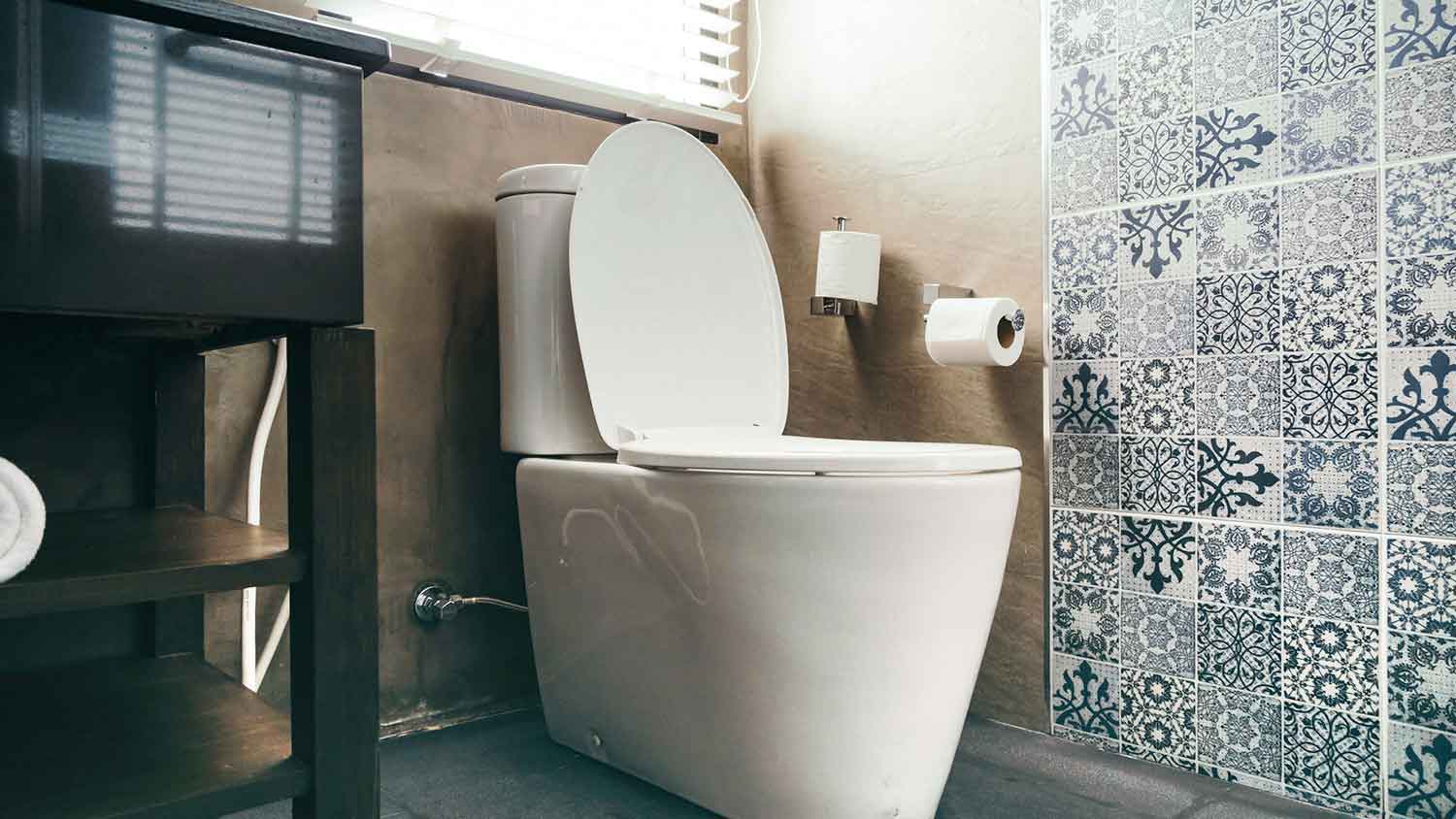
Are all the toilets in your house not flushing? It could be a clog, pipe damage, or water supply issues. Learn how to diagnose and fix flushing problems.
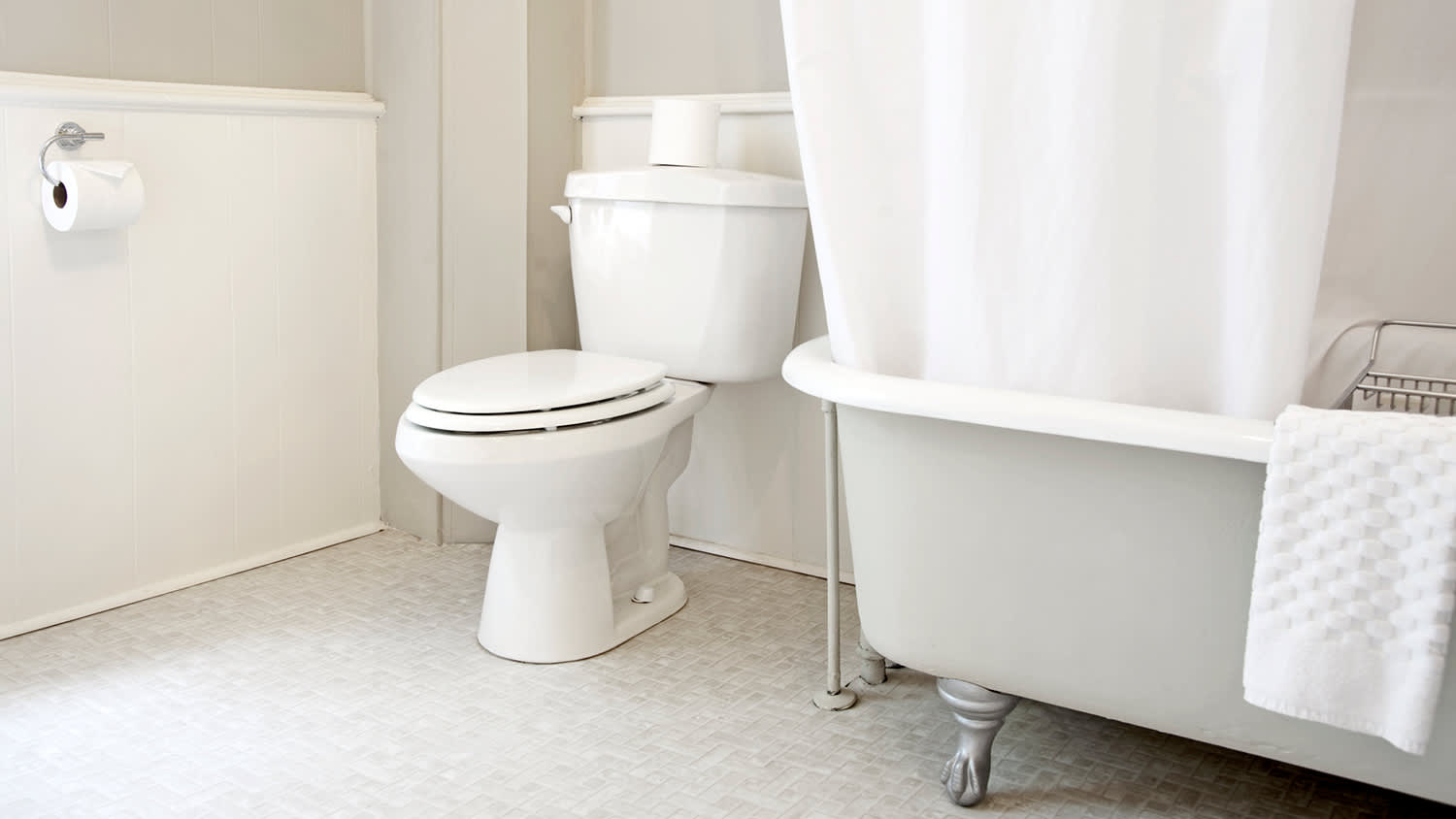
Ghost flushing happens when your toilet flushes on its own. We break down the causes and fixes to keep your toilet from running when it’s not supposed to.
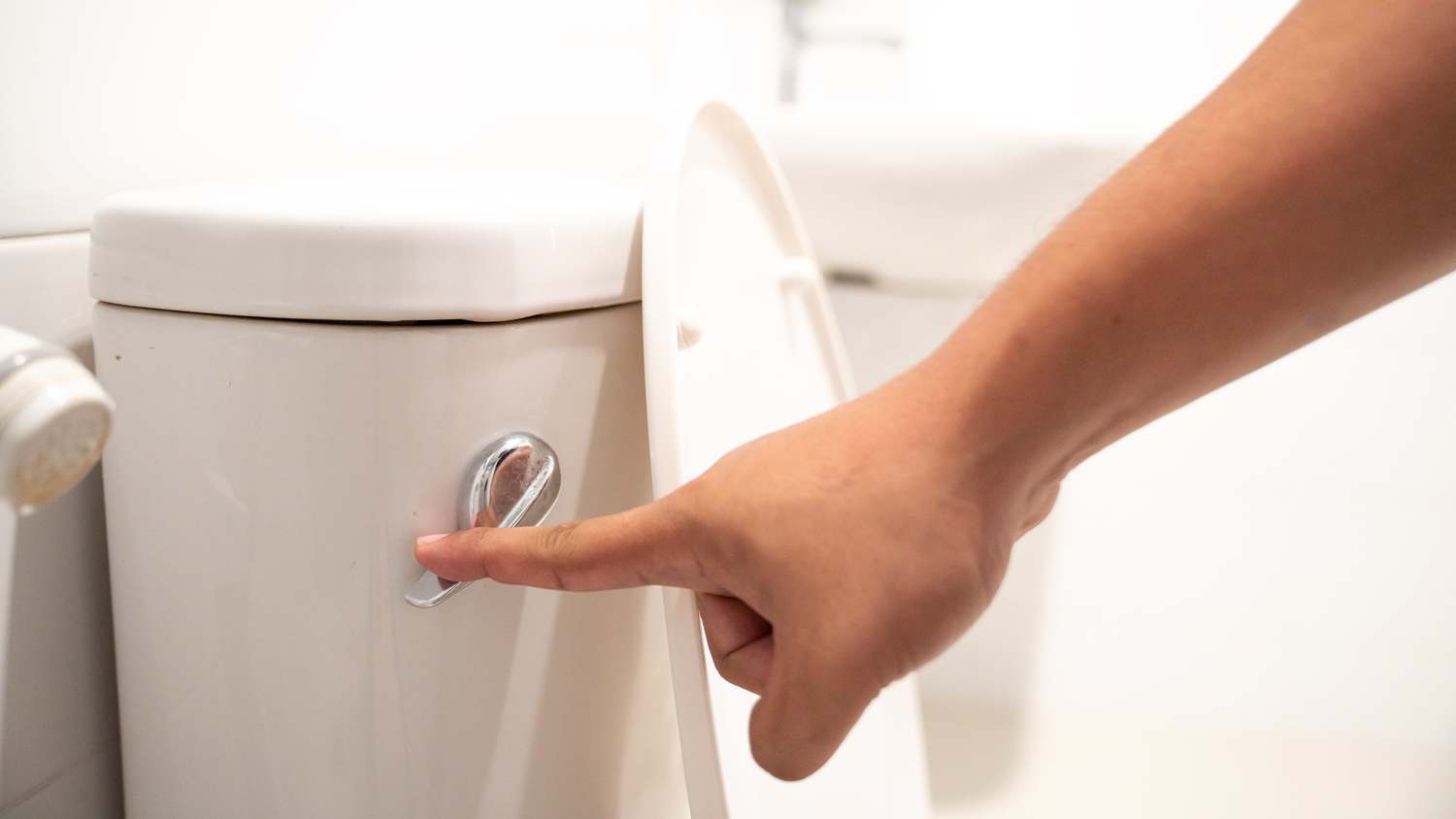
Understand how much water a toilet uses per flush and find ways to make your house more sustainable and efficient while lowering water bills.
Modern toilet flushing systems are designed to save water with every flush. Compare the different types of systems, so you can find the right one for you.
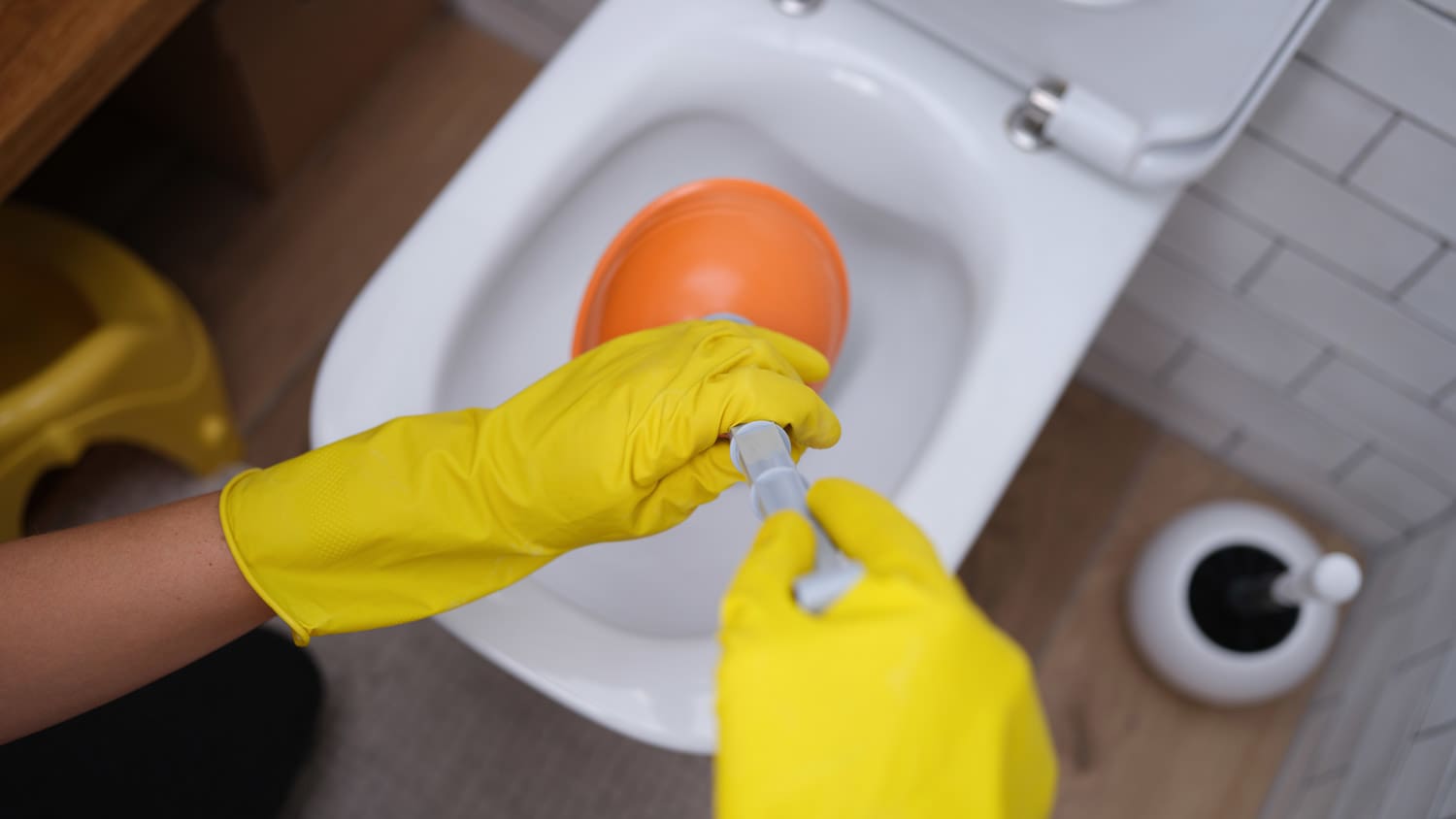
A stopped up toilet can have multiple causes, some of which you won’t be able to see. Here are four reasons why your toilet is clogged even with nothing in it.