
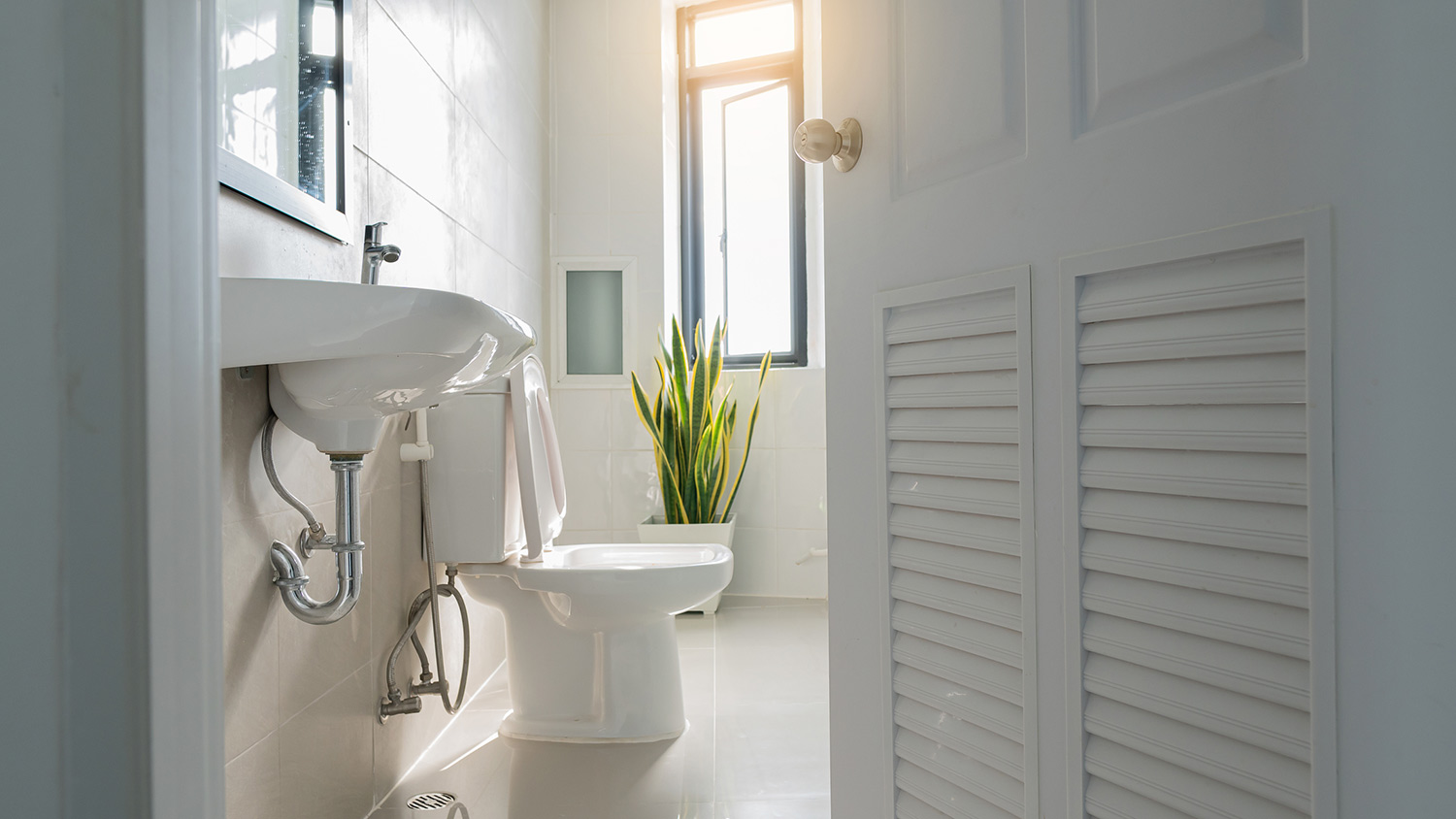
Everyone can relate to having toilet issues—we’ve all been there. There are several reasons why your toilet might need repairs, and the cost varies based on the damage.
From minor leaks to low water levels, you can DIY the fix for many toilet issues

A clogged toilet is the most common toilet repair issue you'll face, caused by too much paper, foreign objects, or items that don't belong.
Expect to pay $100 to $200 for toilet repairs, so addressing problems early helps you avoid higher costs and potential water damage in your bathroom.
You can fix a running toilet by resetting the flapper or adjusting the fill valve's water height setting to stop the tank from draining continuously.
Hiring a local drain cleaning professional provides reassurance when clogs won't clear with a plunger, handling stubborn blockages and keeping your plumbing flowing smoothly.
The simplicity of a standard household toilet can be deceiving. In reality, these fixtures are more complex than you might imagine. Toilet issues can range from needing to tighten the seat to serious plumbing issues. Here are the most common toilet problems you could face and how to fix them.
Although you may not hear about it in polite conversation, clogged toilets happen. A clogged toilet simply means that something is obstructing the flow of water through the fixture and into the sewer pipe. Too much paper, a foreign object, "flushable" wipes, toys, or just about anything else that doesn't belong in a toilet can cause a clog. The situation can cause a minor backup in the bowl or flow over the rim and onto the floor.
Because clogs happen in the toilet fixture itself, they're often easy to clear. Use a toilet plunger to force the obstructing object through the fixture by submerging the plunger in the bowl and forcefully pushing down on the handle once or twice. Stubborn clogs may require several plunges. You'll know the clog is clear when the water flows down the drain on its own. If after several attempts, the clog remains, there's likely a foreign object in the toilet's trap, and hiring a plumber is the next step.
A running toilet is one of the most common toilet problems homeowners experience, and determining what's causing it takes a little bit of detective work. There are two reasons this situation can happen, and while it's not a major plumbing issue, it does require immediate attention.
The first reason this could be happening is that the flapper won't settle into position to stop the tank from draining. Remove the tank cover and note the position of the water in the tank. If there is almost no standing water, reach in and reset the flapper over the drain hole. Check the condition of the flapper, as it likely needs replacing, but this will stop the running for now.
The second reason your toilet could be running is that the fill valve won't turn off. When you look in the tank, you'll notice it's full of water and draining into the tube. Fix the situation by adjusting the water height setting in the tank.
If you have a ball cock setup in your toilet, adjust the water height by turning the set screw. If you have a more modern fill valve setup, adjust the water height by turning the adjustment screw at the top of the mechanism.
Address toilet leaks ASAP. Water can damage your bathroom floors, and wastewater poses a health risk for you and your family.
First, though, you must find the water leak’s source. Leaks from the water supply line are much different from leaks at the toilet’s base or where the tank connects to the bowl.
Common leak areas include:
The nut below the valve
The supply line connection
The base
Loose or worn-out tank-to-bowl connections
Depending on your DIY skills, not all toilet leaks require a plumber's help. If you can identify the leak as being from a loose supply line connection, turn off the water to the toilet and remove the connection with an adjustable wrench. Check that the rubber gasket is intact and resecure the supply line until it's firmly seated without overtightening it.
You can check and tighten the tank-to-bowl nuts and the valve nuts under the tank. However, be careful not to overtighten them. If the tank bolts are the cause, you'll be better off replacing them than trying to tighten them. Likewise, if the fill valve nut is the cause, consider replacing the gasket at the base of the valve inside the tank.
Avid DIYers can replace the wax ring under the base of the toilet. However, this is often a good job for a plumber who can also determine why the ring is malfunctioning.
Old or worn-out toilet parts need replacing, while tightening the screw or nut on your tank may fix the issue. If it’s an old toilet with cracks in the ceramic, you may need to have a new toilet installed. (A new toilet costs about $370 on average.)

There are a few reasons that your toilet might not be flushing. Weak flushing can happen when there's an obstruction in the fixture itself or the sewer line beyond. It can also happen if there's trouble with the water level in the tank. However, if your toilet simply doesn't respond to you flushing it, the problem is a mechanical one.
If, after looking in the tank, you notice the tank water level is low, adjust the water level height by adjusting the screws on the ball cock or fill valve assembly. If it appears that a clog is causing the problem, use a plunger to dislodge the obstruction. If the problem remains, use a drain snake to clear the sewer line or call in a nearby drain cleaning company for help.
When the toilet simply won't respond to you calling for a flush, check the chain connection from the toilet handle to the flapper. Shorten it, if necessary, by hooking the handle to a lower link in the chain. If the handle is loose, you can tighten it by turning the securing nut counterclockwise, being careful to not overtighten it.
A slow-filling toilet usually results from a water supply valve problem, a waterlogged float ball in your tank, or a fill valve tube issue.
First, try loosening the water supply valve (gently) to make sure it’s not partially closed. That could correct the problem.
If not, assess and address the other two potential culprits by removing your tank lid. Check the fill valve inside the tank for mineral buildup or clogs. A waterlogged float ball may drag the float arm too low in the tank and needs to be replaced.
You might (rightfully) ask: why is my toilet gurgling? The most likely answer is “your pipes.” Although, admittedly, that could mean several different things.
Gurgling is a sign that something’s blocking the way in your plumbing. You can fix minor issues with a plunger to clear the obstruction. A commercial-grade toilet auger ($20 to $30 at a hardware store) can go deeper into your pipes if a plunger doesn’t do the trick.
If that doesn’t work, calling a local plumbing handyperson is a wise move. Attempting to fix your toilet can save you money (toilet repairs cost between $100 and $200 on average), but damaging errors could be costly.
The famed “jiggle the handle” line comes from this common toilet problem. Sometimes, the handle gets loose and hangs down or gets stuck completely. Removing the tank lid can help you find the issue.
With the lid off, flush the toilet like you normally do. What happens? If the chain inside doesn’t lift, make sure it isn’t stuck on something or detached.
If the problem isn’t clear from looking at the inside of your tank, it could be that your handle needs tightening. To do this, shut the water valve off and empty your toilet. This way, you can tighten the handle properly from inside the tank.
Cracks can appear in your toilet's finish with or without having a leak associated with them. While a cracked or broken toilet seat won't cause a plumbing issue, visible cracks in the tank or bowl can quickly lead to big trouble.
There is simply no way to reliably repair cracked toilet components. Replacing them is the only real option. To replace the toilet seat, use a screwdriver to pry open the tabs that hide the connection bolts, and remove the bolts and nuts with the screwdriver and pliers. Tank and bowl replacements are possible if you're confident in your DIY skills. However, most homeowners leave these tasks to the pros.
Common toilet problem repairs are tasks that many DIYers can easily handle. However, it's essential to understand that, despite the relative ease of many of the jobs, you're still working with a plumbing system with significant water pressure behind it, which can quickly cause thousands of dollars of damage if mishandled. Before working on your toilet, be sure to turn off the water supply to the fixture to avoid any costly errors.
If after trying basic fixes, your toilet problems remain, your best course of action is to call in a local plumber instead of risking more costly water damage.
Ben Kissam contributed to this piece.
Positive experience. As previously stated, the replacement/repair could not be completed (no fault of the plumbing tech) b/c misinformation was rec?d by property management maintenance. Thanks to the plumbing tech for your efforts. Appreciate you!
 The Waterworks
If you want to pay the most exorbitant prices possible for your job, this is the company for you. “By the job” pricing is a rip-off, at least how these people use it. Every job is plugged into a category and prices are set by category. You might have a job that takes half an hour or one that...
 Benjamin Franklin Plumbing
Cole has been handling plumbing and general contracting for our four properties over the past three years, and he’s always done a great job. Most recently, he installed a sink and countertop in our retail store where none existed before, and it turned out exactly how we needed. He’s...
 ANB Renovations LLC
Matt is a consummate professional. The work turned out to be far more difficult than expected and rather than turn the job down, Matt rose to the occasion and completed a near impossible task. I can not recommend Greene's Plumbing Service more highly. On a scale of 1-5 I would give Matt a...
 Greene's Plumbing Service
Involved an extensive bathroom remodel, including removing tub & installing walk in shower, new drywall, custome tile work to ceiling, plumbing, etc. Overall, job was done on time and on budget. Nick & his team were very professional and had high attention to detail. Quality was great. Highly...
 Stamos Flooring and Remodeling LLC
Awesome company. Had a jacuzzi tub taken out and replaced with huge walk in shower with partial glass enclosure. Onyx to the ceiling with a decorative border, moved plumbing and installed hand held shower, new ceiling, flooring, and paint. Replaced window with glass block. Everything was done...
 Columbus Bath Design
The initial quoted price from a walk-through seemed high, but we discussed that the quote represented worst case scenario (re-wiring to two floors) and we were excited about the opportunity to have the work done in a timely manner with closing for fire safety reasons, etc. When the job was...
Initially, I called the Service People to have a leaking garbage disposal replaced. I had purchased a special deal through Angie's List: $79 for $200-worth of plumbing services. <br /> When I went to schedule the work, the earliest date I could get through Angie's List was after the upcoming...
This company did a very good job on the brick wall and it looks just amazing. The staff was always professional and was practically OCD on how the bricks were stacked and how they were laid. Although it took longer than expected, I am willing to sacrifice time over perfection anyday. The...
 My Handy Mate LLC Improvement & Remodeling
<p>I am so glad we called Rotor-Rooter. I was hesitant to call them because we usually prefer to give business to local providers. But when we had sewage back up in our basement on a Saturday evening, I had a hard time getting a hold of someone, not to mention the high weekend/evening rate...
 Roto-Rooter Plumbing & Water Cleanup
From average costs to expert advice, get all the answers you need to get your job done.
Everyone can relate to having toilet issues—we’ve all been there. There are several reasons why your toilet might need repairs, and the cost varies based on the damage.
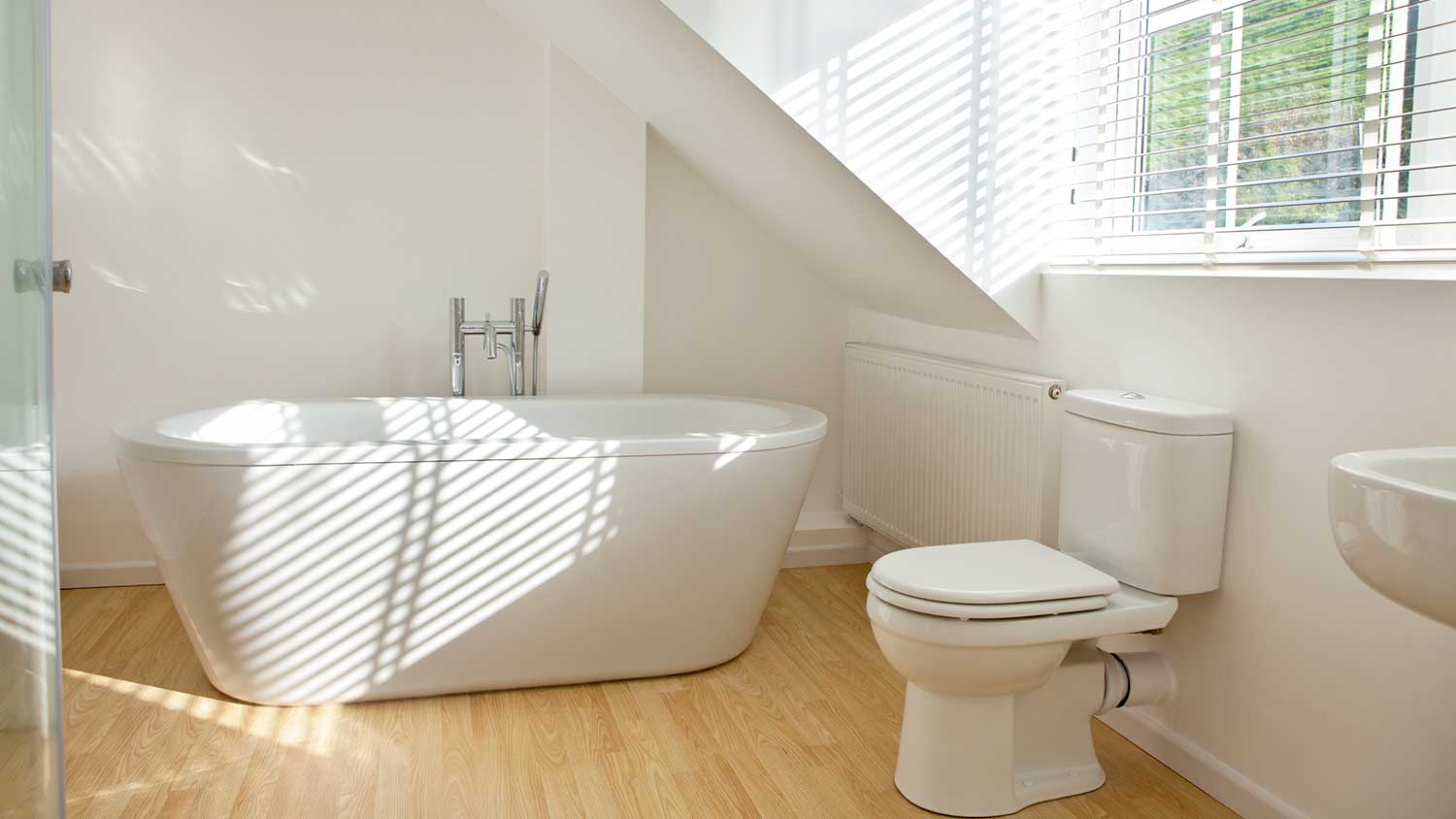
This guide to toilet installation cost covers what you can expect to pay when adding a new toilet to an existing or new bathroom.
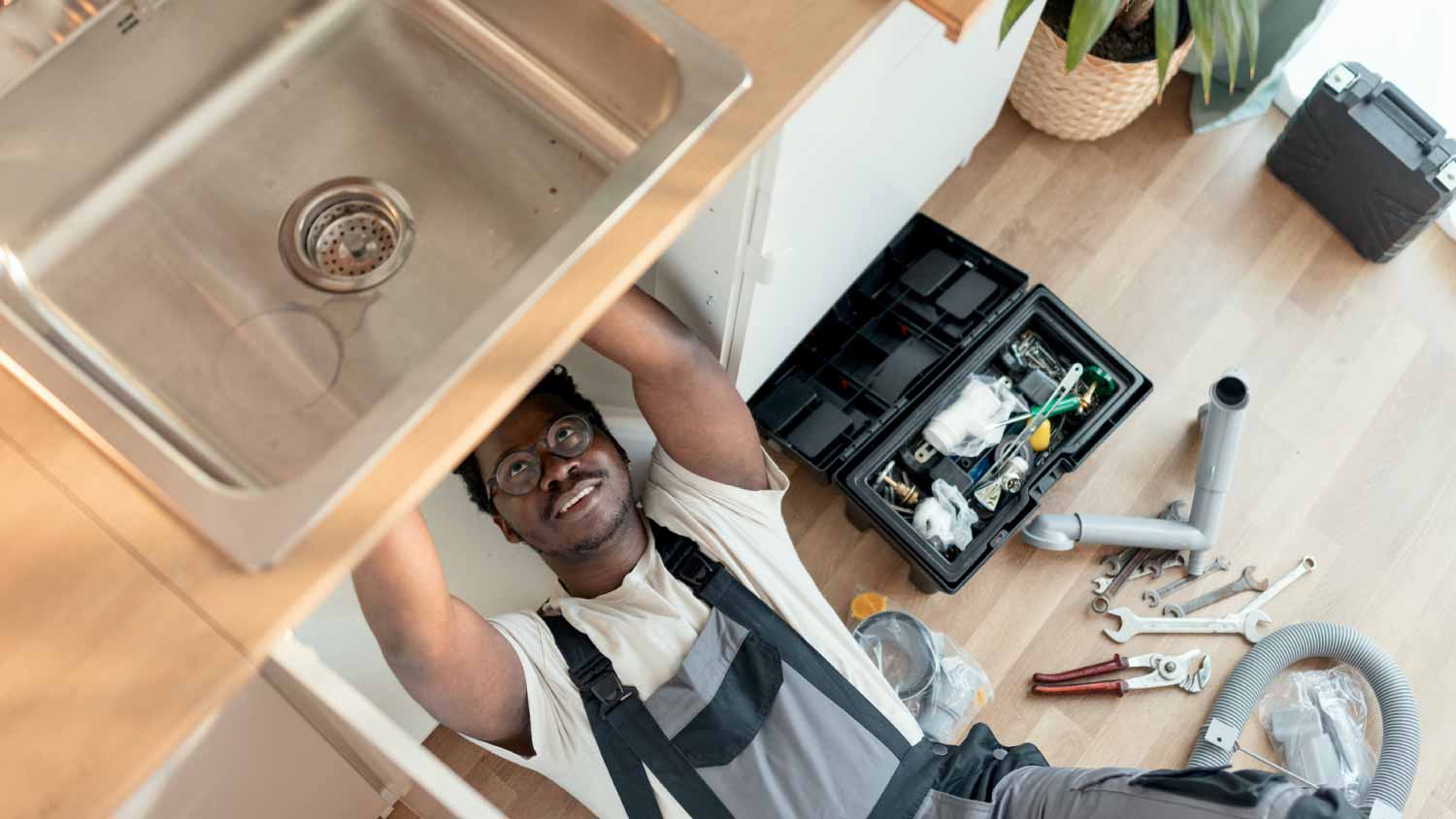
Here are the 18 most common plumbing problems you could come across as a homeowner—and how to fix them on your own or with a professional plumber.
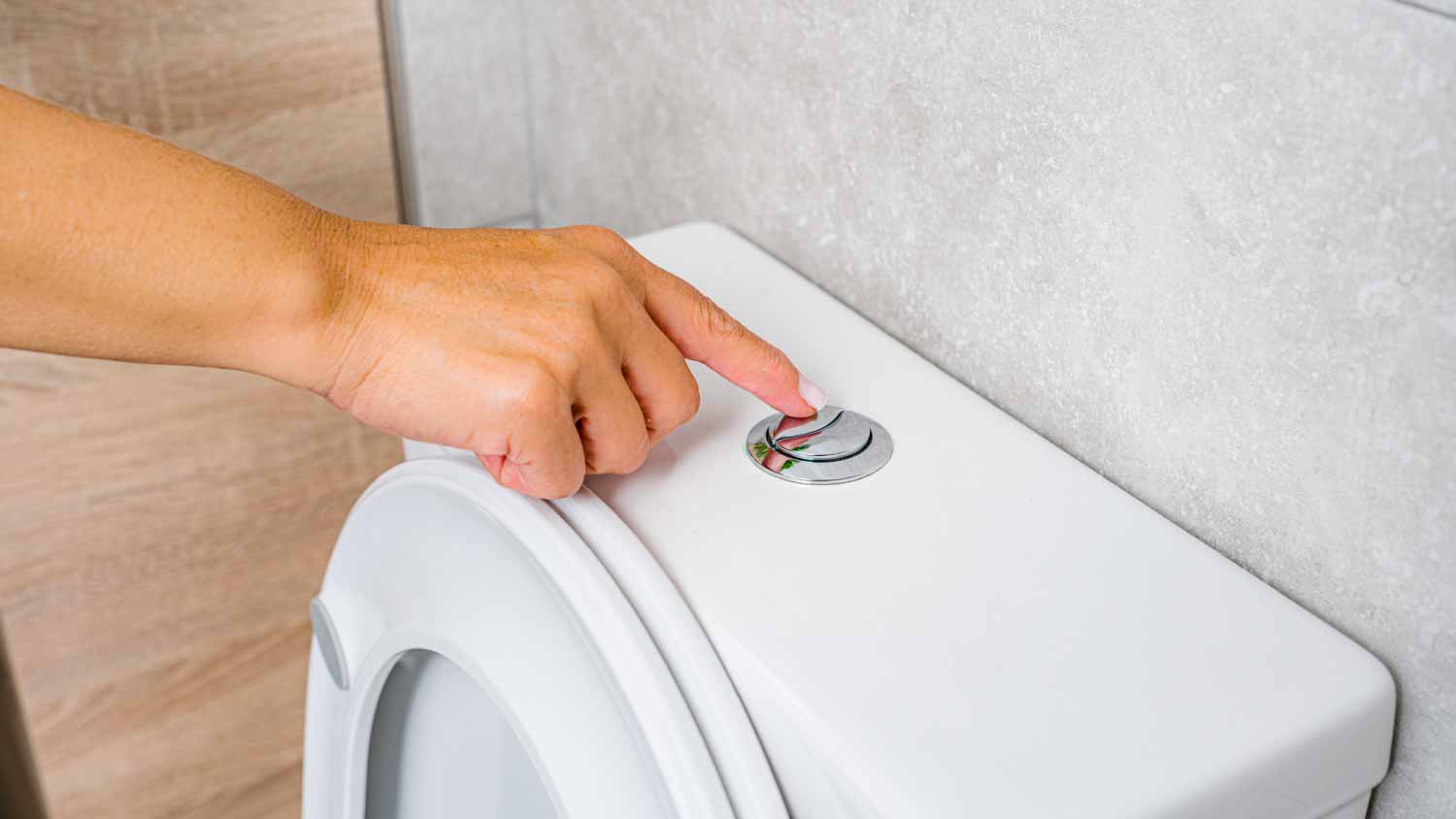
It's normal not to give your toilet a second thought until issues arise. Discover the common problems with dual-flush toilets and how to fix them.
If your toilet is leaking at the base, it can be a cause for concern. So grab some towels to stop the flow and explore these six common culprits for a leaky base.
How do you know when it's time to replace a toilet? This guide offers tips for knowing when a toilet can be replaced.