


Depending on whether your model dehumidifies, you may need to add or remove water from your portable air conditioner to keep a room cool.
When it comes to battling the summer heat, a ventless portable air conditioner is the unsung hero in hot, dry climates

A hose-free portable air conditioner uses water evaporation to cool your space, adding moisture to the air rather than functioning like traditional AC units.
Expect to pay $110 to $420 for a ventless portable air conditioner, making it a budget-friendly cooling option compared to window units or central AC.
You need only an electrical outlet and water to run these units, as they require no exhaust hose, window installation, or complex setup steps.
Hiring a local HVAC technician professional provides expert guidance on selecting the right cooling system for your climate and ensuring proper electrical setup for safe operation.
Don’t let the name fool you: A ventless portable air conditioner isn’t actually an air conditioner. But when you’re enjoying the cool, refreshing air that these little machines provide, you probably won’t care much about what they’re called. All you’ll be thinking is, “Can I get one for every room?!”
Keep reading to understand these systems' main benefits and drawbacks to find out if they're right for your home.
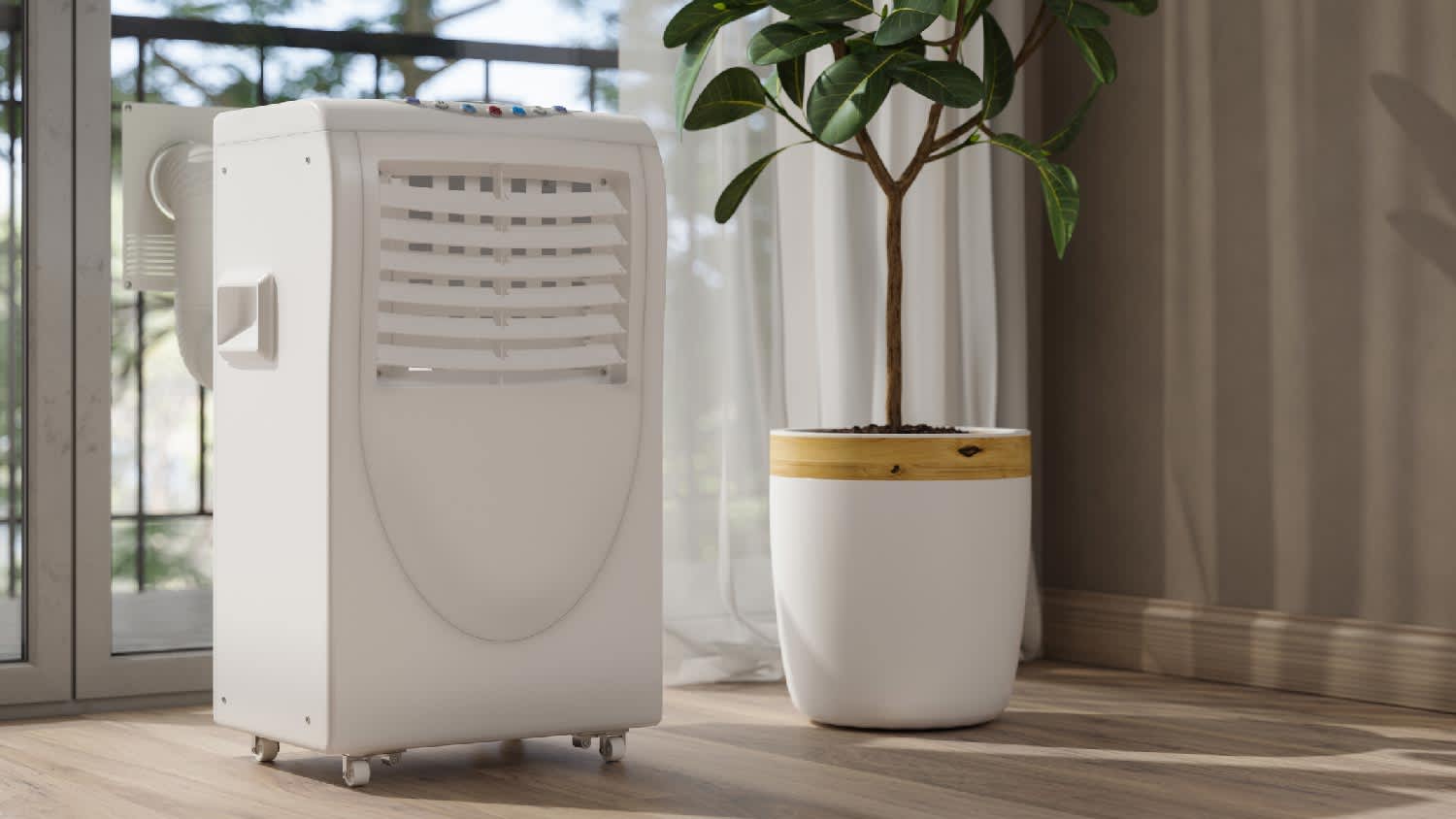
A ventless portable air conditioner is a system that evaporates water to cool the air. These systems require only water and access to power to work.
The name includes the term “air conditioner,” ventless portable air conditioners are not in fact air conditioners—at least not in the traditional sense. Standard ACs pull hot air into the system to cool, filter, and dehumidify it before recirculating it back into the room. But ventless ACs don’t have a unit that connects outside the home to pull heat in, so they don’t function as a traditional air conditioner unit.
To avoid confusion, many experts refer to them by other names such as:
Evaporative coolers
Portable air conditioners
Whatever you choose to call them, the fact is ventless portable ACs are affordable, energy-efficient, and keep your space cool if the climate is right.
Manny was very trustworthy and professional. He gave me a very fair price. Within 24 hours he had done his inspection and given me an estimate. It's the first time I talked to an HVAC company that didn't make me feel like I was getting overcharged. One of the other companies I spoke to was trying to charge 6 times the cost. He took lots of pictures and video and explained step by step what was done wrong by the other contractors and what he would need to do to fix it. He was able to do the work the day after I accepted the estimate. He completed all the work in one day. I am confident and very relieved to say that my HVAC system is set up properly.
Have you ever noticed how much cooler it feels sitting beside a body of water in the summer? This is because water draws and retains more heat than pretty much any other substance on Earth.
Ventless air conditioners model the same principle. The unit contains its own little pond (usually between 14 and 42 pints of water) that evaporates tiny water droplets into the room, which cool the air after transforming into a gaseous state.
Here’s how ventless ACs operate:
An open tank at the bottom of the unit holds the water reservoir. This gives it a low center of gravity, which helps prevent tipping.
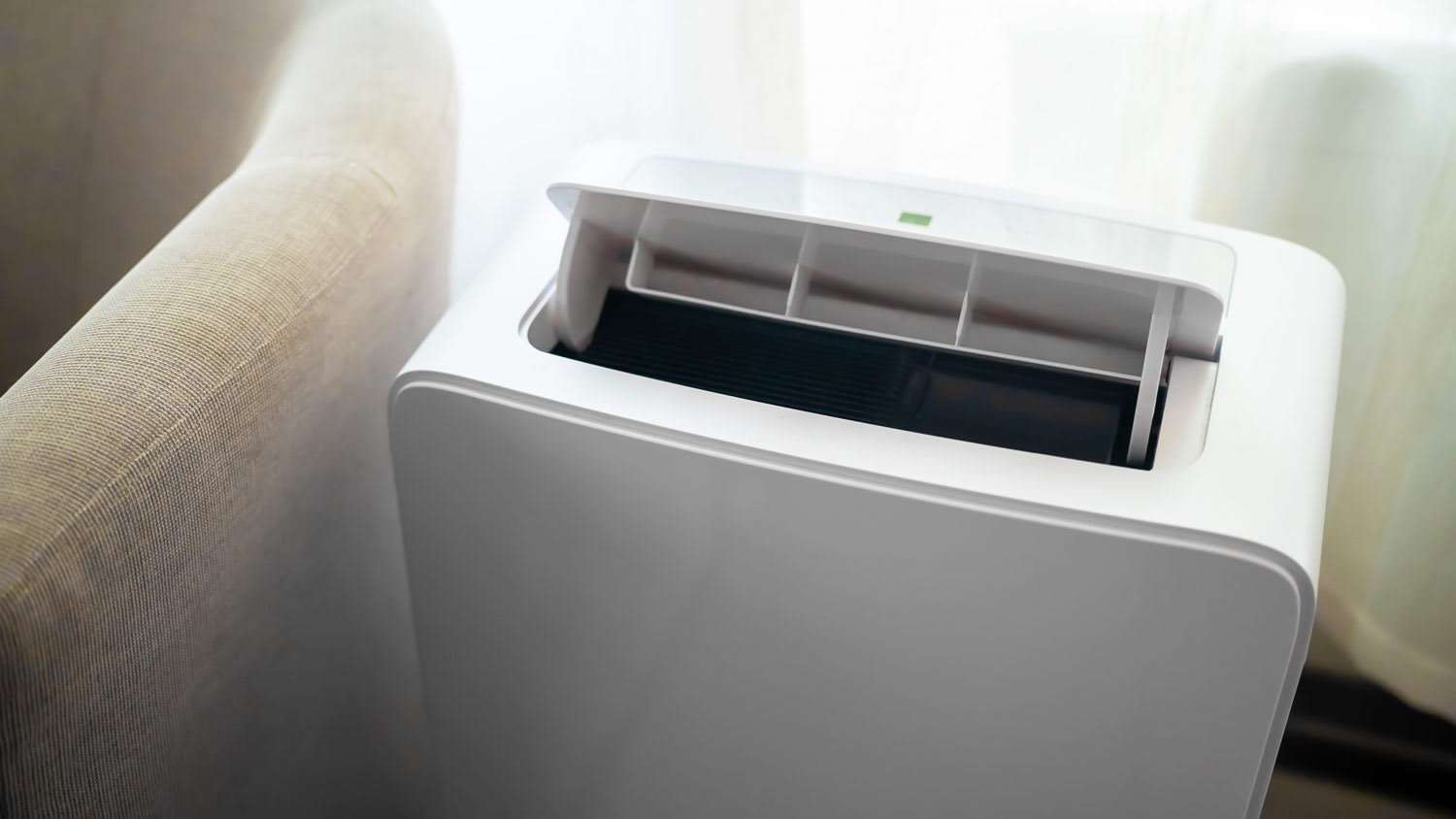
A fan and pump draw water from the reservoir onto a cooling pad, pulling room air across the pad to load it with moisture.
The moistened air is cooler and feels more refreshing than the dry, hot air in your room.
In fact, an evaporative cooler can quickly lower the room temperature by as much as 30 degrees.
Swamp coolers continue running this cycle until the humidity level is too high to evaporate water. Because of this, they’re best for dry climates.
There are a few great reasons to consider adding a unit like this to your home, like that they’re easier to install than central air or ductless units, or that their portability makes them ideal for rental situations.
Truly ventless and portable, you can place these units anywhere with access to an electrical outlet.
Simply plug in, add water and go—with one caveat. Only plug the machine directly into your outlet, as extension cords can cause a short, throw a breaker, or overheat and become a fire hazard.
A ventless AC unit is more affordable than other options, usually priced between $110 to $420. Window units cost $170 to $980, depending on the size of the system and its capacity. A traditional HVAC system will run you between $5,000 and $12,500.
Evaporative coolers don’t require installation or annual air conditioner maintenance, meaning you won’t need to call or pay a professional. Plus, unlike window units or traditional HVAC systems, you eliminate any need to troubleshoot or repair the system. Other fixes, like changing the air filter, are easy to do independently with such systems.
Ventless systems are a sustainable solution compared to other options. Evaporative coolers emit no harmful gasses, use no refrigerant, and leave a smaller carbon footprint than a central HVAC unit.
If keeping your home cool, your energy costs low, and your carbon footprint even lower is a priority, go with an evaporative cooler. Most ventless portable air conditioners that run continually consume between 90 and 160 watts per hour. By comparison, window units consume around 500 watts per hour, and central air conditioning systems suck up around 3,500 watts per hour.
In fact, you can run a ventless unit 24 hours a day for a fraction of the cost of running a central air conditioner.
Although ventless AC units have a lot of good things going for them, they also come with a couple of downsides. From taking longer to cool down a space to making a home more humid than it already is, here are all the reasons you may want to avoid a system like this.
Evaporative coolers don’t function similarly in every climate. If you live in a humid environment, swamp coolers probably won’t work for you (despite the “swamp” title implying otherwise). Simply put, the air is already wet and can’t absorb much more water. They’re best for dryer areas where the air's moisture is low.
While efficient, ventless AC systems don’t have as much AC tonnage as other systems. They’re best for cooling one room or a small space—not an entire home.
If not running continuously, ventless AC units can take quite a while to cool a space. You’ll want to ensure you keep the water tanks full to work properly all day long.
Ventless air conditioners range in price from $100 to $1,000 depending on their size, style, and output capacity. For example, you’ll pay slightly more for window units than you will for smaller, portable options.
Because there’s little to no installation required to set up a ventless air conditioner, hiring an HVAC pro near you isn’t necessary in most cases.
However, if you’re implementing a window unit and you live high up or aren’t comfortable lifting something so heavy on your own, a pro can do it without breaking a sweat—or your back.
Ventless portable air conditioners are best for:
Warm and dry climates: If you live in a warm, dry climate, then you should consider giving an evaporative cooler a try.
Single-room use: Most models will only cool a single room, and you’ll want to make sure to keep your doors and windows closed for optimal cooling.
Budget-conscious homeowners: The affordability and ease of use mean you may be able to afford to install an evaporative cooler in almost every room for less than a traditional system.
Terri Beth Miller contributed to this article.
If you’re good people wanting to do business with good people, hire Matt. He is a consummate professional and utterly competent. He installed a water heater in my home at a price that beat competitors by hundreds of dollars with a promise to support the unit for its life (even after its 6 yr...
 Greene's Plumbing Services
Corey Carr was great. I had damage from a recent storm and needed to have my mast and other components replaced. The project entailed coordinating with AEP, and Corey helped make a stressful situation a lot less stressful. I really appreciated his dedication to service and the job very well done.
 Mr. Electric of Columbus
This service was great. My air conditioner went out during the heat spell that we had. My husband has health issues and they came out that night and at 9:30pm the air conditioner was fixed and running. We are sooo very thankful, this is the company I will be using from now on and would...
 Mr. Mechanical Ohio
I normally do not leave reviews, but my experience with Worthington Air was extremely frustrating and disappointing. About 30 days ago, I had a consultation done for an HVAC replacement and was quoted approximately $15,079. Based on that quote, I applied for financing through their company...
 ARS Columbus Worthington Air
Great company! Price was competitive, technician showed up on time and completed the job (exterior electric Radon fan replacement) quickly. Would hire them again.
 MaGen Property Inspections and Radon Mitigation
Raven and crew does absolutely fantastic job. They are very professional if any concerns were to occur with any of her work she always took responsibility and finished out with a great job. I have worked with her business for a year and have always been satisfied. Very trusted business and...
 Creations of Transformation LLC
I would recommend this company to anyone! He showed up on time, was friendly, completed a very difficult repair on our dryer vent cover, was responsive, and pricing was extremely fair and competitive. I would have him back to do any of our repairs or cleanings without hesitation!
 U.S.A. Dryer Vent, LLC
Ace Fireplace Services' chimney sweep service is truly exceptional. They used advanced technology to ensure a thorough cleaning process, and my chimney has never looked better. I highly recommend their services.
 Ace Fireplace Services
The technician was very professional and friendly. He answered all my questions and was very thorough. He left the fireplace area very clean . He inspected from the roof and advised me as to other work that might need to be done. There was no pressure there. I was very satisfied with the...
 Supreme brick & chimney
On time, clean and finished fast. Windows seem sturdy and the finish is good. Caulking was done with no smudges. Would recommend.
 Window Depot USA of Central Ohio
From average costs to expert advice, get all the answers you need to get your job done.
Depending on whether your model dehumidifies, you may need to add or remove water from your portable air conditioner to keep a room cool.
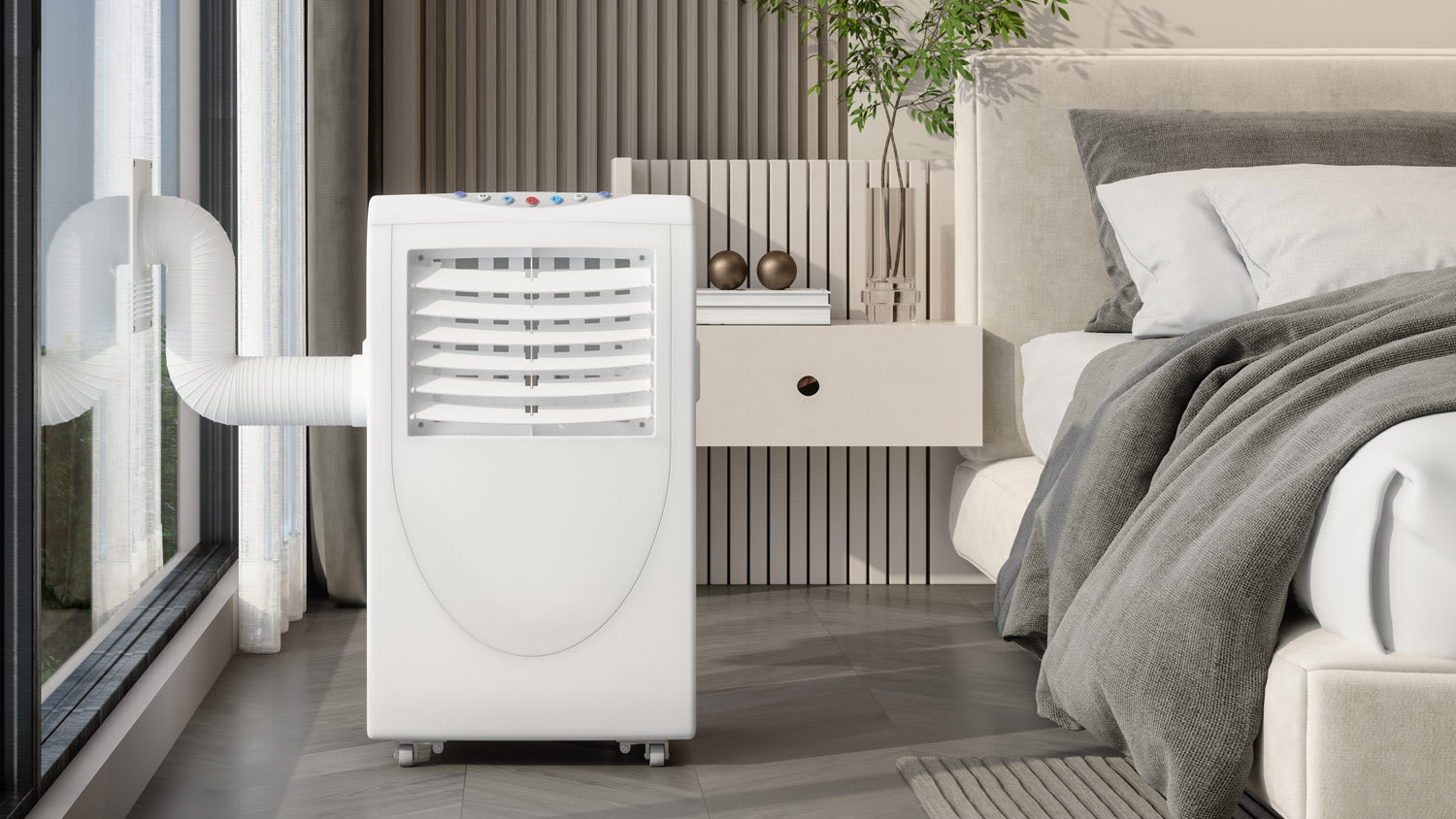
You’ll need to get creative if you want to run your portable AC in a windowless room. Here’s how to vent a portable air conditioner without a window.

Casement windows are beautiful but require special considerations when it comes to air conditioner units. Learn more about casement window air conditioners.
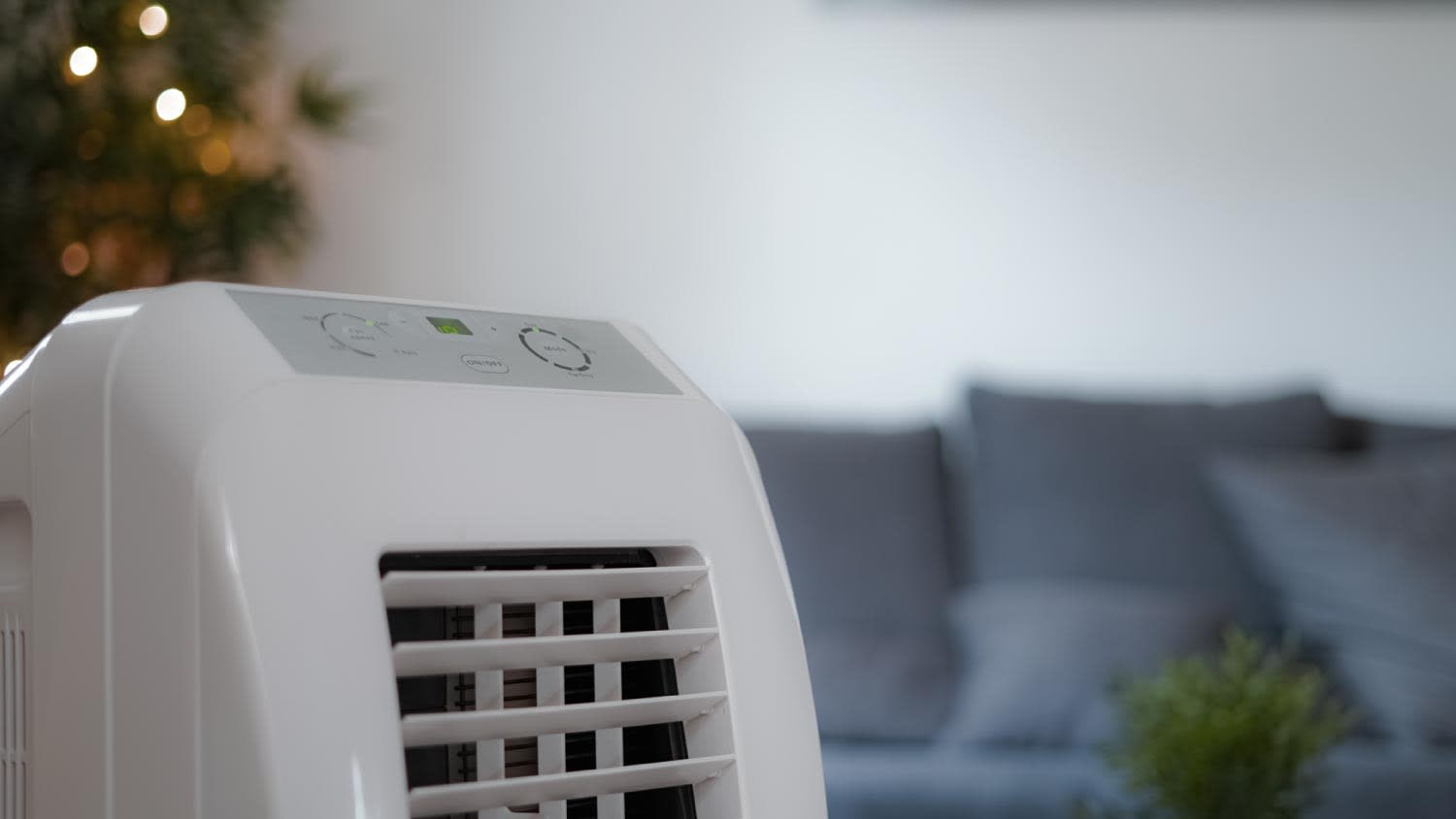
Portable air conditioners might sound like a dream, but are they really worth the money? Here’s everything you need to know about portable AC units.
How do portable air conditioners work? Like other types of AC units, they pull in and cool air, but they need a place to vent the exhaust. Learn more.
Choosing between a portable AC vs. swamp cooler comes down to energy efficiency, cooling preferences, and climate. Find out how these systems compare.