
•
Discover the average baseboard heater installation cost, including price ranges, key cost factors, and tips to help you budget for your home heating project.
Heating and air conditioning service costs depend on your project and location. Check with a local pro for your specific job.


Wall heater installation costs between $400 and $1,500, including your new unit and professional installation.
Your heater type and size shape total costs, electric installs simpler, gas units need safe venting.
You should budget for a dedicated electrical circuit, which adds $570 to $1,000 to your project.
Hiring a local heating and air conditioning professional reduces gas and electrical risks and ensures your installation meets code.
In 2026, the national average cost for wall heater installation is $980, with most homeowners spending between $400 and $1,500 for a new unit and professional installation. Heater type, unit size, and local labor rates account for the spread in that range.
Wall heater installation costs are shaped by several key variables, including the unit's size, heater type, labor requirements, and any add-on features you choose. Costs break down differently depending on which of these factors apply to your project.
Choosing the right wall heater size directly affects both comfort and what you spend, since units are rated by wattage or BTU output and priced accordingly across small, medium, and large capacities. Small units work well for bedrooms or offices, while medium and large models are better suited for living rooms and open spaces. Oversizing wastes energy and raises upfront costs, while an undersized unit will fall short of keeping your space comfortable. Costs vary by heater size and room coverage, as the table below shows.
| Heater Size | Room Size (Sq. Ft.) | Unit Cost in 2026 |
|---|---|---|
| Small | 100–150 | $75–$300 |
| Medium | 150–300 | $100–$700 |
| Large | 300–500 | $700–$1,000 |
The type of wall heater you choose shapes both your upfront investment and long-term operating costs, with electric models ranging from $400 to $1,200 and gas models from $500 to $1,400. Electric units are popular for their simpler installation and lower maintenance needs, though they can cost more to run in areas with high electricity rates, while gas models perform well in larger spaces but require proper venting and gas line work. Beyond these two main categories, subcategories such as hydronic, dual-fuel, vented, and ventless models each carry their own trade-offs: dual-fuel and high-efficiency options offer energy savings at a higher initial price, vented heaters improve safety by directing exhaust outside but add installation complexity, and recessed models demand more labor and wall modification than surface-mounted units. Costs vary by heater type, as the table below shows.
| Wall Heater Type | Total Cost in 2026 |
|---|---|
| Electric | $400–$1,200 |
| Gas | $500–$1,400 |
Licensed HVAC technicians handle wall heater installation at hourly rates of $60 to $150, with minimum service fees of $75 to $150, and projects that require a gas line upgrades cost up to $820 more while adding a new dedicated circuit averages $570 to $1,000. Labor runs higher in metropolitan areas due to stricter codes and elevated permit costs, while rural locations may offer lower rates but can add travel fees. Installations in basements, garages, or other hard-to-reach areas typically cost more than straightforward living room placements because of the added complexity involved.
- Ventilation installation or modification
- Site preparation
- Post-installation cleanup and debris hauling
Most municipalities require permits for new wall heater installations, particularly for gas units, and permit fees vary based on your location and the specific scope of the work. Inspections are often mandatory, and follow-up visits to confirm code compliance can add to the total permit cost.
Adding features such as programmable thermostats or smart thermostats increases your upfront costs, though high-efficiency and smart models can offset that investment over time through lower energy bills.
Beyond the base installation price, a few ongoing expenses can affect your total wall heater costs over time, including energy use, routine maintenance, and occasional repairs.
Monthly and annual energy costs depend on your heater type, local energy rates, and how often you run the unit. Electric wall heaters tend to carry higher operating costs in areas with elevated electricity prices, while gas models generally cost less to run but require regular safety inspections.
Routine maintenance, including cleaning, filter changes, and safety inspections, helps extend your wall heater's lifespan and prevents larger problems down the road. Common repairs such as replacing a thermostat or heating element typically run $100 to $300.
When your wall heater stops working, you'll need to decide whether to repair or replace it. This choice has a big impact on your overall costs.
Wall heater repair costs range from $50 to $800, depending on the issue. Minor issues such as thermostat malfunctions or worn-out elements can be repaired. If your wall heater is old, inefficient, or has major failures, replacement is more cost-effective. Warranty coverage may also influence your decision, if parts are covered, repair makes sense. If repair costs exceed 50% of the replacement cost, it's best to invest in a new unit for better efficiency and reliability.
Some homeowners consider handling wall heater installation themselves to save money, but the process involves more than mounting a unit to the wall. Electrical or gas connections, code compliance, and safety requirements make this a project where hiring a local HVAC technician delivers better results and greater peace of mind.
In addition to purchasing the wall heater, DIYers should expect to spend more on purchasing other necessary materials and tools, such as a drill, level, wiring equipment, and safety gear. On paper, you avoid labor fees, but the savings can shrink once you factor in tool purchases, permit costs, and potential delays from mistakes or rework.
Certified HVAC or electrical contractors bring specialized training, licensing, and the right equipment to complete the job safely and in compliance with local codes. A pro can finish the work in less time, troubleshoot unforeseen issues, and ensure connections are secure—whether they involve electrical wiring or gas lines. Professional installation also protects your warranty, reduces the risk of hazards like gas leaks or electrical fires, and prevents costly code violations. In many regions, regulations require a professional to complete the installation.
Wall heater installation can offer a solid return on investment, especially if you upgrade from an outdated or inefficient system. Installing a new wall heater can provide returns on your investment through improved energy efficiency, comfort, and home appeal. Energy-efficient models are particularly attractive to buyers.
New wall heaters can increase safety and ensure code compliance, especially for older homes. They enhance energy efficiency, reduce monthly bills, and improve year-round comfort. Modern features like smart controls and enhanced safety also boost long-term value. Aesthetic upgrades and integration with smart home systems can further increase your home's appeal and functionality.
Debating whether to install wall or baseboard heaters? According to Angi data, nearly 68% of customers requested installing baseboard heaters, while 32% wanted to add wall heaters. Consult a local HVAC technician to determine the best option for your home.
Here are some ways to save on your wall heater installation costs to help maximize the value of your investment:
Shop for energy-efficient models to lower long-term costs.
Get multiple quotes from licensed professionals.
Schedule installation during off-peak seasons for potential discounts.
Handle old heater removal or site prep yourself, if safe.
Choose standard models over custom or high-end units.
Bundle installation with other home projects to save on labor.
Home is the most important place on earth, which is why Angi has helped more than 150 million homeowners transform their houses into homes they adore. To help homeowners with their next project, Angi provides readers with the most accurate cost data and upholds strict editorial standards. We extensively research project costs to develop the pricing data you see, so you can make the best decisions for you and your home. We rely on reputable sources, including the U.S. Bureau of Labor Statistics, academic journals, market studies, and interviews with industry experts—all to ensure our prices reflect real-world projects.
Want to help us improve our cost data? Send us a recent project quote to [email protected]. Quotes and personal information will not be shared publicly.
I have used Columbus Worthington Air for years and recommend them whenever I have a chance. The staff is quick, courteous, and well-trained.
 ARS Columbus Worthington Air
If you’re good people wanting to do business with good people, hire Matt. He is a consummate professional and utterly competent. He installed a water heater in my home at a price that beat competitors by hundreds of dollars with a promise to support the unit for its life (even after its 6 yr...
 Greene's Plumbing Services
Corey Carr was great. I had damage from a recent storm and needed to have my mast and other components replaced. The project entailed coordinating with AEP, and Corey helped make a stressful situation a lot less stressful. I really appreciated his dedication to service and the job very well done.
 Mr. Electric of Columbus
This service was great. My air conditioner went out during the heat spell that we had. My husband has health issues and they came out that night and at 9:30pm the air conditioner was fixed and running. We are sooo very thankful, this is the company I will be using from now on and would...
 Mr. Mechanical Ohio
Great company! Price was competitive, technician showed up on time and completed the job (exterior electric Radon fan replacement) quickly. Would hire them again.
 MaGen Property Inspections and Radon Mitigation
Raven and crew does absolutely fantastic job. They are very professional if any concerns were to occur with any of her work she always took responsibility and finished out with a great job. I have worked with her business for a year and have always been satisfied. Very trusted business and...
 Creations of Transformation LLC
I would recommend this company to anyone! He showed up on time, was friendly, completed a very difficult repair on our dryer vent cover, was responsive, and pricing was extremely fair and competitive. I would have him back to do any of our repairs or cleanings without hesitation!
 U.S.A. Dryer Vent, LLC
Ace Fireplace Services' chimney sweep service is truly exceptional. They used advanced technology to ensure a thorough cleaning process, and my chimney has never looked better. I highly recommend their services.
 Ace Fireplace Services
The technician was very professional and friendly. He answered all my questions and was very thorough. He left the fireplace area very clean . He inspected from the roof and advised me as to other work that might need to be done. There was no pressure there. I was very satisfied with the...
 Supreme brick & chimney
On time, clean and finished fast. Windows seem sturdy and the finish is good. Caulking was done with no smudges. Would recommend.
 Window Depot USA of Central Ohio
From average costs to expert advice, get all the answers you need to get your job done.
Discover the average baseboard heater installation cost, including price ranges, key cost factors, and tips to help you budget for your home heating project.
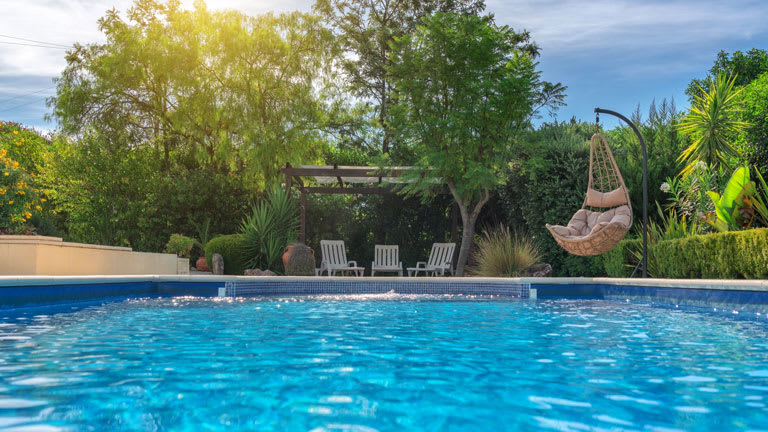
Installing a pool heater ensures that your pool gets used as much as possible, but is the pool heater cost worth it? Let’s find out.
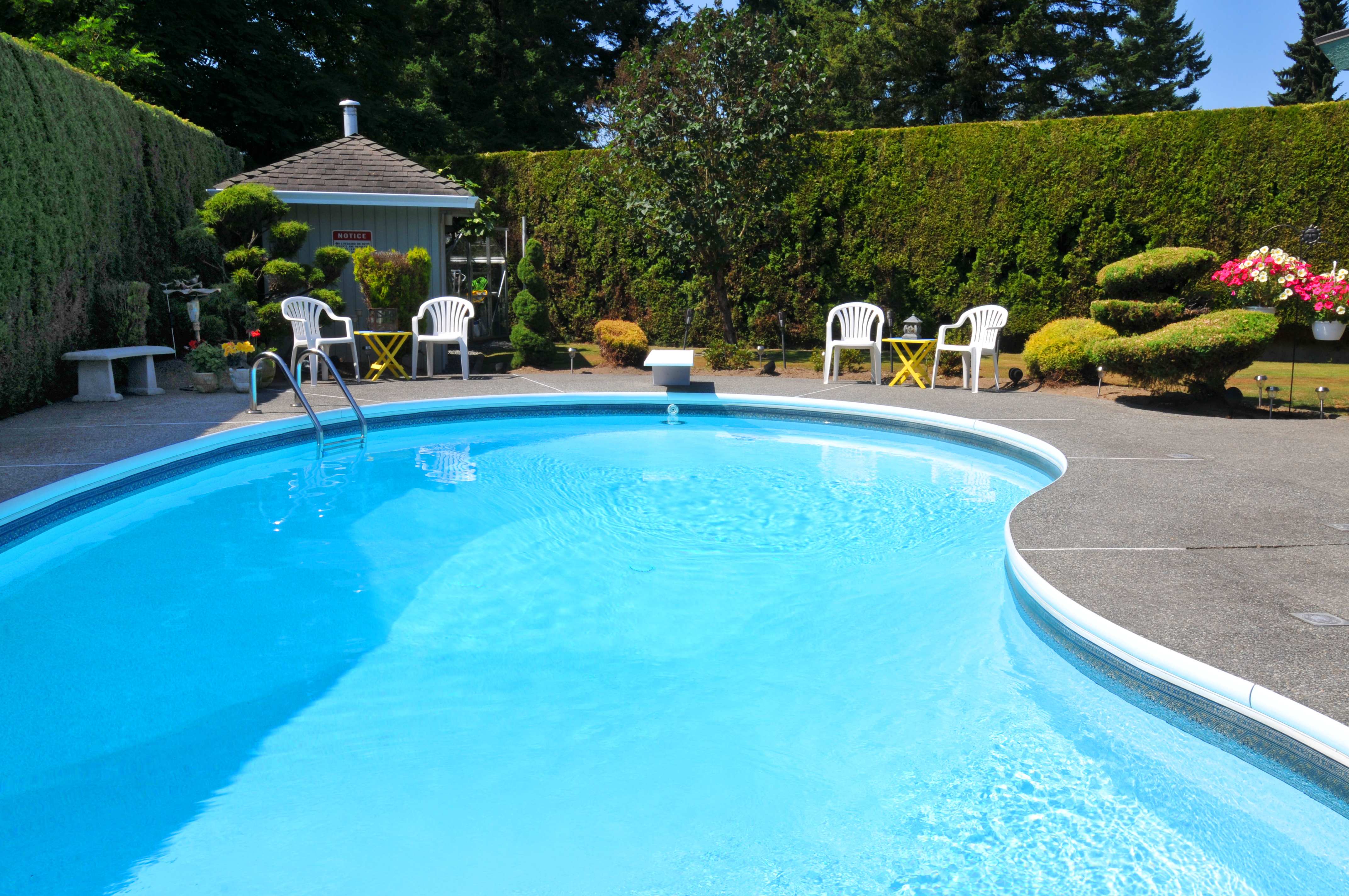
Discover the cost to install a solar pool heater, including average prices, key cost factors, and tips to save on your project.
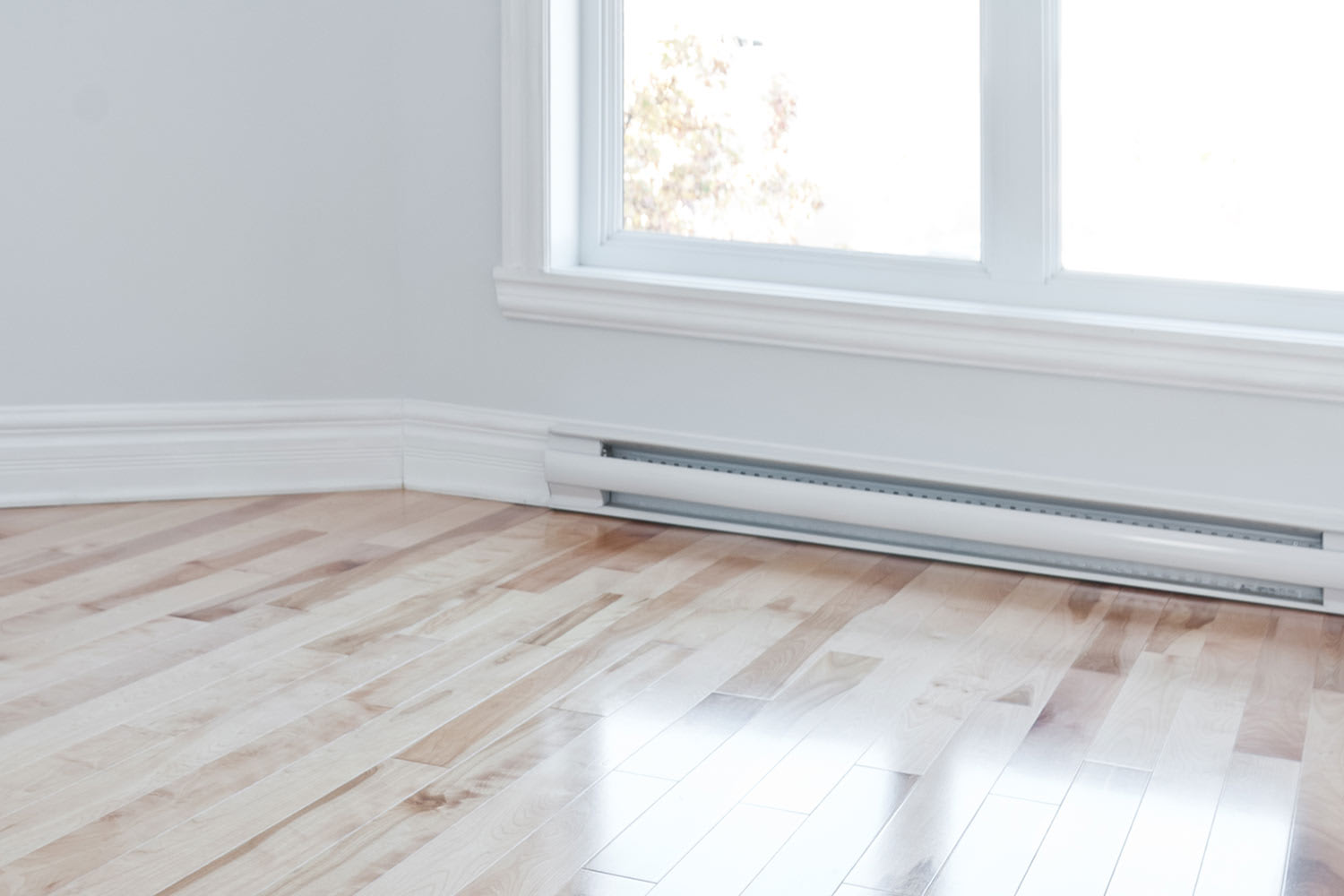
Not sure who to hire for baseboard or wall heater installation? Learn when to call an electrician, HVAC tech, or plumber, and see how pros install them.
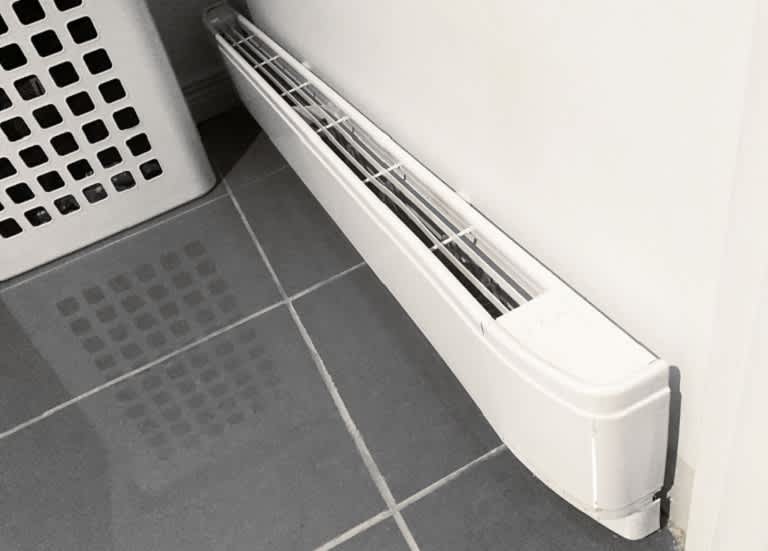
Learn how to hire a qualified electrician or HVAC technician for baseboard or wall heater installation. Find the right pro with our expert hiring guide.
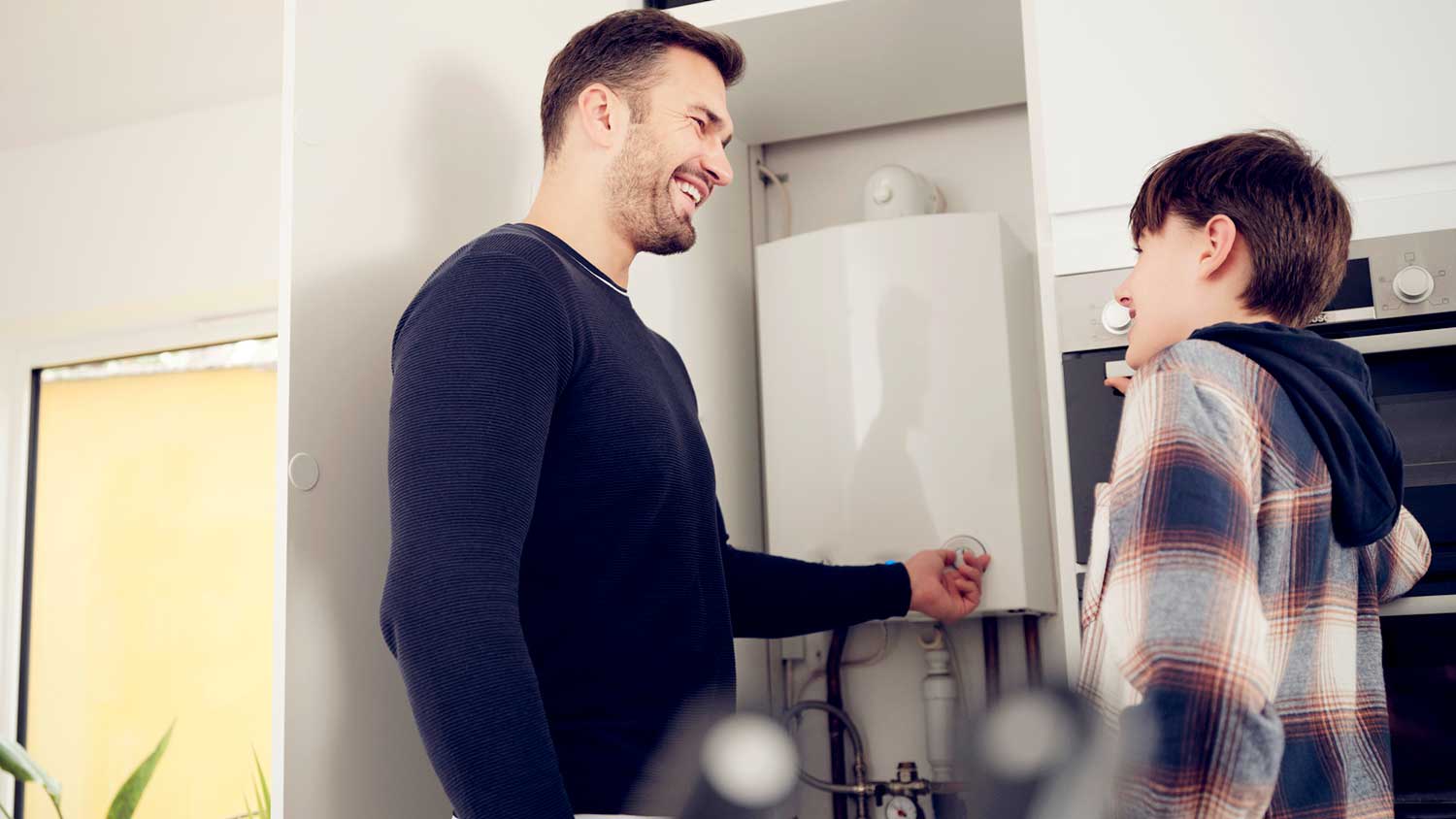
Who can install a water heater for you? Look to hire a water heater installation pro or a licensed plumber for this job because of the challenges involved.