
Has your area been affected by flooding? Use this water damage restoration checklist to help save your home and protect your belongings.
Help save our planet—and your savings account, too

Low-flow toilets help you conserve water at home by using 1.6 gallons or less per flush compared to older models using up to 7 gallons.
New toilet installation costs $120 to $820 on average, making upgrades an investment that reduces your water bill while improving efficiency over time.
You can save up to 5 gallons per shower by cutting your daily shower time by just 2 minutes, reducing annual water use by 1,825 gallons.
Hiring a local plumbing repair professional helps you identify and fix hidden leaks quickly, preventing wasted water and keeping your bills under control.
Imagine this: Your water bill comes in the mail, and instead of groaning when you see the numbers after that dollar sign, you jump for joy. While this may sound like a faraway dream, you can save money and lower your water bill with a few simple tricks. Check out these nine ways to conserve water and start saving.

Toilets can be major water users. A new toilet installation costs anywhere from $120 to $820 on average. If you’re wondering whether to replace your toilet, here are just a few common signs of an old, water-inefficient commode:
25 years or older
Needs frequent repairs
Clogs often
Overflows
Has a cracked bowl or pipe
But which toilet upgrades conserve the most water? According to the Environmental Protection Agency (EPA), look out for low-flow, dual-flush, or composting toilets.
These use 1.6 or fewer gallons of water for every flush compared to an older toilet, which might use closer to 7 gallons per flush, according to government wastewater standards. Low-flow toilets with the WaterSense logo also meet the EPA standards for water efficiency.
WaterSense is a water-efficiency program sponsored by the federal agency, which helps consumers find products that conserve the most water possible. Families can decrease their water use by as much as 20% to 60% if they switch to a WaterSense-labeled toilet. These savings are around $140 yearly on average.
Dual-flush toilets also come with an added feature for flushing fluids or solids, decreasing how much water you use based on your toilet contents. A WaterSense-labeled dual-flush toilet uses 1.28 gallons per flush, or a 20% decrease compared to a standard toilet.
Composting toilets work by using little or no water at all. Instead, they use sawdust, coconut coir, hemp stalks, or peat moss and a ventilation system to evaporate fluids rather than flush them away. Your composting toilet saves you up to 800 gallons of water per year.
Just like with low-flow toilets, low-flow faucets with the WaterSense label offer a quick and easy solution for decreasing how much water you use in your home. According to the EPA, you can expect a 30% water flow reduction from low-flow sinks alone. In gallons, you’ll save about 0.7 gallons per minute when you swap out old fixtures.
Say you have a relatively new toilet and don’t want to invest in another option. This doesn’t have to be a deal-breaker for your quest to conserve water. An inexpensive but effective trick to conserve toilet water and make your toilet more efficient is to place a bottle in your toilet tank.
Fill a plastic bottle with some pebbles, fill it to the top with water, and then insert the bottle into your toilet tank. Your toilet won’t use as much water to fill up, as the weight of the bottle will take up space at the bottom of your tank, potentially saving you up to half a gallon of water per flush or 10 gallons of water per day.
Leaks are silent but costly when it comes to water bills. If your bills seem unusually high, it’s worth investigating to ensure you don’t have a leak. Some of the most common areas for leaks include:
Cracks in your toilets or pipes
Faucets or showers
Dishwashers or washing machines
Pump valves in a humidifier or water heater
Though some leaks are costlier initially, any leak will eventually waste water if left unattended. So don’t put off even the most minor drippy faucets. If, however, you’re not sure where there’s a leak in your home, it’s a good idea to hire a local plumber to inspect the house for signs of leaks.
Those hot, steamy showers can feel like the perfect way to wind down after a long day at work, but every minute you take a shower counts when you’re conserving water. According to the EPA, the average showerhead uses 2.5 gallons of water per minute (GPM).
Let’s say you take a shower for 10 minutes a day. If you cut your daily shower time by just 2 minutes, you’ll save around 5 gallons of water for every time you hop in the shower. That’s a reduction of 1,825 gallons a year.

The New Hampshire Department of Environmental Services states that the average flow rate for a sink faucet is 2.2 GPM to 2.5 GPM. Meanwhile, WaterSense-certified faucets use 1.5 GPM or less. So believe it or not, turning the tap off while you brush your teeth can save you up to 5 GPM a day. That’s another 1,825 gallons a year.
Much like having an old, outdated toilet, your home appliances can also be giant water guzzlers. Dishwashers and washing machines are two of the biggest culprits when it comes to water usage. Here’s how switching to a water-conserving appliance can save you money and water.
Washing machines: A high-efficiency ENERGY STAR-certified washing machine uses 33% less water than older models or ones that aren’t certified.
Dishwashers: A high-efficiency ENERGY STAR-certified dishwasher can save you up to 3,900 gallons of water throughout the appliance’s lifetime.
Bonus tip: Beyond swapping out your old appliances, you can also save water by only washing clothes and dishes when your appliances are full and determining if you need to rinse dishes before dish-washing.
Whether you hand-water or rely on a sprinkler system to keep your yard hydrated, lawn care is another area you can tweak to conserve water. The EPA says that up to 50% of outdoor water use ends up wasted. Switching to water-conserving practices can reduce that percentage.
Here are a few ways to lower your water usage when you care for your lawn:
Water your yard less frequently.
Upgrade your irrigation system.
Collect rainwater to water your gardens.
Keep your grass taller to help prevent water from evaporating on hotter days.
Having a stunning green yard often comes with a price: higher water bills. If you want to save on water bills but you’re worried about how ditching the evening watering will affect your green oasis, one thing you can do is swap out thirsty, non-native plants and replace them with native, drought-resistant plants.
Native plants thrive better than invasive ones. For example, Bermudagrass is popular for lawn grass, but it needs up to 1 to 1.25 inches of watering per week in the summer to stay green. By investing in plants that require less water, such as low-water xeriscapes, you can have that perfect lawn without the water use and the commitment needed for many non-native plants.
Positive experience. As previously stated, the replacement/repair could not be completed (no fault of the plumbing tech) b/c misinformation was rec?d by property management maintenance. Thanks to the plumbing tech for your efforts. Appreciate you!
 The Waterworks
If you want to pay the most exorbitant prices possible for your job, this is the company for you. “By the job” pricing is a rip-off, at least how these people use it. Every job is plugged into a category and prices are set by category. You might have a job that takes half an hour or one that...
 Benjamin Franklin Plumbing
Cole has been handling plumbing and general contracting for our four properties over the past three years, and he’s always done a great job. Most recently, he installed a sink and countertop in our retail store where none existed before, and it turned out exactly how we needed. He’s...
 ANB Renovations LLC
Matt is a consummate professional. The work turned out to be far more difficult than expected and rather than turn the job down, Matt rose to the occasion and completed a near impossible task. I can not recommend Greene's Plumbing Service more highly. On a scale of 1-5 I would give Matt a...
 Greene's Plumbing Service
Involved an extensive bathroom remodel, including removing tub & installing walk in shower, new drywall, custome tile work to ceiling, plumbing, etc. Overall, job was done on time and on budget. Nick & his team were very professional and had high attention to detail. Quality was great. Highly...
 Stamos Flooring and Remodeling LLC
Awesome company. Had a jacuzzi tub taken out and replaced with huge walk in shower with partial glass enclosure. Onyx to the ceiling with a decorative border, moved plumbing and installed hand held shower, new ceiling, flooring, and paint. Replaced window with glass block. Everything was done...
 Columbus Bath Design
The initial quoted price from a walk-through seemed high, but we discussed that the quote represented worst case scenario (re-wiring to two floors) and we were excited about the opportunity to have the work done in a timely manner with closing for fire safety reasons, etc. When the job was...
Initially, I called the Service People to have a leaking garbage disposal replaced. I had purchased a special deal through Angie's List: $79 for $200-worth of plumbing services. <br /> When I went to schedule the work, the earliest date I could get through Angie's List was after the upcoming...
This company did a very good job on the brick wall and it looks just amazing. The staff was always professional and was practically OCD on how the bricks were stacked and how they were laid. Although it took longer than expected, I am willing to sacrifice time over perfection anyday. The...
 My Handy Mate LLC Improvement & Remodeling
<p>I am so glad we called Rotor-Rooter. I was hesitant to call them because we usually prefer to give business to local providers. But when we had sewage back up in our basement on a Saturday evening, I had a hard time getting a hold of someone, not to mention the high weekend/evening rate...
 Roto-Rooter Plumbing & Water Cleanup
From average costs to expert advice, get all the answers you need to get your job done.
Has your area been affected by flooding? Use this water damage restoration checklist to help save your home and protect your belongings.
Water damage can lead to costly, inconvenient repairs, health risks, and more. Preventing water damage can be simple with these nine prevention tips.
What is a water filter and why do you need one? Here’s how they work and how to choose the best water filtration system for your home.
Safe drinking water is essential to a healthy household, but knowing which water treatment system to get can be an intimidating and confusing process. Check out these seven tips to help you get the right water treatment system for your home.

If you're concerned about the water quality at your home, it may be time to install a water purification system. Different types of water purification can offer different benefits for removing debris, particles, dirt, bacteria, and viruses from your water.
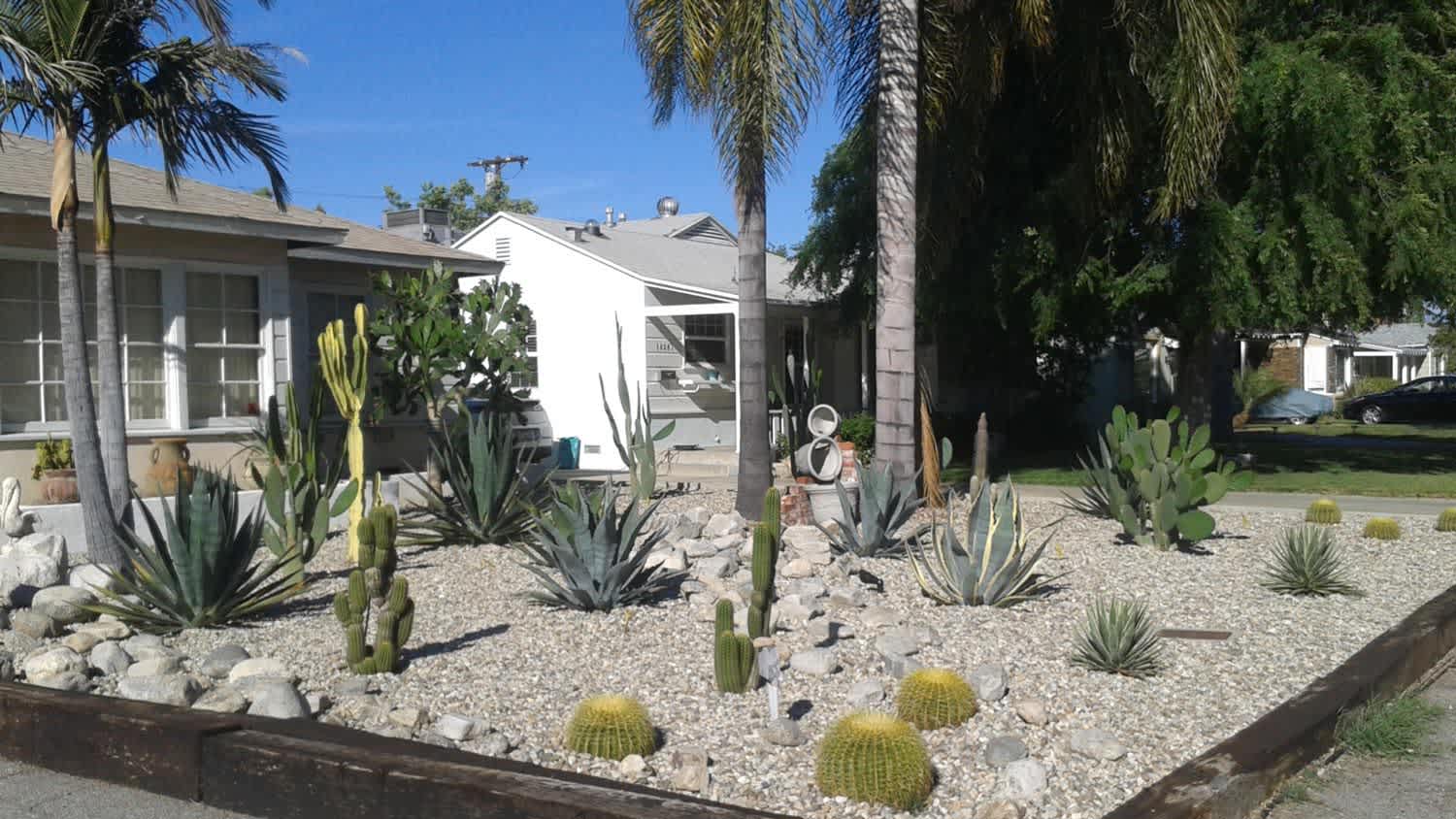
If you want to save money and help the environment, there are many ways to conserve water outdoors. These tips can help you start.