
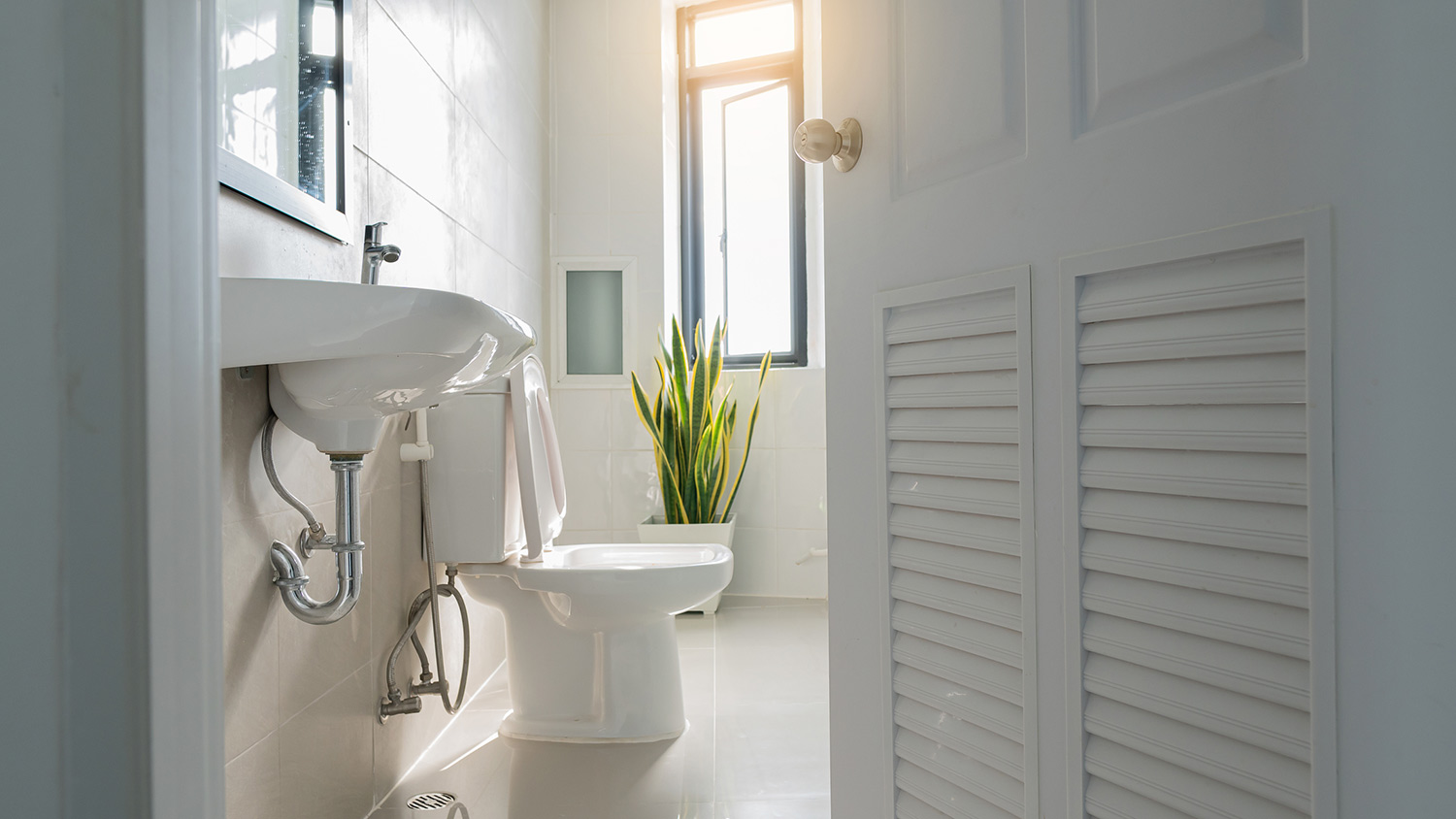
Everyone can relate to having toilet issues—we’ve all been there. There are several reasons why your toilet might need repairs, and the cost varies based on the damage.
It’s time to cross “fix the toilet” off your to-do list

Weak flush? Running water noises? Increased water bill? Chances are you have a running toilet—one of many common toilet problems that are easy to fix. Use this guide to learn how to repair a constantly running toilet and bring down those utility costs.
A running toilet happens when water constantly moves through it, even when it’s not in use. Aside from the sound of running water, you can tell you have a running toilet issue if you’re experiencing the following:
Having to hold the handle down for the toilet bowl to empty
Having to jiggle the handle to get it to stop running
The toilet randomly flushes on its own
Leaking water on the sides of the toilet
This plumbing issue has three causes: problems with the overflow pipe, the flush valve, or the fill valve.
Luckily, learning how to fix a running toilet is relatively easy, even without plumbing experience. However, if you aren’t careful, you can make the situation worse. If you’re feeling uncomfortable tackling this yourself, don’t risk it. Hiring a professional plumber now may save you money in the long run.
To shut off the water to the toilet, locate the shut-off valve behind the toilet. Turn the valve clockwise to shut it off.
The fill valve controls the amount of water going to your toilet from your house’s water supply. If this valve leaks, water will likely continue flowing into the toilet without stopping. Thankfully, each toilet has an overflow tube that redirects excess water, preventing your toilet from overflowing.
To see if a leaky fill valve is the culprit, lift the tank lid and look for debris and calcium buildup in the valves.
If you need to replace your fill valve and would like to install it yourself, follow these steps:
Collect a sponge, a wrench, and a bucket.
Empty the toilet tank by shutting off the water supply and flushing the toilet. Use your sponge to soak up any remaining water.
Install the new fill valve according to the manufacturer’s instructions.
Turn the water supply back on.
The float, or float cup, is attached to the fill valve and moves up and down on the tower to signal the fill valve to shut off when the tank's water level reaches the correct level. You can adjust the fill height by twisting the adjustment rod that moves the float up and down. The tank's water level should be about 1 inch below the top of the overflow tube.
If the flapper chain is too long or too short, it can cause problems with flushing. If it’s too short, it won’t allow the flapper to seal properly. If it’s too long, it won’t allow adequate time for a full flush and can become tangled. You can adjust the flapper chain by adjusting the link attached to the clip on the flushing lever.
The flapper is part of the flush valve system, which controls the flow of water by opening the flapper when the toilet is flushed and closing the flapper after flushing.
Inspect the flapper for signs of wear, tear, and debris buildup that may prevent it from fitting correctly inside the flush valve and potentially cause your toilet to run.
If you find debris buildup, clean the flapper using diluted vinegar. However, if there is visible wear, you may need to replace your toilet flapper.
Once everything is fixed and replaced, do a test flush. Leave the tank open to make sure everything is filling and draining. After flushing, wait about five to 10 minutes to monitor for any phantom flushing or continuously running water.
Fixing a running toilet is a relatively easy task. The more you know about how a toilet works, the easier this job is to tackle on your own. However, if this is your first attempt to fix a plumbing problem, this DIY might take longer since you’ll learn as you go.
The cost of repairing your toilet varies depending on the materials you need (a fill valve costs $8 to $10 and a flapper costs $5 to $10), your location, and whether you hire a professional. Hiring a plumber costs $45 to $150 per hour. Call at least three toilet repair pros in your area for estimates.
Paul F. P. Pogue contributed to this piece.
Positive experience. As previously stated, the replacement/repair could not be completed (no fault of the plumbing tech) b/c misinformation was rec?d by property management maintenance. Thanks to the plumbing tech for your efforts. Appreciate you!
 The Waterworks
If you want to pay the most exorbitant prices possible for your job, this is the company for you. “By the job” pricing is a rip-off, at least how these people use it. Every job is plugged into a category and prices are set by category. You might have a job that takes half an hour or one that...
 Benjamin Franklin Plumbing
Cole has been handling plumbing and general contracting for our four properties over the past three years, and he’s always done a great job. Most recently, he installed a sink and countertop in our retail store where none existed before, and it turned out exactly how we needed. He’s...
 ANB Renovations LLC
Matt is a consummate professional. The work turned out to be far more difficult than expected and rather than turn the job down, Matt rose to the occasion and completed a near impossible task. I can not recommend Greene's Plumbing Service more highly. On a scale of 1-5 I would give Matt a...
 Greene's Plumbing Service
Involved an extensive bathroom remodel, including removing tub & installing walk in shower, new drywall, custome tile work to ceiling, plumbing, etc. Overall, job was done on time and on budget. Nick & his team were very professional and had high attention to detail. Quality was great. Highly...
 Stamos Flooring and Remodeling LLC
Awesome company. Had a jacuzzi tub taken out and replaced with huge walk in shower with partial glass enclosure. Onyx to the ceiling with a decorative border, moved plumbing and installed hand held shower, new ceiling, flooring, and paint. Replaced window with glass block. Everything was done...
 Columbus Bath Design
The initial quoted price from a walk-through seemed high, but we discussed that the quote represented worst case scenario (re-wiring to two floors) and we were excited about the opportunity to have the work done in a timely manner with closing for fire safety reasons, etc. When the job was...
Initially, I called the Service People to have a leaking garbage disposal replaced. I had purchased a special deal through Angie's List: $79 for $200-worth of plumbing services. <br /> When I went to schedule the work, the earliest date I could get through Angie's List was after the upcoming...
This company did a very good job on the brick wall and it looks just amazing. The staff was always professional and was practically OCD on how the bricks were stacked and how they were laid. Although it took longer than expected, I am willing to sacrifice time over perfection anyday. The...
 My Handy Mate LLC Improvement & Remodeling
<p>I am so glad we called Rotor-Rooter. I was hesitant to call them because we usually prefer to give business to local providers. But when we had sewage back up in our basement on a Saturday evening, I had a hard time getting a hold of someone, not to mention the high weekend/evening rate...
 Roto-Rooter Plumbing & Water Cleanup
From average costs to expert advice, get all the answers you need to get your job done.
Everyone can relate to having toilet issues—we’ve all been there. There are several reasons why your toilet might need repairs, and the cost varies based on the damage.
When jiggling the handle doesn’t work, it’s not always clear how to solve a toilet problem. This guide offers tips to fix six common toilet problems homeowners face.
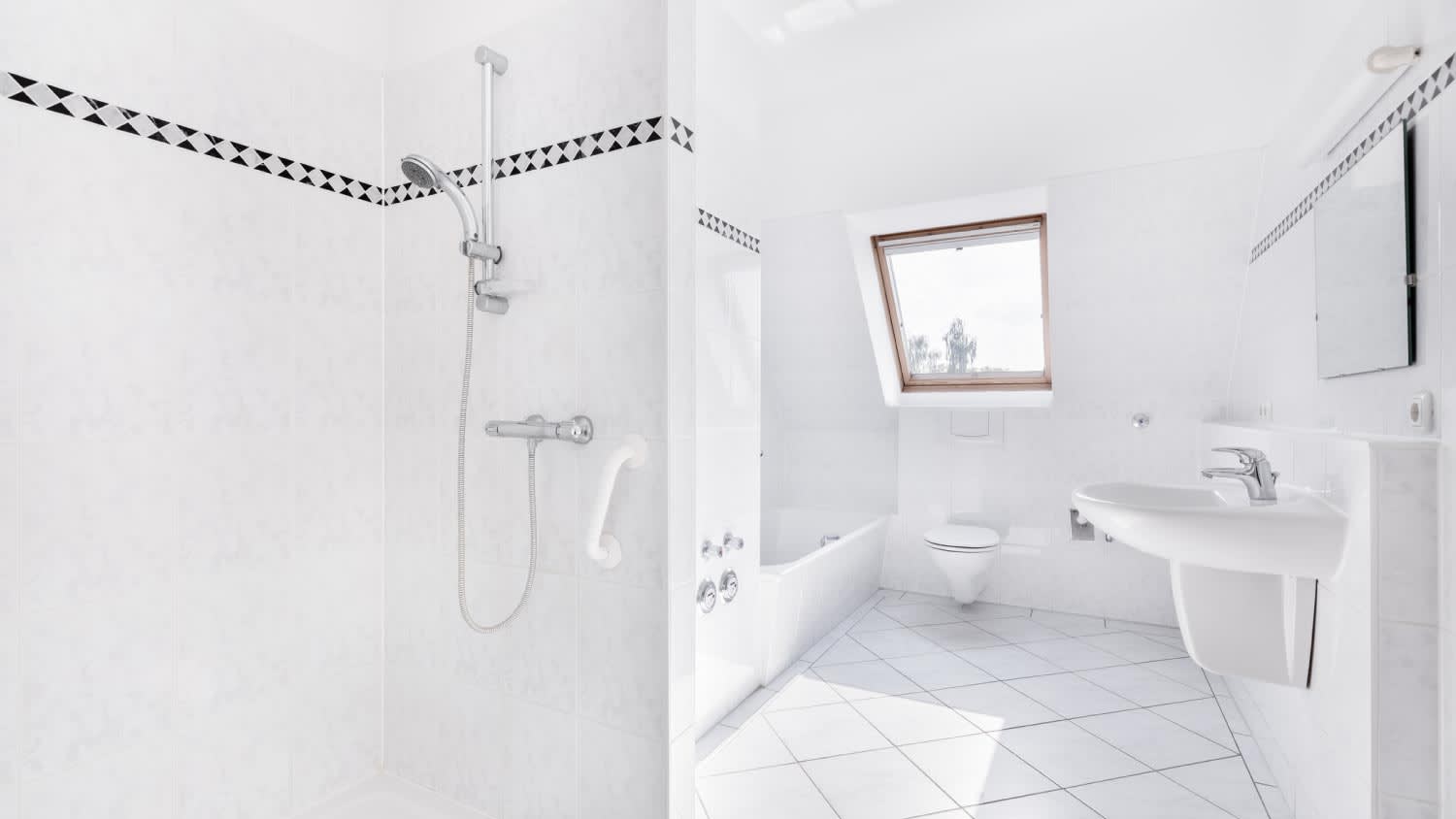
Does your toilet water rise and then slowly drain? Find out common reasons why this is happening and how to fix them to get your toilet up and running again.
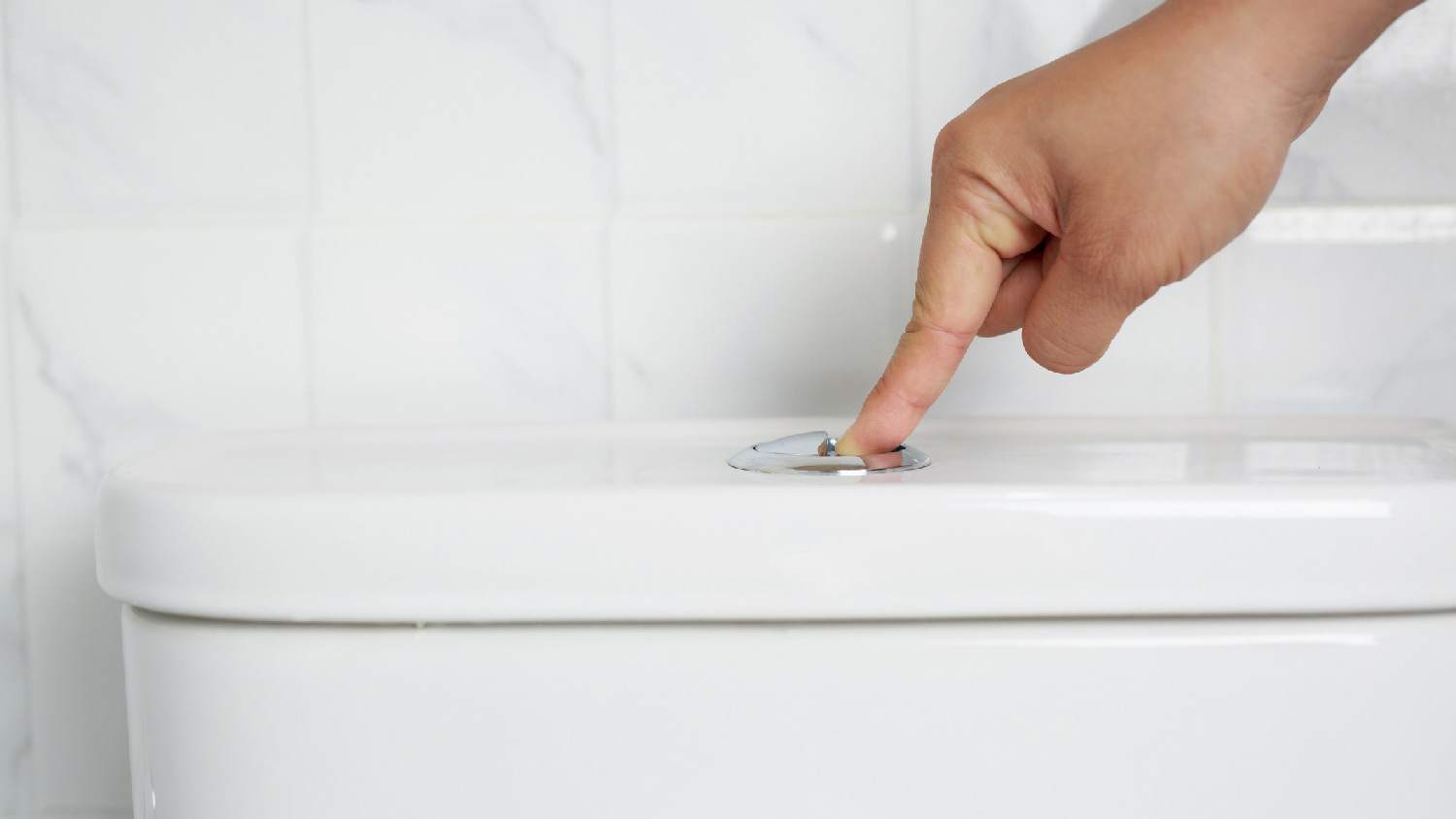
Learning about common toilet fill valve problems will help you understand whether it's something you can DIY or if it's better to call in a pro.
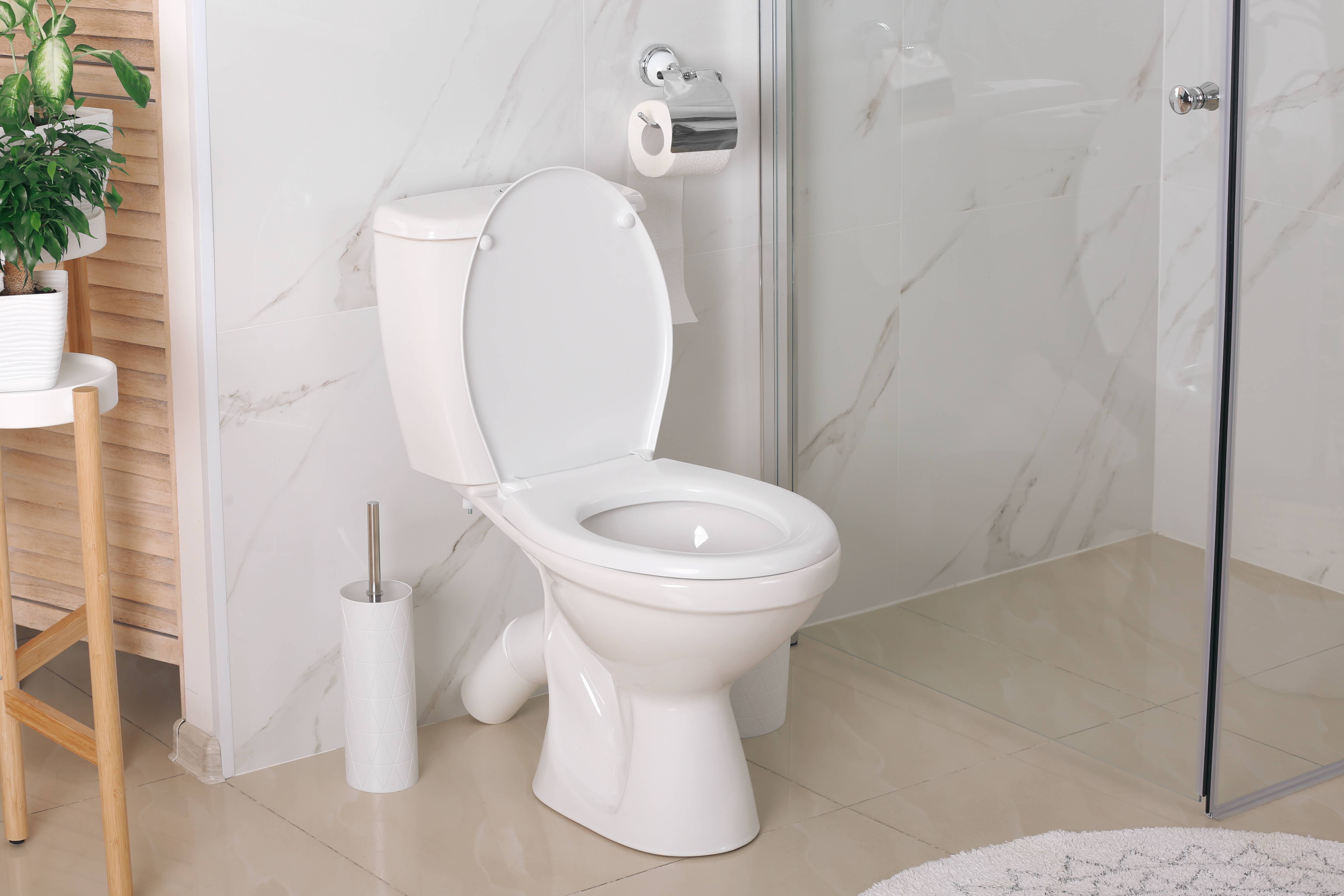
If your toilet isn't flushing properly or is overflowing, don’t panic. This guide explains how to adjust the water level in your toilet bowl.
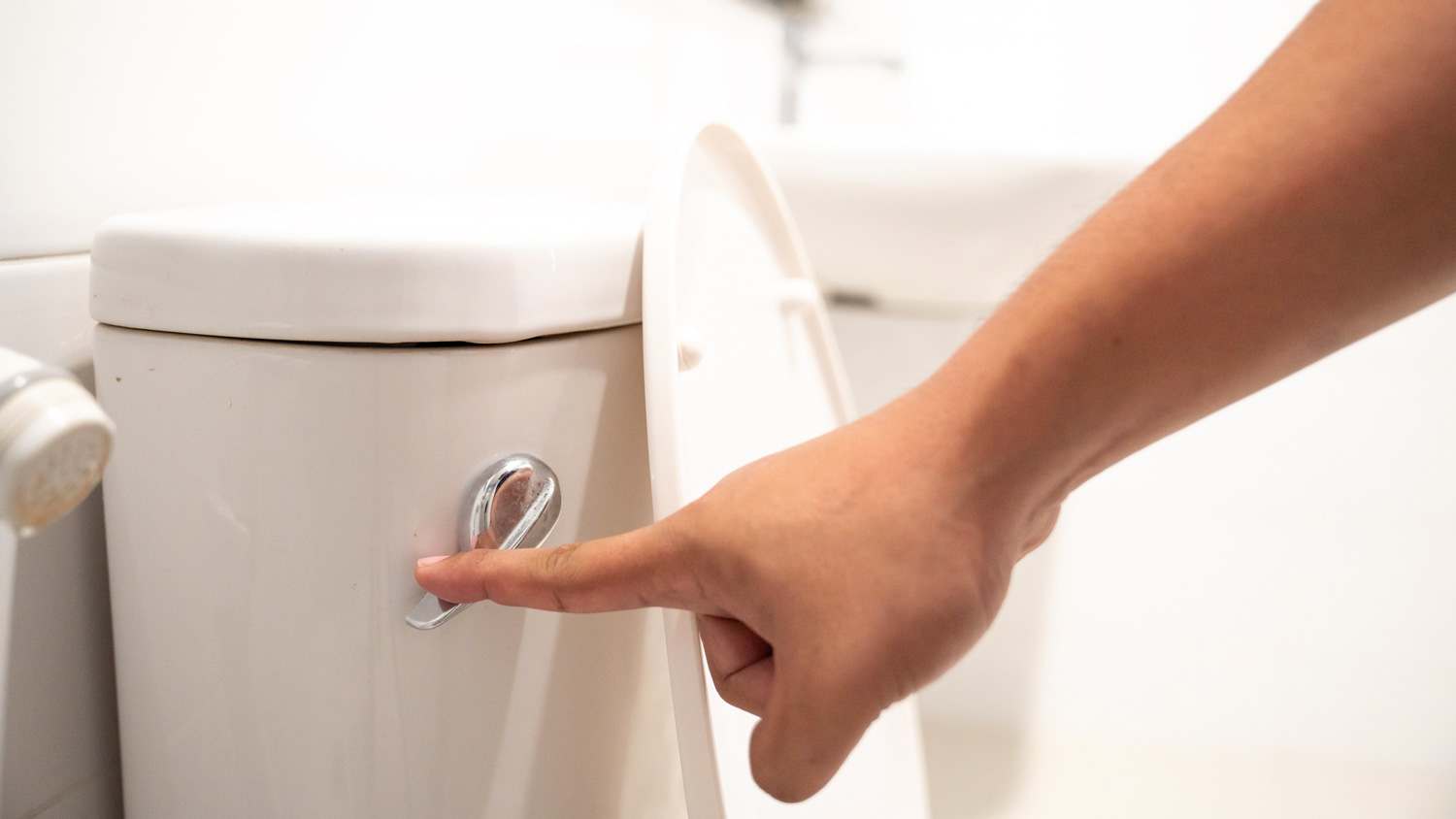
What does it mean when you have to hold the handle down to flush your toilet? Learn the common issues that cause this problem and what you can do about it.