
The cost to install a bathroom fan will vary based on multiple factors, including the bathroom size, how many fans you need, the type of fan, and more.
Vented bathroom fans keep moisture and odors at bay

Your bathroom exhaust fan venting options depend on your home's layout, with roof vents offering the most direct route and maximum airflow efficiency.
Professional installation costs range from $250 to $550, though complex setups can reach $900, so planning your vent route early helps manage expenses.
Venting through the roof, exterior wall, or soffit removes moisture outdoors, while recirculating fans filter air back inside when exterior venting isn't possible.
Hiring a local bathroom fan installation professional ensures proper vent placement and tight seals, preventing roof leaks and moisture problems in your home.
Bathroom fans remove moisture from the room after showers and baths and clear the occasional unpleasant odor. You don’t want to install a fan just anywhere, though. Instead, it's best to optimize the location for proper venting. The six best bathroom exhaust fan venting options are through the roof, exterior wall, soffit, HVAC ductwork, attic, or recirculating through a filter and back into the bathroom. Here’s what to know about each one.

The most popular venting option for a bathroom exhaust fan is a pipe extending vertically through the roof. This choice only works on home designs that allow a straight vertical pipe with no bends. It's the most efficient means of pulling moisture out with the least chance of moisture re-entering the home.
You need extremely tight seals where the vent exits the roof to prevent leaks from rain. However, a professional can do this installation easily and correctly for you to eliminate the chance of leaks.
| Pros | Cons |
|---|---|
| Best overall option | Must cut into roof |
| Most direct route | Tough DIY install |
| Maximum airflow | Needs tight seals |
Best for: Those who want the most effective bathroom exhaust fan venting option

If your bathroom has an exterior wall, going directly through the wall with the vent may be the best option because it’s the shortest route. You will have to cut into the siding on the side of the house, which can be tricky. Some people may not like the look of a vent on the home’s side, either.
Never install the bathroom exhaust vent into the garage, because the fan will struggle to pull in fresh air. You need to vent outdoors with this solution.
| Pros | Cons |
|---|---|
| Often shortest route | Needs exterior wall |
| Wall-hung fan option | Puts hole in siding |
| Ideal for first floor | Don’t vent in garage |
Best for: First-floor or basement bathrooms in multi-story homes
If you cannot go through the roof or wall, you can vent the fan from the bathroom through the soffit under the eaves. Going under the soffit may be the most direct route if you are venting a second-story bathroom. Some people like hiding the vent under the soffit, rather than having it visible on the roof or exterior wall.
You must be careful that the bathroom exhaust fan vent is not near a soffit vent. The humidity that’s leaving the bathroom could come right back into the home through the soffit vents that ventilate the attic. For this reason, some local building codes do not allow venting through the soffit.
| Pros | Cons |
|---|---|
| Hidden under eaves | Pipe must bend |
| Won’t cut into roof | May not fit codes |
| May be a shorter route | Avoid soffit vents |
Best for: Second-story bathroom with an exterior wall

If you have a bathroom in the interior of the home that has no easy path for venting the fan outdoors, you could tie the fan exhaust into your home’s HVAC ductwork.
One drawback to this design is that the moisture from the bathroom ends up in the ductwork, so some of it stays in your home, although it’s spread throughout the home. If you don’t have easy access to your ducts near the bathroom, you may have to do quite a bit of tearing into walls or ceilings to make the connection.
| Pros | Cons |
|---|---|
| Fits interior rooms | Not as efficient |
| No exterior holes | Humidity not vented |
| Uses in-place ducts | Must cut into ducts |
Best for: First-floor or basement bathrooms in the interior of the home

If you have no other options for ventilating your bathroom exhaust fan, you can likely put the exhaust into the attic. This option may work if you have a large attic with a significant flow of air through it.
However, because the moisture from the bathroom remains trapped in the attic, rather than exiting the home, this option is a last resort. You could end up with high humidity inside the home from this excess moisture, leading to increased AC bills. Some local building codes prohibit venting your bathroom fan into the attic.
| Pros | Cons |
|---|---|
| Easy to install | Traps the moisture |
| No hole in roof | Higher power bills |
| Uses attic airflow | Susceptible to mold |
Best for: Homes with a large, well-ventilated attic and no other venting options

A recirculating bathroom fan is worth considering when you simply have no other venting option. This fan uses a charcoal filter to pull odors and some humidity from the air before recirculating the air back into the bathroom. You must replace the filter every few months to ensure proper operation.
Ultimately, it doesn’t remove moisture as efficiently as other venting options. Additionally, some designs of this large type of fan hang noticeably downward from the ceiling.
| Pros | Cons |
|---|---|
| No vent pipe needed | Moisture remains |
| Uses charcoal filter | Must change filter |
| Removes odors well | Large profile |
Best for: Homes with no other venting options
Installing a bathroom exhaust fan yourself—and properly venting it—is a difficult DIY job.
You'll start by planning the route for the exhaust. Where do bathroom vents go to make venting easier? Look for a spot that gives you a clear vertical path to the roof.
You also need to figure out how to choose a bathroom fan. The fan you select will depend largely on the bathroom exhaust fan venting options and the airflow level you need. A longer vent pipe requires a more powerful fan.
If you don't feel comfortable climbing on the roof, cutting through the ceiling and roof deck, and wiring the fan, consider hiring a pro for the work. In addition to finding the perfect spot for the fan, the pro can suggest the right type of fan.
A local bathroom fan installation pro is the best person to hire to install a bathroom exhaust fan. These techs can do the entire job for you, including cutting through the roof deck, connecting the fan to power, and avoiding leaks.
Most people will pay about $250 to $550 on the cost to install a bathroom fan, but some installations could cost as much as $900. Keep in mind that you should also budget for ongoing maintenance to keep the air flowing well. You can reach out to an air duct cleaning company near you to keep your bathroom exhaust fans running smoothly.
This service was great. My air conditioner went out during the heat spell that we had. My husband has health issues and they came out that night and at 9:30pm the air conditioner was fixed and running. We are sooo very thankful, this is the company I will be using from now on and would...
 Mr. Mechanical Ohio
I had FabClean 614 clean my apartment, and she did an outstanding job. She was so professional and efficient. My apartment looks absolutely spotless every surface, every corner, all cleaned to perfection. Definitely highly recommend FabClean 614 if you're looking for top-notch cleaning...
 Fab Clean 614
I would recommend this company to anyone! He showed up on time, was friendly, completed a very difficult repair on our dryer vent cover, was responsive, and pricing was extremely fair and competitive. I would have him back to do any of our repairs or cleanings without hesitation!
 U.S.A. Dryer Vent, LLC
Best cleaning I've had at my property
Fantastic group, very communicative, and they really did a great job cleaning my condo. Will be hiring them for recurring cleaning!
 eMaids of Northern Columbus
Ace Fireplace Services' chimney sweep service is truly exceptional. They used advanced technology to ensure a thorough cleaning process, and my chimney has never looked better. I highly recommend their services.
 Ace Fireplace Services
100% satisfied with the work done by Supreme Brick & Chimney. Josh responded to my Angi request very quickly and squeezed our house into his schedule only a couple business days out. The chimney cleaning process was extremely clean with ZERO dirt going anywhere besides in Josh's vacuum. Very...
 Supreme brick & chimney
Excellent the crew was great did what I ask cleaned up and the price was awesome
 All Star Paving and Sealing
I definitely recommend Ramonaâ s cleaning service! I have booked services with her many times and she arrives on time, ready to work and provides a great service.
 Your Cleaning Solutions LLC
Mary Cleaning Service is fantastic! The entire team is professional and pay a great deal of attention to detail. They do such a thorough job of cleaning my house. I would definitely recommend!
From average costs to expert advice, get all the answers you need to get your job done.
The cost to install a bathroom fan will vary based on multiple factors, including the bathroom size, how many fans you need, the type of fan, and more.
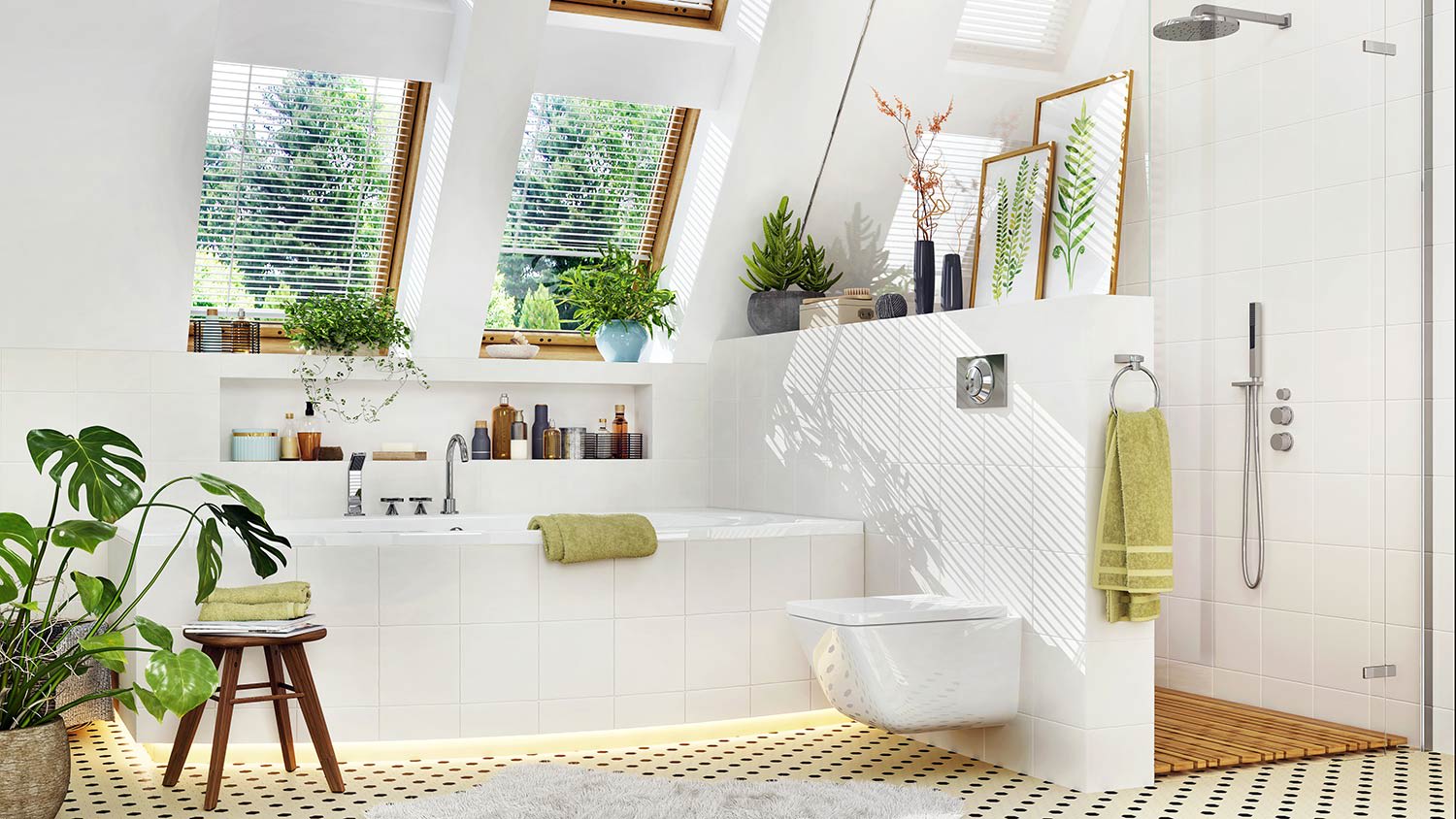
Exhaust fans push moisture and humidity from your bathroom while keeping the air fresh. There are a variety of fans to choose from with extras to make them more useful. To understand how to choose a bathroom fan, check out our helpful guide.

If you’re wondering who installs bathroom exhaust fans, you can call several different types of pros, or do it yourself, depending on your needs.
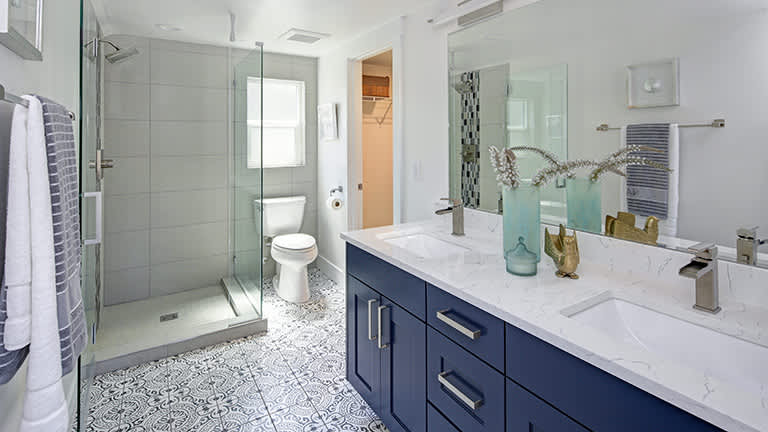
You may be wondering, who installs bathroom exhaust fans when they’re on their last leg. Using this guide, you’ll understand how an electrician or journeyperson will help you out and how to hire the one that gets the job done timely and right.

Kitchen exhaust fans improve indoor air quality. Learn more about how these ducted and ductless motorized devices work and why your kitchen should have one.

Ever wonder what an exhaust fan is and if they’re necessary in the home? Learn the importance of exhaust fans for keeping your home safe and comfortable.