

Considering a heat pump to reduce monthly heating and cooling bills? Find out geothermal heat pump costs based on system type, capacity, and other factors.
Geothermal heating and cooling systems are efficient, environmentally friendly, and could save you money in the long run

Geothermal energy benefits your home with high efficiency, delivering up to six times more heat than the electricity consumed while lowering your carbon footprint.
Expect to pay $10,000 to $40,000 or more for geothermal system installation, with costs varying based on your property's soil conditions and system type.
Your geothermal heat pump lasts around 24 years, nearly double the lifespan of standard HVAC systems, with underground components lasting up to 50 years.
Hiring a local HVAC company provides expert guidance on system sizing and soil assessment, keeping installation smooth and customized for your property's unique conditions.
If you’ve spent some time looking up heating options for your home, then you likely know that geothermal heating and cooling is more costly than traditional HVAC systems. While geothermal systems cost approximately 30% to 40% more than their traditional competitors, there are plenty of reasons why that higher upfront cost is worth your while.
In fact, once you get past the upfront expenses that come with a geothermal heat pump (GHP), you’ll find that the following 11 benefits are likely to make geothermal heating a must-have when it comes time to upgrade the HVAC equipment in your home.

In some climates and scenarios, GHPs perform at a 6-to-1 ratio, meaning they deliver six times the heat for every one unit of electricity consumed. In other words, your pump system might decrease the energy consumed in your home by 25% to 50% compared to an air system. High efficiency means lower operational costs and a lower carbon footprint.
Another benefit of geothermal heating and cooling is that it can boost your potential for energy savings even more by adding a desuperheater to your GHP. The add-on component is particularly adept at taking extra energy often available in summer (when the GHP uses the ground as a heat sink) and using it to heat water for your home.
Another perk is that owning a geothermal pump means you’re eligible for geothermal tax credits. This federal tax credit is for renewable energy systems. According to ENERGY STAR, systems installed through Dec. 31, 2022 receive a 26% tax credit. This changes to 22% from Jan. 1, 2023, through Dec. 31, 2023.
Once you’ve paid off the upfront costs of a geothermal system, you no longer need to pay for fossil fuels like you would with a traditional HVAC unit. Your utility bills can decrease up to 70% because of these energy savings. This, plus the potential water and tax credit savings means you could save more money than you think by investing in the upfront costs of your geothermal heating and cooling system.
GHPs use free, renewable energy sourced from under the ground on your property instead of relying on flammable fossil fuel energy. There are no combustion gasses, toxic fumes or carbon monoxide poisoning, or risks for explosions. As a result, the safety of your home increases.
A geothermal pump doesn't burn fossil fuels, sources renewable energy from the ground’s natural heat, and consumes little electricity to power the pump that moves heat energy into and out of the house. This makes GHPs very environmentally friendly heating and cooling systems.
If you’re sensitive to noisy appliances, you’ll find your new geothermal pump is a great option for your home. GHPs don't require the installation of a noisy outdoor condensing unit that's standard for central air conditioning, making them much quieter.
Compared to the average life cycle of standard heating and cooling systems, which rests around 13 to 15 years, GHPs last about 24 years, and the underground looping components last even longer: up to 50 years. With an extended service life, you'll get more bang for your buck when you invest in geothermal heating and cooling.
For asthma and allergy sufferers, owning a GHP can mean the difference between a more comfortable indoor environment. Air purification and optimal dehumidification are two of the primary benefits GHPs deliver. Geothermal pumps don't require the influx of outdoor air ventilation to supply energy, so there's less exposure to outdoor pollutants.
Another benefit is that the low but continuous cycling of the air handler in your geothermal unit encourages even distribution of heated and cooled air. This further boosts home comfort by doing away with the cold and hot zones homeowners commonly experience with forced-air heating and cooling systems.
While thermal capacity and soil conditions may vary from state to state, several geothermal system types exist to suit the conditions of your lot. Horizontal loops accommodate shallow thermal transfer, whereas vertical loops accommodate small lots.
Meanwhile, water-source systems also take advantage of well, lake, or pond energy sources if your home is better suited to those options.
As you can see, there are many benefits to geothermal heating and cooling systems. But as with any major decision for your home, be sure to talk with an HVAC company to decide what’s best for you.
While there are a number of benefits to geothermal heating and cooling, there are other considerations which may impact your choice, including:
Higher upfront costs: While the cost varies significantly, you can expect to pay several thousand up front and thousands of dollars over the span of the entire conversion project.
Requires expert installation: Unfortunately, installing geothermal heating and cooling isn’t a DIY project and requires expert installation performed by qualified technicians.
Geothermal heat pumps must be customized: Each heat pump requires complete customization based on your home’s soil quality, size, and other unique factors.
Heat pumps require electricity: The heat pumps require electricity for operation, so you will still have a power bill. While your electricity costs should still decrease, you won’t be able to get 100% off the grid.
As mentioned, installing geothermal heating and cooling is highly technical and unique to your home, which contributes to the overall cost and complexity of getting it installed. It can range anywhere from $10,000 to $40,000 or more. The best course of action is to contact local professionals with experience in your area and hire a local geothermal pro you’re most comfortable with.
I have used Columbus Worthington Air for years and recommend them whenever I have a chance. The staff is quick, courteous, and well-trained.
 ARS Columbus Worthington Air
If you’re good people wanting to do business with good people, hire Matt. He is a consummate professional and utterly competent. He installed a water heater in my home at a price that beat competitors by hundreds of dollars with a promise to support the unit for its life (even after its 6 yr...
 Greene's Plumbing Services
Corey Carr was great. I had damage from a recent storm and needed to have my mast and other components replaced. The project entailed coordinating with AEP, and Corey helped make a stressful situation a lot less stressful. I really appreciated his dedication to service and the job very well done.
 Mr. Electric of Columbus
This service was great. My air conditioner went out during the heat spell that we had. My husband has health issues and they came out that night and at 9:30pm the air conditioner was fixed and running. We are sooo very thankful, this is the company I will be using from now on and would...
 Mr. Mechanical Ohio
Great company! Price was competitive, technician showed up on time and completed the job (exterior electric Radon fan replacement) quickly. Would hire them again.
 MaGen Property Inspections and Radon Mitigation
Raven and crew does absolutely fantastic job. They are very professional if any concerns were to occur with any of her work she always took responsibility and finished out with a great job. I have worked with her business for a year and have always been satisfied. Very trusted business and...
 Creations of Transformation LLC
I would recommend this company to anyone! He showed up on time, was friendly, completed a very difficult repair on our dryer vent cover, was responsive, and pricing was extremely fair and competitive. I would have him back to do any of our repairs or cleanings without hesitation!
 U.S.A. Dryer Vent, LLC
Ace Fireplace Services' chimney sweep service is truly exceptional. They used advanced technology to ensure a thorough cleaning process, and my chimney has never looked better. I highly recommend their services.
 Ace Fireplace Services
The technician was very professional and friendly. He answered all my questions and was very thorough. He left the fireplace area very clean . He inspected from the roof and advised me as to other work that might need to be done. There was no pressure there. I was very satisfied with the...
 Supreme brick & chimney
On time, clean and finished fast. Windows seem sturdy and the finish is good. Caulking was done with no smudges. Would recommend.
 Window Depot USA of Central Ohio
From average costs to expert advice, get all the answers you need to get your job done.
Considering a heat pump to reduce monthly heating and cooling bills? Find out geothermal heat pump costs based on system type, capacity, and other factors.

Who installs geothermal heating systems? Our hiring guide reviews what to look for when installing a geothermal system.

How does geothermal cooling work? Find out how a geothermal heat pump works to cool down your house and if it's the right HVAC option for your family.
Looking for an energy-efficient way to keep your garage comfortable? Learn about a geothermal heating and cooling garage floor system.
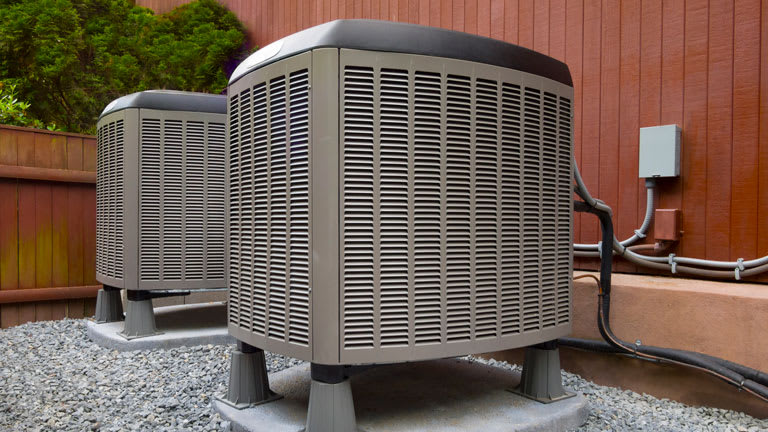
Thinking about a geothermal heat pump installation? Learn about system options, costs to expect, and how to hire the right local pro for your home.

Considering hydronic floor heating? Here’s why a geothermal heat pump in floor heating could be a great choice for your home, plus some issues that can arise.