•
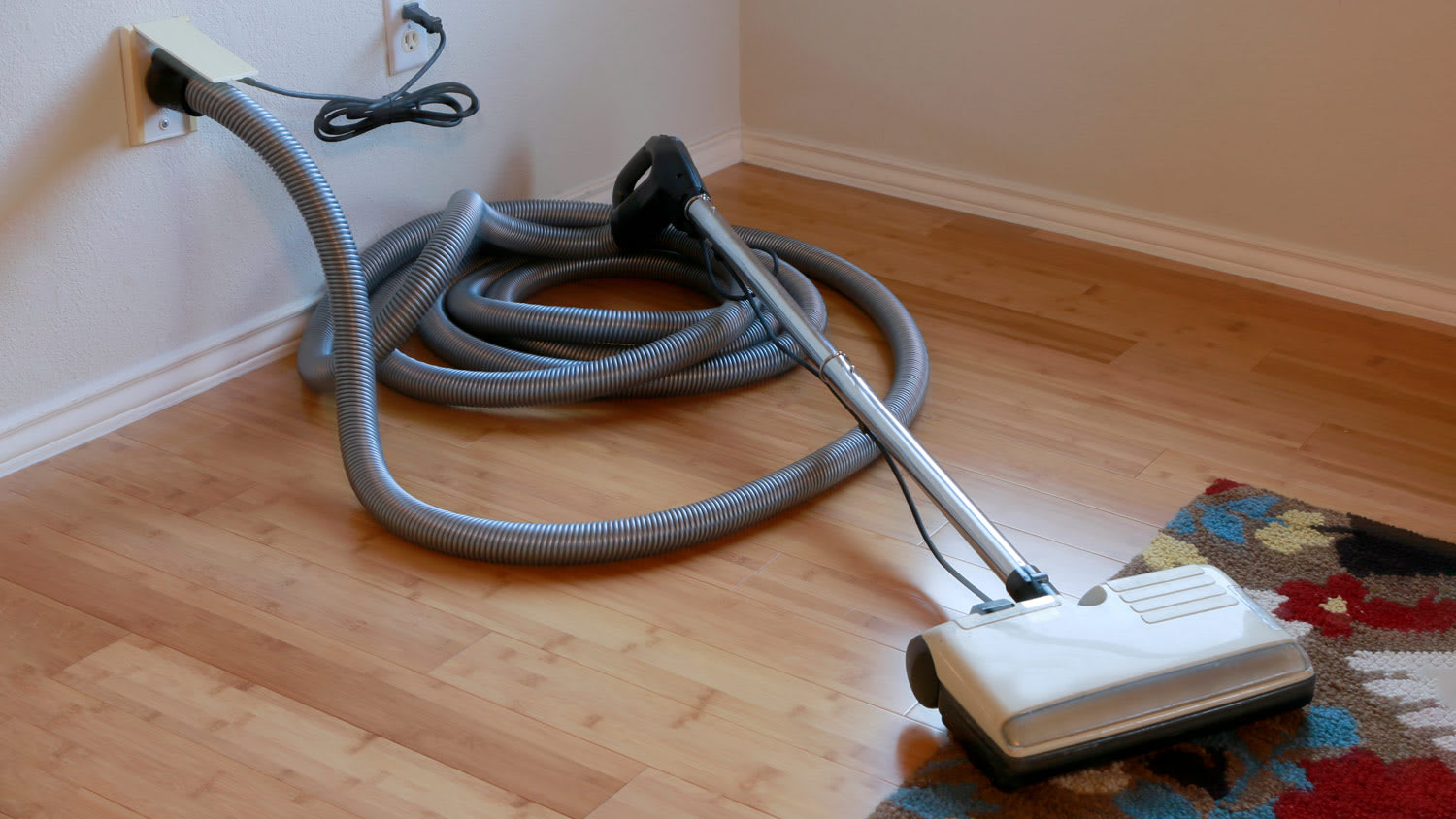
Discover central vacuum cost details to learn about price factors such as installation, size, labor, and ways to save on your central vacuum system.
Not a fan of window units? Central AC may be a better way to chill out.

Central air conditioning cools, purifies, and dehumidifies your entire home at once, using ducts to circulate air rather than taking up space with window units.
Expect to pay $5,900 on average for a new central AC system, with installation costs ranging from $1,500 to $4,000 depending on your home's setup.
Split systems let you add cooling to your existing heating setup, while packaged units combine both heating and cooling in one outdoor cabinet for homes without HVAC.
Hiring a local HVAC company provides expert guidance on choosing between split and packaged systems and ensures proper ductwork installation for reliable whole-house cooling.
There’s nothing better than a cool breeze on a hot summer day. That’s even more true when temperatures start soaring inside and you need to turn to AC to get some relief. Central air is a whole-house cooling system that quickly and easily cools your home, keeping you comfortable when the temperature is anything but. There are several different options available, so it helps to learn what central air conditioning is, how it works, and the pros and cons so that you can decide whether it’s right for you.

Central air conditioning is a system of supply and return ducts that circulate cool and hot air equally through all spaces in a home. When activated, the system releases cold, purified air from supply ducts. As the air warms back up, return ducts reabsorb the air, which is once again cooled and recirculated.
Depending on the type of central AC, it may consist of either a single outdoor unit that contains all the compressors, fans, blower, and heat exchangers or two units—one placed inside the home and one outside of it. These systems are powered by air, water, or a combination of both to function—air power better regulates humidity levels than water power.

Central air works like a heart, circulating cooled air through your home and drawing hot air outside. There are tons of different parts to a central air system, but here are a few key components.
The part you’re most likely to be familiar with is the thermostat. Located on a wall inside your home, this control unit tells the system the desired temperature and controls whether the system is on or off.
The AC compressor squeezes the refrigerant inside your air conditioner unit to the right pressure before pumping it throughout the system via a series of tubes.
Hot air inside your home blows across the HVAC evaporator coil, which helps the refrigerant absorb heat, leaving cool air behind. The refrigerant inside the evaporator coil converts from liquid to gas as the heat is absorbed.
The compressor pumps refrigerant away from the evaporator coil to the condenser coil, which cools the refrigerant and returns it to a liquid state. The condenser coil is located outside the home, along with another fan that dispels the heat to the outside.
The air that was cooled by the evaporator coil is moved throughout the house via a circulating fan. This fan draws warm air in through the return vents and releases the cooled air through the supply vents.
The blower motor is the motor that powers the circulating fan and pushes the air through the ductwork. Blower motors on AC units are either single-speed or variable-speed.
The ductwork is the series of ducts, or tubes, that carry the cooled air from the AC to the supply vents in each room. It’s the pathway through which the conditioned air travels. The AC ducts are the same ones your heating system uses.
The refrigerant continues its route after moving through the condenser coil. It passes through a thermal expansion valve that controls how much refrigerant is returned to the evaporator coil at a time, beginning the process over again.
There are two main types of central air conditioning, which vary in a couple of important ways.
Split AC systems are composed of two operation cabinets: one indoors for heating and one outdoors for cooling. This is the recommended setup for those with a heating system in place because you can simply add an air conditioner to complement it—and save a lot on what it would cost to replace your HVAC system altogether.
Unlike split systems, packaged units contain all the necessary machinery for heating and cooling in one outdoor compartment. Although it’s often more costly, this might be the right choice if your home doesn’t have any existing HVAC setup. While you might pay more upfront for the unit, you’ll save on installation because you won’t have to install two separate systems.
Central AC offers many benefits, like air purification and efficient cooling. Let’s take a closer look at the pros.
All it takes is pressing a button to cool your entire abode with a central air conditioning system. On the flip side, portable units, like those that fit into your window or roll around the room, will only reliably cool down the room they’re in—they’re also loud and can even trip your breaker. A central unit is designed to work seamlessly in your home.
Another annoying thing about portable air conditioners is how much valuable space they occupy inside a home. After all, nothing will destroy a beautiful view faster than a rattling window AC unit. That’s no issue with central air because the machinery sits outside the home.
Central air conditioners release cool air through filters, which purify the air as it enters a room. They also reduce humidity levels by absorbing warm air and removing moisture before recirculating it through a home.
Central AC is great, but there are a few downsides to consider before you commit.
You might pay more in energy bills for a central air conditioning unit because they cool down an entire home rather than just one room. However, there are simple ways to avoid increased costs with such a system—like setting it to automatically turn on and off depending on a home’s internal temperature. Your home is more likely to stay cool if it’s at a lower temperature throughout, whereas one room that’s cooled down will probably heat up faster if the other spaces are still hot. That may also mean you need to use the machine less to achieve the desired temperature.
Central air vents can get dirty relatively quickly and aren’t as easy to clean or care for as individual AC units. Going into the vents to make repairs or remove dust can be risky, so you may need to hire an HVAC pro near you to do it instead. In general, aim to clean these features every two to five years or whenever you notice a larger-than-normal dust build-up in your home or any strange sounds coming from the ducts.
Installing central AC is far more expensive than the cost of one or two standalone units because of all the materials and labor required to set up return and supply ducts and vents. The cost for a new central air installation ranges from $1,500 to $4,000 on average.
When deciding between central AC and a window unit or something like it, consider a couple of things. First, ask yourself how much time you spend in the space and if it’s worth it to cool every room. For example, if you’re sharing an apartment with roommates, you’ll only need one portable unit to cool your room. On the flip side, homeowners may have an easier time selling down the line with AC installed already. While it won’t increase the value of a home per se, it may make your abode more enticing to potential buyers.
Audrey Bruno contributed to this piece.
If you’re good people wanting to do business with good people, hire Matt. He is a consummate professional and utterly competent. He installed a water heater in my home at a price that beat competitors by hundreds of dollars with a promise to support the unit for its life (even after its 6 yr...
 Greene's Plumbing Services
Corey Carr was great. I had damage from a recent storm and needed to have my mast and other components replaced. The project entailed coordinating with AEP, and Corey helped make a stressful situation a lot less stressful. I really appreciated his dedication to service and the job very well done.
 Mr. Electric of Columbus
This service was great. My air conditioner went out during the heat spell that we had. My husband has health issues and they came out that night and at 9:30pm the air conditioner was fixed and running. We are sooo very thankful, this is the company I will be using from now on and would...
 Mr. Mechanical Ohio
I normally do not leave reviews, but my experience with Worthington Air was extremely frustrating and disappointing. About 30 days ago, I had a consultation done for an HVAC replacement and was quoted approximately $15,079. Based on that quote, I applied for financing through their company...
 ARS Columbus Worthington Air
Great company! Price was competitive, technician showed up on time and completed the job (exterior electric Radon fan replacement) quickly. Would hire them again.
 MaGen Property Inspections and Radon Mitigation
Raven and crew does absolutely fantastic job. They are very professional if any concerns were to occur with any of her work she always took responsibility and finished out with a great job. I have worked with her business for a year and have always been satisfied. Very trusted business and...
 Creations of Transformation LLC
I would recommend this company to anyone! He showed up on time, was friendly, completed a very difficult repair on our dryer vent cover, was responsive, and pricing was extremely fair and competitive. I would have him back to do any of our repairs or cleanings without hesitation!
 U.S.A. Dryer Vent, LLC
Ace Fireplace Services' chimney sweep service is truly exceptional. They used advanced technology to ensure a thorough cleaning process, and my chimney has never looked better. I highly recommend their services.
 Ace Fireplace Services
The technician was very professional and friendly. He answered all my questions and was very thorough. He left the fireplace area very clean . He inspected from the roof and advised me as to other work that might need to be done. There was no pressure there. I was very satisfied with the...
 Supreme brick & chimney
On time, clean and finished fast. Windows seem sturdy and the finish is good. Caulking was done with no smudges. Would recommend.
 Window Depot USA of Central Ohio
From average costs to expert advice, get all the answers you need to get your job done.
Discover central vacuum cost details to learn about price factors such as installation, size, labor, and ways to save on your central vacuum system.

You'll need to consider several factors when deciding central air vs. forced air. Our guide will discuss the differences between central and forced air.

Comparing ductless AC vs. central air for your home? This guide breaks down the pros and cons of each AC type in detail to help you make the best choice.

A central air system is great for someone looking to cool and heat their home all year round. Even if your home uses baseboard heating, you can still make the switch. Read on to learn more about adding central air to a baseboard-heated house.

Learn the difference between mini split AC vs. central air. For example, central air has air ducts, but a ductless mini split AC cools without them.
Thinking about central air cleaner and purifier installation or replacement? Learn about indoor air quality benefits, costs, and how to hire a local HVAC pro.