

Considering a heat pump to reduce monthly heating and cooling bills? Find out geothermal heat pump costs based on system type, capacity, and other factors.
Install a geothermal heating system and enjoy cozy, warm winters and beautifully cool summers

A geothermal air conditioning system uses the earth's constant underground temperature to cool your home by transferring indoor heat through liquid-filled pipes buried in the ground.
Geothermal systems function as both heating and cooling units, working efficiently even when outdoor temperatures exceed 100 degrees by using the stable 55-degree earth temperature.
You need adequate outdoor space for horizontal pipe installation between 4 and 8 feet deep, or vertical installation reaching 300 feet if your property has limited space.
Hiring a local geothermal professional keeps installation on track with proper pipe loop placement, heat pump setup, and ductwork connections for reliable year-round comfort.
When you think of geothermal heat pumps, you likely think about heating your home, not cooling it, too. But, with this type of system, the process is very similar, just in reverse.
For cooling, a geothermal system works by basically using the earth (or a suitable body of water) as a giant heatsink. It’s a heat exchange system that uses the constant temperature of the earth to generate or expel heat.
Geothermal heating and cooling uses the relatively constant temperature of the earth to either heat or cool your home. These systems essentially function as a multi-functional HVAC system that can heat your home with forced air or radiant heating, cool the temperature in hot weather, and deliver hot water.
Liquid, usually water or a mix of water and antifreeze, travels through the heat pump. The heat pump transfers hot air from your home and into the liquid, which travels through a system of pipe loops buried around in the ground where it gets dispersed into the earth.
The liquid then continues on its loop back to the heat exchanger, or heat pump, ready to be loaded with more unwanted heat.

Yes, even in the hottest climates, a geothermal system functions as a highly efficient, environmentally friendly air conditioning unit.
That's because, however hot the air temperature is, a few feet down, the earth remains at an average temperature of approximately 55 degrees Fahrenheit, even if the temperature above ground exceeds 100 degrees.
A geothermal system contains just a few simple but crucial elements. Above-ground components have a life expectancy of around 25 years, while underground components typically last for around 50 years.
The distribution system is usually a forced air system when used for cooling as well as heating. With forced air, an air handler is affixed to the ductwork in your home to transfer cooled air to the living space.
The heat pump is where most of the magic happens. This unit contains the compressor and condenser, the expansion valve, and the evaporator coil. The compressor increases the temperature of the refrigerant by increasing the pressure it's under.
Now hot and pressurized, the liquid journeys into the condenser, where it transfers its heat to the fluid in the ground loops. While the refrigerant now travels onward to the expansion valve, the heat that was delivered to the ground loops works its way through those underground pipes where it's dispersed into the earth.
When it meets the expansion valve, the refrigerant decreases in pressure and therefore temperature. It now continues on to the evaporator coil where heat from inside your home is transferred into the refrigerant and the cycle begins again.
The geothermal loops are the pipes that sit underground or underwater. The most common type of geothermal system is a horizontal one, where the property has enough outdoor space to accommodate the long runs of pipework. In this case, the pipes are buried between 4 and 8 feet deep, depending on where the frost line is.
If outdoor space is very limited, then you can opt for vertical installation, but to install a geothermal heating and cooling system with vertical loops costs much more, as the pipes require the contractors to dig down to around 300 feet.
Another viable option is to use a body of water. If you have a large pond on your property, within 100 feet of your house, you may be able to anchor your geothermal loops on the bottom and use that as an aquatic heatsink.
While there are many benefits to geothermal heating and cooling systems, not the least of which is the cost savings and environmental-friendliness, there are some disadvantages, too. It's important to have the full picture so you can make an informed decision as you explore your options.
| Advantages | Disadvantages |
|---|---|
| Eco-friendly/reduces carbon footprint | Higher cost upfront |
| Quiet to run | Must be professionally installed |
| Requires little maintenance | Still uses some electricity |
| Saves money long term | Ground loop installations may disturb landscaping |
| Increases home value | Not always carbon neutral |
| Inconspicuous | |
| Effective in all climates | |
| Does not produce carbon monoxide | |
| State and federal financial incentives |
I have used Columbus Worthington Air for years and recommend them whenever I have a chance. The staff is quick, courteous, and well-trained.
 ARS Columbus Worthington Air
If you’re good people wanting to do business with good people, hire Matt. He is a consummate professional and utterly competent. He installed a water heater in my home at a price that beat competitors by hundreds of dollars with a promise to support the unit for its life (even after its 6 yr...
 Greene's Plumbing Services
Corey Carr was great. I had damage from a recent storm and needed to have my mast and other components replaced. The project entailed coordinating with AEP, and Corey helped make a stressful situation a lot less stressful. I really appreciated his dedication to service and the job very well done.
 Mr. Electric of Columbus
This service was great. My air conditioner went out during the heat spell that we had. My husband has health issues and they came out that night and at 9:30pm the air conditioner was fixed and running. We are sooo very thankful, this is the company I will be using from now on and would...
 Mr. Mechanical Ohio
Great company! Price was competitive, technician showed up on time and completed the job (exterior electric Radon fan replacement) quickly. Would hire them again.
 MaGen Property Inspections and Radon Mitigation
Raven and crew does absolutely fantastic job. They are very professional if any concerns were to occur with any of her work she always took responsibility and finished out with a great job. I have worked with her business for a year and have always been satisfied. Very trusted business and...
 Creations of Transformation LLC
I would recommend this company to anyone! He showed up on time, was friendly, completed a very difficult repair on our dryer vent cover, was responsive, and pricing was extremely fair and competitive. I would have him back to do any of our repairs or cleanings without hesitation!
 U.S.A. Dryer Vent, LLC
Ace Fireplace Services' chimney sweep service is truly exceptional. They used advanced technology to ensure a thorough cleaning process, and my chimney has never looked better. I highly recommend their services.
 Ace Fireplace Services
The technician was very professional and friendly. He answered all my questions and was very thorough. He left the fireplace area very clean . He inspected from the roof and advised me as to other work that might need to be done. There was no pressure there. I was very satisfied with the...
 Supreme brick & chimney
On time, clean and finished fast. Windows seem sturdy and the finish is good. Caulking was done with no smudges. Would recommend.
 Window Depot USA of Central Ohio
From average costs to expert advice, get all the answers you need to get your job done.
Considering a heat pump to reduce monthly heating and cooling bills? Find out geothermal heat pump costs based on system type, capacity, and other factors.

Geothermal heating and cooling systems come with many perks for homeowners who want to make the switch from a traditional HVAC system. Learn 11 benefits of geothermal systems.

Reducing your home’s fossil fuel dependency often pays off. Here’s what to know when you’re considering if geothermal is worth it.

Considering hydronic floor heating? Here’s why a geothermal heat pump in floor heating could be a great choice for your home, plus some issues that can arise.
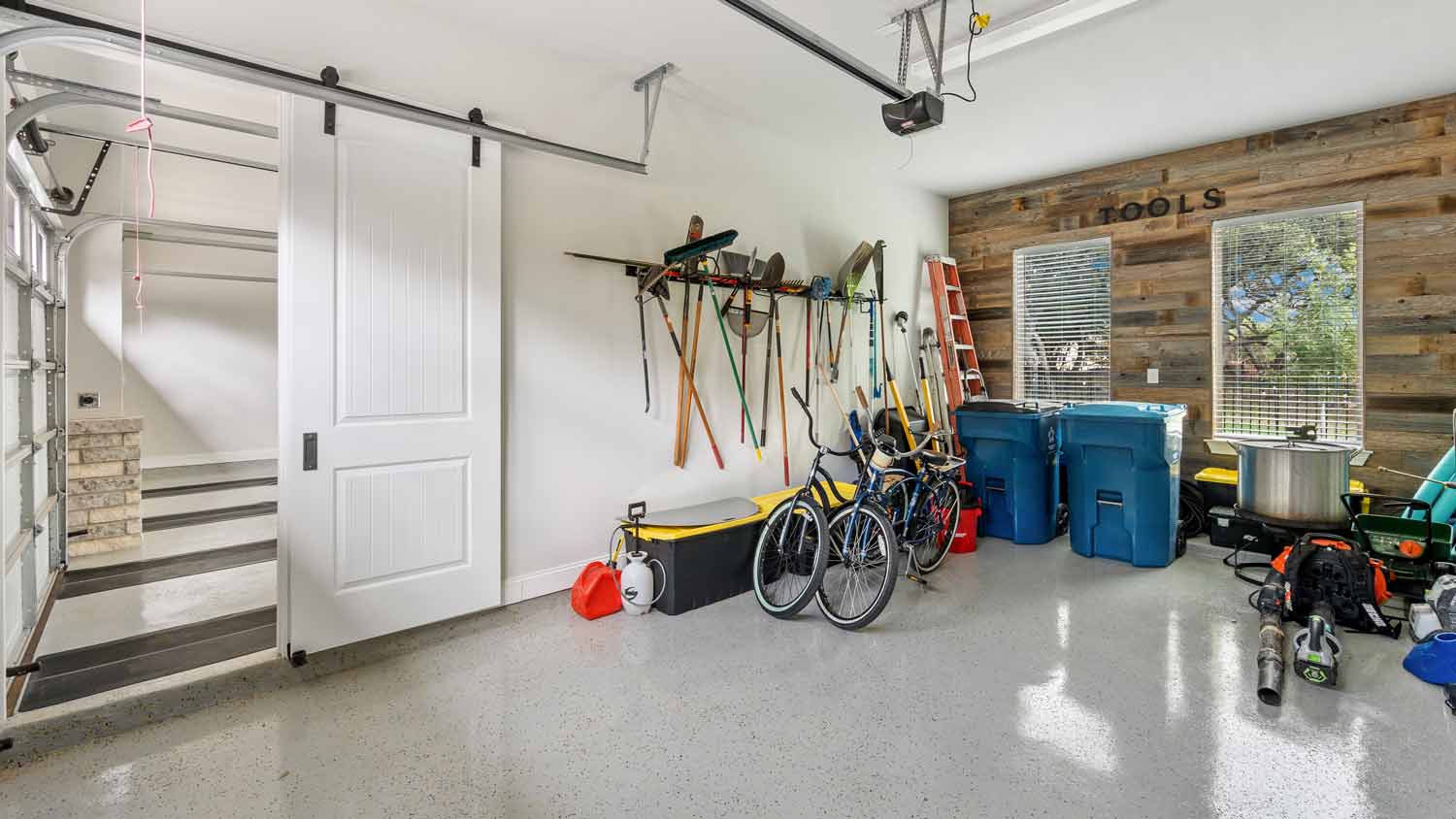
Looking for an energy-efficient way to keep your garage comfortable? Learn about a geothermal heating and cooling garage floor system.

Find out whether a whole house fan is the best option to keep your home cool in humid climates. Plus, learn alternatives to help you maximize cooling power and energy savings.