

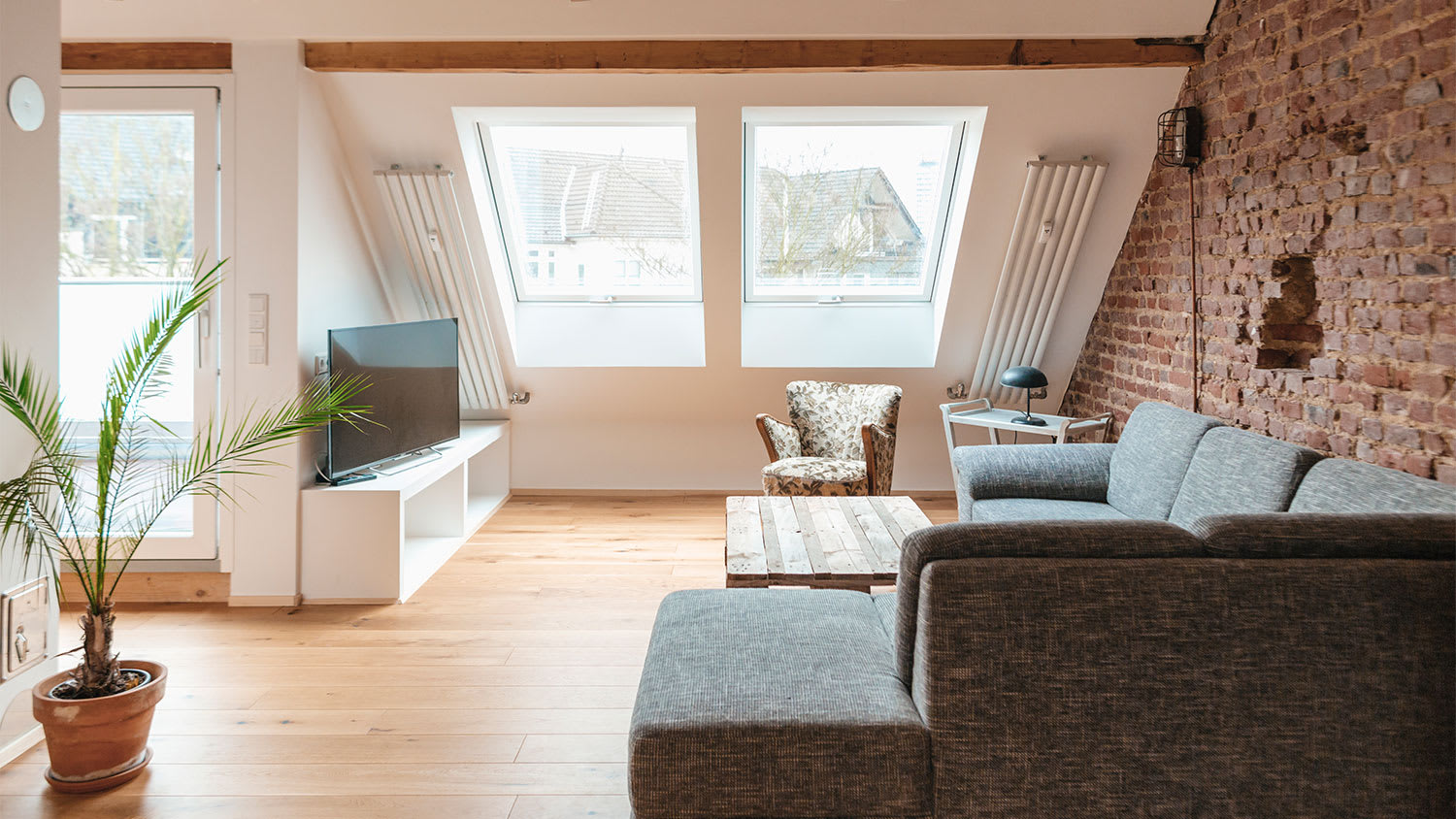
Finishing an attic can make a great addition to your home. This guide breaks down the cost to finish an attic, including labor, materials, and more.
Turn your attic storage space into prime real estate

Your attic roof framing determines conversion viability, as roof trusses reduce ceiling height and make code-compliant living space difficult to achieve.
Expect to pay $200 per square foot to convert your attic, with bedroom additions ranging from $8,000 to $30,000 depending on scope.
You need at least 70 square feet of floor space and 7 1/2 feet of ceiling height to meet building codes for habitable rooms.
Hiring a local home remodeling professional keeps electrical work, HVAC installation, and structural engineering on track for a safe, code-compliant conversion.
Whether your growing family is testing the limits of your available space or you just want to take advantage of the killer view from your uppermost room, remodeling an attic is a great way to reclaim space without building a new addition onto your home. But attic conversions require a lot of forethought and effort. Use the following tips to convert your attic into an additional living space.
Here are the outlet types you find in most U.S. homes:
15-amp, 120-volt (2-prong and 3-prong): The standard household outlet for lamps, TVs, and chargers.
20-amp, 125-volt: A higher-power outlet for kitchens, laundry rooms, and workshops.
240-volt (20-amp to 50-amp): A large-appliance outlet for dryers, ranges, and EV chargers.
GFCI: A shock-protection outlet for kitchens, baths, and other wet areas.
AFCI: A fire-protection outlet for bedrooms and living spaces.
Tamper-resistant: A child-safe outlet with internal shutters, now standard in new homes.
Weather-resistant: A corrosion-resistant outlet built for outdoor use.
Convenience types: Switched, combination, USB, smart, and rotating outlets.

The most crucial questions to answer involve the extent and dimensions of the available space to ensure you’re complying with building codes. While there is a lot of variation between county-level regulations, most building codes will require the following:
70 sq. ft. of floor space
At least 7 ft. of floor space in each direction (i.e., attic must be at least 7 ft. by 10 ft. in dimension) to help homeowners avoid hazardous unusual layouts
At least half of the available floor space must clear a ceiling height of 7 1/2 ft.; regulators will decline plans to create living spaces that prevent occupants from standing up
If your attic ceiling isn’t high enough, it is possible to raise the roofline of your home or add a dormer window for additional height. If you plan to install a dormer during your attic conversion, this will automatically cover the egress requirement, as most dormers include a window.
In addition to the standards imposed by national safety regulations, the building codes in your county will likely include area-specific stipulations that will affect your conversion options.
Just because your home is 3,000 square feet doesn't necessarily mean it's all considered livable space. What actually counts toward overall square footage is any space in your home with walls, a floor, a ceiling, and proper heating. This can include finished basements, stairways, hallways, closets, and pantries in addition to main living spaces like kitchens, bedrooms, and bathrooms.

The way your roof is framed will also determine whether your attic conversion is viable.Though rafters leave more space between the floor and the ceiling of an attic, roof trusses have become more popular in recent years due to their versatility and lower price point. Because they decrease an attic’s ceiling height, the presence of trusses will likely make it very difficult to convert your attic into a code-compliant living space.
What kind of stairwell leads to your attic? While many attics feature pull-down ladders or steep and narrow stairways, you must satisfy a different set of accessibility standards to convert the attic into a living space. To meet safety requirements, attic access must:
Provide a minimum of 6 ft. 8 in. of headroom along the entire walking length of the stairs
Be at least 36 in. wide
Have treads of at least 10 in. deep
Include risers at least 7 1/4 in. high
You should call a professional attic inspector to take a look at your attic space any time you suspect an issue. When inspecting your attic, they’ll look for evidence of rodents, water leakage, or mold.
Any alterations you make to the attic will affect the whole house, which requires complex engineering considerations. While a contractor can help you locate the load-bearing walls in the attic to ensure the proposed changes don’t bring down the roof, you should also consult a structural engineer. This type of expert can determine the implications of your dream conversion for the rest of the home.
Finishing an attic costs a lot, especially with the potential for unanticipated costs to emerge along the way. Typically, homeowners pay $200 per square foot to convert an unfinished attic into a code-compliant living space.
The cost to add a bedroom falls between $8,000 and $30,000, but the cost is significantly lower for converting the attic into a home office.
If your attic conversion requires electrical, plumbing, HVAC, or construction work, you’ll likely need a permit. Talk with your local home remodeling contractor to see if your current attic meets the building code requirements to pull a home addition permit or what you’ll need to obtain one.
Instead of finished attic flooring, many attics feature exposed floor joists bridged by 2-by-4 rafters (if not totally uncovered insulation), designed to support dead loads, or objects that do not move of their own accord. While you can always sister the joists and add the subflooring that can safely support people, doing so will add additional height to the floor. In many cases, that will cut into the ceiling height and necessitate the construction of a new set of stairs.
Every house is different, though, and it’s not certain that enhancing the flooring will prove to be a deal-breaker. Additionally, if your home is a newer build, the attic could have been constructed with finished flooring designed to support a conversion, which has become increasingly common.

The typical attic is designed for storage, and builders forego the temperature-control measures they would take in a living space. Your unfinished attic will likely require an additional type of attic insulation to help occupants stay cool in the summer and warm in the winter.
If you’re not sure what you’ll need to do to keep your conversion comfortable throughout the year, contact an attic insulation pro near you.
Since your attic is the highest room in your house, it collects all the heat that rises from the lower levels, making effective air conditioning a must for conversions. Make sure your HVAC can handle the load of another room. Plus, you may have to add vents if the attic was originally built as a storage-only space.
For proper attic ventilation, keep at least 1 inch of air space between the insulation and the roof’s underlayment. Otherwise, heat buildup can occur, causing roof damage.
The nature of your roofing will play a role in the temperature control of the attic. If you can, consider using light-colored roof shingles that reflect sunlight. Dark-colored shingles absorb heat from the sun, increasing both the temperature of the attic and the cost of cooling it.
If you’re not used to having people walk around your attic, it can be easy to forget some of the potential side effects of turning the space into well-used living quarters. If the rooms beneath the attic floor include bedrooms, a home office, or any area where someone might expect peace and quiet, you may need to take extra steps to ensure adequate soundproofing.
As anyone who has ever had upstairs neighbors can tell you, even the lightest footsteps can sound very loud in the rooms below. Carpeting, thick floor joists, and dense-pack insulation can go a long way toward tamping down unwanted noise.
One of the trickier aspects of designing an attic conversion is finding ways to effectively illuminate the room without using too many lamps or fixtures that will take away precious space. Wherever possible, windows and skylights can do a lot of the work for you, drawing in lots of natural light.
For nighttime lighting or attics without windows, consider a scheme that efficiently integrates strip lighting into your rafters.
Not all homeowners are looking to use their attic space for themselves—some are interested in adding value to their homes and raking in a rewarding ROI down the road. Even if you're not planning on selling your home in the near future, it's good to think long-term when considering a big project like this. On average, an attic renovation has a 56% ROI.
Unless you’re an experienced pro, an attic conversion isn’t a DIY project we recommend. While saving money on labor costs sounds appealing, this is a large, time-intensive project requiring advanced know-how.
Your attic will require electricity, drywall, and HVAC, at the least. You’ll also need a structural engineer to ensure your home can handle the additional load. Plus, insurance companies likely won’t cover any damages to your home because you DIYed this project. So, save your time and energy, and let a home remodeling pro near you oversee the entire project.
While you can’t convert your attic into a living space yourself, that doesn’t mean you can’t save money on this project. You can save a few coins by painting the walls, installing the flooring, and choosing the best-quality material within your budget.
Jason has helped me with multiple household projects, with the most recent being new door installation. He has always showed up on time and organized and has done an incredible job! Jason is very professional and he's now my go-to for anything around my house that needs to be fixed or...
 Huff Garage Rescue, LLC
Cole has been handling plumbing and general contracting for our four properties over the past three years, and he’s always done a great job. Most recently, he installed a sink and countertop in our retail store where none existed before, and it turned out exactly how we needed. He’s...
 ANB Renovations LLC
1st Choice Renew is simply the best! We hired them for a complete home renovation, and they transformed our space into something truly amazing. The team attention to detail and commitment to quality were evident throughout the project. They were easy to work with, very responsive, and always...
 Save A Dime
This company went above and beyond with their work, chimney sweeps are usually pretty messy, but the clean up was spot on.!! Josh explained every thing that he was doing, and the things that he was checking to make sure the chimney was safe for me and my family. He was very professional,...
 Supreme brick & chimney
Custom Paint Jobs LLC turned our outdated bathroom into a modern masterpiece.
 Custom Paint Jobs, LLC
Excellent customer service and knowledge. I was recommend to him from my neighbour. My front door and window came in great and were installed beautifully perfectly, I m very satisfied with their excellent work, so decided to order one more big bow window for my living room. I cant wait for...
 Window Depot USA of Central Ohio
If I could give 10 stars for Kitchen Tune Up, I would. I cannot say enough good things about my experience with Kitchen Tune Up and the entire team involved in the process of my kitchen project. They went above and beyond as far as service and quality with my cabinets, paint, countertops, and...
It was wonderful working with Yordy and his team. They were very professional and are experts in what they do. They have completed the work on time, with better quality and with in fairly reasonable price. We just started with backsplash work , but liking his work, we went on to provide...
 Flooring Solutions
We were having 2”x 2” tile installed . There was a small installation error and the new additional replacement tile was from a different lot and the colors didn’t match. Joe assured us that he would rectify everything , which he did without hesitation. We decided to go with the 18” x 36” tile...
 CarifaTile
They work that 360 did on my kitchen cabinets is nothing short of amazing. I still cannot believe the difference from before and after. Jon and Jeff were both so incredibly professional throughout the whole process and their communications with me were constant and consistent. These guys...
 360 Painting Columbus
From average costs to expert advice, get all the answers you need to get your job done.
Finishing an attic can make a great addition to your home. This guide breaks down the cost to finish an attic, including labor, materials, and more.
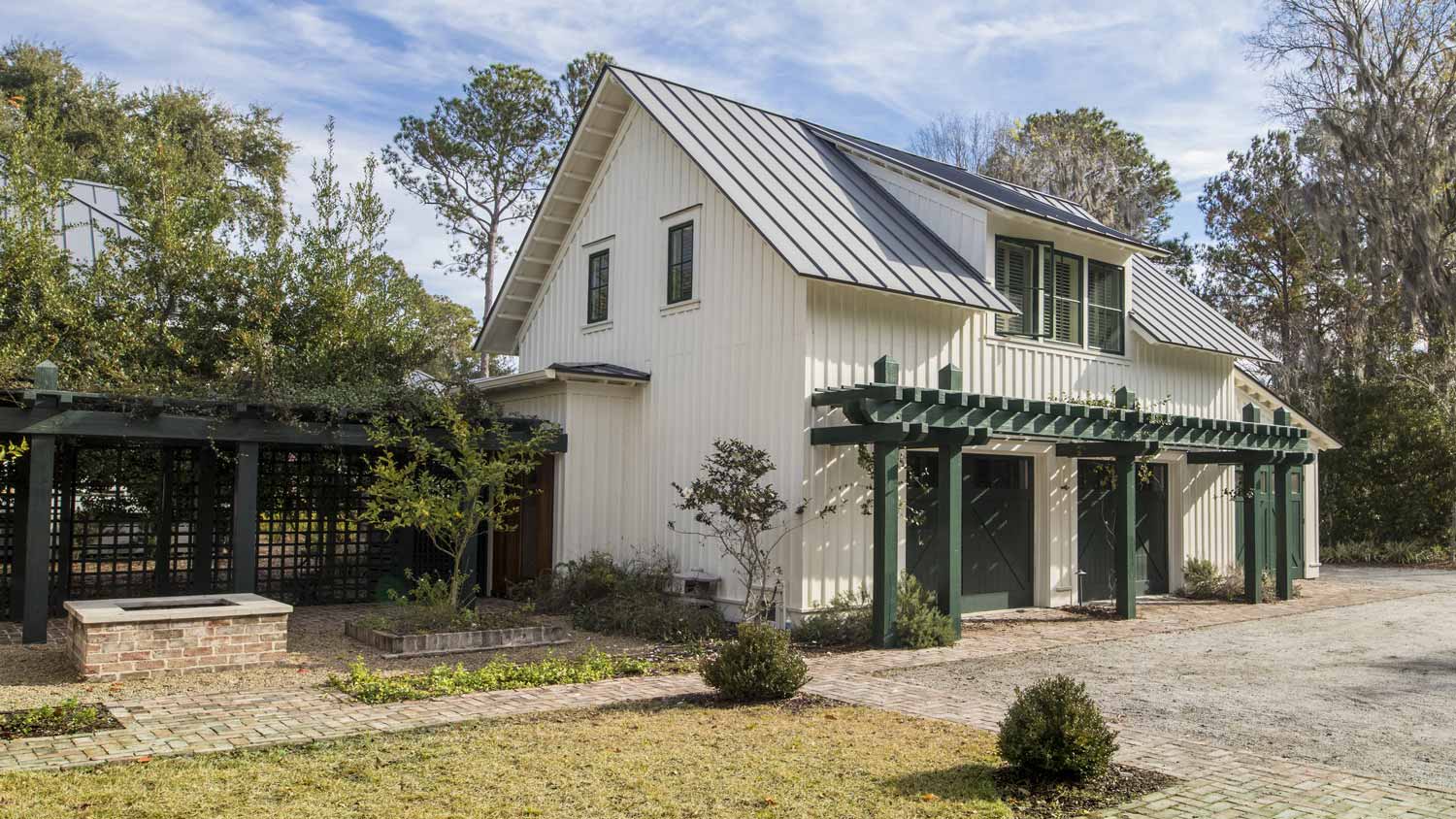
Want to add value and living space to your home? Use this guide to figure out the cost to convert your garage into living space to see if it’s worth it.

These attic flooring ideas will help you plan your renovation—from weighing the pros and cons to budgeting for estimated costs.
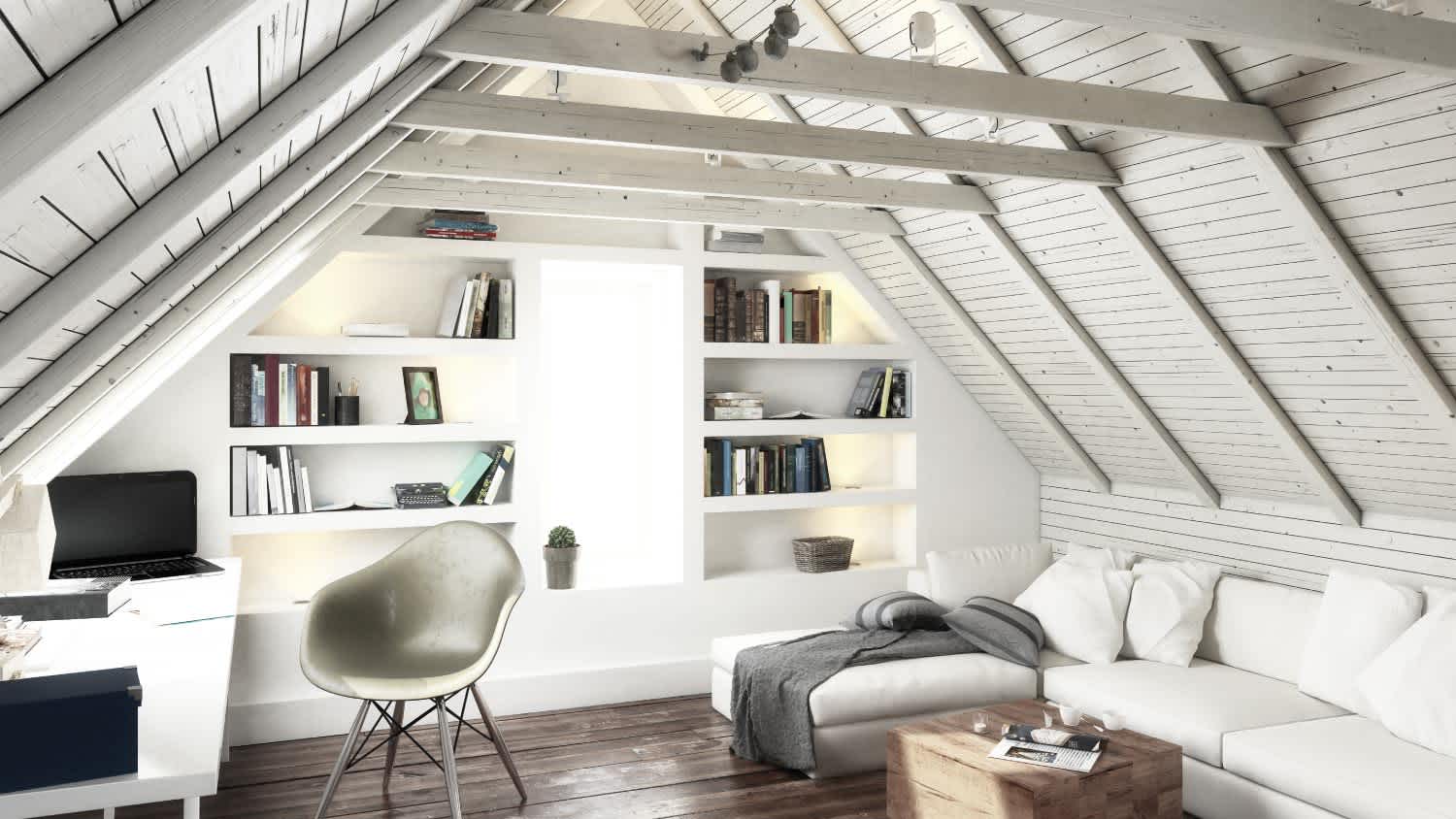
Consider these steps before starting your attic loft conversion. Making your attic more accessible is key for creating a functional, enjoyable space.
Ready to transform your top floor into usable living space? Learn about attic renovation costs, project timelines, and how to hire a remodeling contractor.
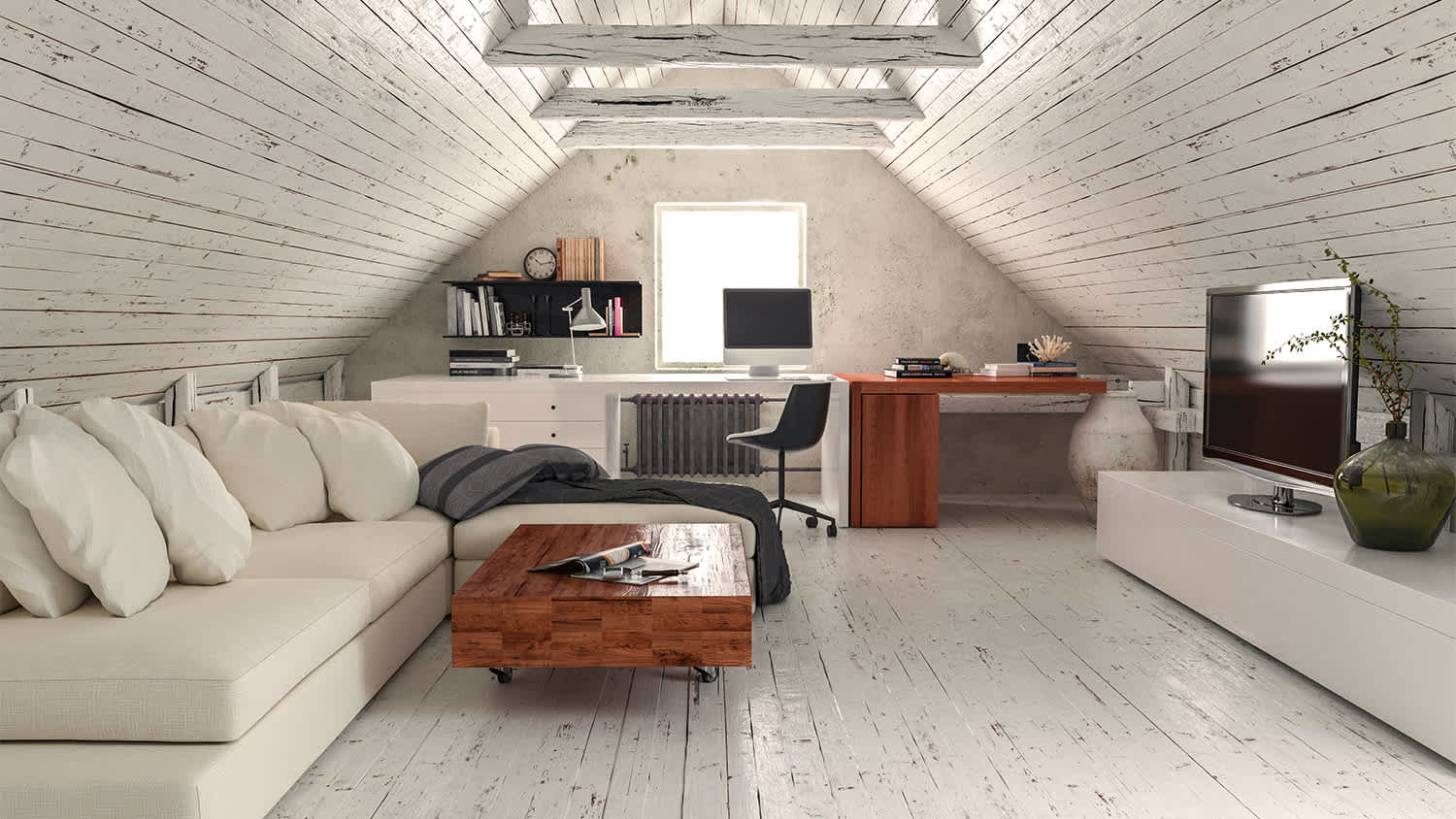
Learn how to hire a qualified attic renovation contractor. Find tips on vetting pros, questions to ask, and what to expect for your attic project.