

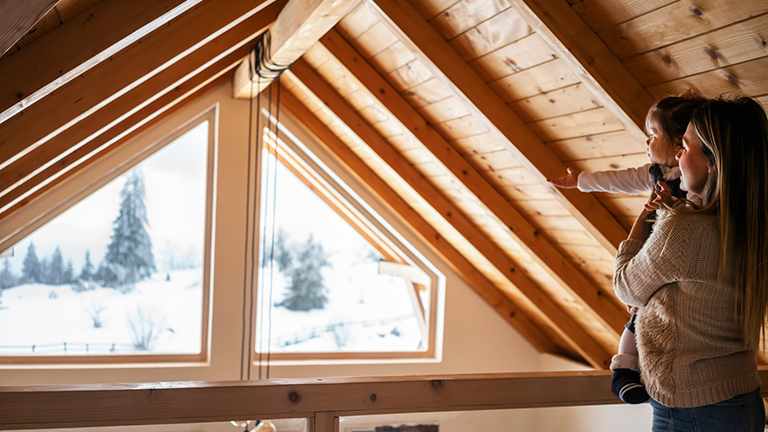
Roof trusses are the literal backbone of your roofing system, and replacing one can get costly. Use this roof truss cost guide to set your budget properly.
Roof trusses make a huge difference in the structure, style, and cost of your home

A truss roof is a prefabricated framework of wood or steel that supports your home's roof and distributes weight evenly for structural stability.
Roof trusses are more affordable than traditional rafters because they're factory assembled, which reduces labor costs and speeds up construction timelines for your project.
Roof trusses allow for open-concept floor plans and come in various designs like king-post, fink, and scissor trusses to fit your home's style.
Hiring a local roofing professional provides reliable guidance on truss selection and installation, keeping your project on schedule and structurally sound from start to finish.
Whether you’re building a new home, multi-family building, or home addition, the type of roof truss you choose makes a big difference. But exactly what is a roof truss? Learn all about roof trusses and what to consider when deciding which type of roof truss is right for your project.
Roof trusses are roof frameworks that are carefully calculated, constructed, and assembled to give your house aesthetic and structural benefits.
Roof trusses are made from either wood or steel or a combination of both, constructed of pieces that are bolted together to support the weight of roofing material, whether it’s slate or tile.
Unlike rafters, roof trusses are computer designed and factory assembled, making them accurate, stable, and affordable—so it’s no surprise we’re seeing them rise in popularity as of late.
A roof truss is comprised of three main components: top chords, bottom chords, and web bracing. The size of each truss type depends on the load it supports, the spacing between trusses, and the span of the truss.
Here are the outlet types you find in most U.S. homes:
15-amp, 120-volt (2-prong and 3-prong): The standard household outlet for lamps, TVs, and chargers.
20-amp, 125-volt: A higher-power outlet for kitchens, laundry rooms, and workshops.
240-volt (20-amp to 50-amp): A large-appliance outlet for dryers, ranges, and EV chargers.
GFCI: A shock-protection outlet for kitchens, baths, and other wet areas.
AFCI: A fire-protection outlet for bedrooms and living spaces.
Tamper-resistant: A child-safe outlet with internal shutters, now standard in new homes.
Weather-resistant: A corrosion-resistant outlet built for outdoor use.
Convenience types: Switched, combination, USB, smart, and rotating outlets.
Roof trusses are one of the most important components in any construction project. They offer several structural benefits and can stand the test of time.
A roof truss distributes weight evenly, creating a safe and sturdy frame that increases the structure’s integrity.
Different types of trusses can fit the scale of any building, from small sheds to big houses. Roof trusses can be custom built to fit any design or construction.
A roof truss is made of lightweight pieces, making trusses relatively easy to assemble and carry from one place to another.
Since trusses are made off-site, labor cost is often reduced. As a result, the total cost of a roof truss decreases significantly.
Some roof trusses support long spans, creating open-concept homes within the external walls, leaving no constraints on the floor.
Trusses come in different sizes and designs, but they all have the same basic components to keep them structurally sound and sturdy. Here are the common parts of a roof truss.
Bottom Chord: The horizontal beam on the bottom of the truss.
Top Chord: Also referred to as rafters, these are the beams at the top of the truss.
Webs: Beams that connect the bottom and top chords to prevent the truss from bending.
Apex: Also called the peak, this is the highest point of the truss.
Joints: This is where a splice is placed at the intersection of the webs and chords.
King Post: The most basic truss design has a king post, which is a central vertical post.
Overhang: Where the top chord extends beyond the side of the truss.
Heel: Where the top and bottom chords meet.

There are a variety of trusses available. It’s essential to choose the right type of roof truss to suit your project and your budget. You can consult with a local roofing professional to help you determine the best truss type for your design.
Here are a few of the most common types of roof trusses that might be perfect for your project.
One of the most common trusses, it can span 16 to 26 feet and is mainly used for smaller-sized residential homes.
A queen-post truss runs 16 to 40 feet. It's one of the simple trusses, making it quite stable and versatile.
The Fink truss is the most common type used in residential construction. They're used for longer spans and to achieve high-pitch roofs.
The raised heel truss makes energy-efficient buildings by creating adequate attic ventilation and sufficient insulation for the house.
The bottom chord posts of a scissor truss cross each other and connect to the top chords at an angle, creating an open scissor shape. It’s the roof truss responsible for magazine-worthy vaulted ceilings.
The hip truss consists of slopes on all four sides that meet at a point in the center. Hip trusses are particularly great for high-wind and snowy areas, as their structure provides additional stability.
AKA room-in-attic trusses, they offer extra space and are convenient for homes, garages, and sheds.
A mono truss is half a truss and can be used to create additional roof tiers and extensions to an existing roof.
If you like farmhouse styles, then the gambrel truss will give you that unique style. A gambrel truss is designed to support a wide span and add additional space to a building because of its tall construction.
No matter which roof truss type you chose for your home, gable trusses are installed on each end of the framework to support the roof's siding.
While trusses and rafters have the same overall purpose—to serve as the support and bones of your roof—roof trusses are prefabricated, computer-generated structures, while rafters are built on-site. Trusses require more lead time for delivery to the building site. Rafters, on the other hand, won’t need to be delivered but do require time on-site for building.
Trusses, while less expensive than rafters, are difficult to have delivered to remote or hard-to-access locations like mountainous regions. In these instances, rafters are a better choice. Rafters also allow for more attic space and the option to convert your attic space down the road. Because of the webbing architecture inherent to trusses, they are difficult to modify later on.
C.E. Larusso contributed to this piece.
Mitchell and the crew were top tier i am so happy with my new roof
 Home Genius Exteriors
D1 Roofing delivers outstanding service from beginning to end, backed by a strong warranty and expert teams. I highly recommend them for their excellence in meeting and surpassing expectations with unmatched communication. Choosing D1 Roofing was flawless decision
 Division 1 Roofing LLC
This place took $25,000 for a flat roof job with a five-year warranty and never returned to fix the leaks that were caused by their work. These people are not professionals and should not be doing this type of work. They incorrectly changed the pitch of the roof, and caused more damage than...
The technician was very professional and friendly. He answered all my questions and was very thorough. He left the fireplace area very clean . He inspected from the roof and advised me as to other work that might need to be done. There was no pressure there. I was very satisfied with the...
 Supreme brick & chimney
I am really impressed with their timeliness and turnaround. Mitchell came out, and we decided to move forward with their pricing. Our roof was on within a week, and we could not be happier with their team! Amazing company, great prices and honest, dependable craftsmanship. I highly recommend...
 Window Depot USA of Central Ohio
Manuel Calvillo is the best option in the area for roofing and you won't be disappointed.
They damaged multiple items on my property, including a marble slab used as a table top, tried to hide it, and refused to pay or replace. Arrived day one without a ladder to access roof & delayed a day. Left a mess in back yard; didn't wear face masks; no show by owner to property to see damages
 Grants Tree Service
I've hired Gary/Cherokee Roofing for two different homes, work quality, responsiveness, and completion have been great both times. And the prices quoted were very competitive. I would definitely hire again.
Lyle did a great job removing asbestos shingles from our front porch roof. They worked together with our roofer to make sure that the new roof was able to be installed on the same day that Lyle removed the asbestos shingles.
 Lyle Environmental
Bradley Builders did a good job replacing the roof on our front porch. They color-matched the existing shingles on the rest of the house and installed a metal ridge roll since we live in a historical neighborhood. They did the job while we were out of town. When we got back, everything was...
 Bradley Builders, Inc.
From average costs to expert advice, get all the answers you need to get your job done.
Roof trusses are the literal backbone of your roofing system, and replacing one can get costly. Use this roof truss cost guide to set your budget properly.
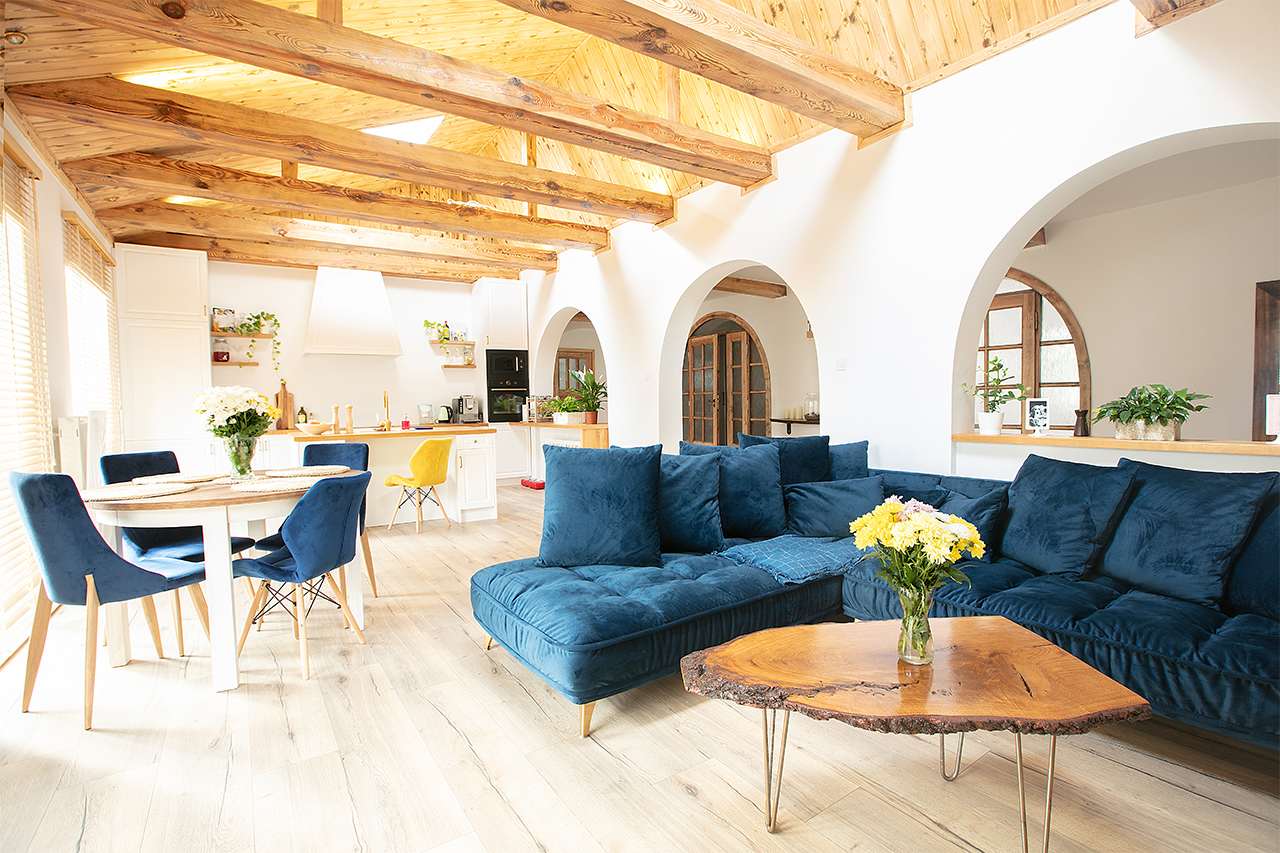
Raising the roof in your home can add character and intrigue, as well as living space. Use this guide to learn the cost to raise a roof, as there are expenses you may not have considered.
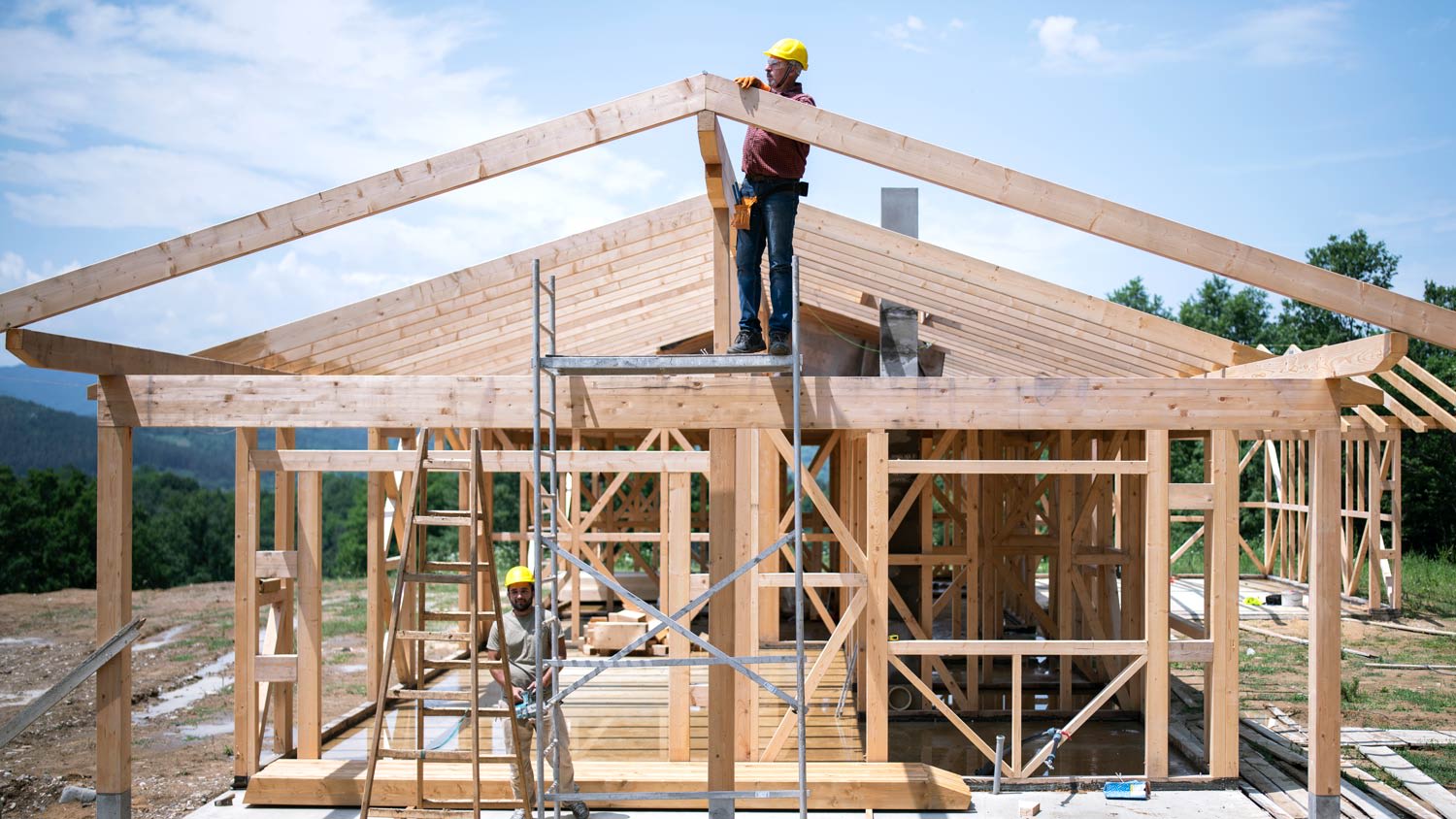
Discover common roof framing cost factors, including the differences between rafter and truss designs, to estimate the cost of your new roof.
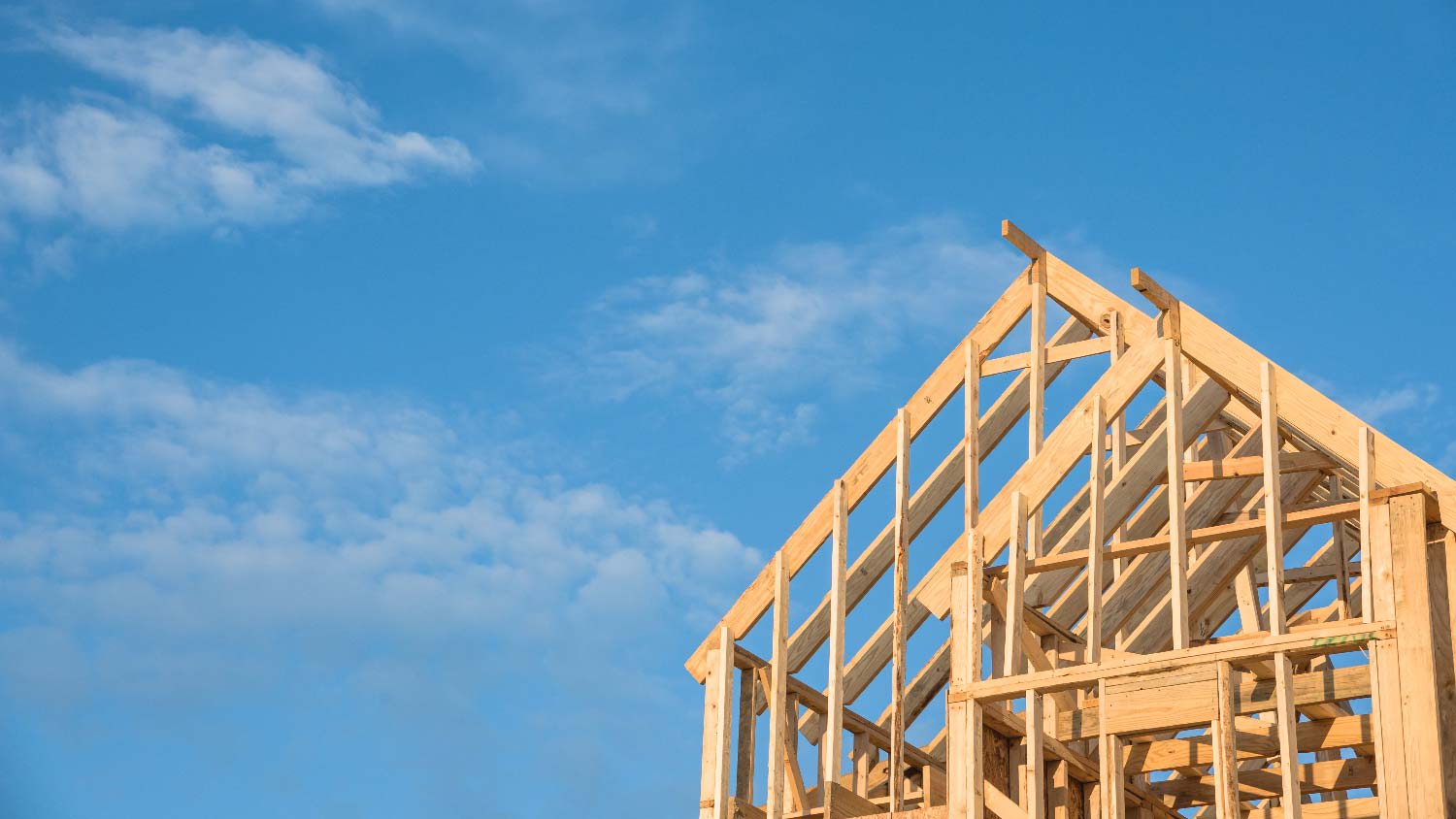
Understanding the available types of roof trusses helps you create the desired shape and support for your roof. Learn more about the different options.
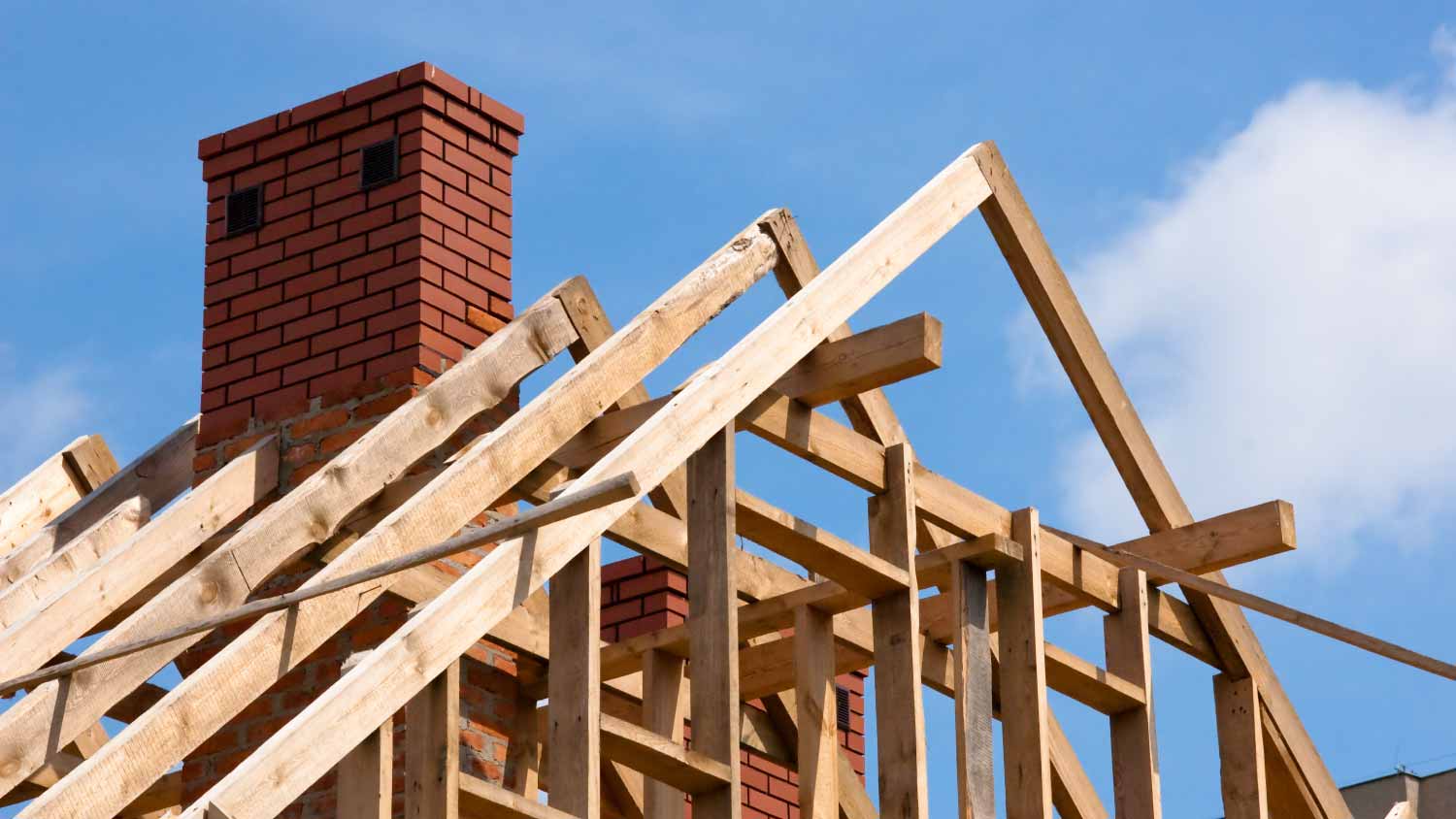
Learn about the pros, cons, and major differences between roof rafters and trusses, including strength, cost, ease of installation and more.
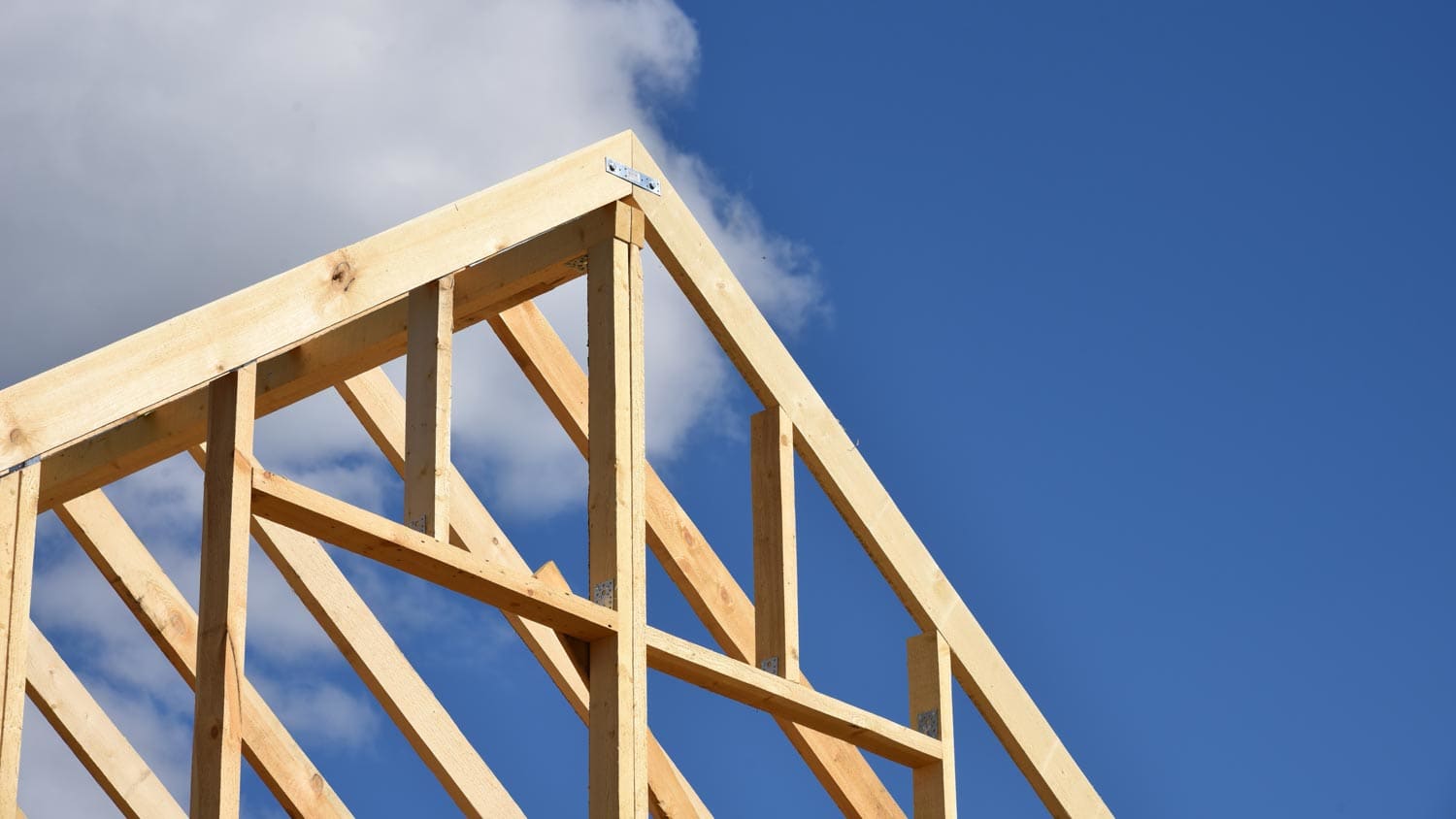
Learn how to build roof trusses as a DIY project for a house, garage, shed, or addition and install them yourself to save time and money.