


Top-rated drywall pros.

Get matched with top drywall pros in Norwalk, OH

Enter your zip and get matched with up to 5 pros

Need a pro for your drywall service project in Norwalk, OH?

Select your specific project to find the pro for you.

TRUSTED BY NORWALK, OH HOMEOWNERS

  • Average homeowner rating star icon4.2
    Average homeowner rating
  • Verified reviews icon25
    Verified drywall services reviews

Find Drywall pros in Norwalk

Avatar for Codi's Painting Services
Codi's Painting Services
New to Angi

Serving Norwalk, OH and surrounding areas

Approved

Free estimates

Emergency services offered

Small jobs welcome

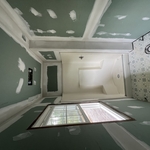
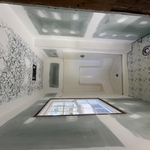
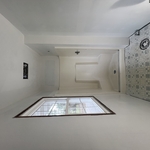
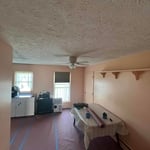
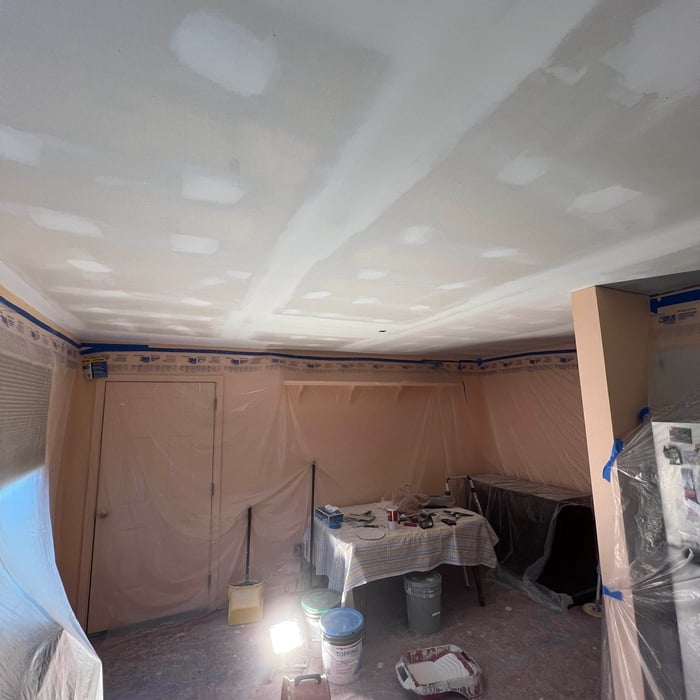
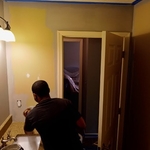
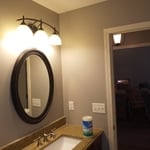
I have been painting full time for 6 years. I take pride in every step of the process from meeting new clients to achieving a great finished result! I offer small drywall repair and Interior/Exterior painting services to Shelby,Oh and surrounding areas as well as a free estimates! Ceilings, walls, trim, furniture and more! Amazing quality at an affordable price and the willingness to go the extra mile to make sure my clients project turns out exactly how they had imagined it.

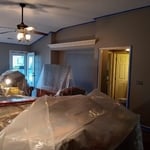
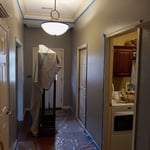
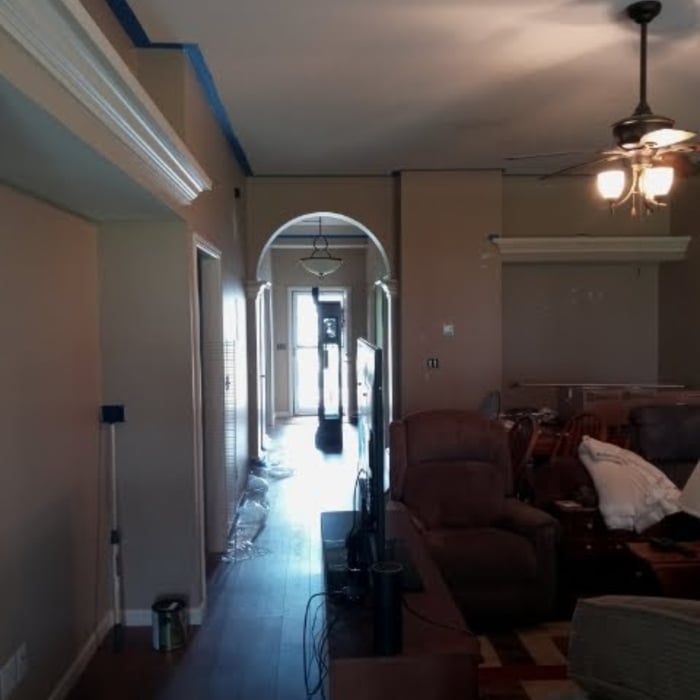
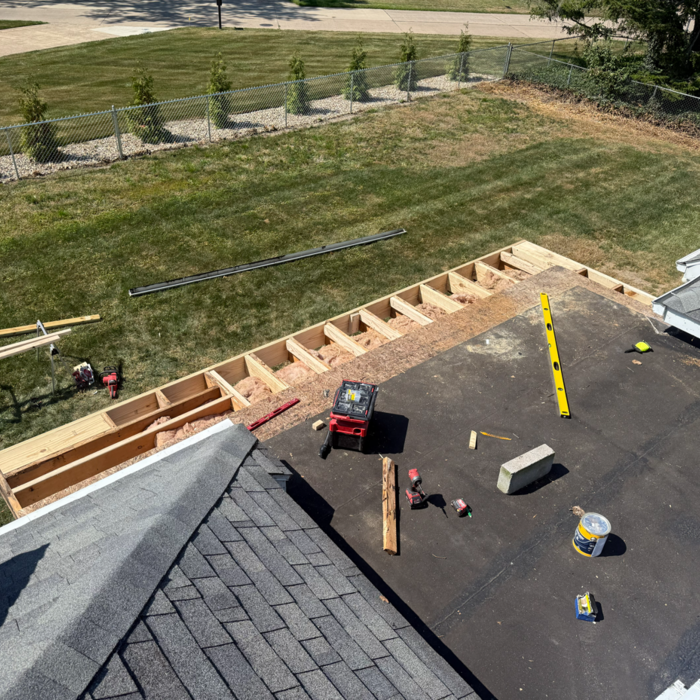
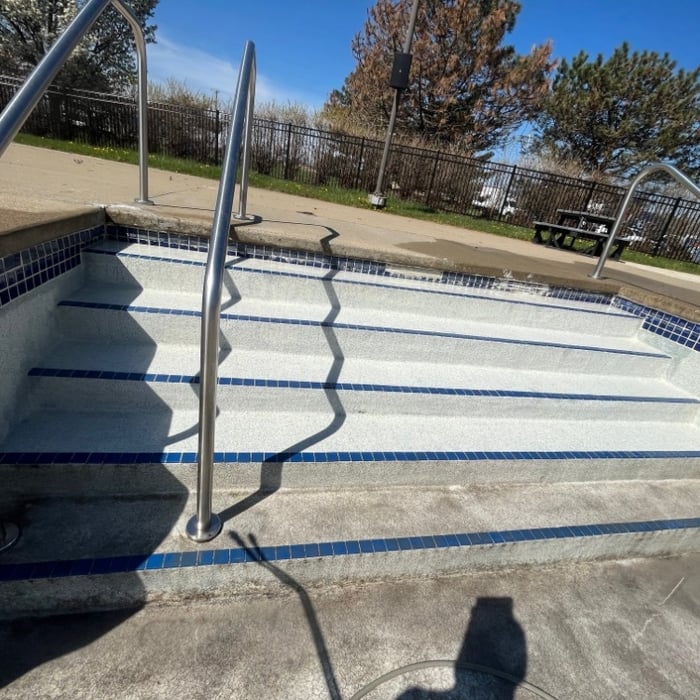
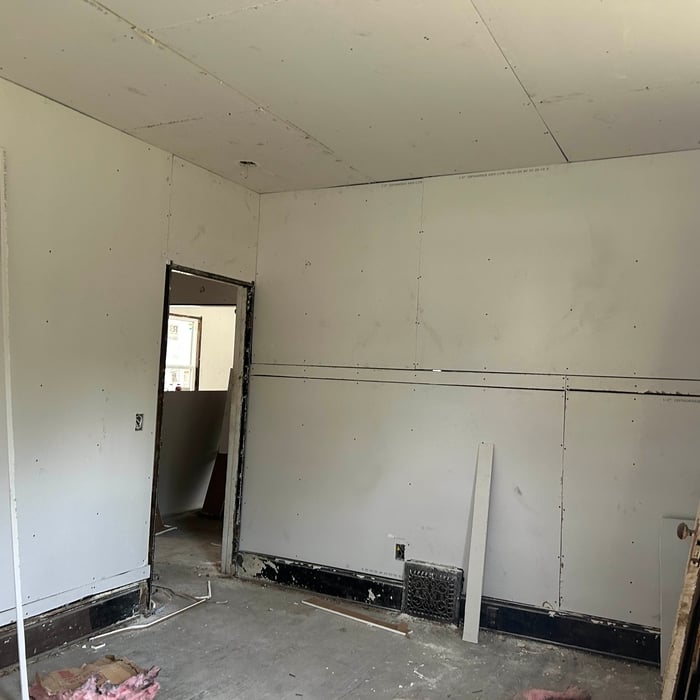
Before
Before
Before
After
After

+26

...
Showing 1-10 of 86
Drywall questions, answered by experts

Walls should be as smooth as possible before applying peel-and-stick wallpaper. Although you technically can apply wallpaper on textured walls, the peel-and-stick variety won’t last long without a clean, smooth surface for the adhesive to stick to. If you have textured walls, consult a pro about removing the textured finish before moving forward with wallpaper.

Yes, you can speed up the time it takes for plaster to dry, but it's important to do so carefully to avoid issues like cracking or crumbling. Proper ventilation is key; open a window or use a fan to circulate air in the room. Heat can also accelerate drying, but be cautious, as too much heat can cause the plaster to dry too quickly and crack. Check the plaster's packaging for the recommended drying temperature and set the room's thermostat accordingly. While managing humidity is important, avoid using a dehumidifier, which can remove moisture too aggressively and result in crumbly plaster.
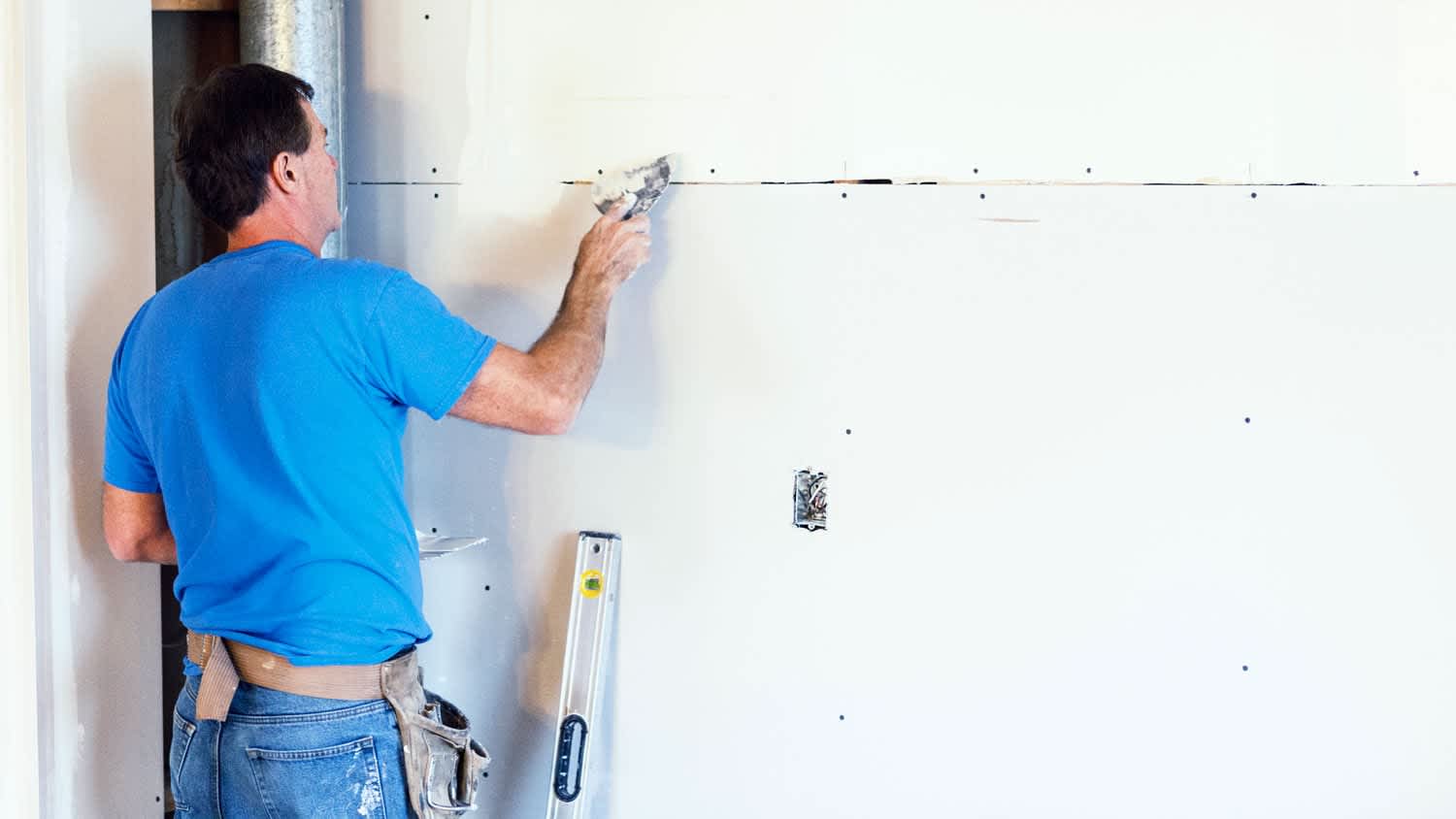
The age of your home can clue you in to whether you have plaster or drywall ceilings. Homes built after the ‘70s are more likely to have drywall ceilings and walls, while older homes have plaster. You can also do the pushpin test: A pushpin will go into drywall, whereas it’s much harder to push one into a plaster wall. If you’re still unsure, ask a drywall professional to let you know which type of ceilings and walls you have.

Look for flaking paint or air bubbles that burst and then flake away. Paint will begin to flake after being exposed to minimal moisture or water, so it’s a good indicator of any water damage. If you notice your paint starting to flake, feel the plaster underneath to see if it is soft or damp.

Although they have similar applications, spackle and joint compound are not the same. Their primary differences lie in their composition, consistency, and ideal use cases.

Spackle is composed of gypsum and binding agents, making it thicker than joint compound. It dries quickly and is easy to sand, which makes it ideal for small wall repair projects like filling nail holes or patching minor damage.

Joint compound, also known as drywall mud, consists of limestone and gypsum. It is primarily used for large-scale projects, such as taping and finishing the seams on newly installed drywall. It tends to shrink more than spackle and can be more difficult to spread.

While both products can be used to fill small depressions and cracks, spackle cannot replace joint compound for taping and mudding new drywall. Conversely, you can often use joint compound for small patching jobs typically done with spackle.

The Norwalk, OH homeowners’ guide to drywall services

From average costs to expert advice, get all the answers you need to get your job done.