

Top-rated drywall pros.

Get matched with top drywall pros in Castalia, OH

Enter your zip and get matched with up to 5 pros

Need a pro for your drywall service project in Castalia, OH?

Select your specific project to find the pro for you.

TRUSTED BY CASTALIA, OH HOMEOWNERS

  • Average homeowner rating star icon4.5
    Average homeowner rating
  • Verified reviews icon37
    Verified drywall services reviews

Find Drywall pros in Castalia

Avatar for Codi's Painting Services
Codi's Painting Services
New to Angi

Serving Castalia, OH and surrounding areas

Approved

Free estimates

Emergency services offered

Small jobs welcome

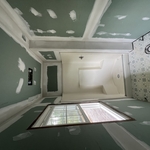
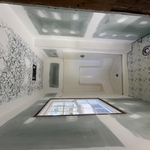
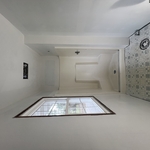
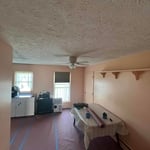
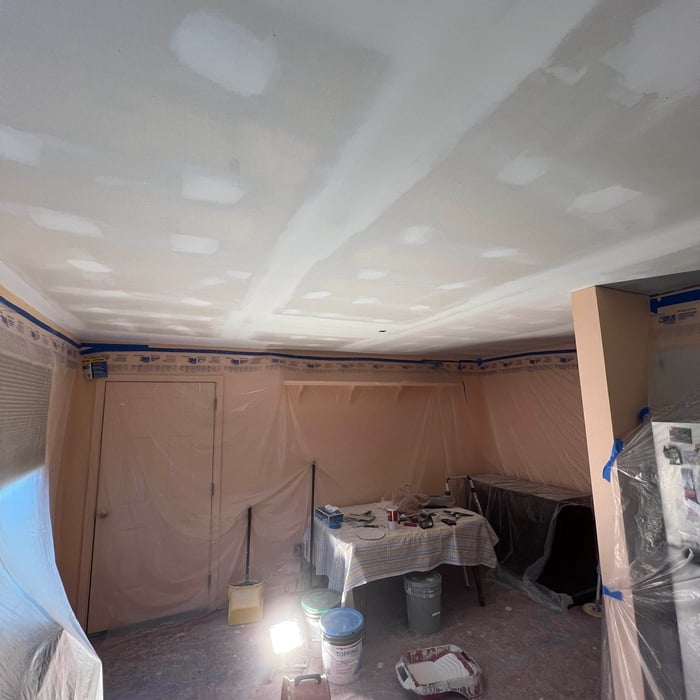
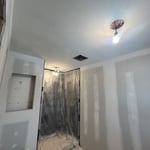
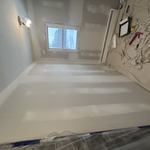
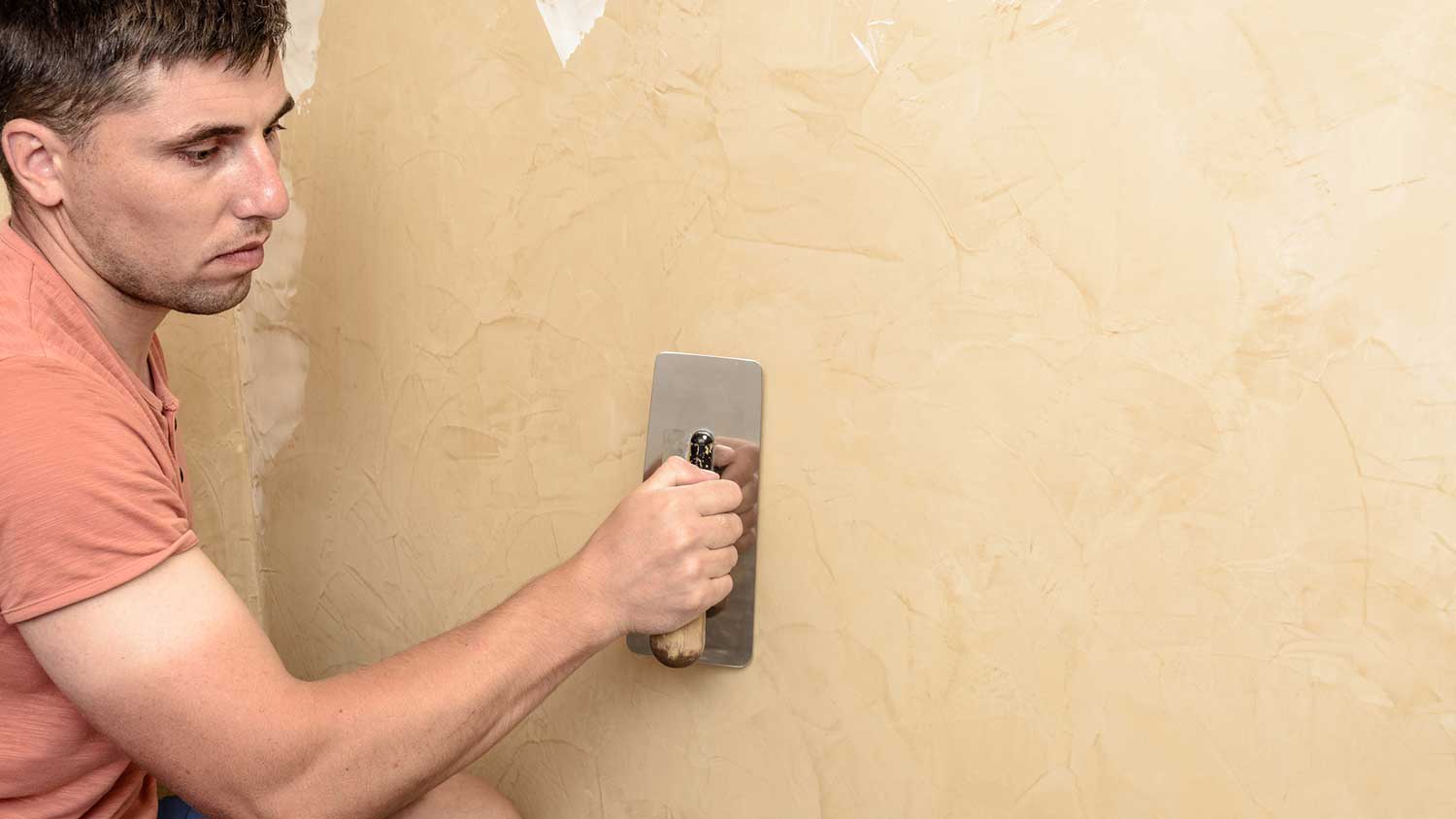
I have been painting full time for 6 years. I take pride in every step of the process from meeting new clients to achieving a great finished result! I offer small drywall repair and Interior/Exterior painting services to Shelby,Oh and surrounding areas as well as a free estimates! Ceilings, walls, trim, furniture and more! Amazing quality at an affordable price and the willingness to go the extra mile to make sure my clients project turns out exactly how they had imagined it.

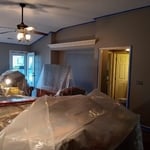
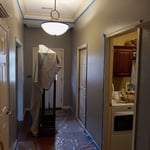
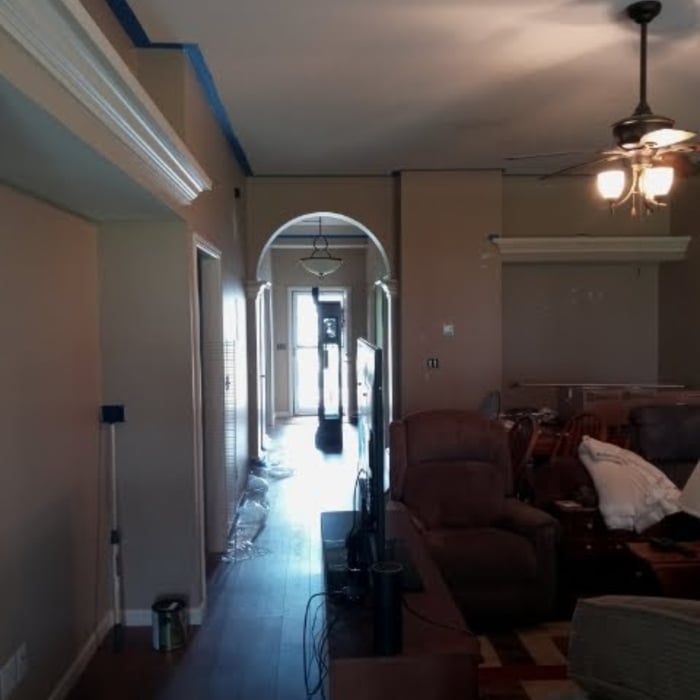
Before
Before
Before
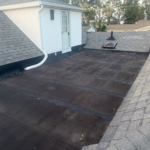
After
After

+26

...
Showing 1-10 of 93
Drywall questions, answered by experts

Although they have similar applications, spackle and joint compound are not the same. Their primary differences lie in their composition, consistency, and ideal use cases.

Spackle is composed of gypsum and binding agents, making it thicker than joint compound. It dries quickly and is easy to sand, which makes it ideal for small wall repair projects like filling nail holes or patching minor damage.

Joint compound, also known as drywall mud, consists of limestone and gypsum. It is primarily used for large-scale projects, such as taping and finishing the seams on newly installed drywall. It tends to shrink more than spackle and can be more difficult to spread.

While both products can be used to fill small depressions and cracks, spackle cannot replace joint compound for taping and mudding new drywall. Conversely, you can often use joint compound for small patching jobs typically done with spackle.

If the holes in the plaster are small, you can fill them with layers of patching plaster until they’re filled. After it dries, you can sand the plaster and paint over it. If the hole is much larger, consider using bonding plaster first and then a layer of patching plaster, completing the process with sanding and a layer of paint.

Whether a drywall anchor can be reused depends on its material, type, and the method of removal. Plastic anchors, including expansion and self-drilling types, are generally designed for single use as they tend to break or deform upon removal. Metal anchors, such as toggle bolts, are more durable and may be reusable if they are not damaged during extraction. However, with toggle bolts, the toggle piece can fall into the wall cavity when the bolt is removed, making it difficult to retrieve. If an anchor is damaged during removal, for instance by having its head cut off, it cannot be reused regardless of the material.

You’ll want to inspect your plaster walls for signs of damage before painting. If you notice soft spots, deep cracks, bubbling, or areas where the plaster is crumbling or pulling away from the wall, it likely needs repair. While small hairline cracks are common and likely cosmetic, you should address larger issues before painting to ensure a quality, smooth finish.

If you only have tiny holes in your drywall (for example, dents or nail marks), you probably won’t need a patch kit. Instead, you can plug the hole with a small amount of spackle. Once the spackle dries, you can sand the area and paint over it—just like you would in the steps outlined above.

The Castalia, OH homeowners’ guide to drywall services

From average costs to expert advice, get all the answers you need to get your job done.