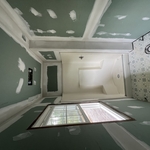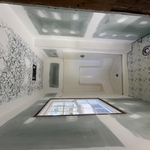




Top-rated drywall pros.

Get matched with top drywall pros in Lakeside Marblehead, OH

Enter your zip and get matched with up to 5 pros

Need a pro for your drywall service project in Lakeside Marblehead, OH?

Select your specific project to find the pro for you.

TRUSTED BY LAKESIDE MARBLEHEAD, OH HOMEOWNERS

  • Average homeowner rating star icon4.5
    Average homeowner rating
  • Verified reviews icon36
    Verified drywall services reviews

Find Drywall pros in Lakeside Marblehead

Avatar for Precision Drywall Installation & Repair
Precision Drywall Installation & Repair
4.9(
39
)

Serving Lakeside Marblehead, OH and surrounding areas

In business since 2006

Free estimates

Credit card accepted

"Jose did an amazing job repairing drywall that I thought would need replaced. The installation and finishing of new drywall as well was done quickly and professionally. He was able to smooth out damaged walls and textured ceilings with exquisite detail which saved me a lot of money and time from not having to buy and replace drywall needlessly. The cost was reasonable for the high quality of the work and the time it took to complete."
Response time10 hrs
Response rate87%
Recommended by87%of homeowners
...
Showing 1-10 of 69
Drywall questions, answered by experts

You can put certain types of plaster over other types, but doing so isn't always the best idea. For example, putting a coat of gypsum over lime plaster is possible, but doing so will limit the lime plaster's breathability and potentially affect its performance.

Since cement plaster tends to leave a textured surface, no matter how much you smooth it, some people prefer to use gypsum plaster as a topcoat over cement plaster, creating a smoother surface.

Yes, taping inside corners is a critical step in the drywall installation process.  Properly taping inside corners is essential for achieving a professional look, and an installation that resists cracking and maintains its integrity over time. Taping the corners involves the application of a joint compound along the seam where two drywall pieces meet. This process provides reinforcement, conceals the seam, and prevents future gaps or cracks from developing.

When choosing materials for finishing basement walls, consider factors such as moisture resistance, durability, and fire resistance. Opt for materials specifically designed for basement environments, like moisture-resistant drywall or cement board. Insulation with vapor barriers can help regulate temperature and prevent condensation. Consider using mold-resistant paints or coatings. 

Research and consult with experts to select materials that are suitable for your specific basement conditions and intended use. Prioritize quality and compatibility to achieve long-lasting and aesthetically pleasing results.

Whether you need a drywall anchor depends on the specifics of your project, particularly what you're hanging and where. You do not need a drywall anchor if you can screw or nail the object directly into a wooden stud, as the wood provides sufficient support and stability. However, if there are no studs in the location where you plan to hang the item, you should use drywall anchors to ensure it is securely supported. For very lightweight objects, like small pictures, adhesive picture hanging strips can be a suitable alternative to anchors.

Yes, small, superficial cracks are normal as homes settle. Older homes have a higher chance of showing signs of settling through hairline cracks from temperature changes, moisture changes, and soil shifting. However, larger cracks, or discolored cracks from water damage, may signify a bigger problem that requires reparations and preventative measures.

The Lakeside Marblehead, OH homeowners’ guide to drywall services

From average costs to expert advice, get all the answers you need to get your job done.