"Delving Company responded quickly to my request. Micah did an excellent job rectifying the roach problem. He was timely, professional and informative. I would highly recommend this company for pest control!"
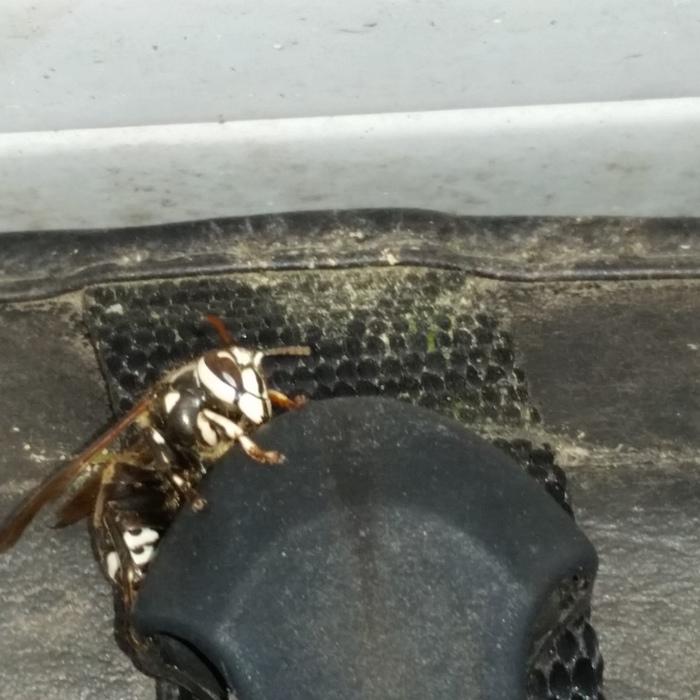
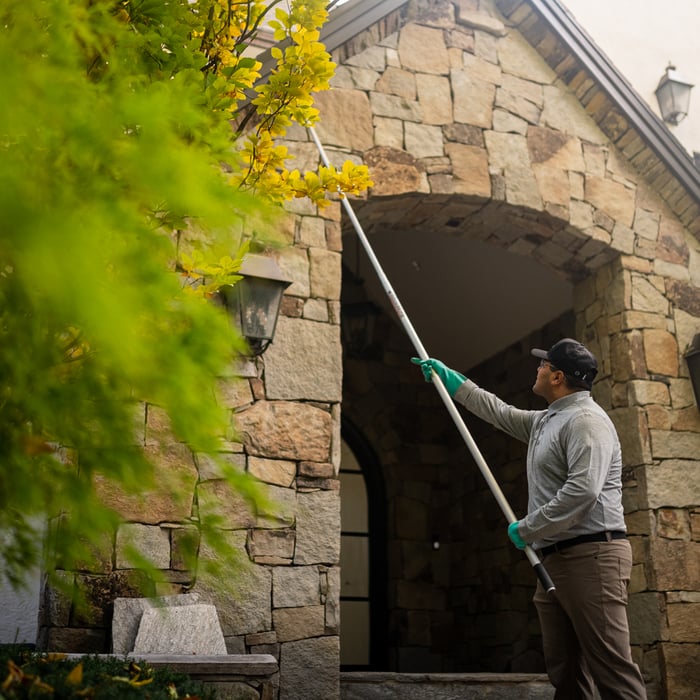
"Kody was very responsive and quoted a very reasonable price to remove two yellow jackets nest that were in our yard. On top of that, he alerted me of some bagworm issues I was having with a bush in our back yard that I was completely unaware of. I would 100% recommend him to anyone needing professional help with any type of pest control. Thanks again for your great service Kody."
"Very knowledgeable guy who seem to know what he’s doing. Don’t know results of spraying. Have had much rain since. Will have to see if it worked. Terminex will spray again the beginning of next month."
"I had a fantastic experience with Ehrlich Southeast. Their customer service was excellent, from scheduling the appointment to the completion of the service. Their technicians were friendly, knowledgeable, and efficient, and they ensured my property was pest-free. I highly recommend them to anyone in need of pest control services."
"Very professional, skilled technicians. Did the job, currently waiting to see the results. Activity around the exterior "appears" to have diminished, but time will tell."
"I had them for about 20 years now. They do a good job and their rate is reasonable. They are good. They come every other month, make an appoint and they come, they spray, do their job and they are very professional."
"He came out to do the job promptly. Got started but weather would not permit him to finish that day. He came back the very next day to get it done. Prices were reasonable. I would recommend him to anyone who has pest control needs. Whether quarterly or immediately. He was very friendly and accommodating."
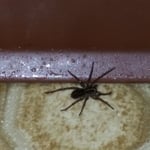
Yes, both hobo and wolf spiders resemble brown recluse spiders, both in habitat and physical appearance. However, these species lack the tell-tale violin-shaped markings under the head that classify a brown recluse. Both species also have shorter legs than the dreaded brown recluse.
Groundhogs are non-aggressive animals that are afraid of humans. They forage for vegetation in yards and gardens, so they can often be seen as a nuisance if you spot one on your property. That said, if you happen to get bitten or scratched by a fearful groundhog, be sure to get checked by a doctor, as they could carry infections or diseases like rabies, Lyme, or the rare tularemia.
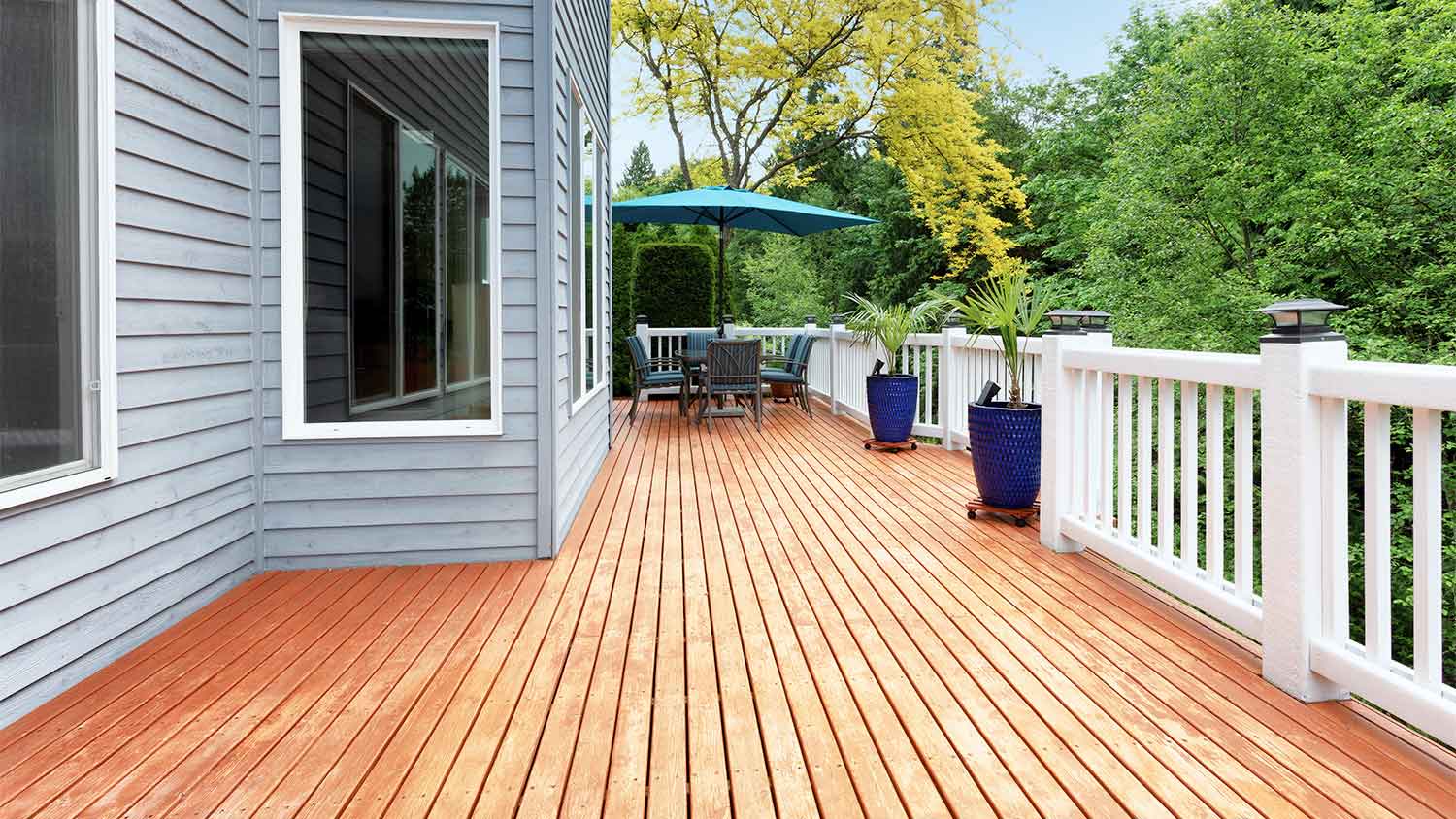
While pressure-treated wood offers extra protection against decay and insects, it’s not entirely immune to termites. These pests can still snack on treated wood, so if you spot them, be ready for termite treatment costs that range anywhere from $73 to $1,730. However, your final price ultimately depends on how bad the infestation is and the treatment method. To keep your deck and home safe, regular inspections and preventative measures — like sealing gaps around the home and installing screens on doors and windows — are essential to protect your home, saving you from costly repairs in the future.
Roof rats get their name because they’re most often found in attics or the area around the attic. They often use tree limbs that hang over a roof to get into a home’s attic and look for shelter. Once inside, they not only like the attic space but can also burrow themselves into soffits or small holes in the ceiling and build their nest.
Yes, integrated pest management uses less harmful methods and focuses on prevention.
The Norwalk, OH homeowners’ guide to pest control services
From average costs to expert advice, get all the answers you need to get your job done.