
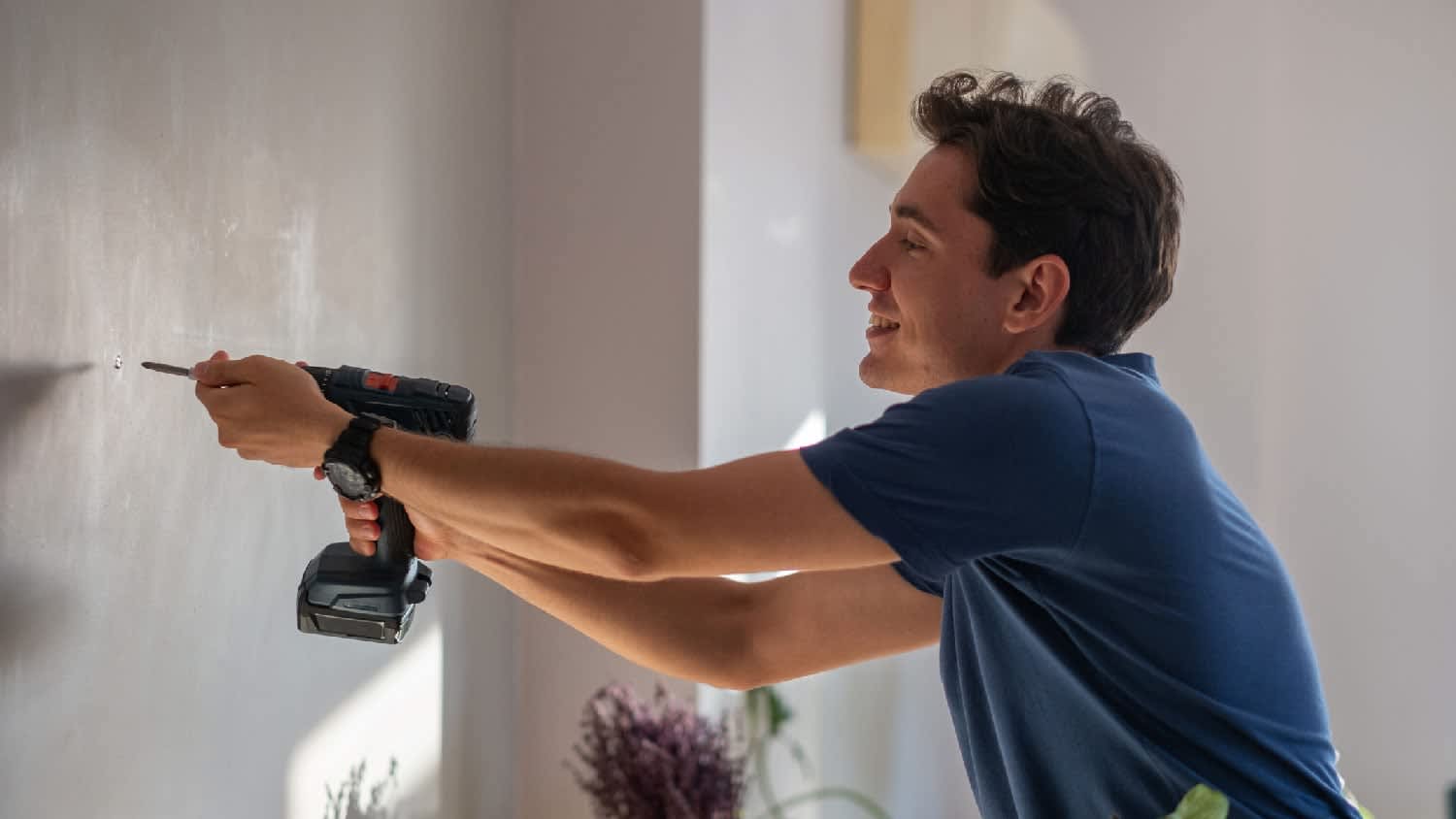
What size drywall screws you should use depends on the thickness of your drywall and the stud material. This guide can help you choose the perfect match.
To screw or to nail—that is the question

Drywall nails attach drywall with a hammer, while drywall screws use threads that grip studs more securely for your ceiling projects.
Drywall nails cost $4 to $8 per pound, while screws cost around $5 per pound, though you'll use fewer screws overall.
Screws create uniform indentations and resist popping better than nails, giving you a smoother finish that lasts longer without repairs.
Hiring a local drywall professional takes the guesswork out of fastener choice and installation depth, keeping your walls smooth and secure.
Hanging drywall requires attaching drywall sheets to the studs with nails or screws, taping and mudding the joints for a smooth finish, and painting the finished drywall to complete the look. Drywall nails and screws achieve the same result—they attach the drywall to the studs—but they each offer different benefits and challenges. Weighing the following differences can help you make the best decision for your drywall project.
Drywall nails and screws attach and securely hold drywall to a stud. While they serve the same function, key differences make one better suited for drywall installation than the other. Drywall screws provide a stronger connection between the drywall and the supporting stud because their threads grip the material better than nails, even ring-shanked ones meant for drywall. Because of this, you’ll need fewer screws to secure the drywall.

Nails are suitable for attaching drywall to walls, but they aren’t the best choice for installing drywall, especially drywall on a ceiling due to the pressure from gravity. If you’re unsure which to use for your project, a drywall contractor can help you choose the best material.

Drywall nails move through the drywall and sink into the stud. Today’s drywall nails are often ring-shanked, meaning there are small rings along the shaft. This gives them a better grip and helps prevent nail pop—when the nails “pop” out of the drywall, creating rounded, protruding blemishes.
Drywall nails also have a “cupped” head into which the joint compound can settle to create a smooth, level finish after taping the seams. Some nails are coated in phosphate, making driving them into the drywall and stud easier. They’re the more affordable of the two types of drywall fasteners.
| Pros | Cons |
|---|---|
| No special tools needed | Not best for ceiling drywall |
| Less expensive than screws | More nails than screws are required |
| Available in various sizes | Prone to nail pops |
Best for:
DIYers who don’t want to purchase a screw gun
Projects on a tighter budget
Homeowners who are handy with a hammer
Drywall nails are less expensive than drywall screws. It costs between $4 and $8 for a 1-pound box of drywall nails, some of which contain over 300 nails, depending on the gauge and the length. Drywall screws cost around $5 for a 1-pound box and contain as few as 75 screws and up to 300 screws or more, and the price also depends on the length and gauge. You also won’t need special tools other than a hammer to use drywall nails.
Nails aren’t as effective at holding drywall in place as screws, and the International Residential Code (IRC) requires less spacing between nails than screws, so you’ll need more nails per sheet of drywall than screws. They’re not a good option for hanging drywall on the ceiling as they don’t offer as much security against the force of gravity as screws do.
Drywall nails are also more prone to “pop.” Nail pop happens when a nail works its way out of the drywall and creates a small, round protrusion, as mentioned above. These can be unsightly and may indicate that the drywall isn’t securely fastened to the wall.

Drywall screws are made to hold drywall to its supporting stud, which can be wood or metal. The fluted head of the screw allows it to sink into the drywall at relatively uniform depths, making a smooth finish much easier. Different drywall thicknesses require different drywall screw sizes, so they come in various lengths and gauges.
| Pros | Cons |
|---|---|
| Create uniform indentations | Cost more than nails |
| Less likely to pop | Requires screw gun |
| Stronger grip strength | Takes practice to get the right depth |
Best for:
Ceiling drywall projects
Drywall that requires extra security
Homeowners who own the appropriate tools
Drywall screws are designed for drywall installation, so don’t try to use wood screws in drywall. Installing drywall with the correct screws is easier than it is with nails because they have threads and a sharp point that can go through drywall with ease. Because of the thread design, they hold the drywall more securely to the studs than nails and are the best choice for ceiling drywall installation.
They also have a bugle shaped head that sinks to the appropriate depth in the drywall without breaking the paper. Because of these features, once the drywall is installed and the seams taped and mudded, drywall screws are less likely to “pop” than nails.
It takes some practice to get the depth of the screw just right, but the bugle (the fluted head design) helps the screw stay in place and creates the right indentation depth, making taping and mudding the seams easier. Drywall screws cost more than drywall nails, but you won’t use as many of them, which helps balance out the cost. And using screws requires a screw gun in addition to the other necessary tools for drywall. If you don’t already have these tools on hand, they will add to your costs.

When it comes down to choosing whether to use drywall nails or screws, these factors can help you make the right decision. You can also ask your local drywall contractor which material they prefer.
Screws feature a threaded shaft that allows the screw to bite into the wood, holding the drywall securely to studs on walls and ceilings. If you need an even stronger hold, you can glue drywall by applying construction adhesive to the studs (before installing the drywall). This can strengthen the connection even more, and depending on building codes, you may be able to use fewer screws.
A box of drywall screws can cost slightly more than a box of drywall screws, but you’ll get fewer screws per box. But because you’ll have to use more nails than screws per sheet of drywall to secure it to the stud, the cost may end up balancing out despite initial appearances.
While screws require a drill or screw gun to drive them into the drywall and stud, they’re still easier to install than nails that you have to repeatedly pound with a hammer. If the screw gun has a magnetic tip and sleeve to hold the screws in place, it’s even easier.
At first, it may seem like the appearance of drywall screws and nails won’t matter. They’re covered by tape, mud, and paint, after all. But because nails are more likely to pop than screws, screws will be the better choice if you want to keep your drywall smooth.
Cancelled appointment two hours after they were supposed to come for drywall work.
 Hutch And Sons Drywall Services
Cole has been handling plumbing and general contracting for our four properties over the past three years, and he’s always done a great job. Most recently, he installed a sink and countertop in our retail store where none existed before, and it turned out exactly how we needed. He’s...
 ANB Renovations LLC
I would recommend this company to anyone! He showed up on time, was friendly, completed a very difficult repair on our dryer vent cover, was responsive, and pricing was extremely fair and competitive. I would have him back to do any of our repairs or cleanings without hesitation!
 U.S.A. Dryer Vent, LLC
I cant stop admiring my newly painted walls. Custom Paint Jobs LLC made my house feel brand new.
 Custom Paint Jobs, LLC
Excellent experience with hiring Tether House to Mount our 77’ Samsung TV in our bedroom. Fast, friendly, and knowledgeable. Highly recommend.
 Tether House
Excellent customer service and knowledge. I was recommend to him from my neighbour. My front door and window came in great and were installed beautifully perfectly, I m very satisfied with their excellent work, so decided to order one more big bow window for my living room. I cant wait for...
 Window Depot USA of Central Ohio
Would hire again. Wall looks great. Happy with job.
 Central Paving
Involved an extensive bathroom remodel, including removing tub & installing walk in shower, new drywall, custome tile work to ceiling, plumbing, etc. Overall, job was done on time and on budget. Nick & his team were very professional and had high attention to detail. Quality was great. Highly...
 Stamos Flooring and Remodeling LLC
We have had a great experience with Rising Height for the past five years on a number of miscellaneous renovation projects. They laid flooring for us and had a very good sub do the finish. Installed drywall for a vaulted ceiling, finished an attic/loft with new subfloor, framing and drywall,...
 Rising Height Unlimited
Mr. Lopez was super nice and professional. He repaired our drywall just as he described during the estimate phase. Our dining room wall looks great again! Thanks Mr. Lopez!
From average costs to expert advice, get all the answers you need to get your job done.
What size drywall screws you should use depends on the thickness of your drywall and the stud material. This guide can help you choose the perfect match.
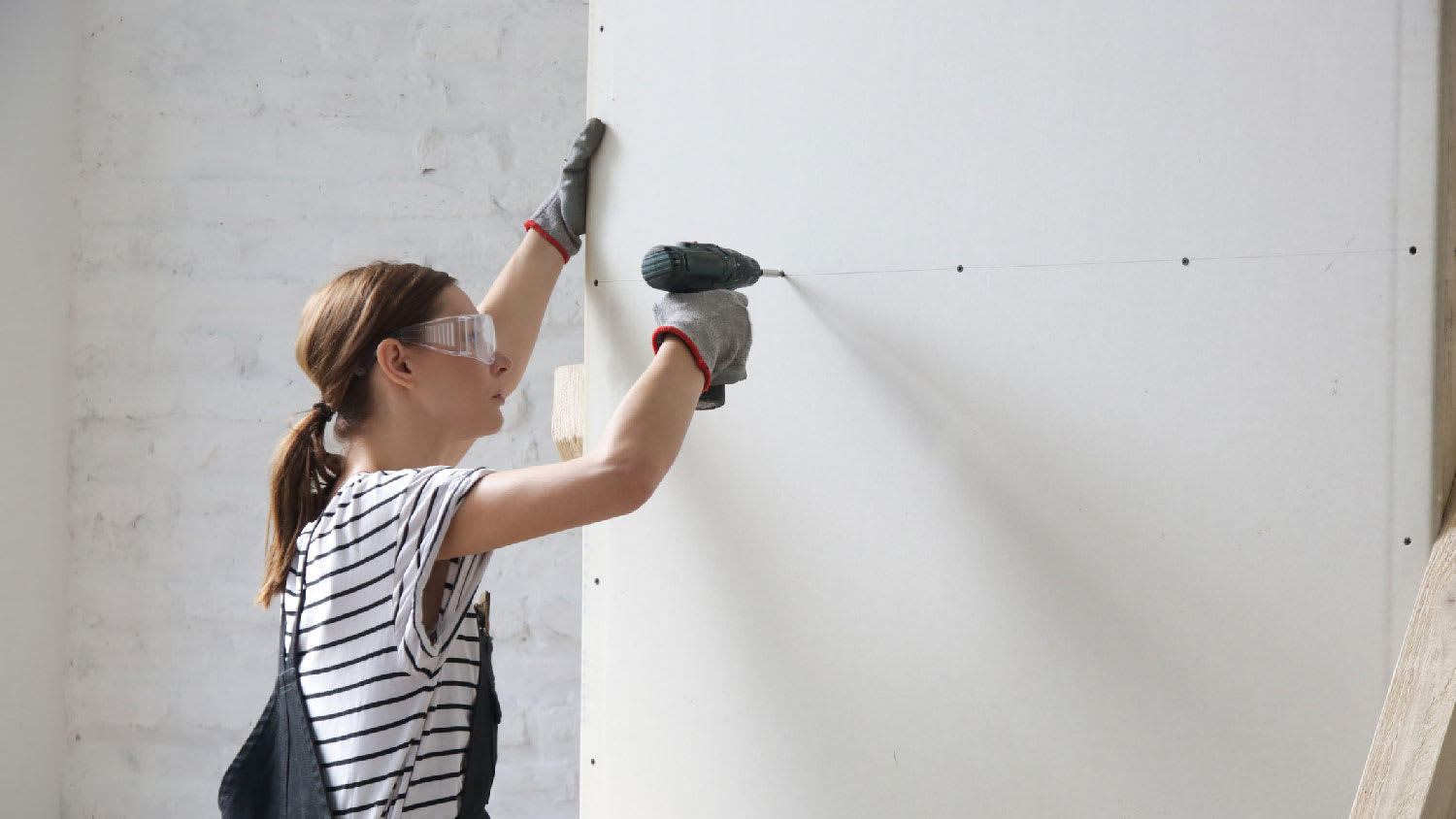
Looking to secure your drywall? Find out the pros, cons, and key differences between coarse versus fine drywall screws with this guide.
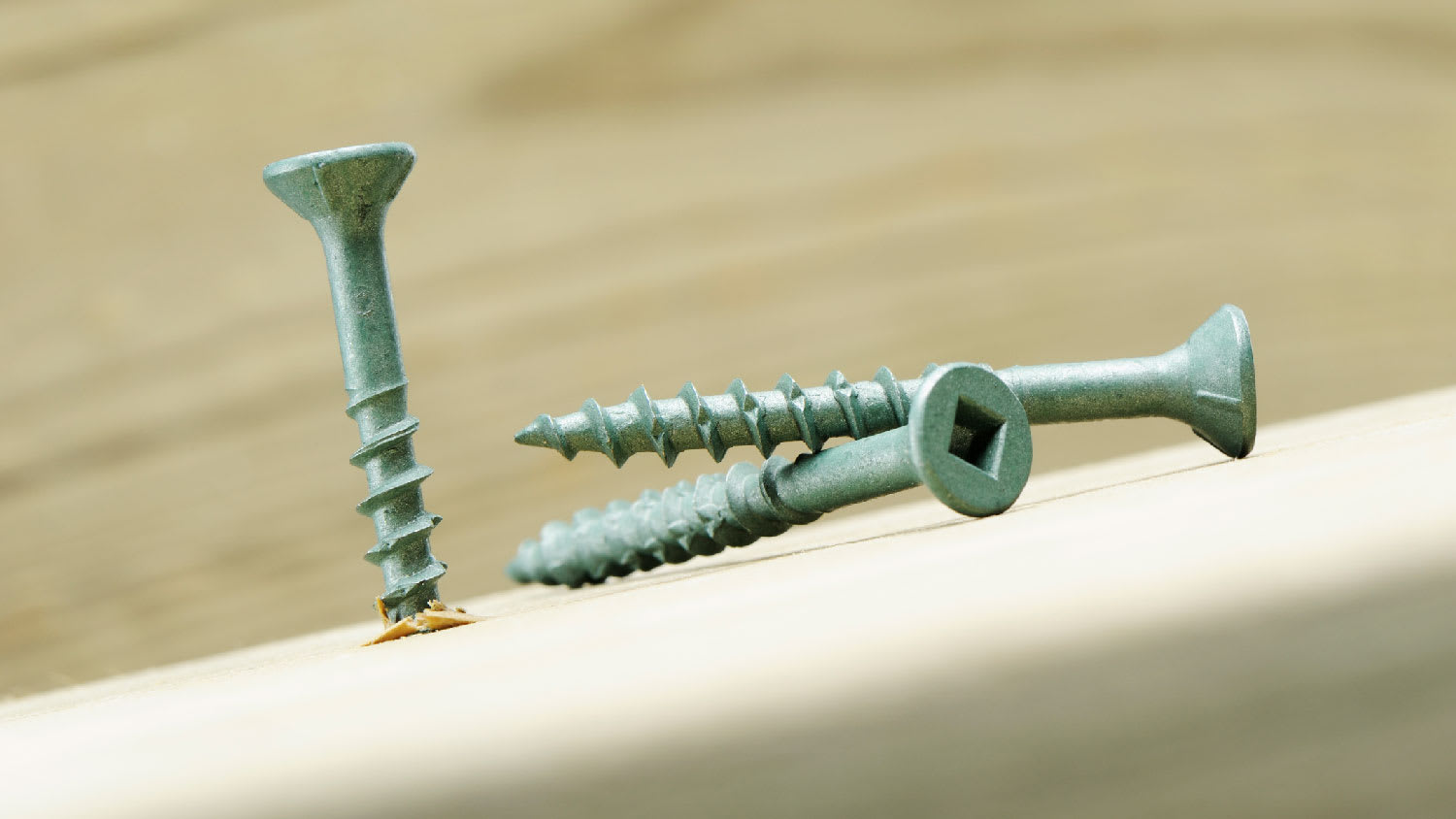
Confused about drywall screws versus wood screws? Learn their key differences, best uses, and which one to choose for your next project.
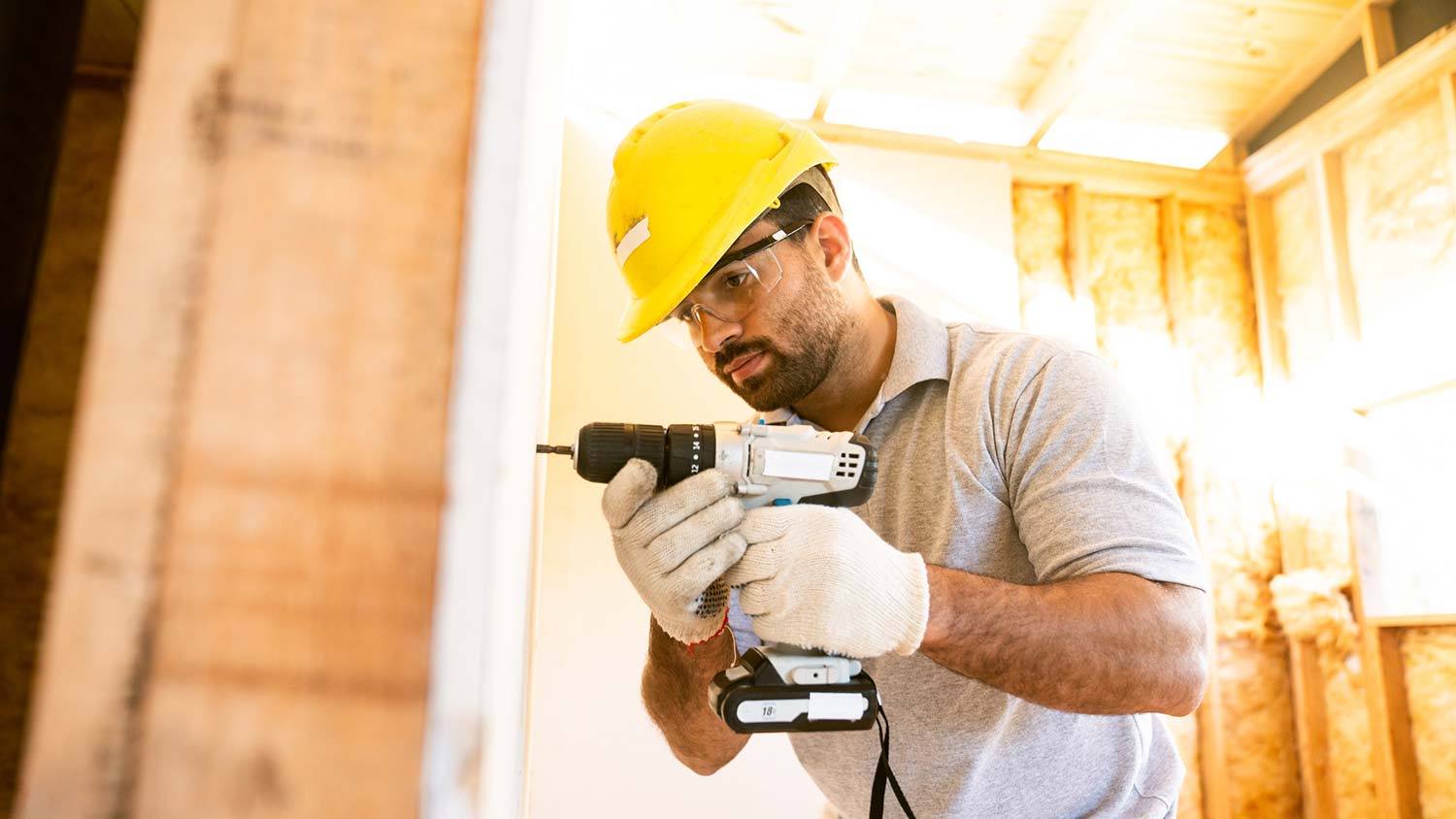
Before you dive into a drywall project, you’ll need to know how many screws to use per sheet of drywall. This guide will help you calculate the total number.
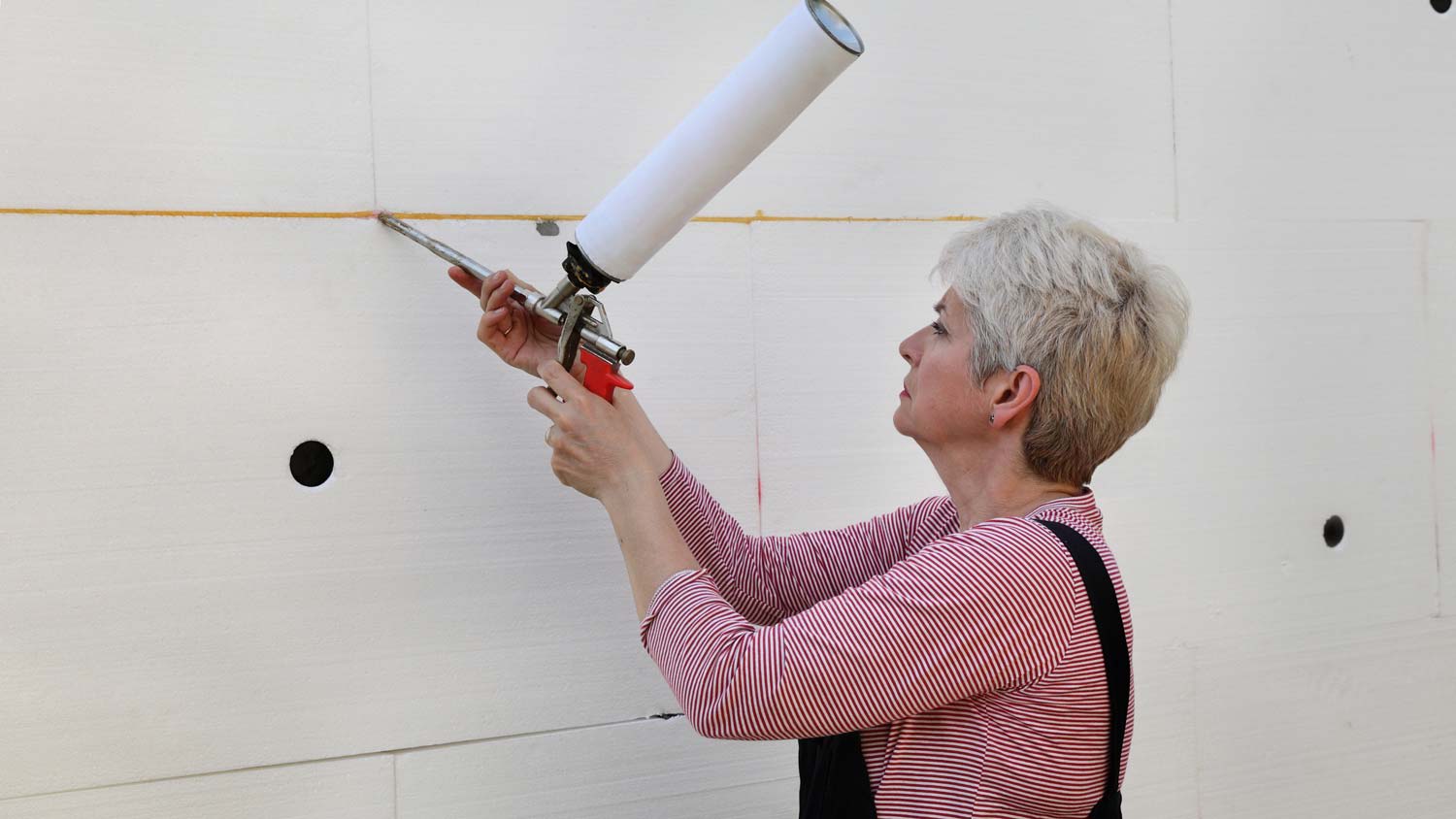
Wondering if you can glue drywall instead of nailing it in place? Learn the pros and cons of drywall adhesive here. We’ve done the research for you.
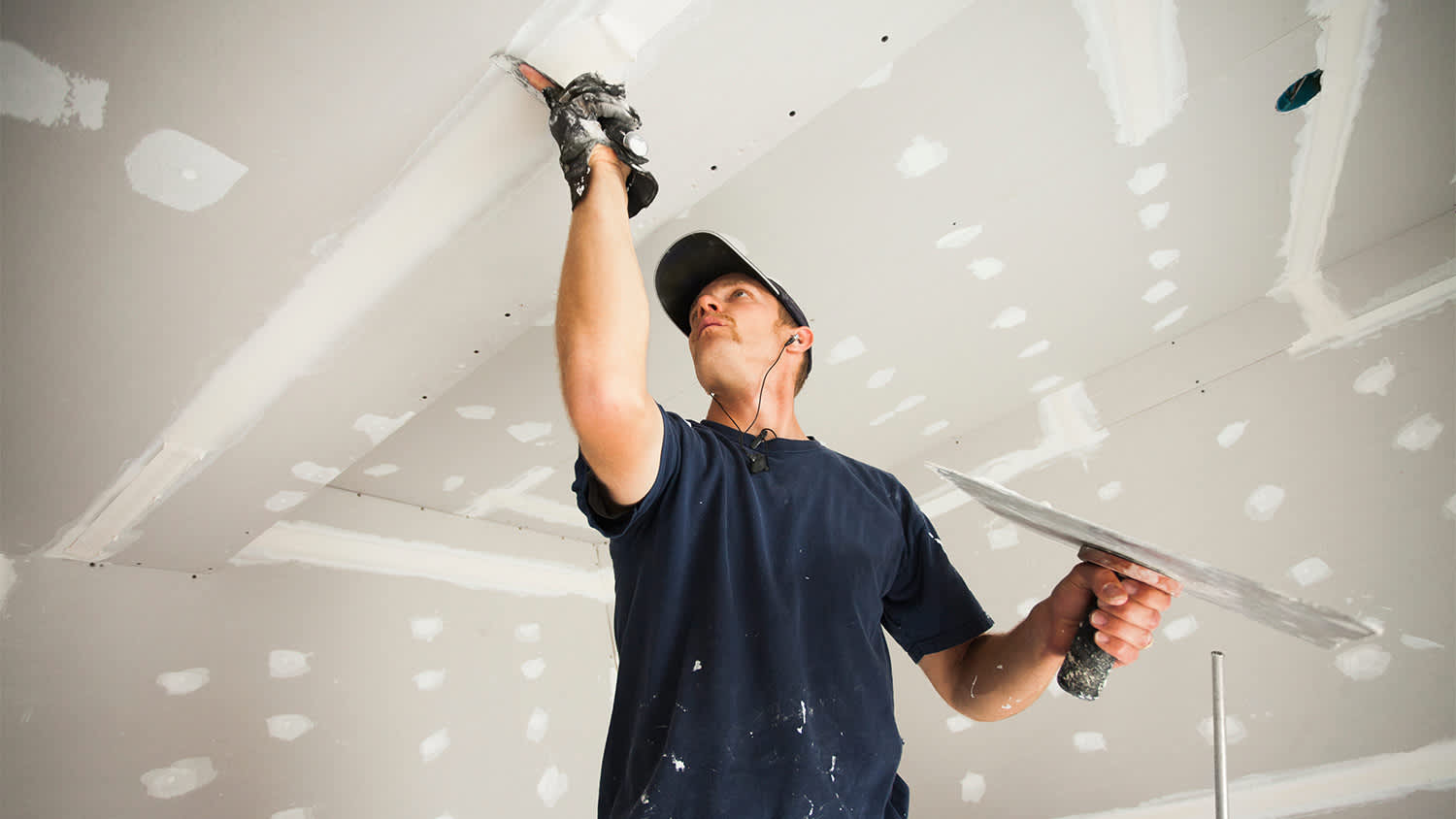
Ready to tackle that drywall project? Use this handy guide to make sure you have all the right tools for drywall perfection before you get started.