





Top-rated tree service pros.

Get matched with top tree service pros in Oakland, NE

Enter your zip and get matched with up to 5 pros

Need a pro for your tree service project in Oakland, NE?

Select your specific project to find the pro for you.

Find Tree service pros in Oakland

Avatar for M. S. Wiekhorst Arbor Company
M. S. Wiekhorst Arbor Company
5.0(
10
)
Tree RemovalTree Removal - For BusinessTree Stump - Remove+5 more

Serving Oakland, NE and surrounding areas

Free estimates

Emergency services offered

Warranties offered

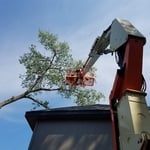
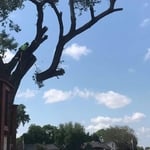
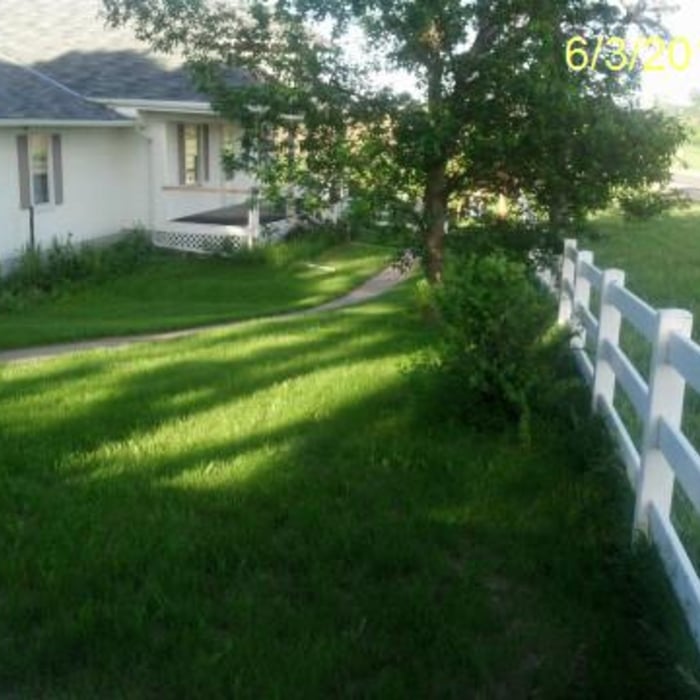
"The services performed went as smooth as expected. Mike was able to trim our biggest tree and remove an entire evergreen that had been exposed to bag worms. The work was quick and efficient and I would highly recommend him to anyone. We will definitely utilize his expertise in the future."
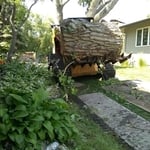
Large Cottonwood Removal

+12

Response time2 days
Response rate100%
Recommended by100%of homeowners
Tree Service questions, answered by experts

Usually, trees cannot grow back after their stump has been ground, but some very hearty types of trees can. For example, if you have a black locust or Redford pear, the grinding will need to go deep to prevent them from growing back. Ask your tree service or stump removal expert whether your tree can resprout after its stump is ground down.

While trees can grow in the curb strip between the sidewalk and the street, this placement often poses the problem of interfering with overhead power lines. It’s best to consult your local utility provider and tree planting service before transplanting a tree that might grow into power lines. Also, you should never work within 20 feet of a live power line to avoid the risk of electric shock. Tree branches should never touch nearby power lines, so it’s essential to ensure your tree isn’t in danger of growing too close to them.

For Bradford pears, damage from storms is common, and if the trunk splits, it can pose a danger to people and surrounding structures. The best thing to do in that instance is to have the tree removed. If there’s only minor damage to the branches, pruning away the damaged parts is the first order of business. You may also want to consult a professional arborist to make sure the tree is healthy.

Yes, it is highly recommended to remove tree stumps. Leaving them in the ground can lead to several problems, as they are not only unsightly but can also reduce your property's value. Stumps can obstruct landscaping plans, make mowing difficult, and hinder new growth. More importantly, they are prime breeding grounds for pests like termites, ants, and mice, which can spread to your home and cause costly damage to its wood and foundation. Stumps also attract fungi and diseases that can infect other healthy trees and plants in your yard. As a stump decays, it might sprout new, unwanted shoots. While removing a stump is an investment, it prevents these potential issues and enhances the safety, health, and appearance of your landscape.

There are a few general rules to follow that will help you prune your trees correctly. One of the most important rules is to prune during the correct season for the type of tree you have. Typically, pruning should be during late winter. For younger trees, you should not remove more than a ⅓ of the tree's crown when pruning. Also, remember to remove dead and diseased branches first, then proceed with pruning the rest of the tree.

The Oakland, NE homeowners’ guide to tree services

From average costs to expert advice, get all the answers you need to get your job done.