





Top-rated tree service pros.

Best tree service pros near Hooper, NE

Enter your zip and get matched with up to 5 pros

Need a pro for your tree service project in Hooper, NE?

Select your specific project to find the pro for you.

TRUSTED BY HOOPER, NE HOMEOWNERS

  • Average homeowner rating star icon4.1
    Average homeowner rating
  • Verified reviews icon13
    Verified tree services reviews

Top-Rated Tree service pros in Hooper - Updated Nov 2026

Avatar for M. S. Wiekhorst Arbor Company
M. S. Wiekhorst Arbor Company
5.0(
10
)
Tree RemovalTree Removal - For BusinessTree Stump - Remove+5 more

Serving Hooper, NE and surrounding areas

Free estimates

Emergency services offered

Warranties offered

"The services performed went as smooth as expected. Mike was able to trim our biggest tree and remove an entire evergreen that had been exposed to bag worms. The work was quick and efficient and I would highly recommend him to anyone. We will definitely utilize his expertise in the future."
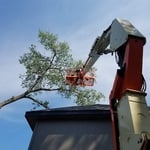
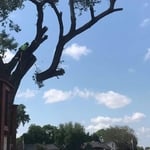
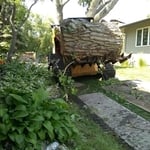
Large Cottonwood Removal

+12

Response time2 days
Response rate100%
Recommended by100%of homeowners

Avatar for Jan-C llc
Jan-C llc
New to Angi
Tree RemovalTree Removal - For BusinessTree Stump - Remove+3 more

Serving Hooper, NE and surrounding areas

Free estimates

Emergency services offered

Small jobs welcome

I’m a licensed and insured tree service professional serving the Omaha, Nebraska area. I’m also certified through the Nebraska Arborists Association, with a strong focus on safe, reliable, and quality tree care. I take pride in doing the job right, keeping customers informed, and treating every property with care. Whether you need tree trimming, removal, cleanup, or general tree maintenance, I’m committed to providing honest service and quality work.

Tree removal
Tree removal
Tree removal
Tree removal
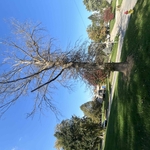
Dead birch tree

+3

Showing 1-10 of 11
Tree Service FAQs, answered by experts

Whether tree roots will continue to grow after a tree has been cut down depends on the species. Some tree roots will eventually die because they can no longer get nutrients through photosynthesis. However, other species that reproduce through root sprouts can continue to grow and produce new sprouts for seven years or more. For example, the roots of elms, ficus, and willows tend to regrow aggressively, while the roots of pines, oaks, and maples will typically die. To determine if a root system is still active, look for new sprouts on the old trunk, stump, or any exposed roots.

If you’re planning on keeping the tree, unless the roots are invasive, there’s no need to remove them, as doing so can cause damage to the tree. If the tree has been cut down and the stump and roots are left, grinding and removing the stump can cause root decay for some species. For other species, the stump and roots will need to be removed to prevent pests, disease, and possible tree regrowth.

It is possible to cut down a tree on your property yourself, but it is generally not recommended unless specific conditions are met. You should only consider this project if the tree is small (e.g., under 4-5 inches in diameter and short enough that you don't need a ladder to reach the branches), and you are experienced in handling a chainsaw. The tree must also be located far from any power lines, fences, homes, or other structures. Even for small trees, the work can be dangerous, and it's always advisable to have a spotter to ensure the tree falls correctly and no branches fall on you.

For any tree that is large, requires a ladder to access, or is near electrical lines or structures, you should always hire a professional. Attempting to remove a large tree yourself is extremely dangerous, poses a risk of serious injury, and could result in significant damage to your property.

Before any tree removal, it's also important to check your local and state regulations to ensure the tree is not historic or otherwise protected by your city.

Since each tree is different, it’s impossible to say how long a dead tree can remain on your property. While it could be days, months, or even years, it’s highly likely that, at some point, the tree will fall. In the meantime, dying or dead trees can become a haven for pests, so it’s best to have them removed sooner rather than later.

It may be possible, but transplanting a large, mature tree can be a tricky project, and some trees handle it better than others. If you have a tree you need to save and are considering transplanting it elsewhere, we highly suggest calling a tree removal service and arranging a consultation to see what they say (and how much a full transplant would cost).

The Hooper, NE homeowners’ guide to tree services

From average costs to expert advice, get all the answers you need to get your job done.