




Top-rated tree service pros.

Best tree service pros near Winnebago, NE

Enter your zip and get matched with up to 5 pros

Need a pro for your tree service project in Winnebago, NE?

Select your specific project to find the pro for you.

Top-Rated Tree service pros in Winnebago - Updated Nov 2026

Tree Service FAQs, answered by experts

Coverage varies quite a bit by policy, but most homeowners' insurance policies will cover $500 to $1,000 of the cost of removing a tree. Additionally, if your tree causes damage to your property, like your house, many policies will cover some or all of the costs to repair the damage, depending on why the tree fell.

A palm tree's lifespan typically ranges from 40 to 100 years, though some species can live much longer. For example, certain types of Date Palm trees can live for over 200 years. The exact longevity of a palm tree is influenced by several factors, including its species, size, climate, and growing conditions. To maximize your palm's lifespan, provide proper care and maintenance, such as ensuring it gets enough sunlight, water, and nutrients, and protecting it from pests and diseases. For expert maintenance tips, consider consulting a professional arborist.

Consumers typically do not need to worry about the cost of tree insurance, as professional tree service companies pay for their own coverage. For a tree service business, an average U.S. policy covering about $1 million in general liability costs roughly $40 a month or $500 a year. More extensive policies, providing between $500,000 to $2 million in coverage, can cost between $3,000 and $6,000 annually, depending on the company's size and scope of work. Tree service professionals should speak with an insurance company to determine the right plan for their business.

If you’re planning on keeping the tree, unless the roots are invasive, there’s no need to remove them, as doing so can cause damage to the tree. If the tree has been cut down and the stump and roots are left, grinding and removing the stump can cause root decay for some species. For other species, the stump and roots will need to be removed to prevent pests, disease, and possible tree regrowth.

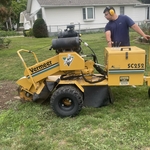
We recommend removing the stump, and grinding is a popular way to do it. You can also dig out small stumps or stumps that have fully decayed instead of grinding them. However, don’t try using acids or fire for killing a tree stump, which is a fire hazard and illegal in many areas.

Leaving the stump alone invites eventual problems, including attracting termites, mold, and fungi.

The Winnebago, NE homeowners’ guide to tree services

From average costs to expert advice, get all the answers you need to get your job done.