

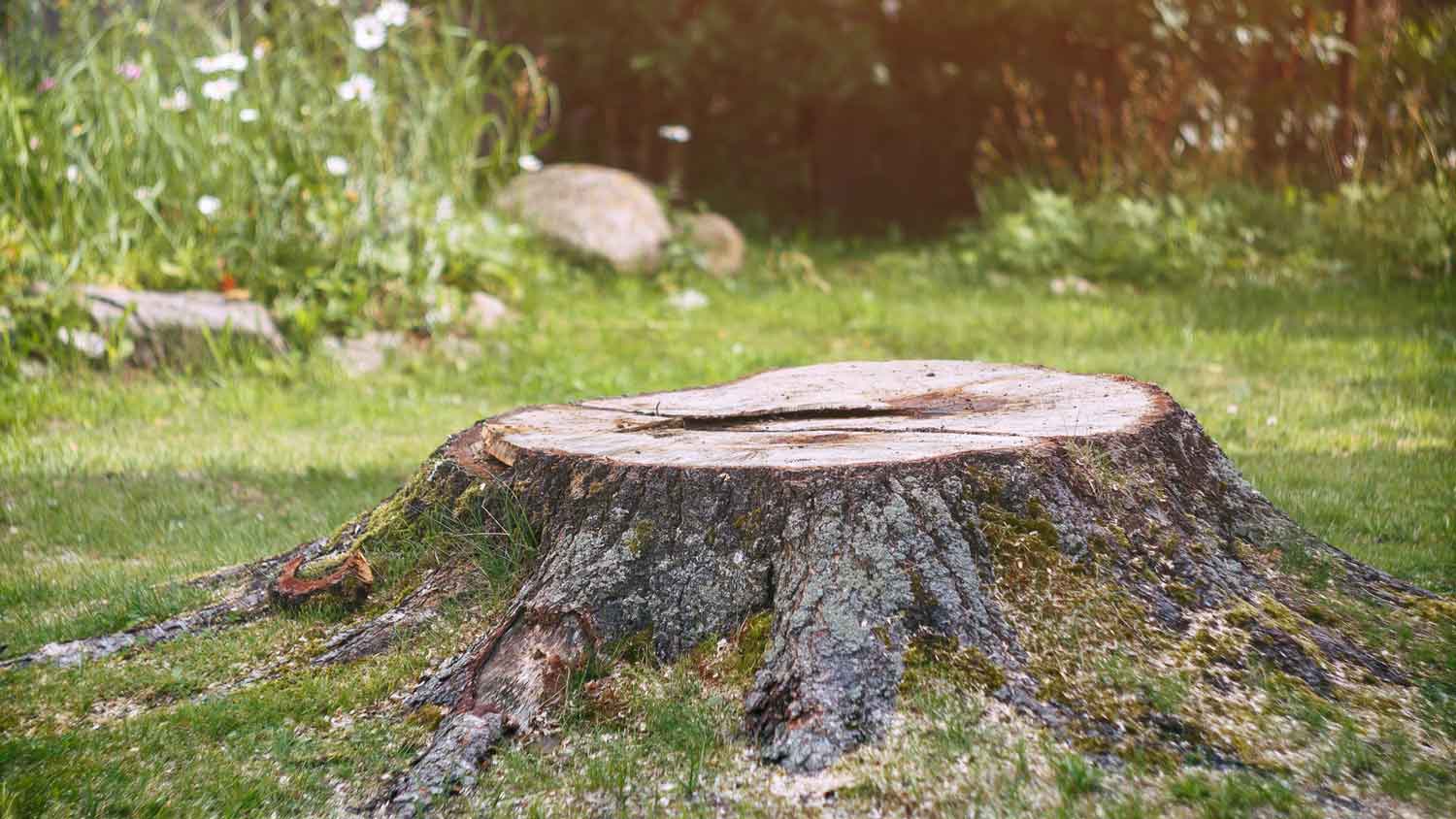
The cost of tree stump removal depends on size, removal method, location, and more. Our guide will show you how much stump removal costs.
Save time, money, and your back by rotting a tree stump

A rotting tree stump accelerates decomposition when you drill holes and apply chemicals, fertilizer, or boiling water to break down wood fibers faster than natural decay.
Expect to pay $170 to $500 for professional stump grinding, making DIY rotting methods a more affordable option when you have time to wait.
Potassium nitrate pellets and high-nitrogen fertilizer kill stumps by soaking into the wood and promoting decay, especially when you cover the stump with a tarp.
Hiring a local stump removal professional provides fast, complete removal through grinding, saving you months of waiting and the physical effort of digging out roots.
Unfortunately, a stubborn tree stump can linger for years or even decades. Instead of waiting it out or using a stump grinding service, learn how to rot a tree stump fast using the right chemicals and a few proven methods to speed up that stump’s demise. Find out how to rot a tree stump quickly and easily.

Complex, high-risk projects demand more than typical DIY projects. They require time, specialized tools, and trained expertise to make sure the job is done safely and correctly. We made it easy for you to find a local pro—with our skilled network, you'll get the job done without the stress of doing it yourself or significant safety risks.
If you're looking for a chemical-free and pet-safe option, boiling water is one of the simplest methods to kill a tree stump. It won’t work overnight, but with patience and repeated applications, it can be an effective way to halt stump growth and kickstart the decomposition process.
To use boiling water:
Drill deep holes into the top of the stump to help the water reach the roots.
Carefully pour boiling water directly into the holes while wearing protective gloves and long sleeves.
Repeat the process several times over the course of a few weeks.
Keep the stump covered with a tarp between applications to retain heat and moisture.
Mulch over the tarp to help hold it in place and encourage decay.
Drilling holes is a key prep step in many stump-killing methods, but you can also use it to speed up natural decomposition. By increasing airflow and moisture absorption, drilling holes allows fungi and bacteria to break down the wood faster over time.
To use this method:
Drill holes at least 8 to 12 inches deep into the top and sides of the stump.
Space them a few inches apart across the entire surface area.
Soak the holes with water to promote fungal growth.
Cover the stump with a tarp to keep it dark and moist.
Apply mulch over the tarp to insulate and accelerate decay.

Using commercial stump removal products will rot a tree stump fast. These products feature strong chemical agents that break down wood fibers quickly. While they are very effective, they can pose environmental risks, so always use them cautiously and carefully follow instructions on the label.
To use chemical stump removers:
Drill holes into the stump to allow for deep penetration of the chemical.
Pour the stump remover into the holes, then add water as directed to activate the product.
Avoid oversaturating to prevent harmful runoff into the surrounding soil.
Cover the treated stump with a tarp to keep it moist and shielded from the sun.
Add mulch on top of the tarp to lock in heat and moisture for faster results.
One of the most effective methods is potassium nitrate pellets, which is the active ingredient in many stump-killing products. Be aware that potassium nitrate is a danger to pets and wildlife, so use it sparingly to minimize run-off into the surrounding soil.
To use potassium nitrate pellets:
Drill holes in the stump.
Add the pellets to the drilled holes, and then apply water. The potassium nitrate will soak into the tree’s living tissue, killing it and promoting decomposition.
Soak the stump with water so that the pellets dissolve and disperse.
Cover the stump with a tarp to keep it dark and moist.
Mulch around the stump on top of the tarp to keep it in place.
We normally associate fertilizer with something you apply to help plants grow, but it also does a pretty good job of killing tree stumps. That’s because many garden fertilizers are loaded with nitrogen, the key ingredient to speeding the demise of a tree stump.
To use fertilizer:
Drill holes in the stump.
Apply it to the holes you drilled in the stump, just like potassium nitrate pellets. Pile mulch over the holes, then apply water to activate the fertilizer’s stump-killing powers.
Soak the stump with water so that the fertilizers spread but don’t over-fertilize your garden.
Cover the stump with a tarp to block out sunlight and make sure the stump doesn’t keep growing.
Mulch around it to make sure the tarp doesn’t move.
Most of the stump killers available at your local home improvement store use one of these two active ingredients. While they are one of the most effective ways to kill tree stumps, they also present the greatest environmental risk, especially if these chemicals find their way into groundwater and waterways.
Luckily, you don’t need to saturate the trunk for it to be effective. Most products containing these chemicals use a squeeze bottle design that makes it easy to treat the stump while minimizing run-off.
To use triclopyr or picloram:
Put on rubber gloves, as these chemicals can cause skin irritation.
Apply triclopyr or picloram just inside the bark around the entire circumference of the stump for the best results.
Soak the stump with water after you apply the chemicals.
Cover the stump with a tarp.
Mulch around the top of the tarp to hold it in place.
If you can't guarantee that you’ll keep pets and children away from the stump, you can use yeast nutrient, a food-grade urea beer makers use during the fermentation process when brewing beer. It isn’t as effective as potassium nitrate, but it will still get the job done. You can find yeast nutrients online or in stores that specialize in homebrewing.
To use yeast:
Drill holes in the stump.
Pour the yeast into the holes and reapply as necessary.
Soak the stump with water after putting in the yeast.
Cover the stump with a tarp to block out sunlight.
Make sure the tarp is secured with mulch to keep it in place.
This popular bathwater additive that does wonders for aching muscles also happens to be an effective means of killing a tree stump. The same magnesium and sulfate that relaxes muscles and reduces swelling also pulls moisture out of tree tissue, drying out the remaining trunk and the roots. Better yet. Epsom salt is safe to use around people, won’t harm the environment, and has the added benefit of nourishing the soil for future plantings.
To use Epsom salt:
Drill holes in the stump.
Fill the holes with Epsom salt.
Soak the stump and the holes with water.
Cover the stump with a tarp to hold the salt and moisture in.
Mulch around the stump and over the tarp to keep it in place while the stump is decomposing.
No matter which of these measures you take to rot a tree stump, it will take time. You should begin noticing results within six to eight weeks, but it will take months for the stump to decompose.
Be patient and take heart in the knowledge that you're shortening a natural process that takes years into months. You’ll also be saving your back from manual removal and your wallet from the cost of professional stump grinding.
If you absolutely must have that offending stump gone yesterday, then you’ll need to hire a professional stump removal service near you to grind it out.
The cost of stump grinding is between $170 and $500, depending on where you live and the stump's size. Since much of that cost is associated with hauling the grinder out to your house and onto your property, it’s more affordable to have multiple stumps taken out at once than it is to hire a company to come out for individual stump removals.
If you're planning on removing multiple trees over a period of months, wait until you’ve taken all the trees down, then hire a professional to come out and remove all the stumps at once to save money.
There are many potent household chemicals already sitting in your garage or cupboard that can technically bump off a tree stump—bleach, gasoline and trisodium phosphate (TSP), to name a few—but you’ll be barking up the wrong tree if you use them.
Covering a stump in bleach, TSP, gas and other toxic chemicals will certainly kill it, but it will also take out just about everything else it comes into contact with and render the soil toxic for future plantings. More importantly, these chemicals pose enough of a threat to the larger environment that using them for this purpose is simply irresponsible.
Simply put: Don’t try to use these methods alone and especially not mixed together. Try one of the suggestions below instead.
While there’s more than one way to kill a tree stump, there are several reasons to pick stump rotting as your weapon of choice. First, stump rotting using the methods below accelerates the decomposition process from the years it would take to rot away naturally to mere months.
It’s also more affordable and safer than other stump removal options. Though it takes much longer to rot a stump than it does to hire a professional to grind it out, you’ll save hundreds of dollars.
Rotting out a tree stump also requires very little physical effort, especially when compared to the backbreaking alternative of physically removing a tree stump.
This service was great. My air conditioner went out during the heat spell that we had. My husband has health issues and they came out that night and at 9:30pm the air conditioner was fixed and running. We are sooo very thankful, this is the company I will be using from now on and would...
 Mr. Mechanical Ohio
One of my old tall evergreen trees was suddenly leaning toward the busy street in front of my house. I submitted a request for an emergency tree inspection, and Alejandro, owner of Cajete Tree Service, contacted me immediately and arrived to look at it just 20 minutes later. We agreed the...
 Cajete Tree Service LLC
1 tree was cut down and 5 others including a large willow tree were trimmed. The Grant Tree Service men were professional and cleaned up afterwards. The cost of the 6 trees were affordable. I am very happy with the results. I would hire them again.
 Grants Tree Service
D1 Roofing delivers outstanding service from beginning to end, backed by a strong warranty and expert teams. I highly recommend them for their excellence in meeting and surpassing expectations with unmatched communication. Choosing D1 Roofing was flawless decision
 Division 1 Roofing LLC
Promptly arrived for quoting! Demonstrated superb customer service, affordable pricing, and completed service swiftly! Looking forward to the spring for our service!
 All Star Paving and Sealing
Seth was very professional, prompt in responding to queries about the work required , gave sincere advice as to what would be best for tree trimming and did the job timely.
Ace Fireplace Services' chimney sweep service is truly exceptional. They used advanced technology to ensure a thorough cleaning process, and my chimney has never looked better. I highly recommend their services.
 Ace Fireplace Services
I definitely recommend Ramonaâ s cleaning service! I have booked services with her many times and she arrives on time, ready to work and provides a great service.
 Your Cleaning Solutions LLC
Webb â s was priced well, flexible on scheduling, great with communication, and detailed in their work. Iâ ll definitely use their services again.
 Webbs Pressure and Paint LLC
Great tree company, very professional and honest. Glad we found them, they had the best pricing
From average costs to expert advice, get all the answers you need to get your job done.
The cost of tree stump removal depends on size, removal method, location, and more. Our guide will show you how much stump removal costs.
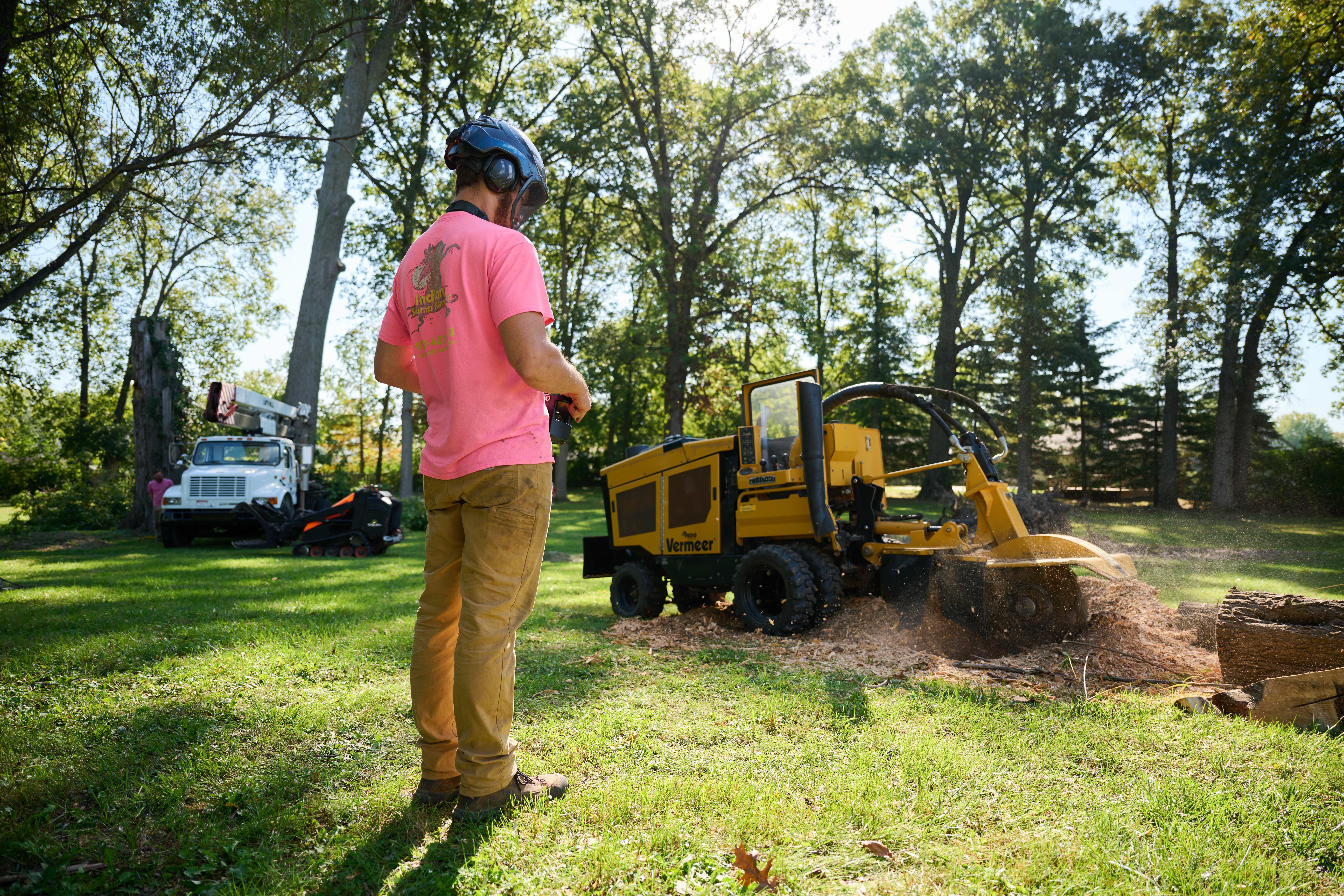
Renting a stump grinder is one way to remove stumps in your yard. Find out the average stump grinder rental cost, additional expenses, and more.
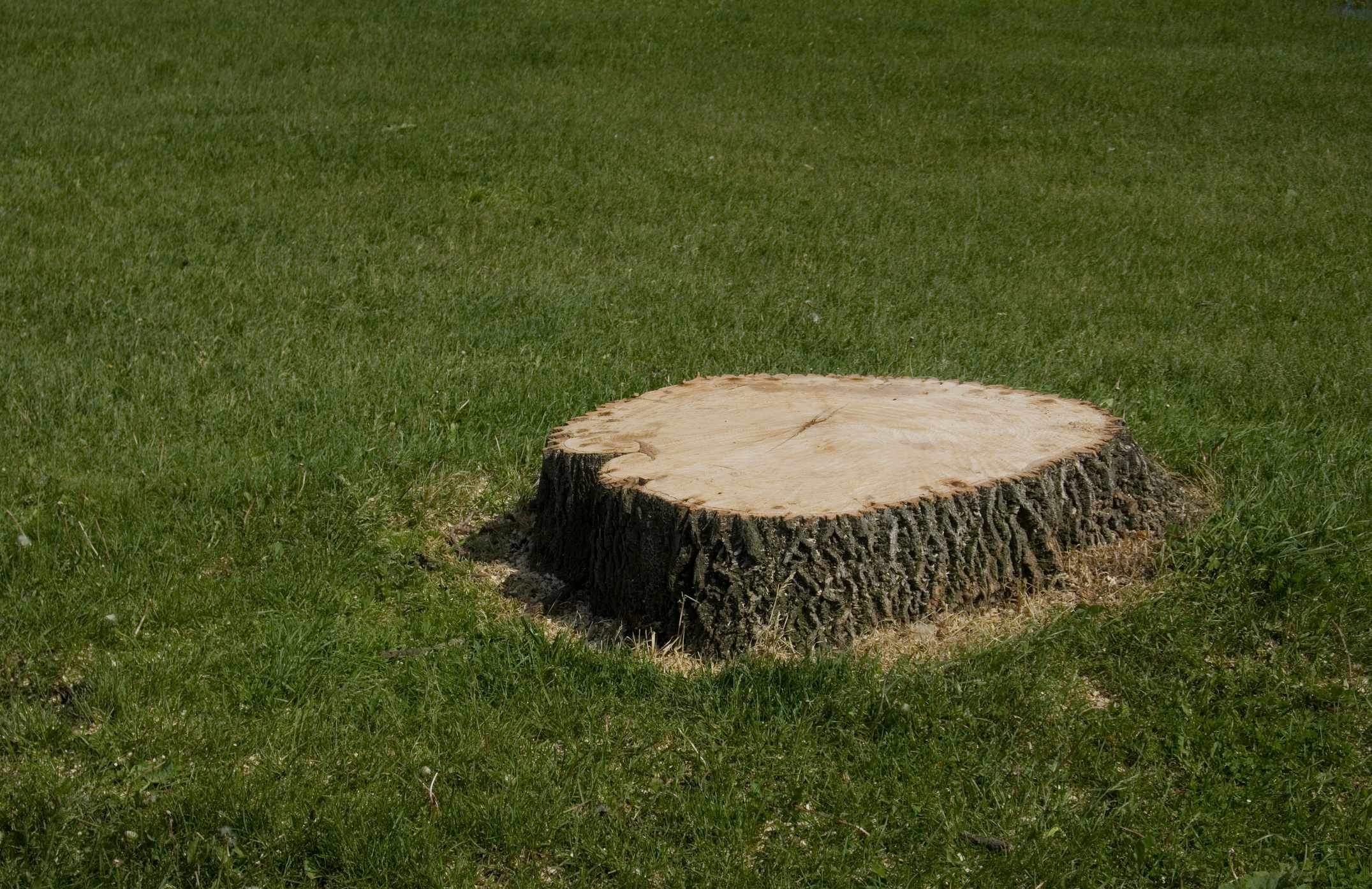
What’s the best tree stump killer? Learn how to kill a tree stump using these seven effective methods.
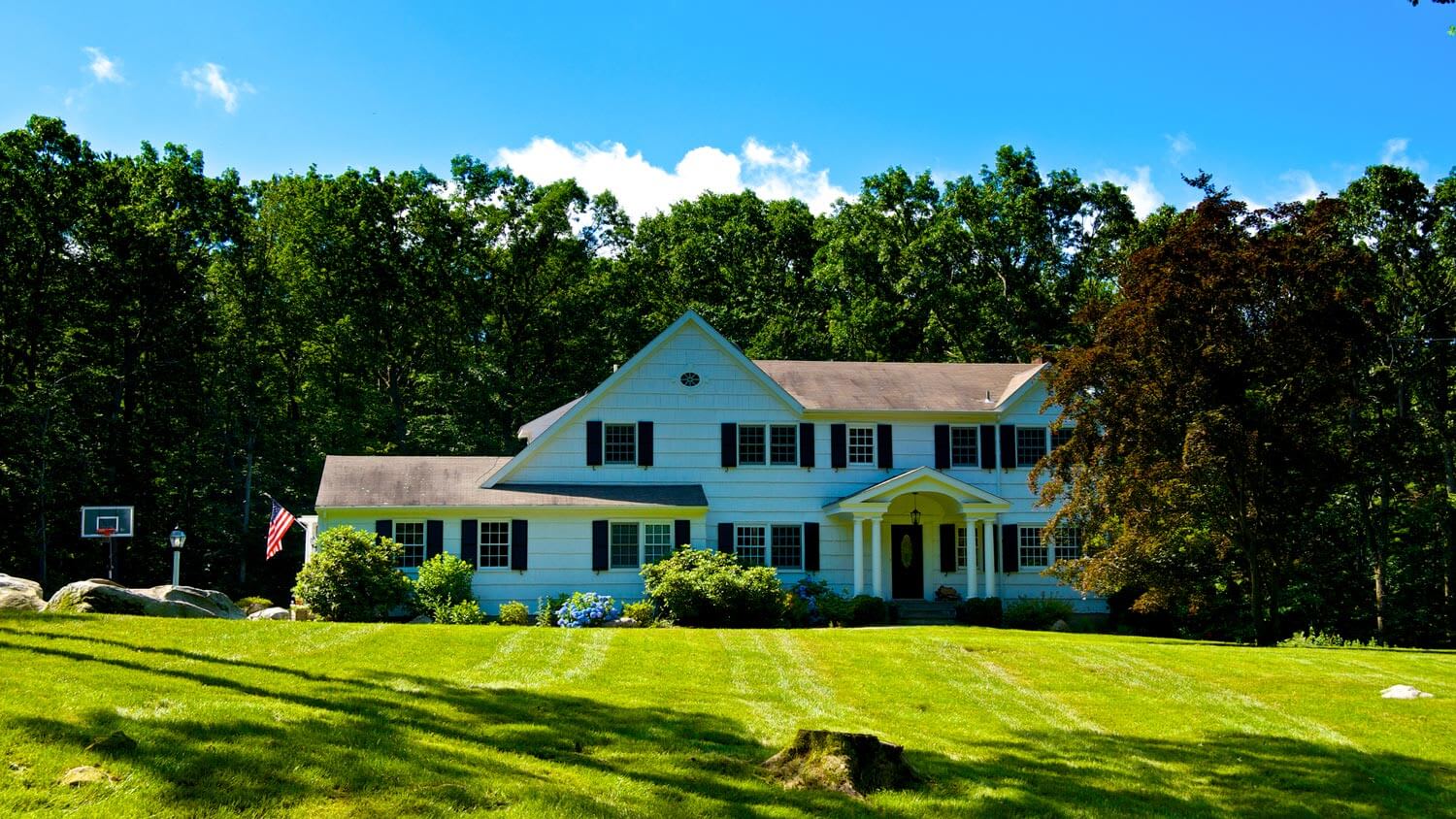
Find out the best option for removing tree stumps with our handy guide. Choose from DIY or pro removal, manual, chemical, or mechanical removal.
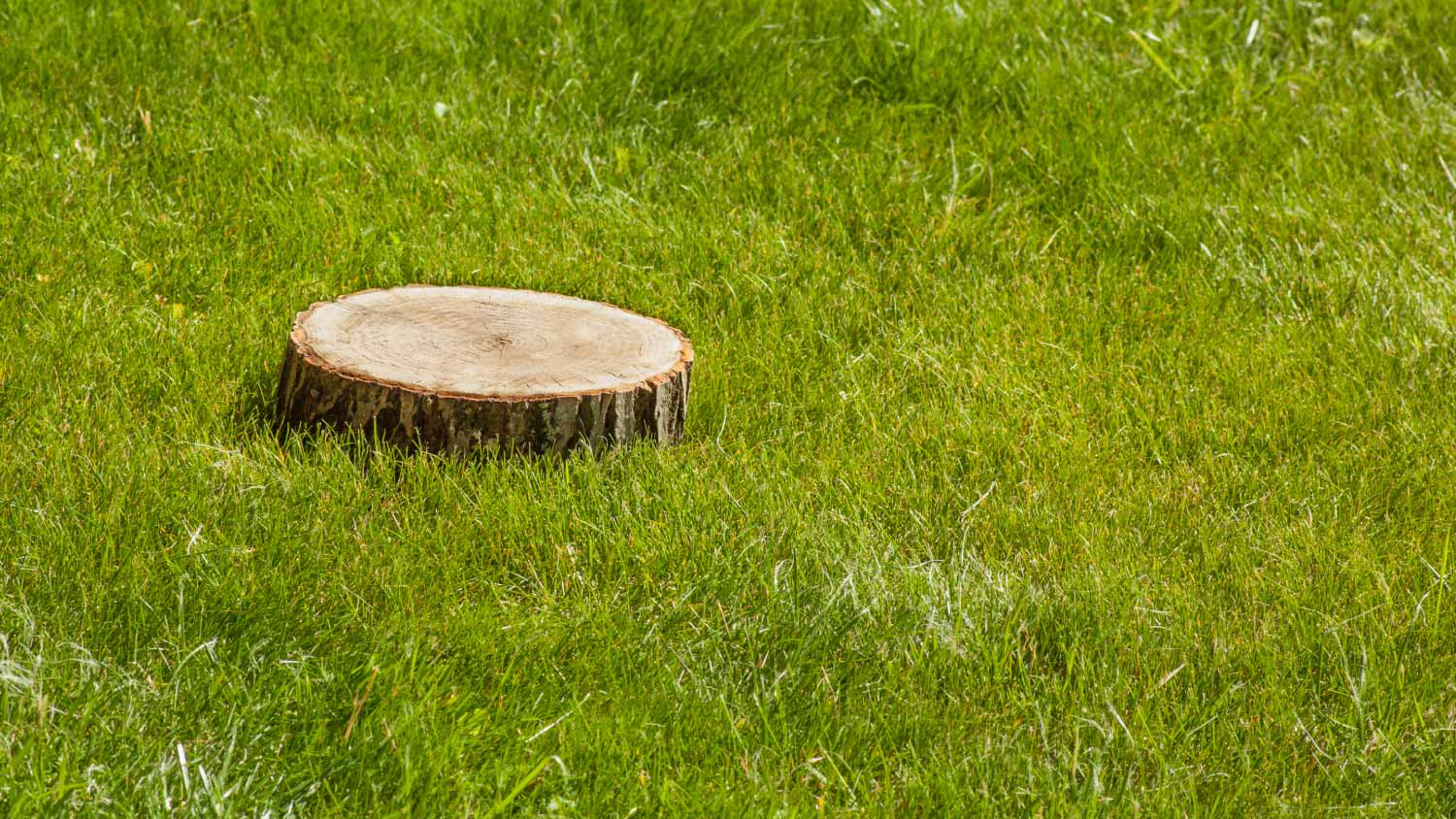
Before a tree stump can become rustic decor in your landscape, it’s crucial to protect it from rot, pests, and decay. Learn how to preserve a tree stump.
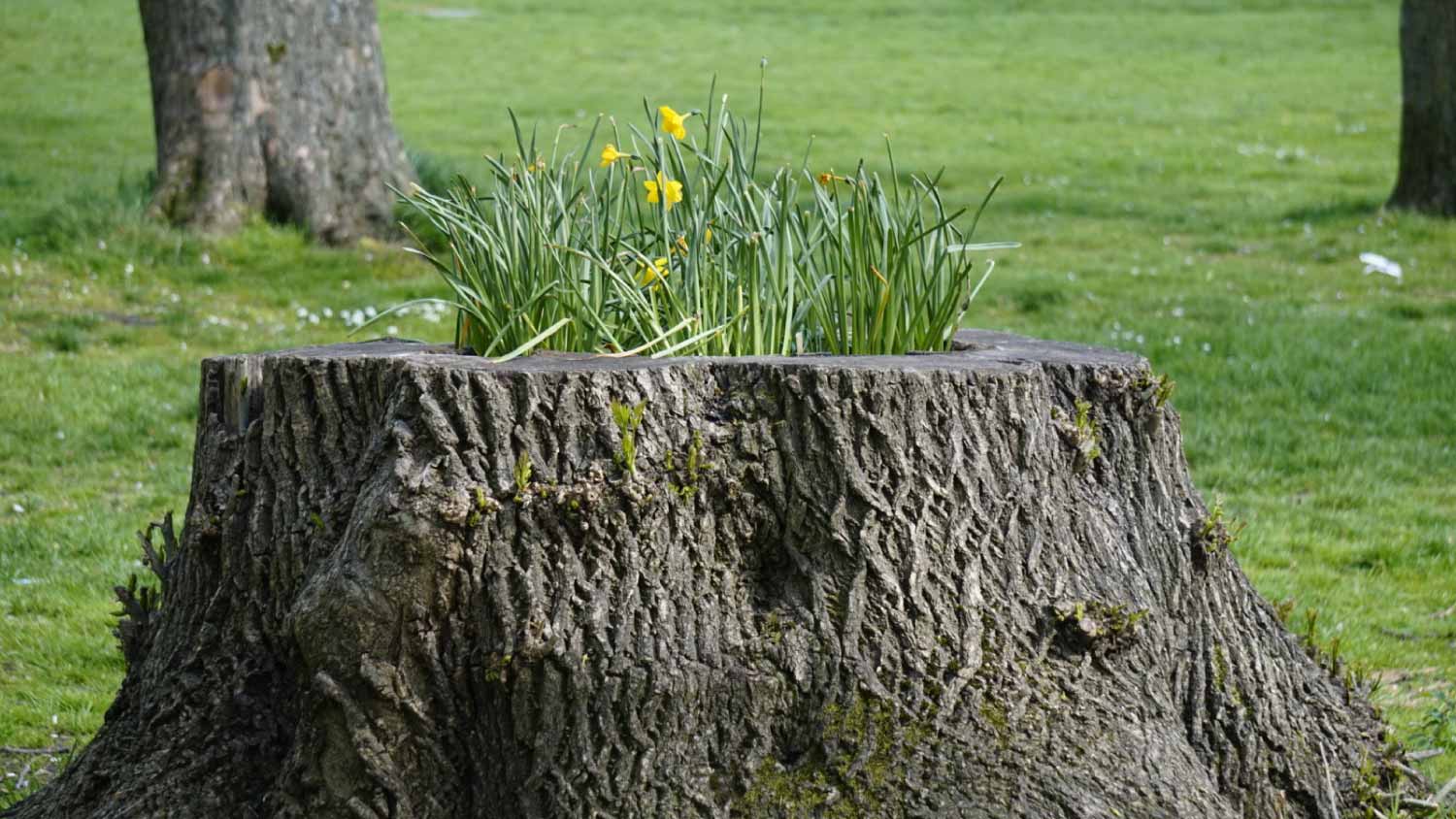
Tree stumps can be unsightly trip hazards, but they can also have a new life. Learn how to hollow out a tree stump to repurpose it into a planter.