





Top-rated tree service pros.

Get matched with top tree service pros in Tekamah, NE

Enter your zip and get matched with up to 5 pros

Need a pro for your tree service project in Tekamah, NE?

Select your specific project to find the pro for you.

Find Tree service pros in Tekamah

Avatar for M. S. Wiekhorst Arbor Company
M. S. Wiekhorst Arbor Company
5.0(
10
)
Tree RemovalTree Removal - For BusinessTree Stump - Remove+5 more

Serving Tekamah, NE and surrounding areas

Free estimates

Emergency services offered

Warranties offered

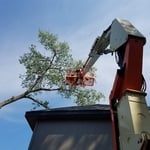
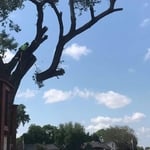
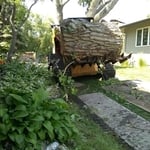
"The services performed went as smooth as expected. Mike was able to trim our biggest tree and remove an entire evergreen that had been exposed to bag worms. The work was quick and efficient and I would highly recommend him to anyone. We will definitely utilize his expertise in the future."
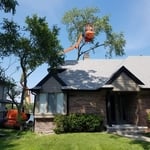
Large Cottonwood Removal

+12

Response time2 days
Response rate100%
Recommended by100%of homeowners

Tree Service questions, answered by experts

Tree pruning is a common and helpful tree maintenance technique that involves carefully cutting and trimming unwanted branches so that the tree can continue to grow and thrive. Pruning is done carefully and intentionally. Tree topping is a frowned-upon method that involves removing and cutting most or the entirety of the top of the tree, including structurally important branches.

It will take you anywhere from 15 minutes to two hours per tree stump to grind and remove the stump from the ground. The larger the size, the longer it will take to remove the stump. Also, keep in mind that rocky soil may require local excavation services to loosen up large boulders before you can begin to remove the tree stump.

If you’re planning on keeping the tree, unless the roots are invasive, there’s no need to remove them, as doing so can cause damage to the tree. If the tree has been cut down and the stump and roots are left, grinding and removing the stump can cause root decay for some species. For other species, the stump and roots will need to be removed to prevent pests, disease, and possible tree regrowth.

A tree can grow back from its stump, but full regrowth is unlikely (especially for more stubborn conifer trees). Instead, trees are more likely to send up a number of shoots from the dead stump, which will try to develop into primary stems over time. In other words, it will start to look increasingly bushy. The goal of killing and drying out a tree stump is to prevent that from happening, as well as make the stump easier to completely remove.

There are many signs that a tree is diseased or dying, and if you suspect that’s the case, you should call an arborist immediately. You might notice rot or fungus on the trunk or that the tree is beginning to lean to one side. Brittle branches or signs of root damage are other indicators that a tree is in trouble. If the tree is dying, it might be time to cut the tree down so it doesn’t fall.

The Tekamah, NE homeowners’ guide to tree services

From average costs to expert advice, get all the answers you need to get your job done.