S Lazy H LLC is committed to excellence in every aspect of our business. We uphold a standard of integrity bound by fairness, honesty, and personal responsibility. Our distinction is the quality of service we bring to our customers. Accurate knowledge of our trade combined with ability is what makes us true professionals. Above all, we are watchful of our customers' interests, and make their concerns the basis of our business.
KDC Construction is committed to excellence in every aspect of our business. We uphold a standard of integrity bound by fairness, honesty, and personal responsibility. Our distinction is the quality of service we bring to our customers. Accurate knowledge of our trade combined with ability is what makes us true professionals. Above all, we are watchful of our customers' interests and make their concerns the basis of our business. Our professionalism and quality workmanship will accurately reflect your taste and lifestyle. From conception to completion we work with you until the job is done. We are known for our prompt service and superior attention to detail. Our commitment to quality is evident from the beginning to the completion of your home improvement project. We're here to serve you with the knowledge and quality you deserve and expect. Call our reputable business today you'll be pleased you did.
To ensure you hire a reliable and experienced paving company, you should start by finding companies in your area that have at least five to ten years of experience working in your neighborhood. Next, rule out companies with poor reviews online or a series of complaints filed with the Better Business Bureau. Since driveways affect your curb appeal, you should also ask each company for references and pictures of recent work to make sure the work the company does is professional and high quality. Finally, check that the company is licensed and insured.
A driveway's lifespan varies by material. Asphalt driveways typically last 15 to 30 years, while concrete driveways last longer, between 20 and 50 years. The longevity of any driveway is affected by factors like extreme temperatures, heavy traffic, and the quality of maintenance. Regular upkeep, such as filling cracks, resealing the surface, and ensuring proper drainage, can help extend its life. For gravel driveways, regrading to fill in uneven areas every year or two is recommended.
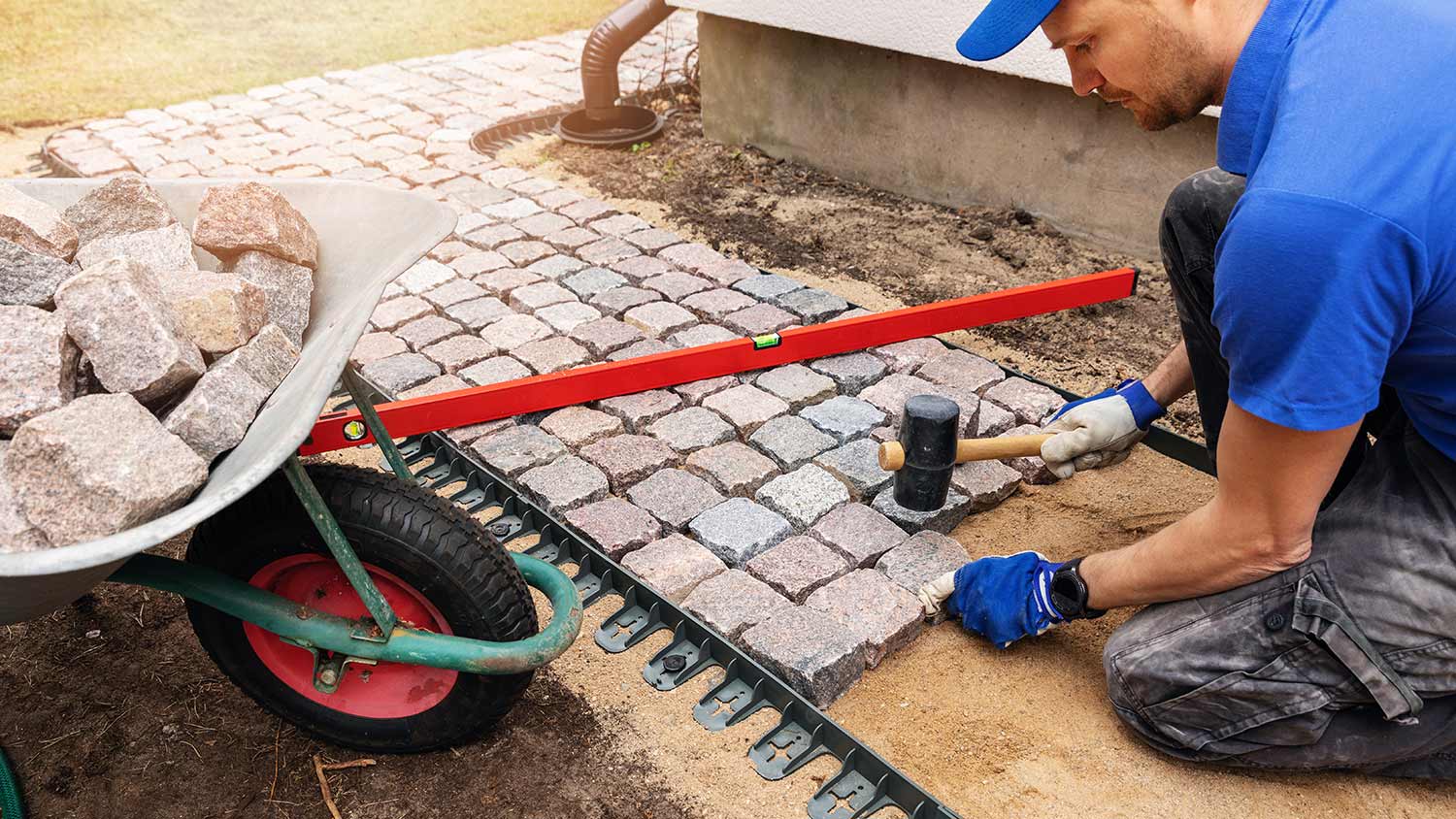
To adhere pavers to concrete, you can use either mortar or a concrete-specific adhesive. For border pavers, a polyurethane-based adhesive is a good choice as it expands and contracts with temperature changes, keeping them firmly in place. For the non-border pavers, polymeric sand is used between the joints to prevent shifting. In most cases, it is also recommended to lay a permeable sand layer below the pavers to ensure proper stability and drainage. Before starting, always take the proper preparatory steps for a professional result.
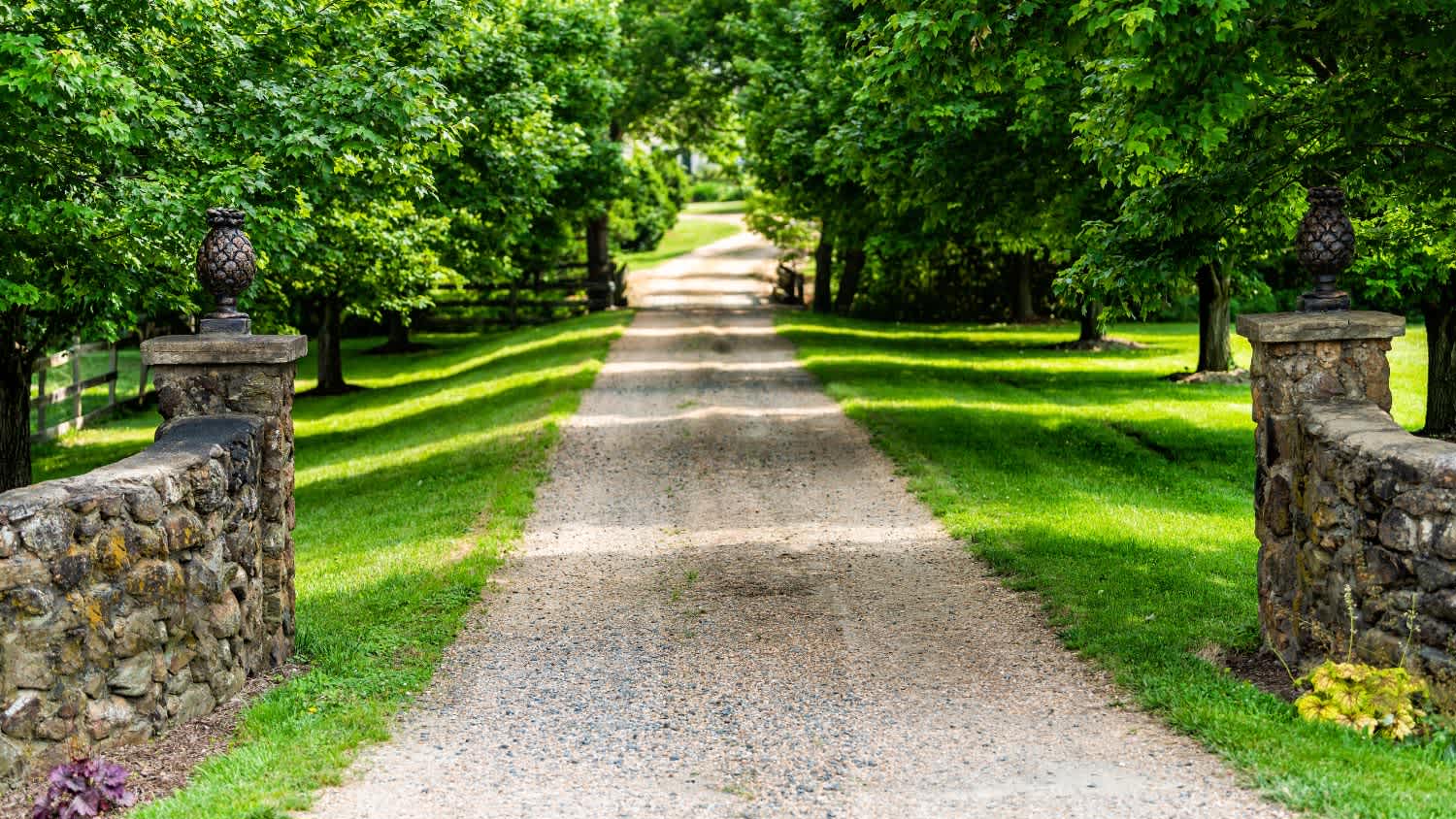
Gravel is the cheapest way to extend a driveway. Gravel is an affordable, practical option that’s easy to install and perfect for DIY projects, helping you save on labor costs. It can be quickly spread and leveled to create extra driveway space without heavy preparation. While gravel doesn’t offer the same durability or finished look as concrete or asphalt, its low cost makes it ideal for budget-conscious homeowners who want a functional solution without overspending.
Decomposed granite and caliche can both harden into a solid surface using a plate compactor. However, due to decomposed granite’s fine particles, it’s not suitable for driveway surfaces. Some homeowners use pea gravel mixed with a gravel-binding resin to bind the loose stones and create a solid surface that won’t shift like loose gravel.
The Osmond, NE homeowners’ guide to paving services
From average costs to expert advice, get all the answers you need to get your job done.
Get proactive with marketing for your paving contractor business. Use these paving marketing ideas (ranked by budget and experience level) to grow your business, get more leads, and earn more money.