
Top-rated paving pros.

Get matched with top paving pros in Coleridge, NE

Enter your zip and get matched with up to 5 pros

Need a pro for your paving service project in Coleridge, NE?

Select your specific project to find the pro for you.

Find Paving pros in Coleridge

Paving Services questions, answered by experts

Heated driveways cost an average of $12 to $25 per square foot. Depending on the size of your driveway, you may pay between $3,500 to $25,000 in total. Several factors can affect your bottom line, including material, labor, and system types. Investing in a heated driveway can save on snow removal costs because it will automatically melt the snow that falls on your driveway.

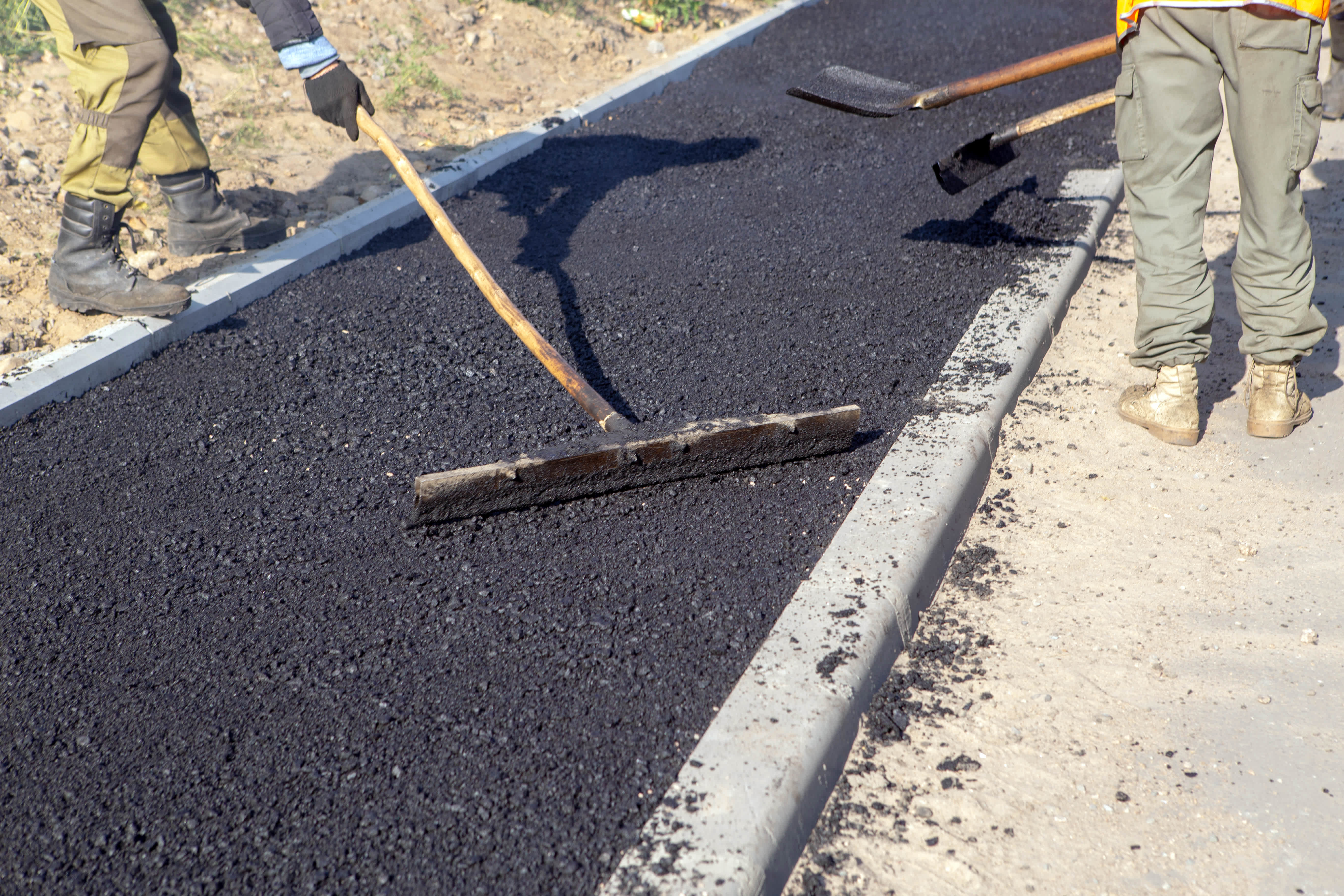
If you notice minor cosmetic problems with your driveway, you should seal it. Look out for cracks and holes on the surface, faded asphalt or concrete, and stains from oil and other chemicals. Replacing your driveway may be necessary if you’re dealing with significant problems—¼-inch cracks, large potholes, and puddles from drainage issues. The cost to install an asphalt driveway typically ranges between $4,200 and $9,000, significantly more than resealing. Consider talking to a professional to discuss whether resurfacing your driveway—a midway project between resealing and replacing—is a better option for you.

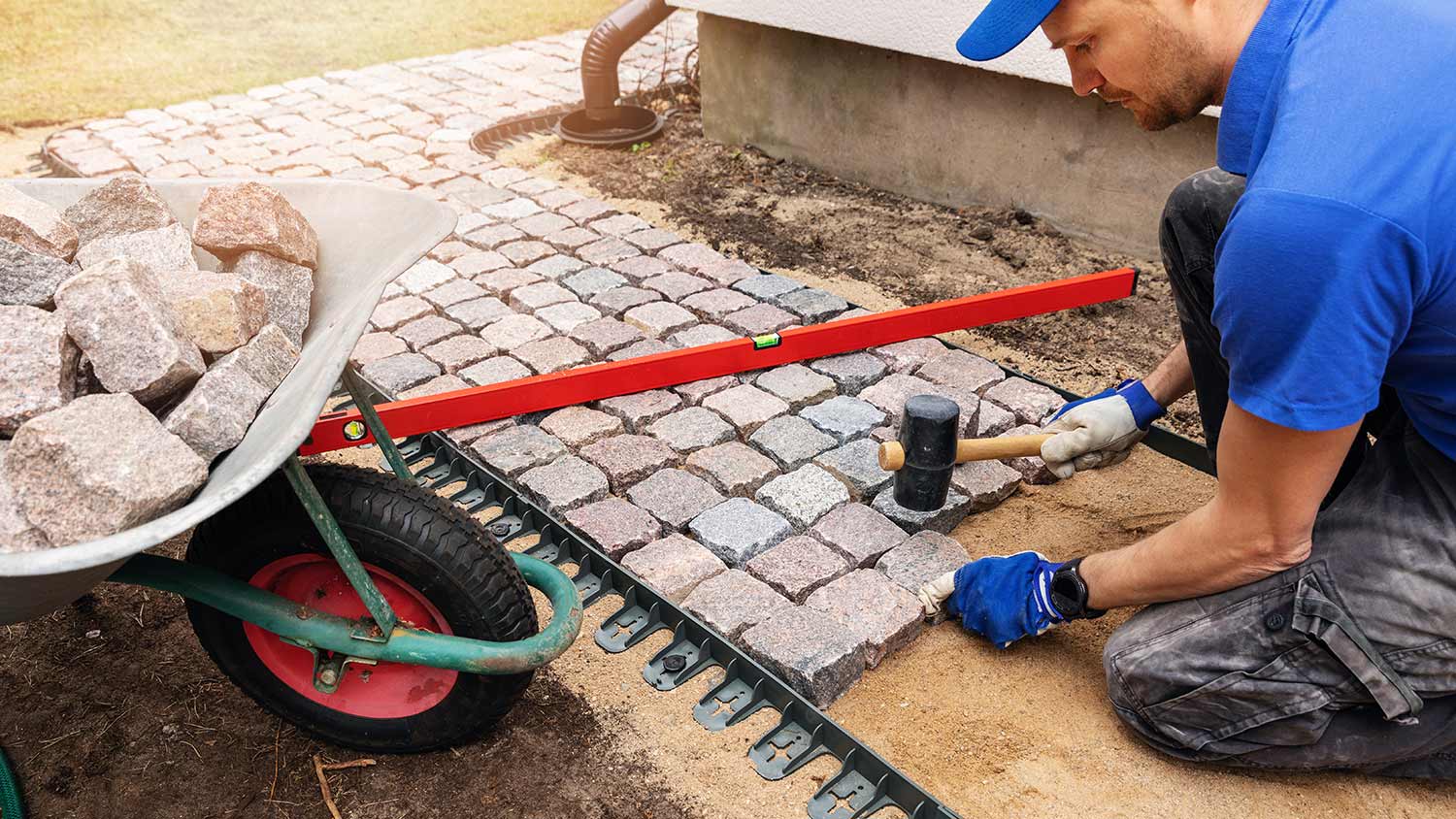
A pallet of pavers will cost about $300 to $700 per pallet. Each pallet covers about 56 square feet. The specific price you pay per pallet of pavers will depend on a few factors, including the type of paver you’re buying, the size and shape of the pavers, and how many pavers you need. In some cases, you’ll spend less per pallet if you’re buying in bulk for very large paver patios.

You can pour concrete over asphalt if it’s in good condition, thick, stable, and well-compacted. Concrete is more durable than asphalt and can extend the lifetime of your driveway without having to pay frequent asphalt driveway repair costs or replace it completely. 

But this is best reserved as a temporary solution based on budget restraints, as asphalt requires more frequent repairs and assessments than concrete. Once that concrete top is poured, it’ll be harder to accurately understand what’s happening beneath that layer, which could lead to more issues.

While water-related pressure caused by poor drainage is one common cause of paver cracking, other factors can include ground movement beneath pavers, heavy loads and wear and tear over the pavers, and climates with constant freeze-thaw cycles. In general, pavers should be resealed every three to five years to prevent cracking.

The Coleridge, NE homeowners’ guide to paving services

From average costs to expert advice, get all the answers you need to get your job done.