



Top-rated paving pros.

Get matched with top paving pros in Yankton, SD

Enter your zip and get matched with up to 5 pros

Need a pro for your paving service project in Yankton, SD?

Select your specific project to find the pro for you.

Find Paving pros in Yankton

Paving Services questions, answered by experts

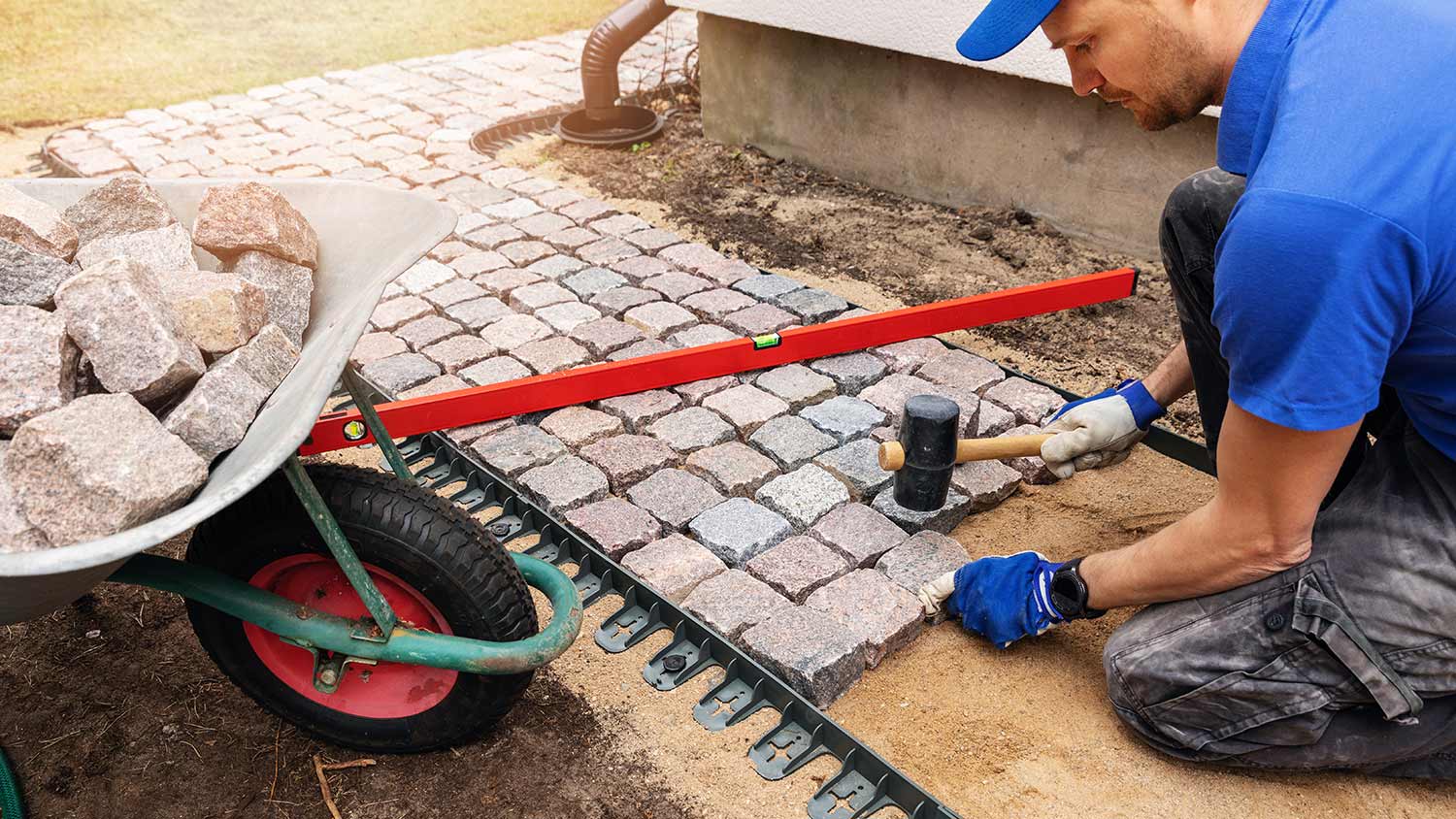
To adhere pavers to concrete, you can use either mortar or a concrete-specific adhesive. For border pavers, a polyurethane-based adhesive is a good choice as it expands and contracts with temperature changes, keeping them firmly in place. For the non-border pavers, polymeric sand is used between the joints to prevent shifting. In most cases, it is also recommended to lay a permeable sand layer below the pavers to ensure proper stability and drainage. Before starting, always take the proper preparatory steps for a professional result.

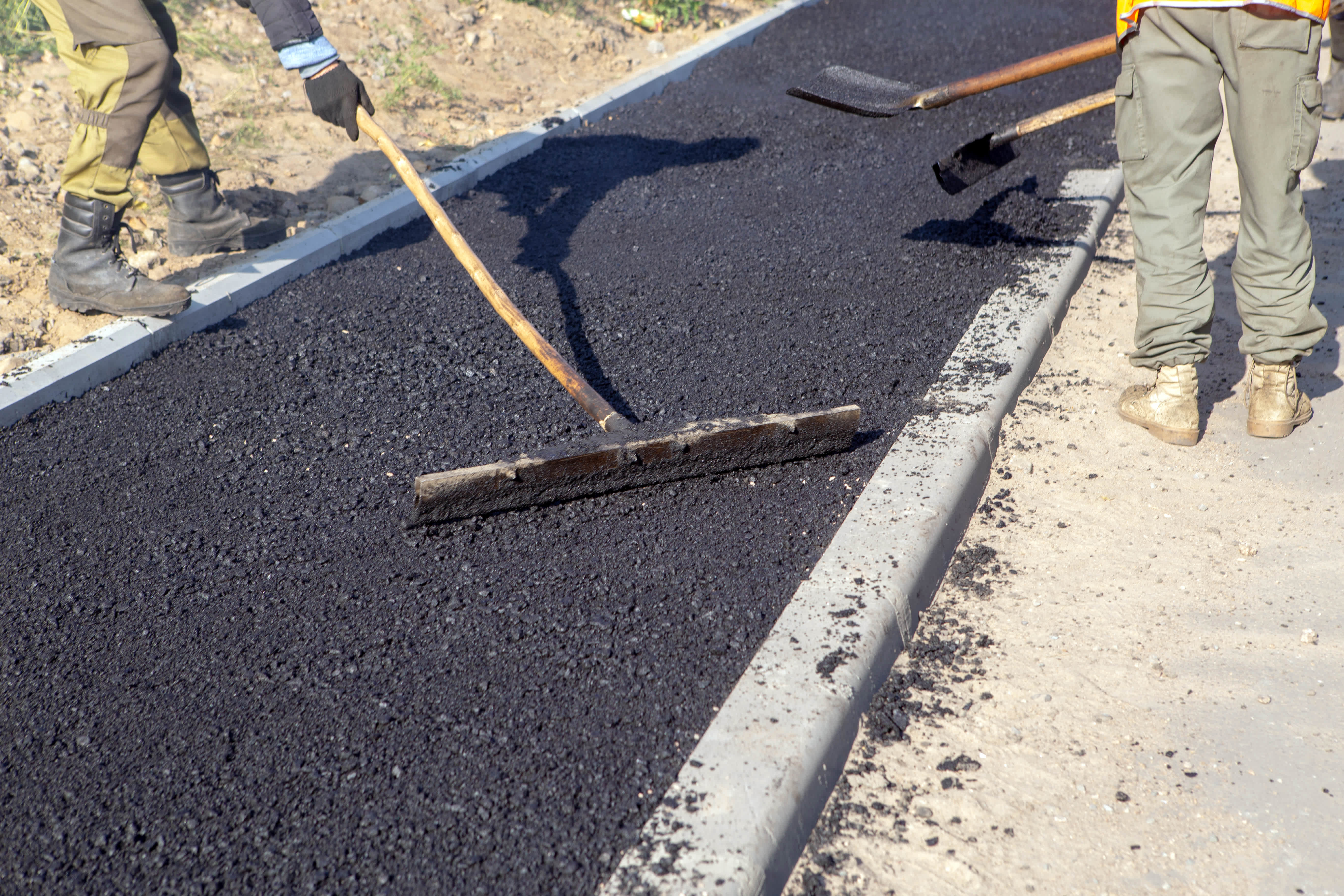
There’s no single best asphalt grade—it all comes down to where and how it’s used. Highways and heavy-traffic roads need something tough, like polymer-modified asphalt (PMA) or Stone Matrix Asphalt (SMA). Local roads and parking lots rely on the Performance Graded (PG) system, chosen based on climate. A PG 64-28 mix, for example, handles a broad temperature range while simpler, more cost-effective mixes are typically enough for residential driveways. The best grade of asphalt depends on traffic, weather, and your budget, which is why a professional’s input is always a smart move before making a decision.

If your driveway is cracked, you can repave it with a process called asphalt overlay. Overlay is more cost-effective than a full replacement but is better suited for minor cracks and issues. If you have major cracks or other problems like water pooling, asphalt overlay isn’t your best bet. Plus, paving over a cracked driveway only extends the lifetime by about 10 years, whereas replacing it would start the clock over completely to give you up to 30 years.

Quality pavers and correct installation handle temperature variations. Proper maintenance is crucial in severe climates to prevent issues like heaving.

Wet cutting is usually the preferred method. It controls dust, which helps protect your lungs and makes for a cleaner working environment. Plus, the water cools the blade, preventing overheating and prolonging its life while providing smoother, more precise cuts. The downside is the mess—water and asphalt sludge can be messy to clean. Dry cutting, though convenient if water isn’t available, creates a lot of dust, which can be harmful. This also increases the risk of blade damage due to overheating. So, if you have the option, wet cutting is the better method for most asphalt jobs.

The Yankton, SD homeowners’ guide to paving services

From average costs to expert advice, get all the answers you need to get your job done.