
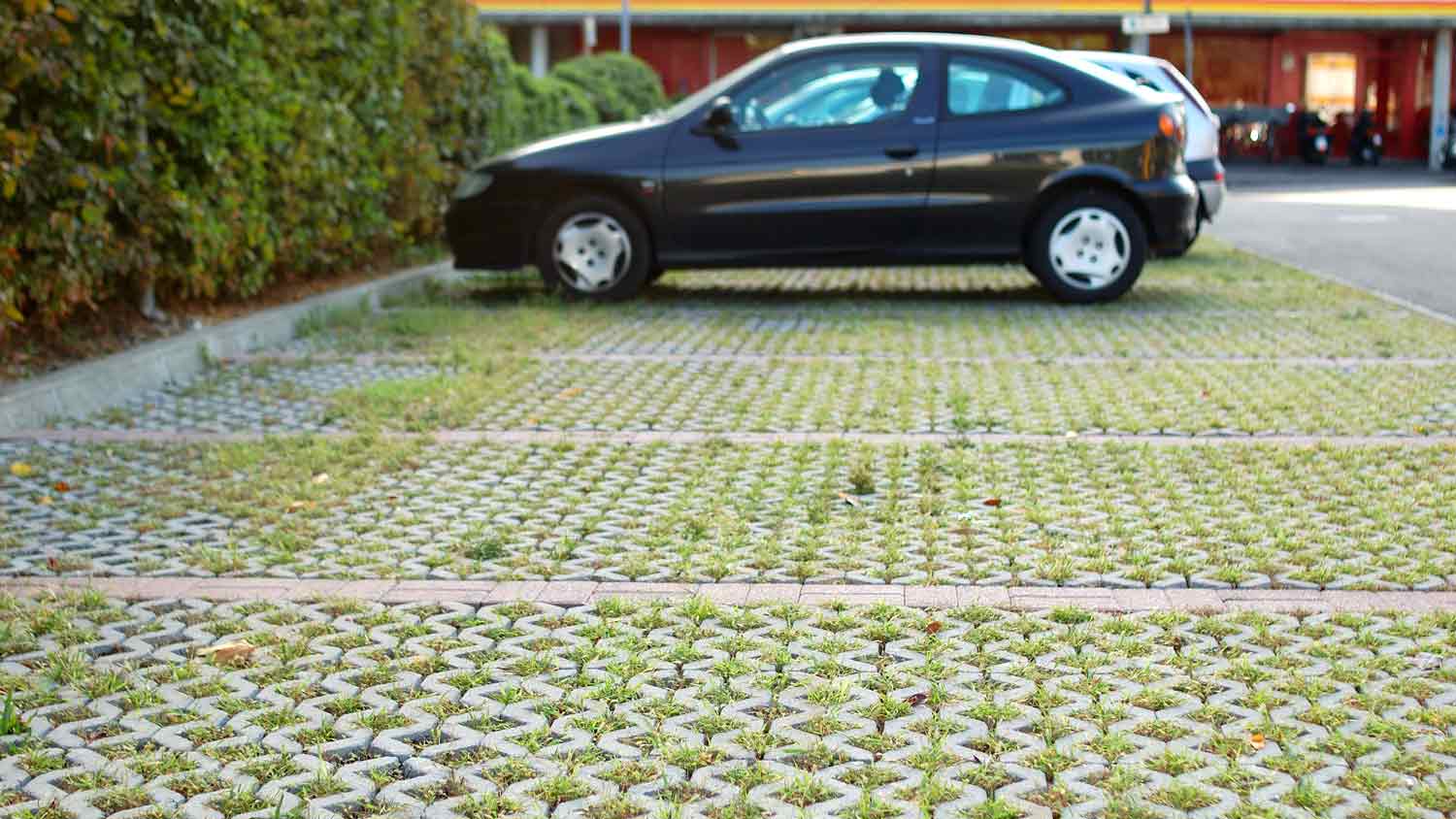
Permeable pavers help reduce runoff, prevent flooding, and boost curb appeal. Use this guide to learn how much permeable paver installation costs based on factors like size and material.
Paving the way to a more eco-friendly and flood-safe future

A permeable driveway filters rainwater into the ground rather than sending it to storm drains, reducing water pollution from fertilizers and rock salt.
Expect to pay $10 to $70 per square foot for permeable paver driveway installation, with costs on the higher end compared to traditional pavement.
You can choose permeable paving options including brick, stone, or plastic tiles with gravel or grass, plus pervious concrete and pervious asphalt.
Hiring a local paving service professional removes the guesswork from excavation depth, soil testing, and precise paver installation for proper water filtration.
Most of us want the exterior of our home to offer enough green space to connect with nature — a yard to play with the dog in, a garden for flowers and fresh veggies, a good tree for a tire swing or shade to sit beneath when reading a book. But the reality is that our exterior also requires a lot of concrete and asphalt, from driveways and walkways to patios and outdoor kitchen areas. And these all send stormwater runoff into our community’s storm drains or (worse) the foundation of your home.
Permeable paving offers an eco-friendly alternative to traditional pavement. These pavers allow rainwater and snowmelt to flow directly into the ground as they would in a yard. This slows down the flood of water toward your home and keeps chemicals, fertilizers, bacteria, rock salt, and other harmful materials out of our local waterways.
Permeable paving is an alternative to traditional pavement materials that directs the flow of rainwater and melting snow into the ground, rather than to public stormwater drains. This means harmful pollutants we use around our house, such as fertilizers and rock salt, aren’t diverted to our storm drains; according to the Environmental Protection Agency, this is a great way to reduce water pollution.
In some cases, driveways and walkways send rainwater and snowmelt into your garden or toward your home’s foundation, which can have long-term negative impacts. Permeable paving can help discourage this.
Permeable pavers can either be made from:
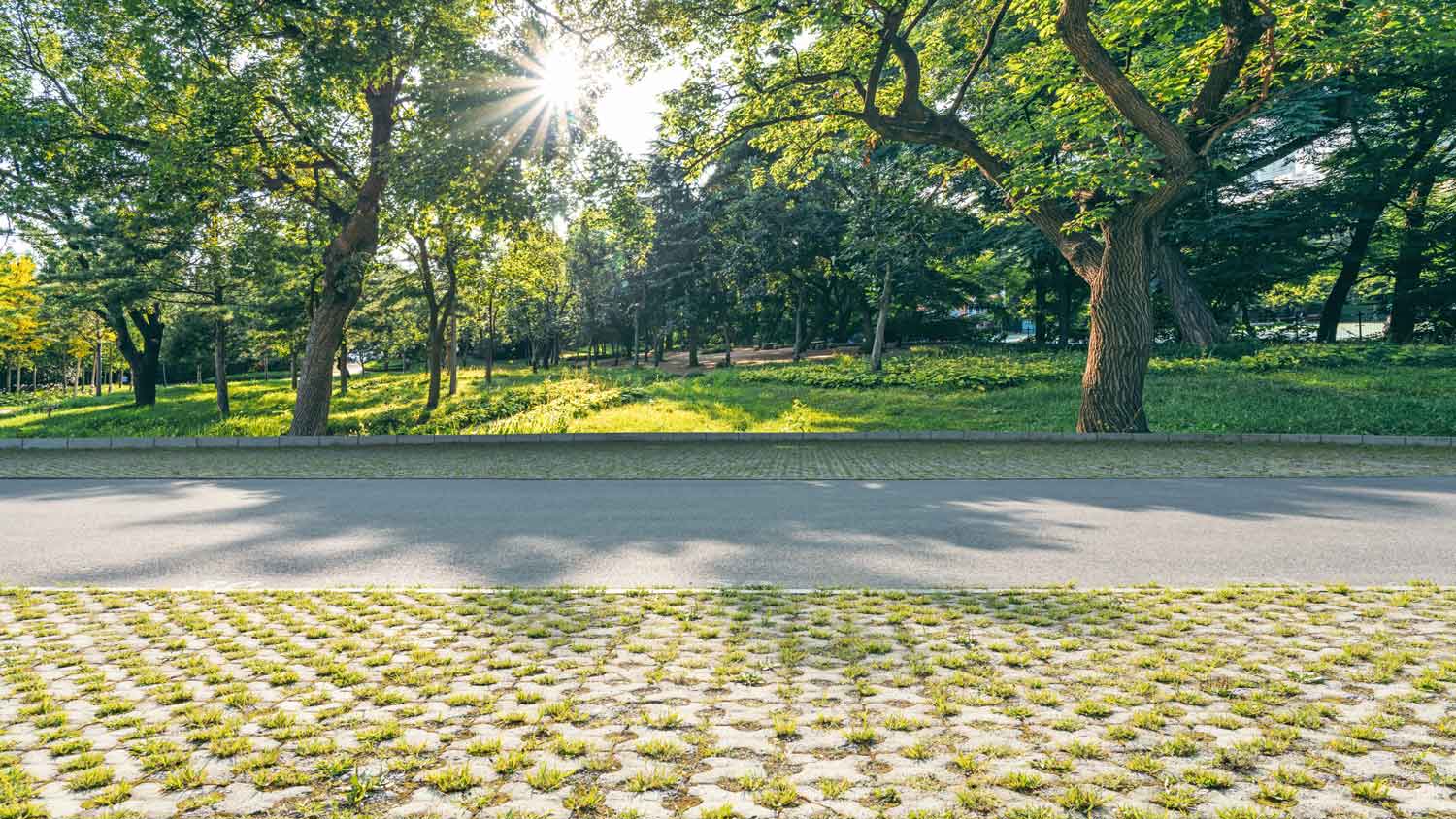
Brick, cinderblock, natural stone, or plastic tiles, with space within for gravel, stone, sand, or grass that allows water to filtrate into the ground
Pervious concrete and pervious asphalt, which are porous enough to let water filter through in ways it cannot with traditional concrete and asphalt
Largely, permeable pavers are a big win for your home and the environment, but there are also some downsides to consider. Let’s take a look at the pros and cons:
The foremost reason to install permeable paving at your home is that it can help reduce water pollution. When you install permeable pavers, chemicals, fertilizers, rock salt, and other harmful materials are less likely to filter into storm drains. This makes permeable paving one of the most eco-friendly driveway solutions.
Plus, you’re less likely to flood your yard when you install permeable pavement. This is also helpful for storm drains in your neighborhood, which can also overflow during heavy rainfall and flood surrounding areas.
Water runoff from rainstorms and melting snow can make its way into your garden or, worse, toward your home’s foundation. This can lead to serious issues over time; foundation repair costs an average of $5,150.
If you’re really worried about flooding your yard or your home, the ultimate solution is a mixture of permeable pavers, a sump pump, and a French drain system.
If you have limited outdoor space, you can maximize the natural feeling by using pavers with gravel, sand, or even grass. This brings more nature into your outdoor space and has a nice rustic aesthetic.
Note: Pervious asphalt and concrete won’t have this same effect.
In some cities, permeable pavement may be eligible for rebates and tax incentives, meaning you’ll recoup some of the installation cost. The size of the rebate varies, so check with your municipality; in some cases, homeowners earn up to $15 per square foot.
If you live in an area with a lot of rain, pooling water running off your patio or driveway could lead to puddles and soggy yards. This is an ideal breeding ground for pests, including mosquitos. By filtrating water into the ground with pavers, you may be able to reduce pest problems around your home.
Installing permeable pavement for a driveway, patio, walkway, or other surface is more expensive than traditional pavement. The materials themselves are more expensive, but the labor is more involved.
You’ll have to stay on top of maintenance for your permeable paving. If the paving includes grass, you’ll need to cut the blades when you mow the rest of your lawn. For pavers with gravel and sand, you occasionally need to clear out debris that can build up and block the space between pavers.
Some permeable pavement may not be as durable as traditional driveway and walkway materials, like concrete and asphalt. If you expect heavy traffic, particularly by vehicles, look into a more durable permeable paving material.
The cost to install a paver driveway runs from $10 to $70 per square foot—but permeable paving is the most expensive, meaning you’ll need to budget on the higher end of that range. In fact, permeable paving for a driveway can be 7 times the cost of traditional concrete.
The cost to install a patio also goes up when you choose permeable materials over concrete or brick. Expect to spend between $10 and $30 per square foot.
Still unsure if permeable paving is the right choice for your driveway, patio, or walkway? We’ll explain where it makes the most sense and how to install it.
Permeable pavers are especially great to install in:
In cities and areas where you qualify for a tax rebate
In areas that are prone to heavy rainfall and snowfall (it’s one of the best driveway materials for cold weather)
Permeable pavement is also great for smaller projects, like walkways, patios, and outdoor dining areas. Smaller projects are more affordable but can still help reduce your impact on storm drains.

Installing permeable pavers requires specific expertise, tools, and skills. We highly recommend hiring a highly rated paving company near you to handle this installation. While it’s possible to install pavers yourself, permeable pavement is a little more nuanced than other types of pavers and is better left to the pros.
For instance, when installing permeable paving, you have to excavate deeper to add a layer of stone aggregate. You’ve also got to test the density and makeup of the soil below to ensure stability and proper filtration.
Plus, installing the pavers in an even, predetermined pattern requires precise work and a lot of patience.
Archie did a good job cleaning up the driveway before he laid down the sealer. It looks good. He was gracious and even helped me bring up my groceries. His rate was comparable to another company who came out to give me a quote and he talked to me personally rather than just text me a quote...
 Pro Seal Roofing & Paving
D1 Roofing delivers outstanding service from beginning to end, backed by a strong warranty and expert teams. I highly recommend them for their excellence in meeting and surpassing expectations with unmatched communication. Choosing D1 Roofing was flawless decision
 Division 1 Roofing LLC
This company went above and beyond with their work, chimney sweeps are usually pretty messy, but the clean up was spot on.!! Josh explained every thing that he was doing, and the things that he was checking to make sure the chimney was safe for me and my family. He was very professional,...
 Supreme brick & chimney
Our homes curb appeal skyrocketed thanks to Custom Paint Jobs LLC s exterior painting.
 Custom Paint Jobs, LLC
Very well! Two men came to do the work. They were both polite, punctual and professional in manner. When they finished, Cameron explained about preserving an asphalt driveway, as I had never had one in the past. I will definitely be calling them in the future.
 All Star Paving and Sealing
Fantastic! Top Line was early for the appointment and very knowledgeable and took time to explain everything they had found during the home inspection. The report included clearly defined issues and what they recommended to remedy the same. The report also included many pictures to help...
 Top Line Home Inspections, LLC
Working with Peter and his crew was a breeze. They were exceptionally polite and did a neat job to repair and seal our driveway. I will definitely talk to them first for additional work.
 Central Paving
The preformed a really good job the staff is incredible never been so happy with my home, A brand new driveway is like a face lift!!
 Pristine Paving
Called Mark on a Thursday morning. Not really knowing if he could help me or not. I was having driveway, flooding issues due to a clogged channel drain and I was trying to figure out what direction to take. Heavy rains had come on Monday and again on Thursday leading to flooding in my garage...
 Mark Rodgers Construction
Had already met with 2 other contractors before Blue Ring, and Blue Ring's price quote for the work was better than either of the other 2, and the came out the next morning and cleaned up a very large fallen tree branch from a storm that was blocking my driveway. Work was completed in...
 Blue Ring Residential Services, LLC
From average costs to expert advice, get all the answers you need to get your job done.
Permeable pavers help reduce runoff, prevent flooding, and boost curb appeal. Use this guide to learn how much permeable paver installation costs based on factors like size and material.
Do you need more parking for your business or home? Here's everything you need to know about the cost to pave a parking lot.
The average cost to pave a driveway is $4,897, but prices vary by size and material. This guide breaks down common cost factors and helps you budget.
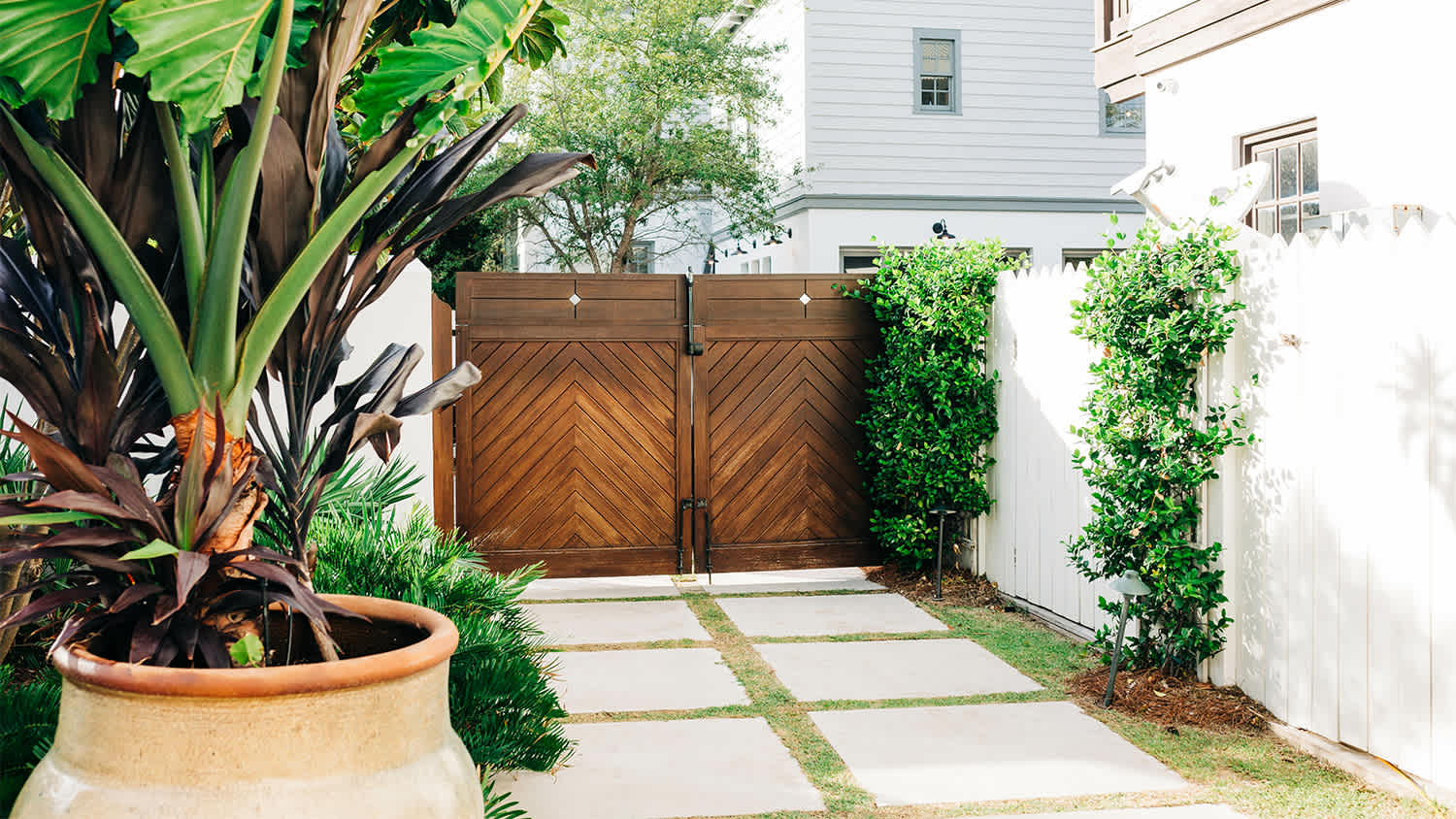
If you’re looking to upgrade your patios, driveways, and walkways with an eye toward sustainability, you need to know what permeable pavers are.
Permeable driveway is a popular upgrade for many living in high precipitation regions. What are your best permeable driveway material options?
Choosing the right asphalt is key to a long-lasting surface. Find out which mix works best for roads, driveways, and heavy-traffic areas.