

Top-rated paving pros.

Get matched with top paving pros in Wausa, NE

Enter your zip and get matched with up to 5 pros

Need a pro for your paving service project in Wausa, NE?

Select your specific project to find the pro for you.

Find Paving pros in Wausa

Paving Services questions, answered by experts

Yes, pea gravel is good for driveways as long as your driveway isn’t built on a hill or any type of slope where it can slide. It’ll settle on a flat surface and create a suitable driveway over time, though some spreading initially will take place. If you're wondering how to make a gravel driveway in a high-rainfall area, using pea gravel could help you to cut down on costs needed for extra drainage solutions.

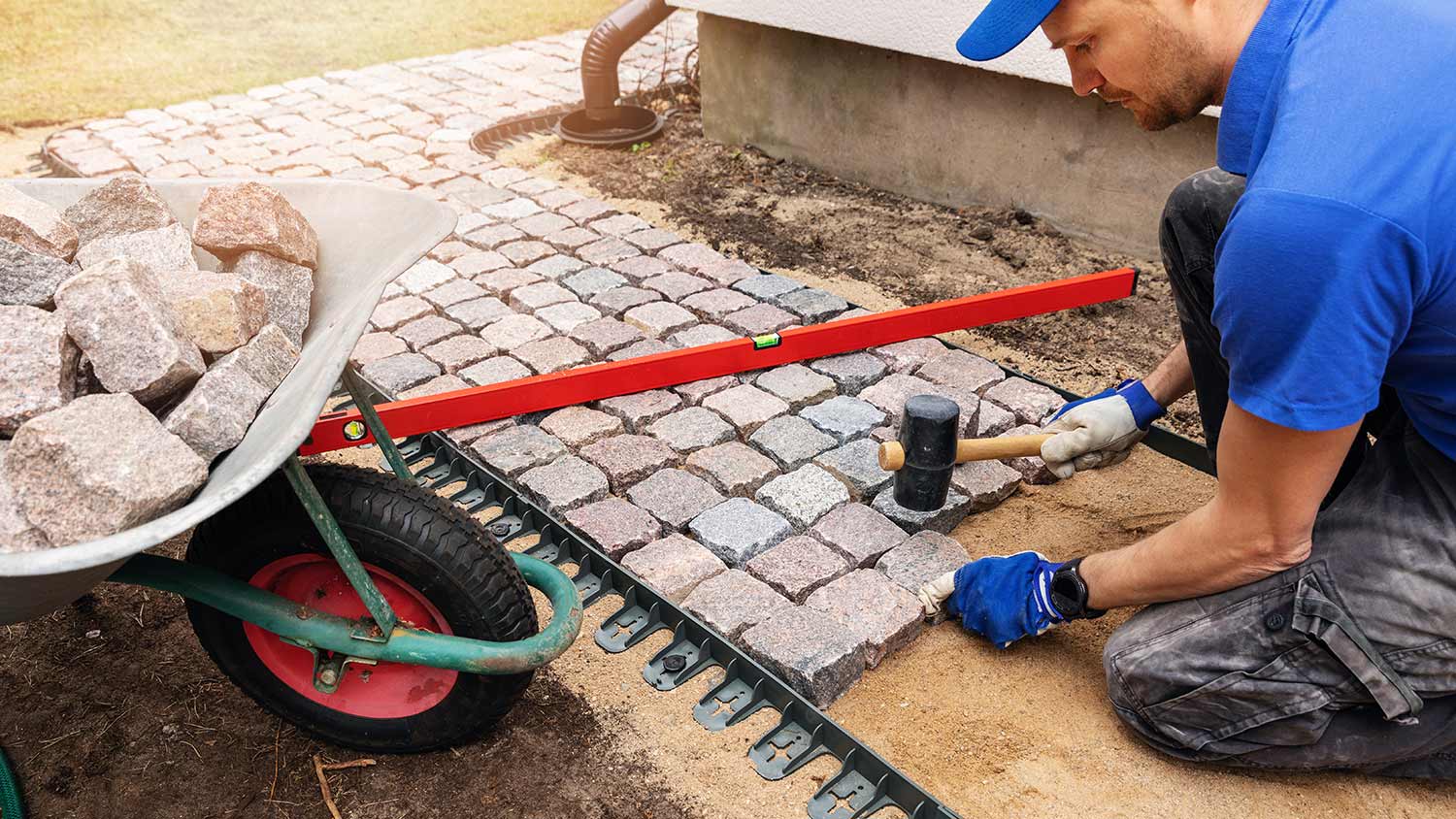
Generally speaking, tiles are for indoor use, while pavers are for outdoor use. The main difference between travertine tiles and pavers is their thickness. Tiles are around 1/2 inch thick, and pavers are 1 1/4 inches to 2 inches thick.

Pavers are more rugged and can handle different weather. The extra thickness on pavers also makes them ideal for high-traffic areas.

Maintaining a driveway depends on its material. For concrete and asphalt, it's best to clean the surface thoroughly twice a year with a stiff broom and a pressure washer to remove accumulated dirt and debris. Sealing the driveway is crucial to protect it from water damage and freeze-thaw cycles. Before applying a sealant, pressure wash the surface to remove any loose sealant, dirt, or stains, as sealing over them will trap them. Any cracks or expansion joints should be filled with a flexible polyurethane caulk or asphalt sealer. In colder climates, use sand instead of salt for de-icing. Sand helps melt snow and ice without accelerating the freeze-thaw process, which can cause cracks.

The material that’s best for your private road depends on your property, the climate in your area, and your personal preferences. Gravel is an affordable option, but some homeowners don’t like how it looks. It can be a pain to remove snow from, and it requires more ongoing maintenance than asphalt or concrete. However, while these other options require less maintenance and make snow removal a breeze, they’re more expensive and will need repairs from time to time. Ultimately, you’ll have to choose the road material that suits you and your property best.

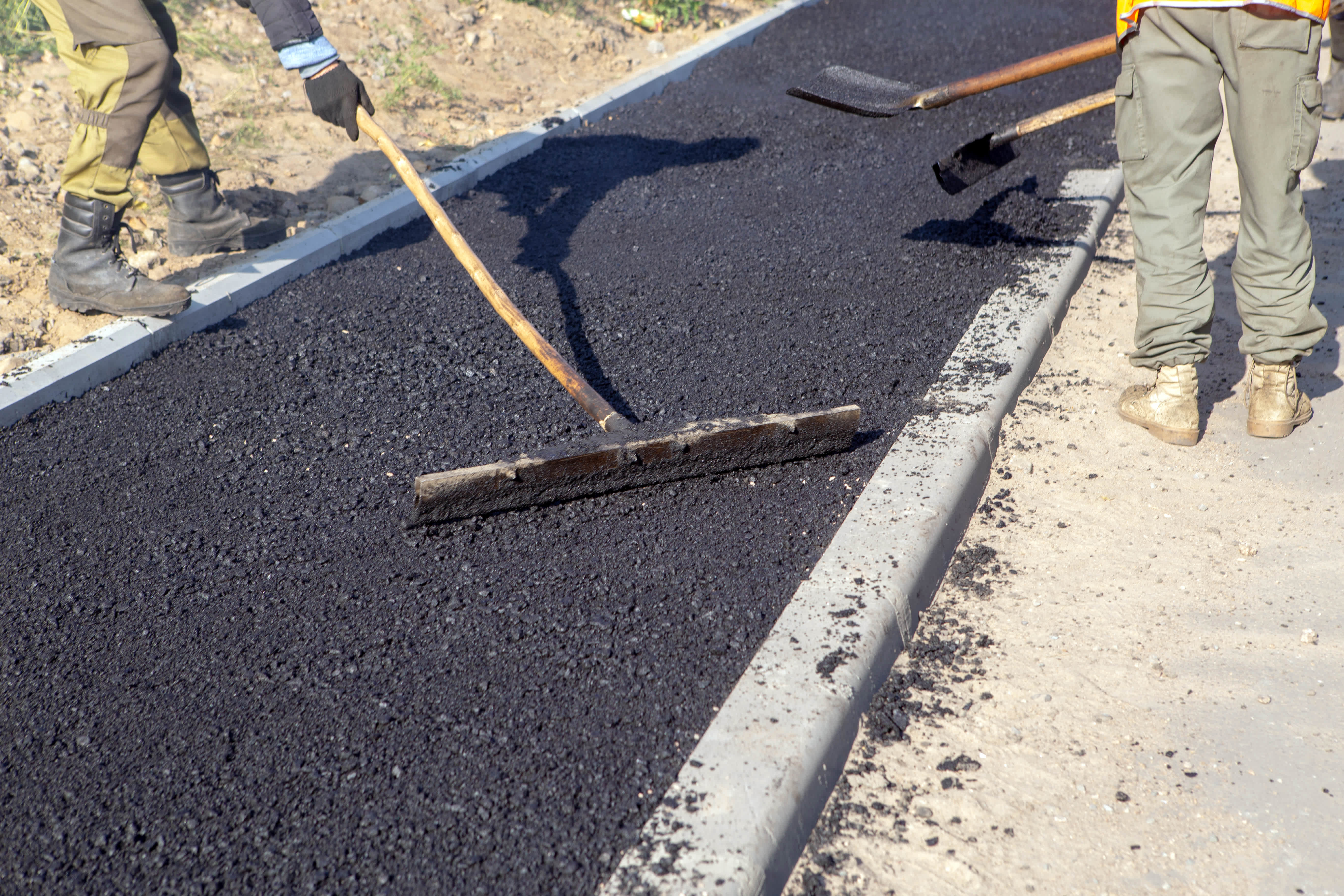
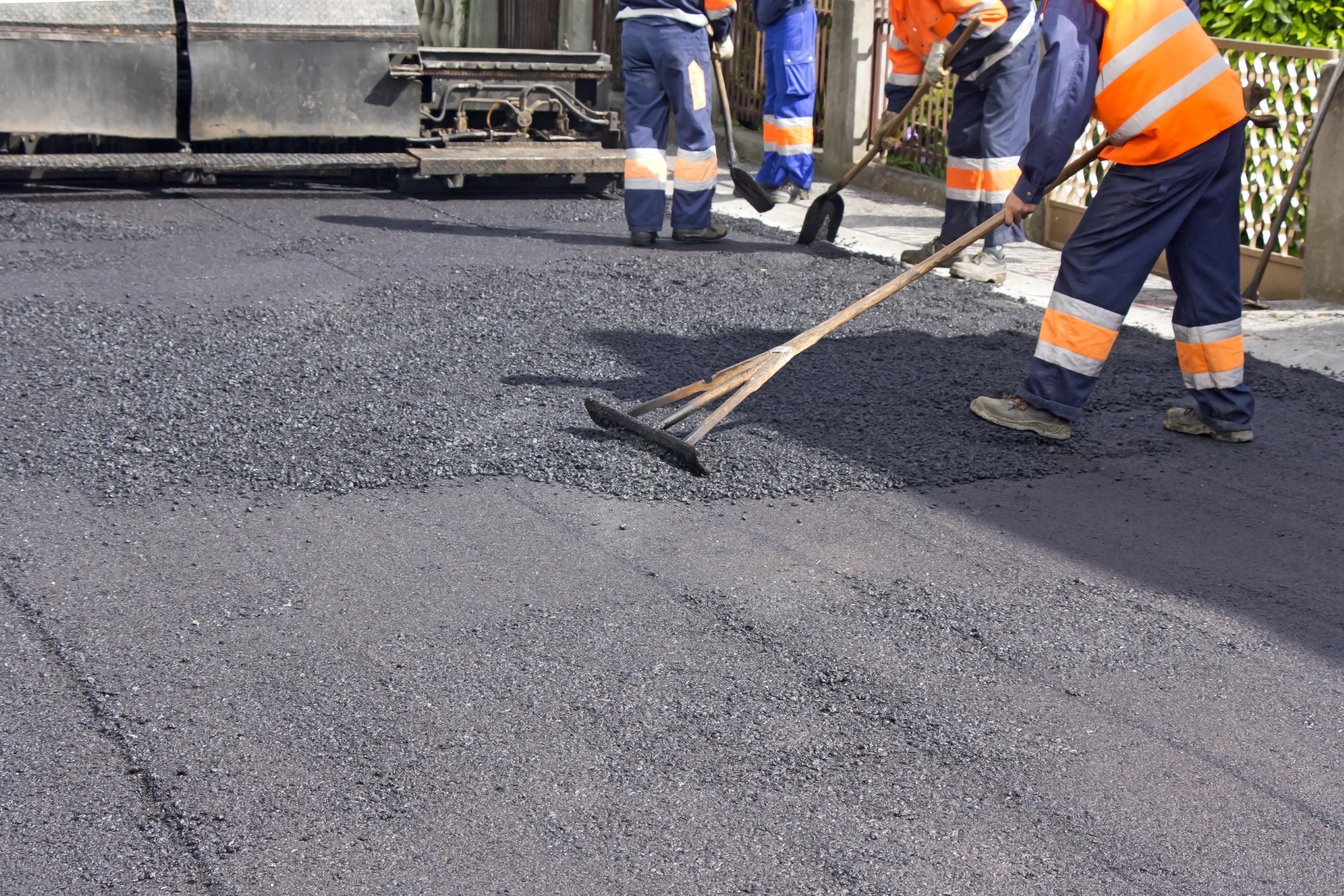
There’s no single best asphalt grade—it all comes down to where and how it’s used. Highways and heavy-traffic roads need something tough, like polymer-modified asphalt (PMA) or Stone Matrix Asphalt (SMA). Local roads and parking lots rely on the Performance Graded (PG) system, chosen based on climate. A PG 64-28 mix, for example, handles a broad temperature range while simpler, more cost-effective mixes are typically enough for residential driveways. The best grade of asphalt depends on traffic, weather, and your budget, which is why a professional’s input is always a smart move before making a decision.

The Wausa, NE homeowners’ guide to paving services

From average costs to expert advice, get all the answers you need to get your job done.