





Get matched with top paving pros in Elgin, NE
Top-rated paving pros.

Need a pro for your paving service project in Elgin, NE?

Select your specific project to find the pro for you.

Find Paving pros in Elgin

Paving Services questions, answered by experts

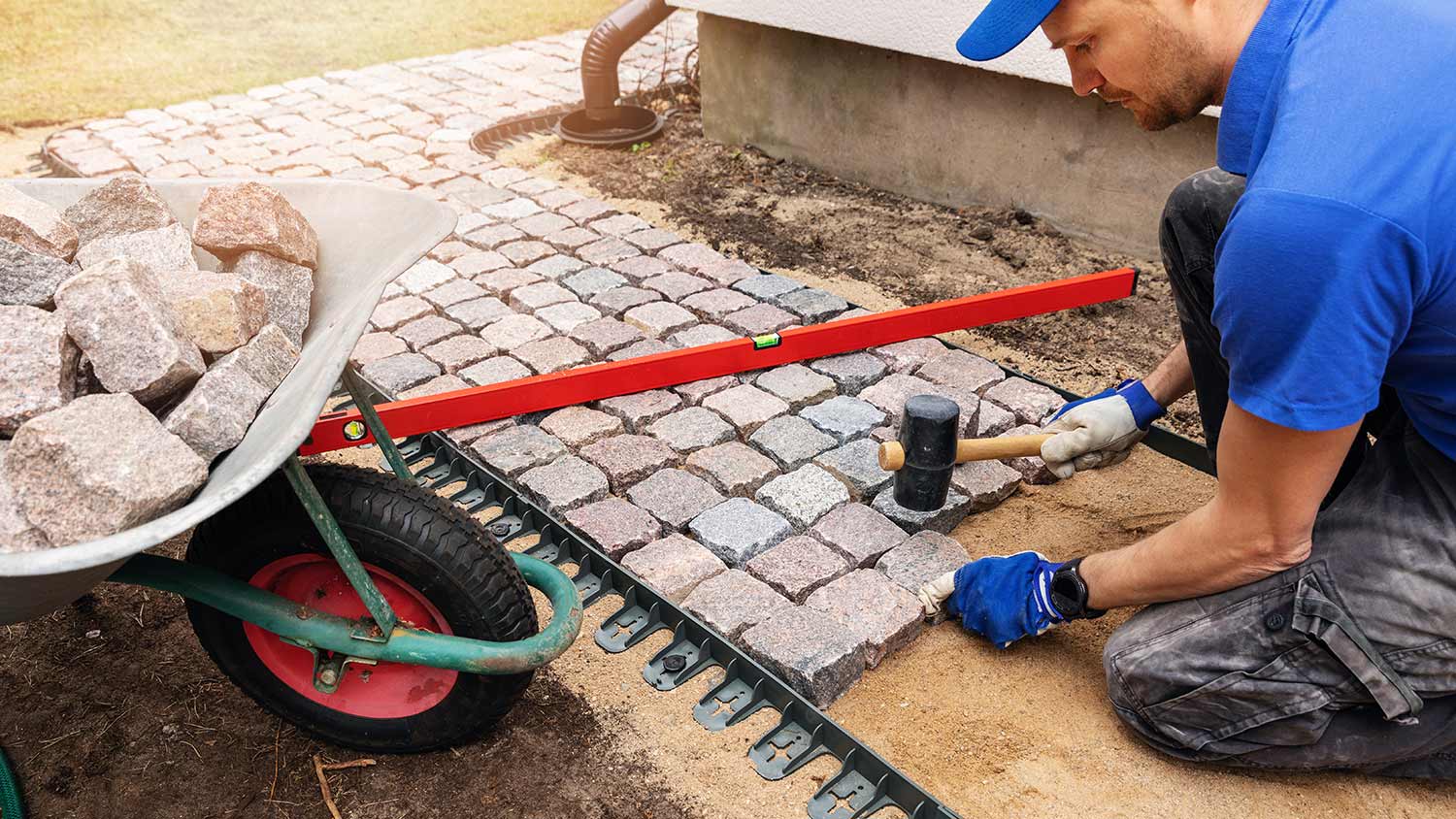
You’ll first need to install a base underneath your pavers for extra stability and drainage. Otherwise, the pavers can sink into the ground, and you’ll have to reinstall them. Use a base gravel layer of 4 to 6 inches for walkways and 10 to 12 inches for driveways. Compact your gravel layer every 2 to 4 inches so it’s nice and solid. After you install your gravel base, apply a 1-inch layer of sand on top.

The best way to stop your pavers from sinking is to ensure you've properly compacted the base layers. Use your paver compactor and work over the base layer several times to create the hardest possible base. If the soil and sand of your base are compact, you’ll experience less shifting and sinking.

The answer to whether or not you need to get a permit before you start your driveway can vary widely based on local ordinances and the scope of your driveway ideas. In most urban and suburban areas, a permit is needed before building a new driveway to ensure that a homeowner is using safe materials and proper drainage practices while designing and constructing a new driveway. In some rural areas, a homeowner may not be required to apply for a permit. When building a new driveway on your own, always check with your local building department to see if you need to request a permit. When hiring a driveway contractor, verify that the right permits are being used before driveway construction begins.

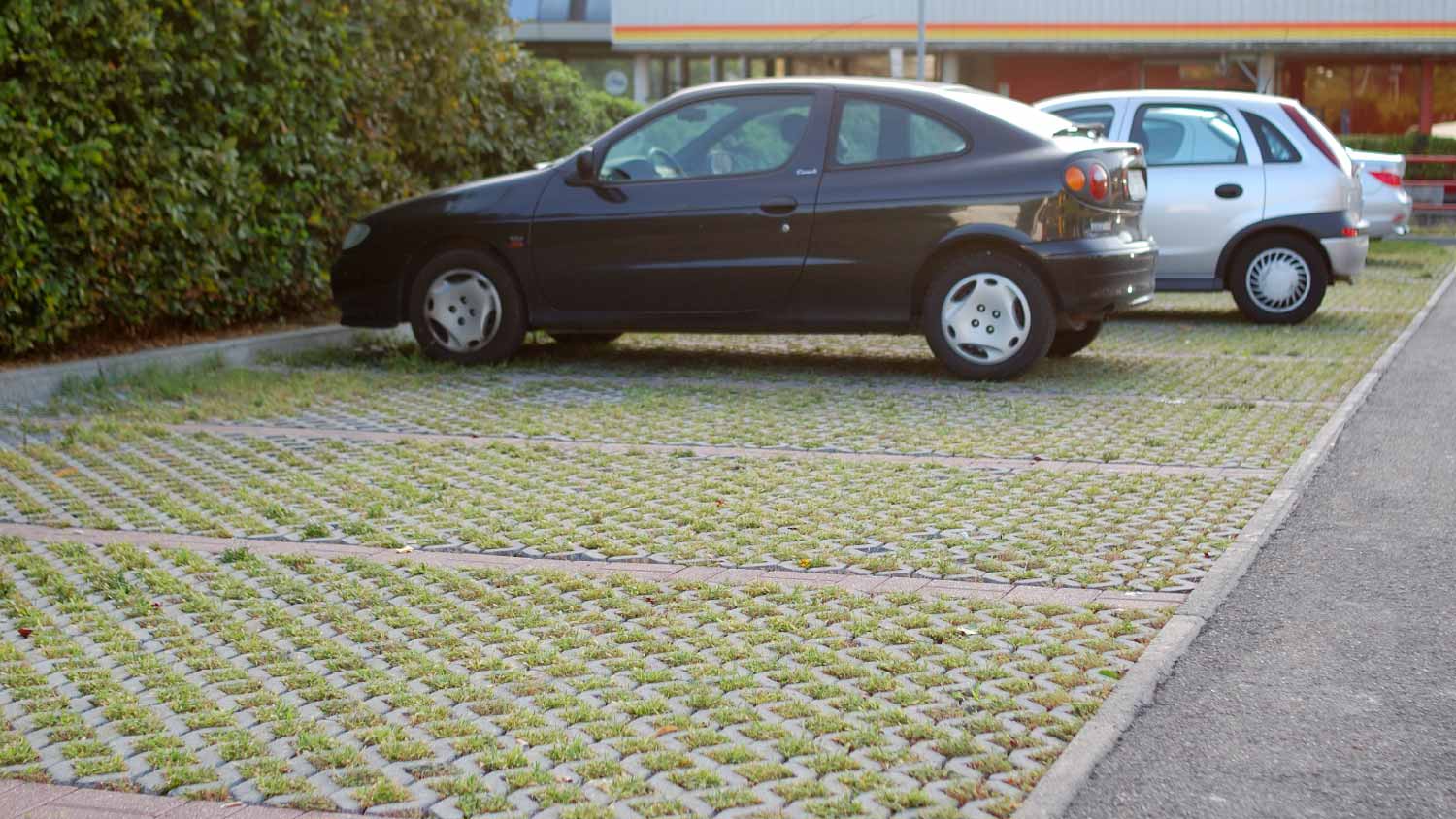
An example of permeable paving is a set of cinder blocks or natural stone pavers with room inside for natural materials, such as gravel, sand, or grass. You can also design these pavers with brick or plastic tiles.

In addition to these pavers, permeable pavement can be obtained by using a highly porous material, such as pervious concrete or pervious asphalt.

The dimensions of a driveway apron vary based on local building codes, the width of your driveway, and the distance between the driveway and the road. On average, aprons range from 12 to 24 feet wide and 8 to 18 feet long. Typically, the end of the apron connected to the driveway matches its width—such as 10 to 12 feet for a single-car driveway—while the end at the street flares out to allow cars to turn in and out more easily. In some areas, you may not be responsible for the portion of the apron that extends beyond the sidewalk, but this depends on local laws.

The Elgin, NE homeowners’ guide to paving services

From average costs to expert advice, get all the answers you need to get your job done.