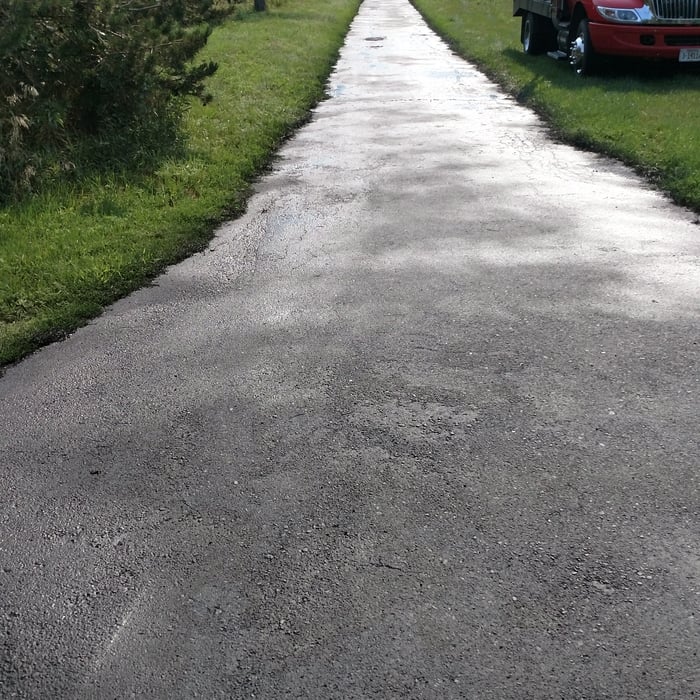
Driveways should be sloped with a minimum 2% slope—anything lower will cause precipitation and runoff to collect. A 2% slope is the equivalent of a 2-foot rise over 100 feet. One quick way to check the integrity of your driveway’s slope: no more than four inches of water should collect on the surface longer than 15 minutes after rain.
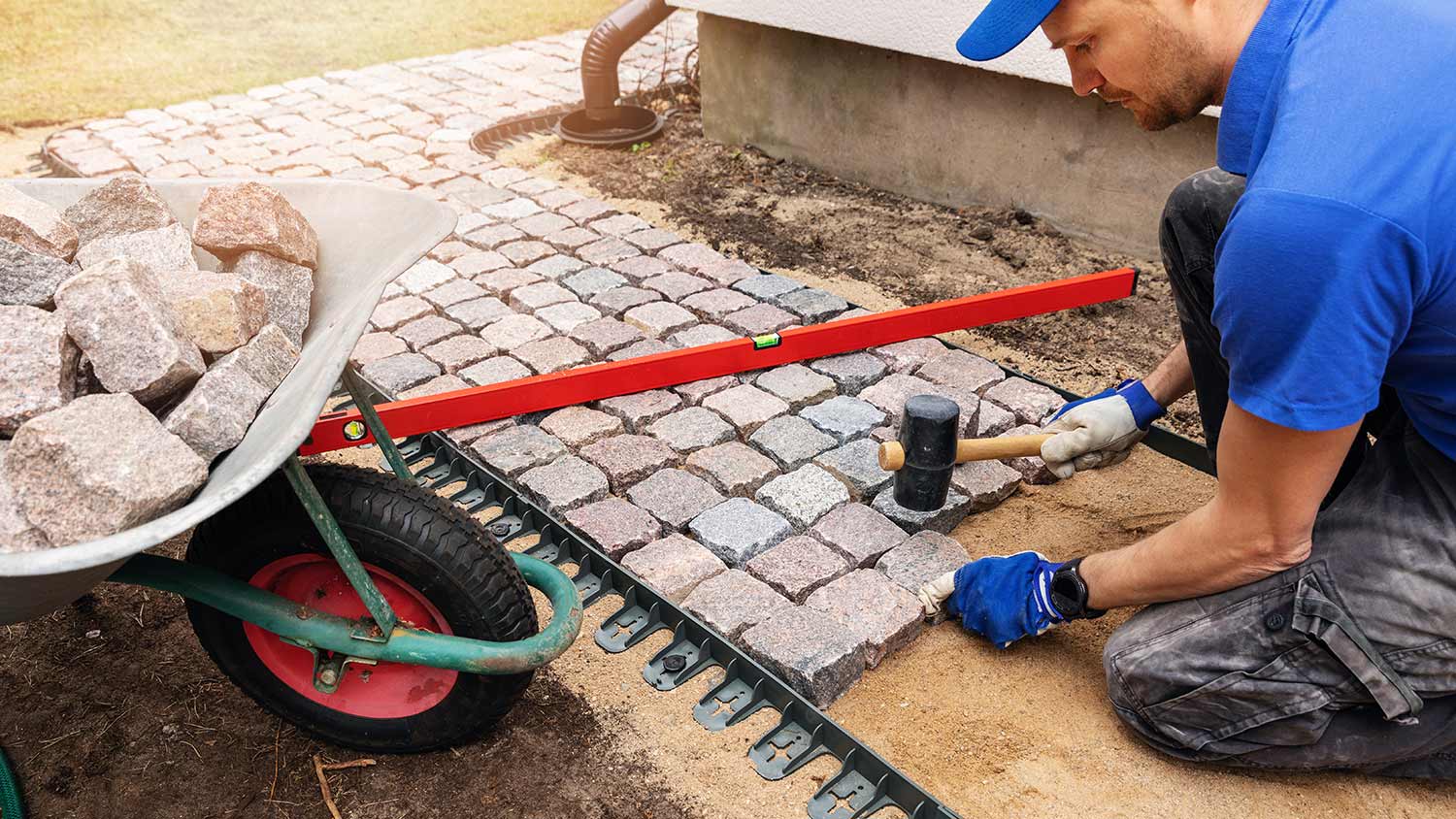
Paver driveways are durable and aesthetically pleasing, but they do have a few cons. For instance, paver driveways are often more expensive than asphalt and concrete driveways. They also make it easier for weeds to grow where the separate pavers meet up. They may also be more likely to settle over time.
Asphalt, which is stone mixed with tar, is the most common material for outdoor basketball courts because it’s so sturdy and versatile. However, you don't have to use it: another option is polymeric rubber, which has shock pads that can prevent injury. This option is a little more expensive, ranging between $16 and $25 per square foot.
Materials used for indoor basketball courts, such as hardwoods, aren’t really an option outdoors.
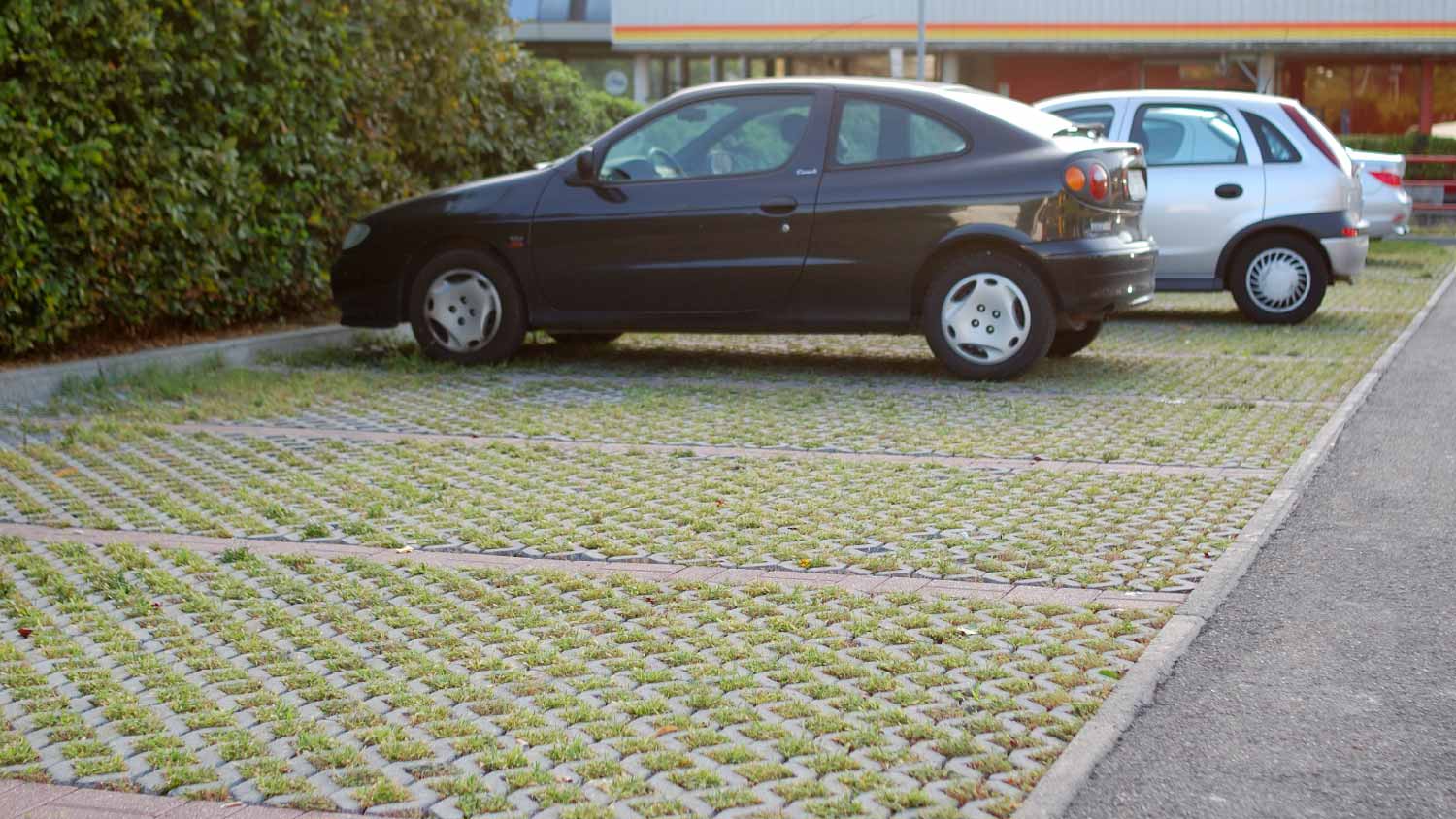
A 500-square-foot driveway can cost anywhere from $5,000 to $35,000, depending on the type of pavers you choose. Grass and concrete pavers are more affordable, while stone and cobblestone pavers are on the higher end of that price range. You’ll save some money by DIYing the installation, though we highly recommend sticking with a professional for this type of driveway installation.
The answer to whether or not you need to get a permit before you start your driveway can vary widely based on local ordinances and the scope of your driveway ideas. In most urban and suburban areas, a permit is needed before building a new driveway to ensure that a homeowner is using safe materials and proper drainage practices while designing and constructing a new driveway. In some rural areas, a homeowner may not be required to apply for a permit. When building a new driveway on your own, always check with your local building department to see if you need to request a permit. When hiring a driveway contractor, verify that the right permits are being used before driveway construction begins.
The Orchard, NE homeowners’ guide to paving services
From average costs to expert advice, get all the answers you need to get your job done.
The cost of a tar and chip driveway falls between gravel and asphalt. Is this unique process the happy medium you've been looking for? Let's take a look.
Get proactive with marketing for your paving contractor business. Use these paving marketing ideas (ranked by budget and experience level) to grow your business, get more leads, and earn more money.