


Top-rated paving pros.

Best paving pros near Bloomfield, NE

Enter your zip and get matched with up to 5 pros

Need a pro for your paving service project in Bloomfield, NE?

Select your specific project to find the pro for you.

Top-Rated Paving pros in Bloomfield - Updated Nov 2026

Paving Services FAQs, answered by experts

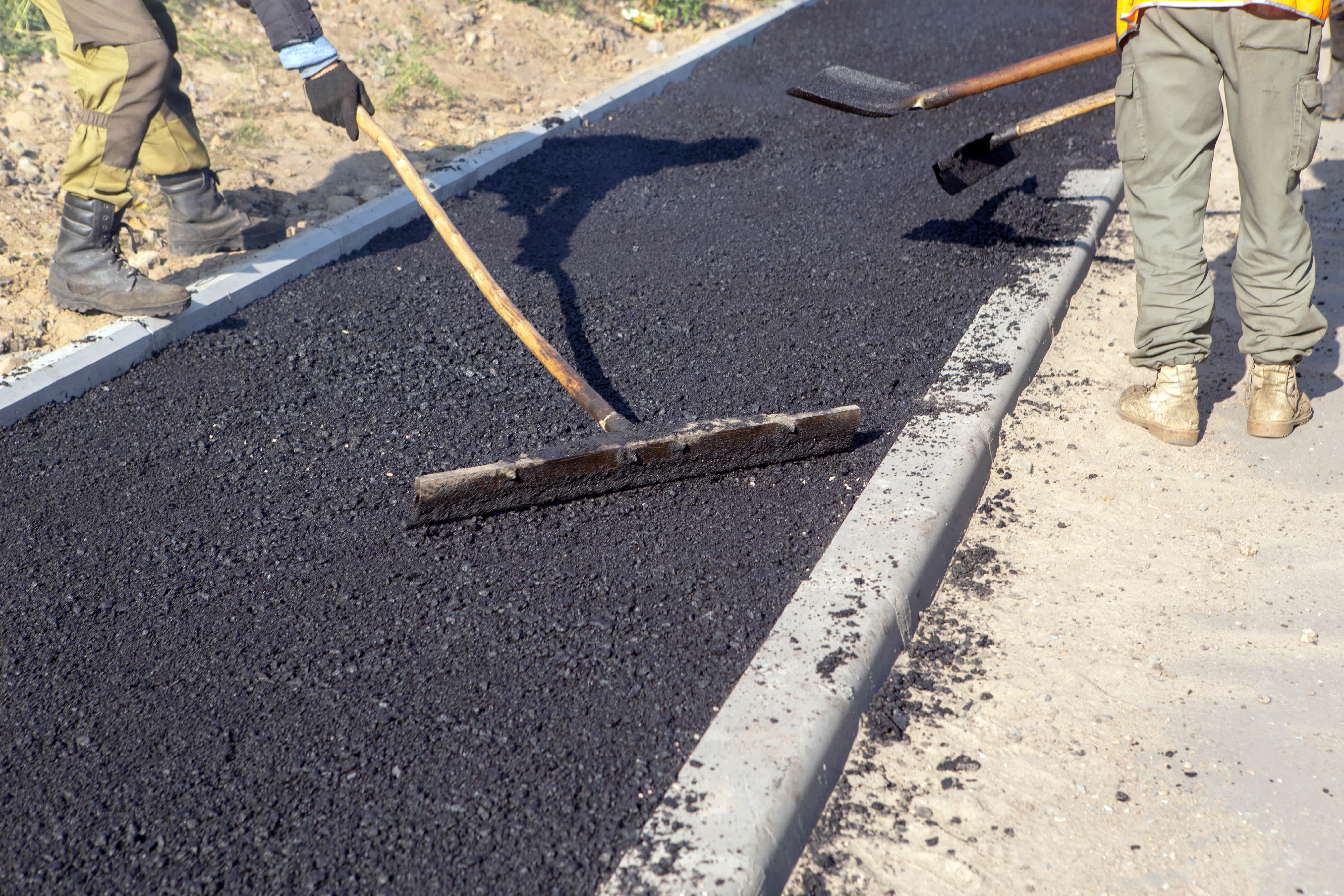
Asphalt and tarmac are not the same thing. Traditional tarmac, short for tarmacadam, uses tar as a binder to hold crushed stone together. Asphalt uses bitumen—a byproduct of crude oil—to bind aggregate. Though tarmac was once a go-to for roads, asphalt has become the modern standard. And these days, most surfaces referred to as “tarmac” are actually asphalt. So, while the names may overlap, the key distinction lies in the binder—tar for tarmac and bitumen for asphalt.

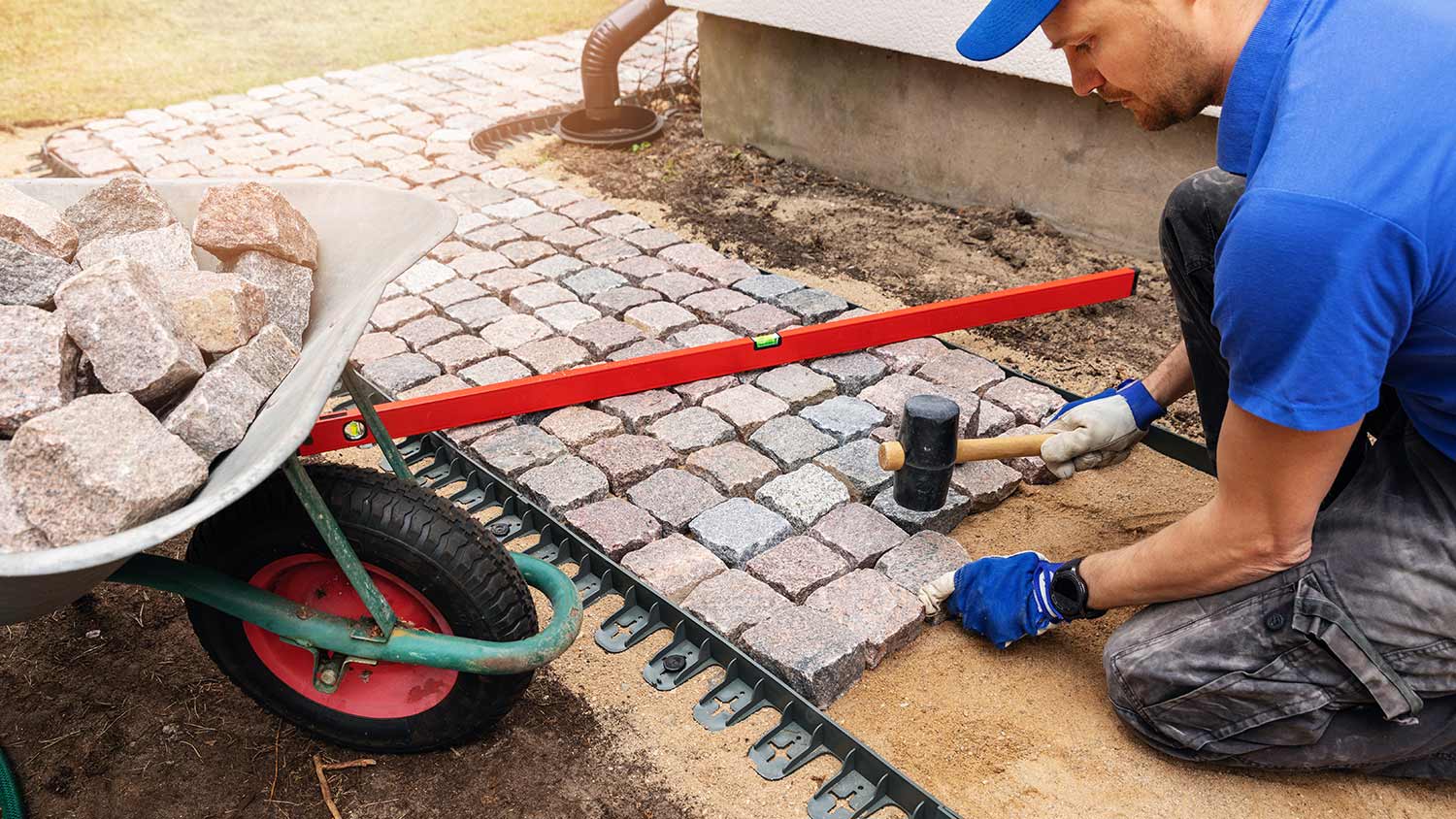
The most common causes of sunken pavers are poor base preparation and insufficient compaction. The problem could also be how your pavers were installed. If the soil beneath your patio or walkway wasn't compacted, it will pull pavers down as it settles. Additionally, using bare soil instead of making a paver bed with compacted gravel and sand can cause sinking over time. To fix sunken pavers, consider recompacting the base and addressing any drainage or erosion issues in the area.

You can pour concrete over asphalt if it’s in good condition, thick, stable, and well-compacted. Concrete is more durable than asphalt and can extend the lifetime of your driveway without having to pay frequent asphalt driveway repair costs or replace it completely. 

But this is best reserved as a temporary solution based on budget restraints, as asphalt requires more frequent repairs and assessments than concrete. Once that concrete top is poured, it’ll be harder to accurately understand what’s happening beneath that layer, which could lead to more issues.

Like brick, paver, and cobblestone driveways, resin driveways can have intricate patterns using different colors. Aggregates can be laid to create curves, shapes, letters, or numbers. When using custom colors or patterns, homeowners can expect to add an extra $2 to $6 per square foot to achieve their desired look.

The best way to stop your pavers from sinking is to ensure you've properly compacted the base layers. Use your paver compactor and work over the base layer several times to create the hardest possible base. If the soil and sand of your base are compact, you’ll experience less shifting and sinking.

The Bloomfield, NE homeowners’ guide to paving services

From average costs to expert advice, get all the answers you need to get your job done.