




Top-rated paving pros.

Get matched with top paving pros in Creighton, NE

Enter your zip and get matched with up to 5 pros

Need a pro for your paving service project in Creighton, NE?

Select your specific project to find the pro for you.

Find Paving pros in Creighton

Paving Services questions, answered by experts

Your city or county will have guidelines about the minimum and maximum width and length of private roads. The average private road is 12 feet wide, and length, of course, depends on your property. Requirements also depend on the amount of traffic and types of vehicles your road experiences. Check with local ordinances before planning a road on your property.

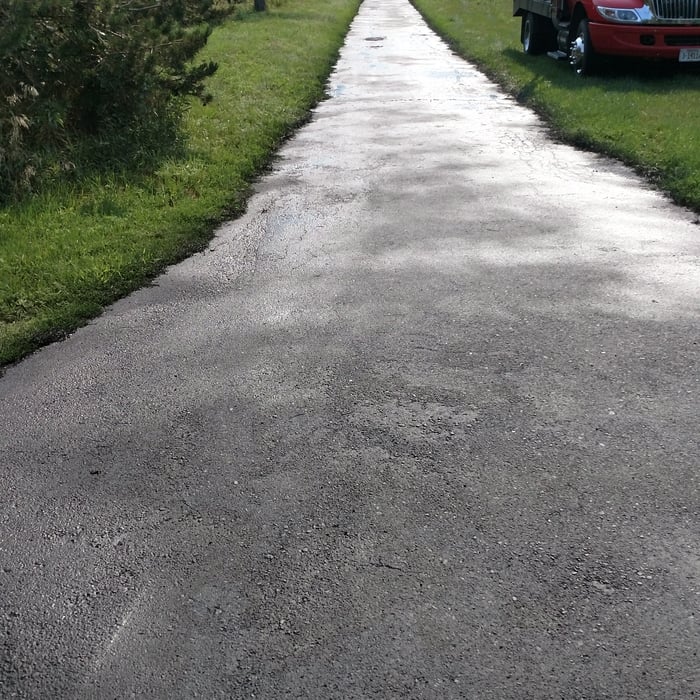
Yes, it is possible to pave over an existing driveway, but whether it's the right choice depends on several factors. If the underlying structure of your current driveway is still strong, concrete or asphalt resurfacing can be a cost-effective way to prolong its life. However, if your driveway has significant issues like potholes, deep cracks, or other inconsistencies, it is best to remove the old driveway and start from scratch. Key factors to consider include the current driveway's condition, the compatibility of the new material, the added thickness and height, and the necessary surface preparation.

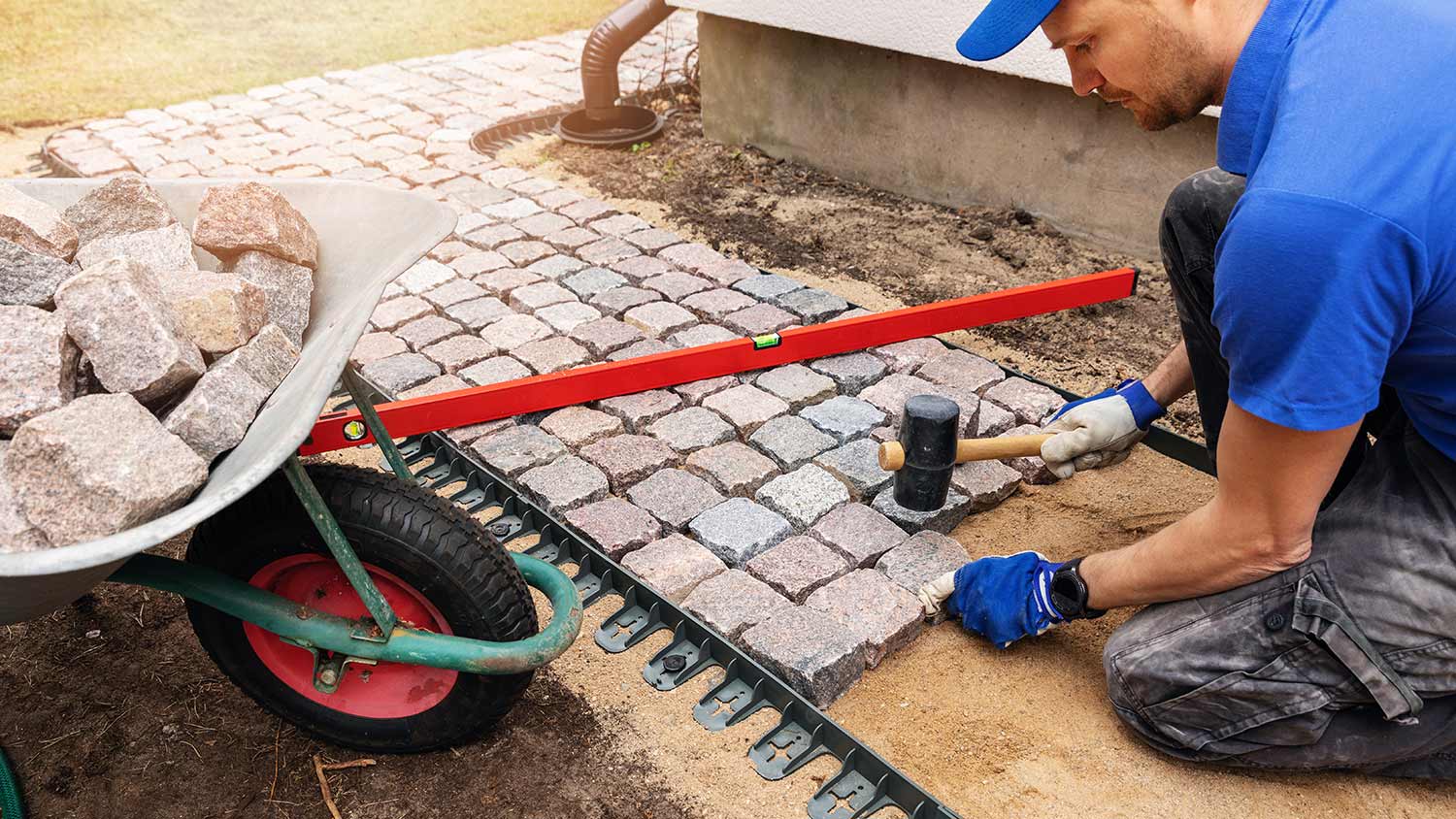
While it may be less expensive initially to lay concrete vs. pavers, the long-term expenses that come with repairing concrete may prove to be less cost-friendly than simply replacing a few damaged pavers. On top of that, stamped concrete may only last for 25 years compared to pavers, which can last over 50 years.

Building a road on a slope requires careful planning and will normally require a drainage system underneath to prevent flooding and damage to the road over time. Your professional may lengthen your road to create switchbacks if the slope directly to your home is too steep, as there are regulations for maximum road slope. The drainage system will help prevent runoff from the higher side of the slope from damaging the asphalt or concrete. Keep in mind that building a road on a slope isn’t a good DIY project, as a lot can go wrong.

Box fill refers to the maximum number of conductors that can be contained within a wiring enclosure box, as well as the total volume of the components. Determining the allowable number of conductors in a box requires adding up the number of conductors, clamps, support fittings, devices and equipment, and equipment grounding conductors to make sure you’re within the allowable volume.

The Creighton, NE homeowners’ guide to paving services

From average costs to expert advice, get all the answers you need to get your job done.