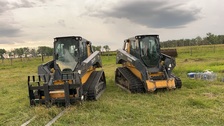
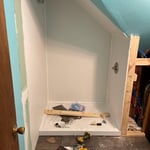
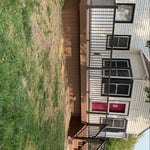
With several years experience, we work hard to bring each customer the best possible service and quality available. We look forward to working with you on your next project. We welcome your questions and thank you for your interest.
With over 10 years experience in the landscaping industry, Precision Landscaping is your industry expert in Tilden and the surroudnings area. We pride ourselves on our extreme professionalism and attention to detail. Our customer satisfaction guarantee will assure you we will not leave your property until you are completely satisfied with our work. As a family owned and operated business you can trust that we will treat your home as we would treat our own. Give us a call today and we look forward to working with you!
Welcome to Perfect Lawn Service. We have over 5 years of experience in the lawn and landscaping industry. We take pride in the work we do and we treat every project as if it was our own home. Give us a call today for your free estimate!
Have no fear, HelloTech is here. We can send a tech to your door to help with your computer, home theater, TV mounting, and general device needs. In many cases, we can solve your issues remotely for much less, simply by connecting to your computer.
Create your ideal landscape with our friendly, professional landscape designers. Plan and visualize your new landscaping before any construction begins. The time has come for you to finally have the landscape you have always dreamed of, no more staring wistfully out your windows, envisioning a fabulous pool, enticing barbecue, and gorgeous landscaping. But how do you optimize the space you have? How do you know where to put that barbecue? What kind of plants should you get and where should they be placed? Now you can have the answers to all these questions and more before you�re committed to construction thanks to the help of a qualified, professional landscape designer.
\n
\n By choosing to enlist the help of a professional landscape designer, you can have your master concept plans to show contractors exactly what you want. You can shop your project around and get accurate bids allowing you to choose the best contractor for your project.
\n
\n
\n
\n
S Lazy H LLC is committed to excellence in every aspect of our business. We uphold a standard of integrity bound by fairness, honesty, and personal responsibility. Our distinction is the quality of service we bring to our customers. Accurate knowledge of our trade combined with ability is what makes us true professionals. Above all, we are watchful of our customers' interests, and make their concerns the basis of our business.
At Osborn Lawn Care & Mower Repair, our company is based on the belief that our customers' needs are of the utmost importance. Our team is committed to meeting those needs. We welcome the opportunity to earn your trust and deliver you the best service. No job is too big or too small for our experienced team. Call today for a free quote!
We take great pride in our experience, expertise, quality, and customer service that we provide to meet the consumers' needs. It is our mission to provide excellent workmanship and complete customer satisfaction from start to completion of a project. To understand the needs and expectations of our customers, we take great care to work and communicate with every customer in a professional manner. Our reputation is based on service, safety, and quality, regardless of how large or small the job.
Yes, such as sod installation and erosion control for comprehensive site improvement.
Since you’ll likely be digging a trench to install your yard drainage system, this is a good time to complete other tasks that involve digging up your yard, including: Sprinkler system installation Lawn reseeding Regrading your yard Redesigning your landscaping If your drain is under a walkway or driveway, your contractor must also remove those materials. This is a great time to consider upgrading your hardscaping features, especially if they’re nearing the end of their life span.
A scattering of leaves won’t pose a problem through the winter, but a thicker layer of leaves may not decompose before the first frost and can instead weigh down your grass and harbor mold or fungi. A thick layer of leaves also cuts off light and air that grass needs to grow. That’s why we suggest removing thick leaf layers within several days if possible. If your lawn goes dormant over the winter and snow has already caught up with you, then remove the leaves in early spring before your grass-growing season starts so your lawn can thrive.
You should use mulch because it protects garden soil in a few key ways. This extra layer between the ground and the elements protects against erosion, helps your soil maintain moisture, regulates changes in temperature, adds nutrients as it decomposes, and keeps weeds at bay.
By definition, gardeners are experts at designing and maintaining outdoor gardens. Their job duties extend far beyond choosing the right plants for the area, which in itself is a job—they also help maintain the health and well-being of the plants. Gardeners work independently or for landscapers, nurseries, or horticulture design companies.
The Orchard, NE homeowners’ guide to landscaping services
From average costs to expert advice, get all the answers you need to get your job done.
A landscape designer can elevate your outdoor space and bring your vision to life. Use this landscape design cost guide to budget for your next project.
A good landscaping website can help you land more sales and build your credibility. Read our list of must-have pages and ideas for your website to help potential clients find you and drive more business for your lawn care company.