


Top-rated paving pros.

Best paving pros near Marty, SD

Enter your zip and get matched with up to 5 pros

Need a pro for your paving service project in Marty, SD?

Select your specific project to find the pro for you.

Top-Rated Paving pros in Marty - Updated Nov 2026

Avatar for S Lazy H LLC
S Lazy H LLC
3.7(
6
)
Gravel or Loose Fill Paving - Install, Spread or Scrape

Serving Marty, SD and surrounding areas

In business since 2023

Free estimates

Emergency services offered

"Ok, well the select from drop down menus don't really apply. I had two men out here for three days removing trees and bushes grown into and around my high-tensile electric fence. They did an excellent job with the removal. They also had to replace the top strand of wire as my husband didn't realize the wire was down and he wrapped a goodly portion around the blades of the shredder. They then checked the entire fence line, made what repairs were needed. Hooked up a new fencer, move the old fencer to a differnt location. They did an excellect job and were easy to work with. I highly recommend this company for your next job. Susan B. St. Paul, NE (actually out in the middle of nowhere)"
Response time1 day
Recommended by100%of homeowners
Paving Services FAQs, answered by experts

Driveways should be sloped with a minimum 2% slope—anything lower will cause precipitation and runoff to collect. A 2% slope is the equivalent of a 2-foot rise over 100 feet. One quick way to check the integrity of your driveway’s slope: no more than four inches of water should collect on the surface longer than 15 minutes after rain.

Three inches is a great thickness for a residential asphalt driveway that sees minimal to moderate traffic from cars, SUVs, and pickup trucks. However, a thicker driveway can better withstand the weight of a heavier vehicle, such as a trailer or a recreational vehicle. If you drive a heavy vehicle on a thin driveway, you risk cracking and damaging it.

Generally speaking, tiles are for indoor use, while pavers are for outdoor use. The main difference between travertine tiles and pavers is their thickness. Tiles are around 1/2 inch thick, and pavers are 1 1/4 inches to 2 inches thick.

Pavers are more rugged and can handle different weather. The extra thickness on pavers also makes them ideal for high-traffic areas.

While water-related pressure caused by poor drainage is one common cause of paver cracking, other factors can include ground movement beneath pavers, heavy loads and wear and tear over the pavers, and climates with constant freeze-thaw cycles. In general, pavers should be resealed every three to five years to prevent cracking.

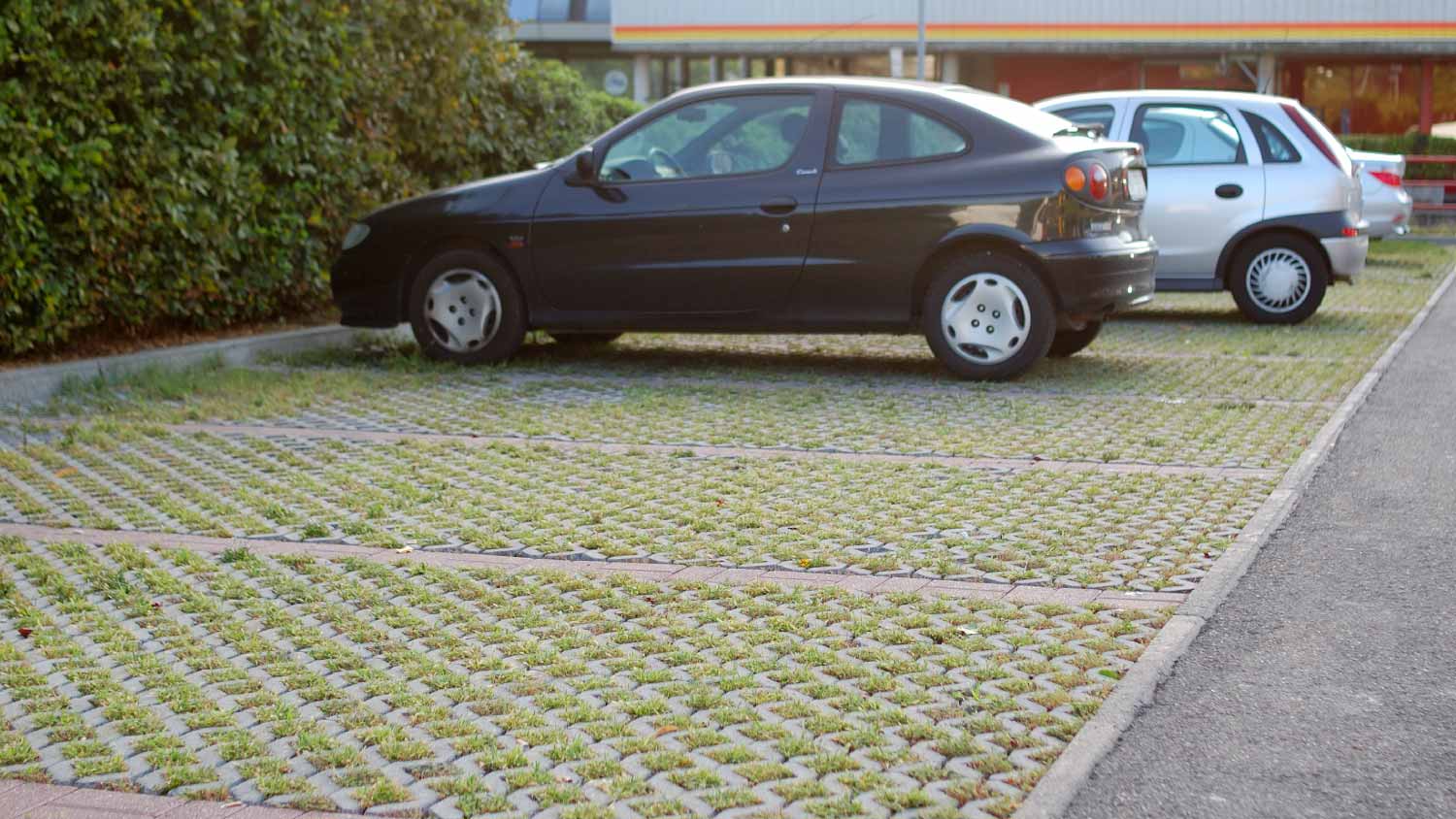
Professional installers often include a deep layer of crushed gravel under permeable pavers to allow more runoff to soak through into the soil below. Many installations will include multiple layers of gravel, with coarser aggregate at the base and finer aggregate that sits on top of that bottom layer. Above the gravel, you’ll often find coarse sand that helps reduce paver shifting over time. Some permeable paver designs include a water collection system set into the gravel layer to route runoff to a safe area for disposal.

The Marty, SD homeowners’ guide to paving services

From average costs to expert advice, get all the answers you need to get your job done.