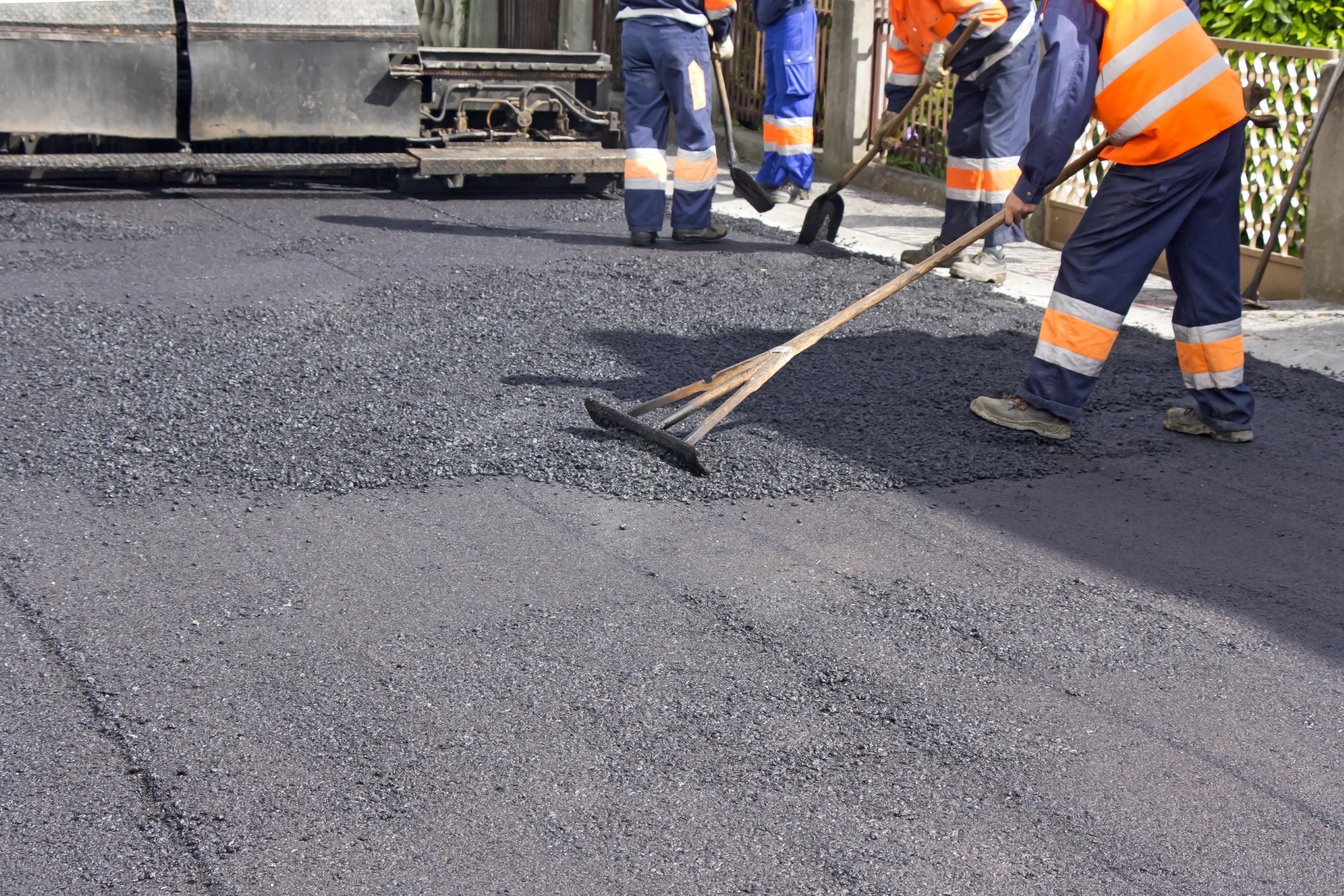
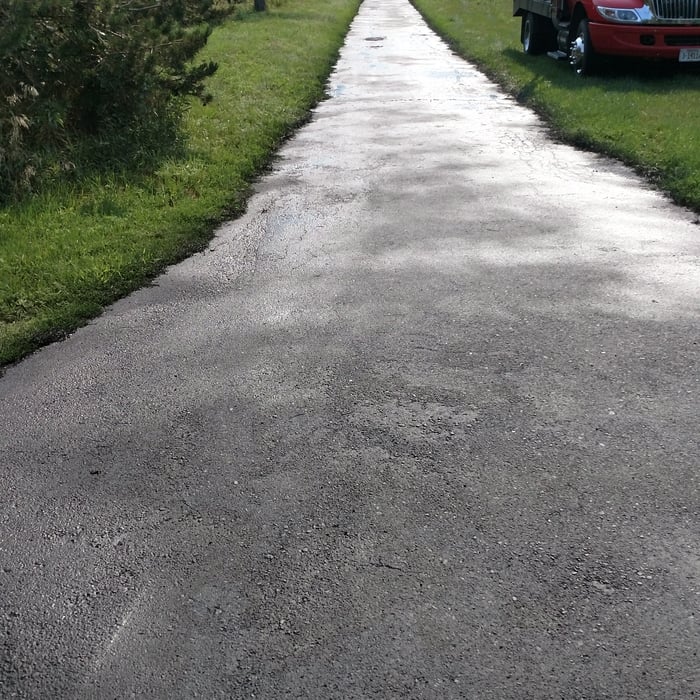
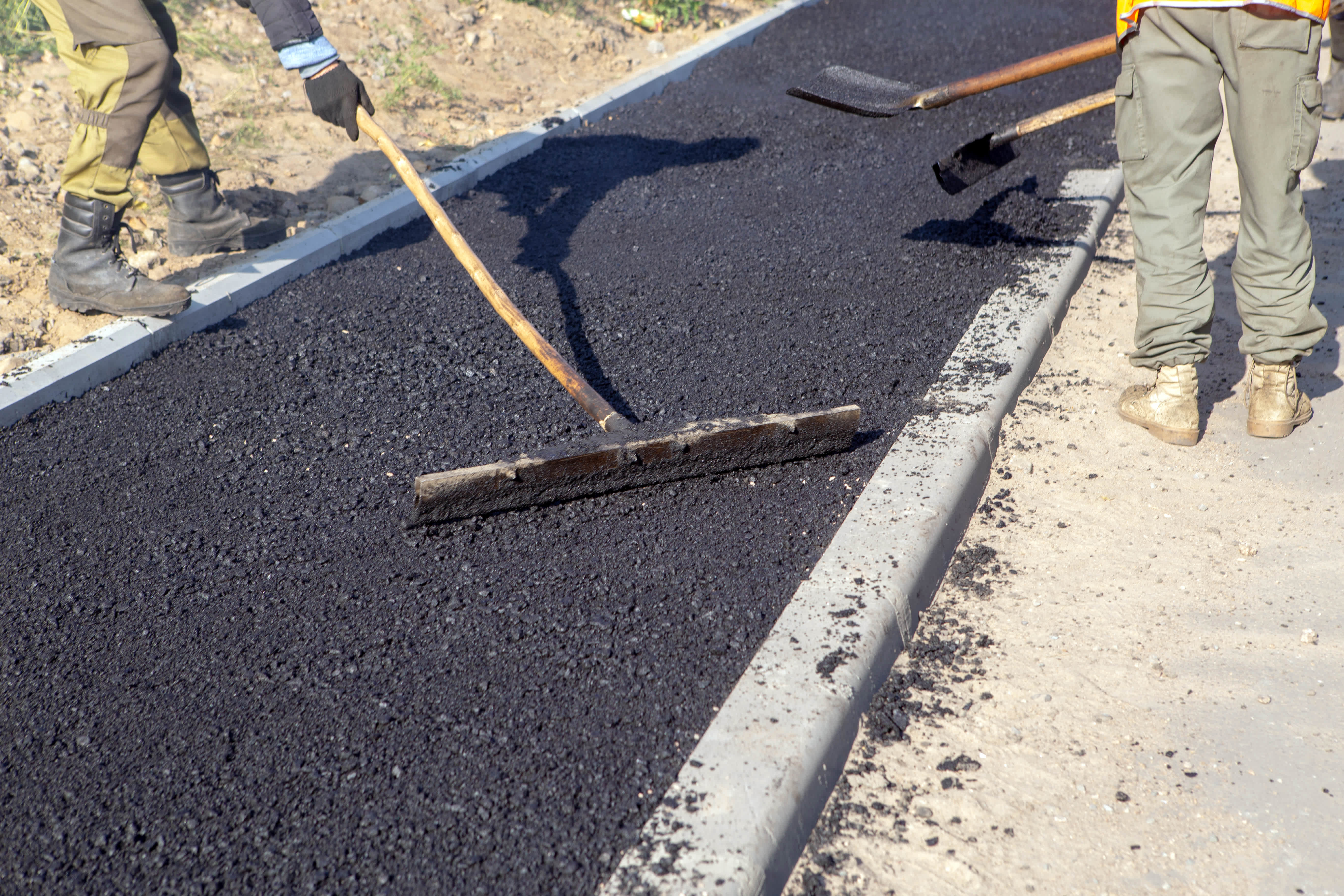
Yes, recycled asphalt driveway costs can be substantially lower than new asphalt. With new asphalt costing between $90 and $190 per ton, this option can cost as much as 10 times more than laying down asphalt millings.
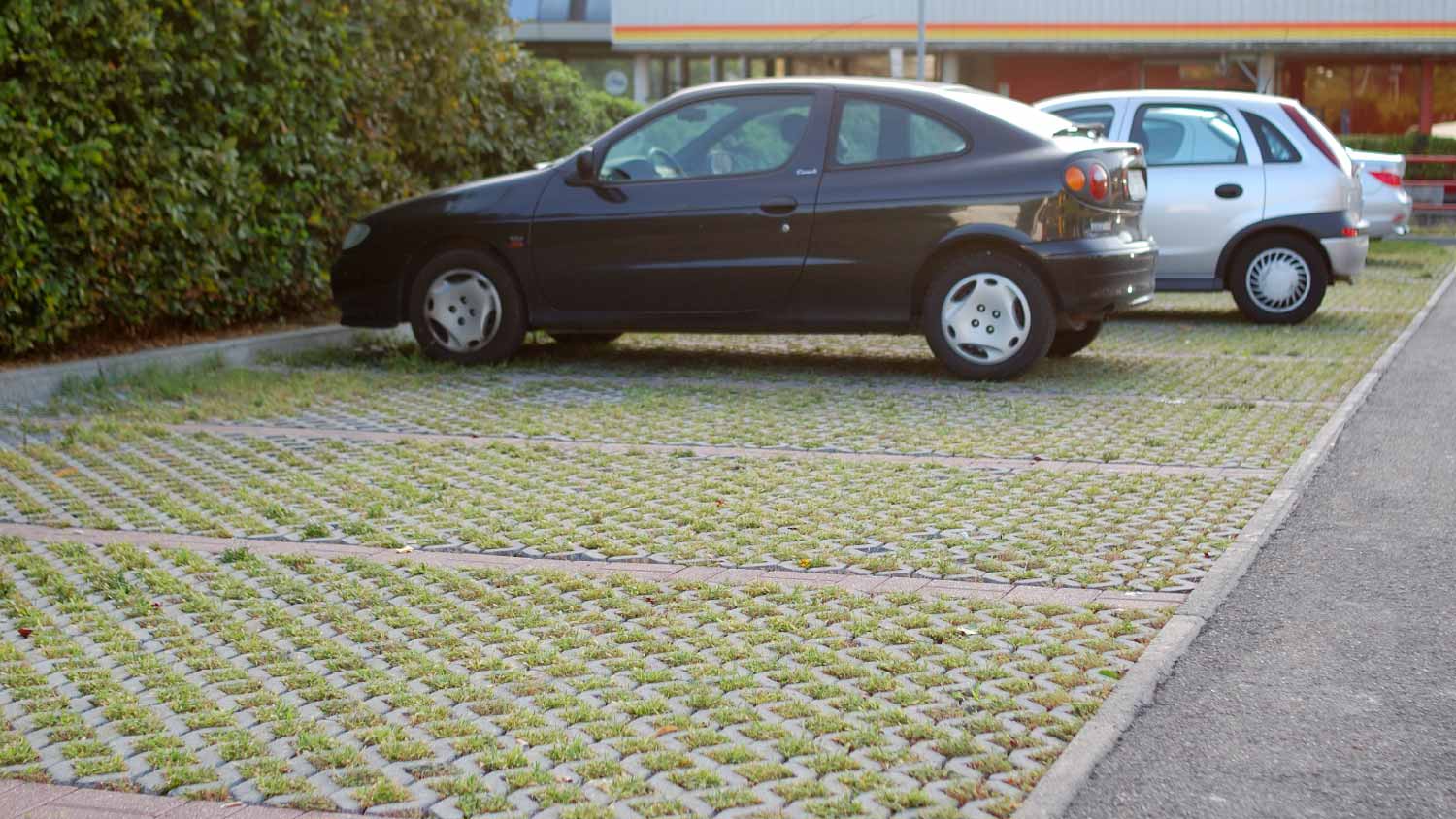
If you're designing a new patio in an area with poor drainage, permeable pavers made from porous materials may help prevent water issues. Most permeable pavers feature a gravel-only aggregate base instead of a concrete base to allow water to flow through instead of getting trapped. While beneficial in some cases, permeable pavers come with higher initial costs and greater load-bearing limitations compared to traditional pavers.
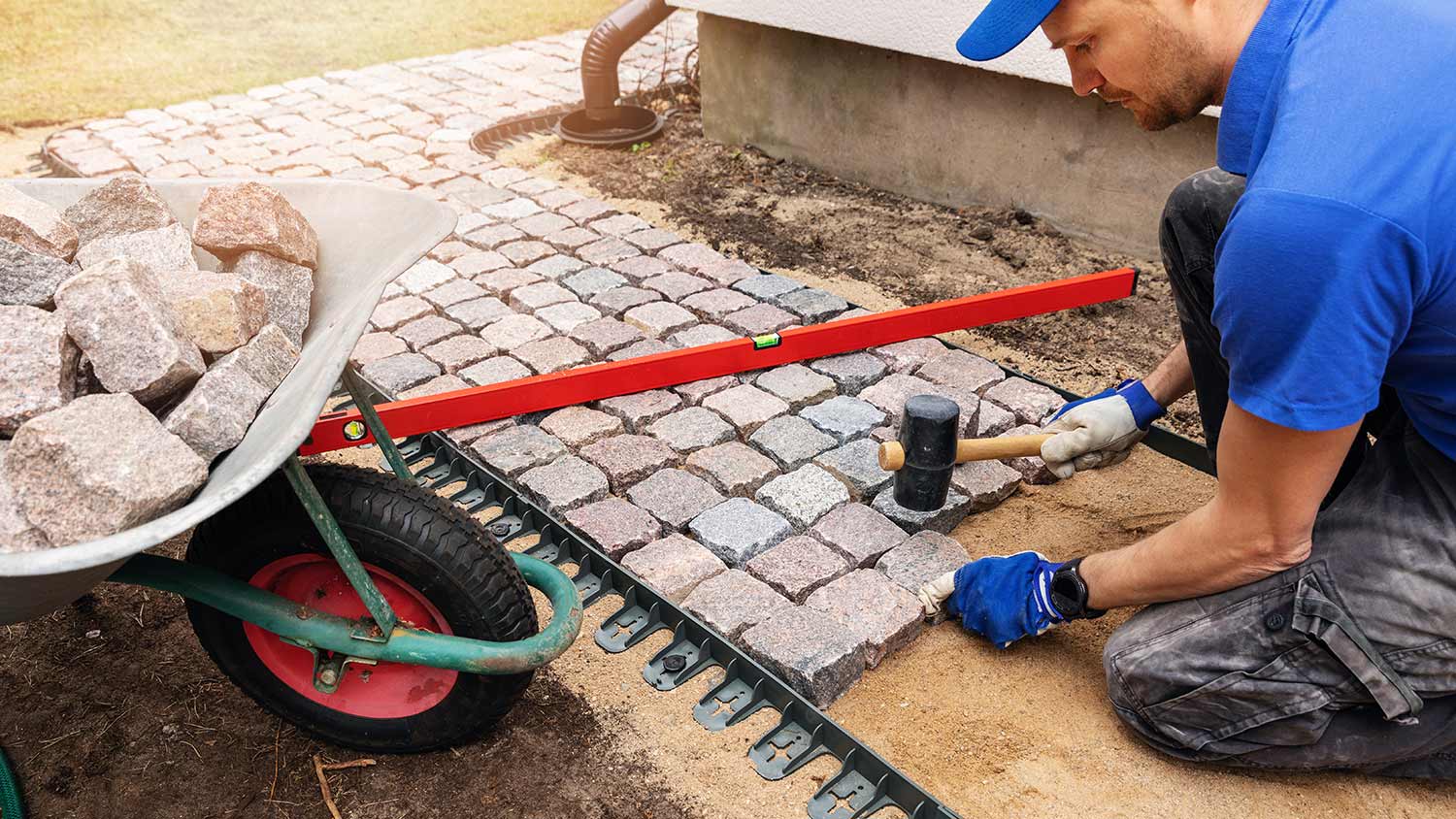
The recommended minimum amount for a paver base is 4 inches. From there, it depends on the kind of traffic the pavers will see and the current soil conditions. Two inches of paver base won’t create the amount of stability and support that pavers need to remain securely in place over time.
Yes, a paved or repaved driveway can boost your home's value by increasing its curb appeal and the functionality of your outdoor space. A new driveway can add anywhere from $5,000 to $20,000 to a property's value. An old, crumbling driveway can be a red flag for potential buyers and inspectors.
The amount of value added depends on the materials used, the design, and local market conditions. Concrete is often cited as adding the most value due to its long lifespan, though asphalt may be more desirable in colder climates. The return on investment is greatest when replacing a driveway that is in poor condition; repaving a driveway that is already in good shape will not yield as significant an increase in value.
If you wish to break up a cracked or broken paver for removal, you can use a hammer or mallet and a chisel to fragment the paver. As you’re working, be careful not to disturb surrounding pavers; the key is to work slowly and steadily and remove the broken pieces gently. You should also wear a mask and goggles to ensure that no dust gets into your eyes, nose, or mouth as you work.
The Spencer, NE homeowners’ guide to paving services
From average costs to expert advice, get all the answers you need to get your job done.
The cost of a tar and chip driveway falls between gravel and asphalt. Is this unique process the happy medium you've been looking for? Let's take a look.
Get proactive with marketing for your paving contractor business. Use these paving marketing ideas (ranked by budget and experience level) to grow your business, get more leads, and earn more money.