








Top-rated arborists.

Get matched with top arborists in Cortland, NE

Enter your zip and get matched with up to 5 pros

Need a pro for your arboricultural service project in Cortland, NE?

Select your specific project to find the pro for you.

TRUSTED BY CORTLAND, NE HOMEOWNERS

  • Average homeowner rating star icon5
    Average homeowner rating
  • Verified reviews icon20
    Verified arboricultural services reviews

Find Arborists in Cortland

Avatar for M. S. Wiekhorst Arbor Company
M. S. Wiekhorst Arbor Company
5.0(
10
)

Serving Cortland, NE and surrounding areas

Free estimates

Emergency services offered

Warranties offered

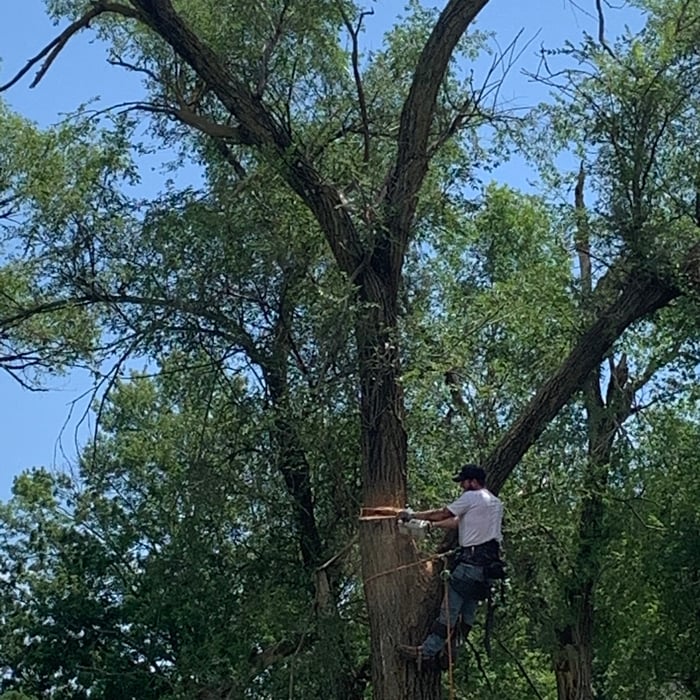
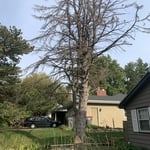
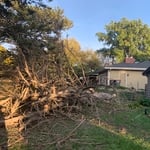
"The services performed went as smooth as expected. Mike was able to trim our biggest tree and remove an entire evergreen that had been exposed to bag worms. The work was quick and efficient and I would highly recommend him to anyone. We will definitely utilize his expertise in the future."
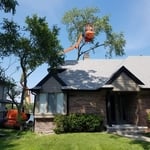
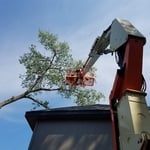
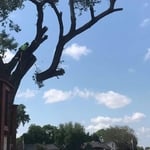
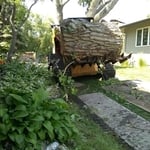
Large Cottonwood Removal

+12

Response time2 days
Response rate100%
Recommended by100%of homeowners
ARBORx Tree Enterprises
New to Angi

Serving Cortland, NE and surrounding areas

In business since 1979

Free estimates

ARBORx Tree Enterprises is committed to excellence in every aspect of our business. We uphold a standard of integrity bound by fairness, honesty and personal responsibility. Our distinction is the quality of service we bring to our customers. Accurate knowledge of our trade combined with ability is what makes us true professionals. Above all, we are watchful of our customers interests, and make their concerns the basis of our business.\n\n\n

Response time10 hrs
CJC Construction LLC
4.2(
5
)

Serving Cortland, NE and surrounding areas

In business since 1999

Free estimates

is committed to excellence in every aspect of our business. We uphold a standard of integrity bound by fairness, honesty, and personal responsibility. Our distinction is the quality of service we bring to our customers. Accurate knowledge of our trade combined with ability is what makes us true professionals. Above all, we are watchful of our customers' interests, and make their concerns the basis of our business.

Response time3 days
Recommended by50%of homeowners
Showing 1-10 of 11
Arborists questions, answered by experts

Completely topping a plum tree is a risky business. Cut too much, and you’ll kill your tree. That said, you do need to trim the top of your tree to encourage bushy growth, maintain your tree’s vase shape, and limit size. 

A plum tree's central leader (or trunk) should never extend more than 3 feet above the highest branch. When you first plant your tree, cut the central leader so it’s 2 to 3 feet tall. As it grows, cut it back 12 to 20 inches until it reaches its desired height. Never prune more than one-third of the new growth.

The speed of your tree root removal process depends on a few different factors, including the size and type of tree. However, the fastest method of killing tree roots is applying chemical herbicide, which starts working quickly and efficiently. But this removal method has its drawbacks, such as having a negative effect on the surrounding vegetation and landscaping. Other options like rock salt and stump grinding work relatively quickly and cause less damage to your yard.

Some fast-acting products can rot a tree stump in four to six weeks. Keep in mind, these products contain harsh chemicals that may prevent regrowth in the area. Other products, like fertilizer that contains lots of nitrogen, can enhance the process and rot a stump in about a year. (This is compared to the ten years it can take naturally for a stump to rot.)

Generally, you’ll want to avoid pruning more than 25% of the tree’s canopy at one time. While pruning your tree is important, it’s possible to do it too often or to go too far. Again, this is why hiring a tree trimming pro to do the work is wise. However, if you do decide to DIY, going slow and trimming gradually is the name of the game.

Not all leaning trees are dangerous, but they can be a hazard as gravity may eventually cause them to fall. A key factor is whether the lean is new or has been present for a long time. Trees that have grown with a lean for years are not typically an immediate danger, but a sudden lean is a cause for concern as it often indicates weakening roots. If a tree is leaning more than 15% from vertical, you should consider having it straightened or transplanted. To be safe, it's always best to hire a professional arborist to inspect any leaning tree to assess the risk and avoid potential accidents.

The Cortland, NE homeowners’ guide to arboricultural services

From average costs to expert advice, get all the answers you need to get your job done.