







Top-rated deck maintenance specialists.

Get matched with top deck maintenance specialists in Milford, NE

Enter your zip and get matched with up to 5 pros

Need a pro for your deck maintenance project in Milford, NE?

Select your specific project to find the pro for you.

Find Deck maintenance specialists in Milford

Avatar for A&C painting
A&C painting
3.9(
4
)
Deck, Fence, Patio or Porch - Clean and SealDeck, Fence, Patio or Porch - Clean and Seal - For Business

Serving Milford, NE and surrounding areas

In business since 2021

Free estimates

Emergency services offered

"I had JJâ s remodeling do two houses for me basically top to bottom. They did the painting inside and out, deck staining, tile in bathrooms, flooring, doors, hardware, etc. I highly recommend their work, great prices and great quality."
Response time7 hrs
Recommended by75%of homeowners
Showing 1-10 of 49
Deck Maintenance questions, answered by experts

The best base materials for a ground-level or floating deck are typically gravel and crushed stone (also known as landscaping rocks). These options are inexpensive, provide excellent drainage, prevent weeds, and help minimize moisture buildup, which reduces shifting and rotting. For added stability and to evenly distribute the weight, you can use concrete deck blocks or pavers. While more expensive, concrete blocks and pavers offer a sturdier base than gravel or crushed stone alone.

Although composite decking is extremely durable, it’s also susceptible to extreme heat. Prolonged exposure to sunlight can cause fading, warping, and cracking. Composite also retains heat more than wood, which makes it dangerous to walk on in the summer. You can help prevent heat damage by only building with composite in shaded areas or using rugs to cover the hottest spots.

Yes, you can build a deck over your outdoor HVAC unit, but you need to leave at least 5 feet of vertical clearance above the unit. If you don’t want your deck to be that high off the ground, you could build a floating deck in another part of your yard—again, as long as you leave at least 4 feet of horizontal space between the deck and your AC unit.

The overhang, or nosing, of deck steps is another area that will be covered in building code requirements. The noses on your deck steps should have a minimum overhang of ¾ inch. For safety, usability, and code compliance, the nosing of deck steps should not extend past 1¼ inches.

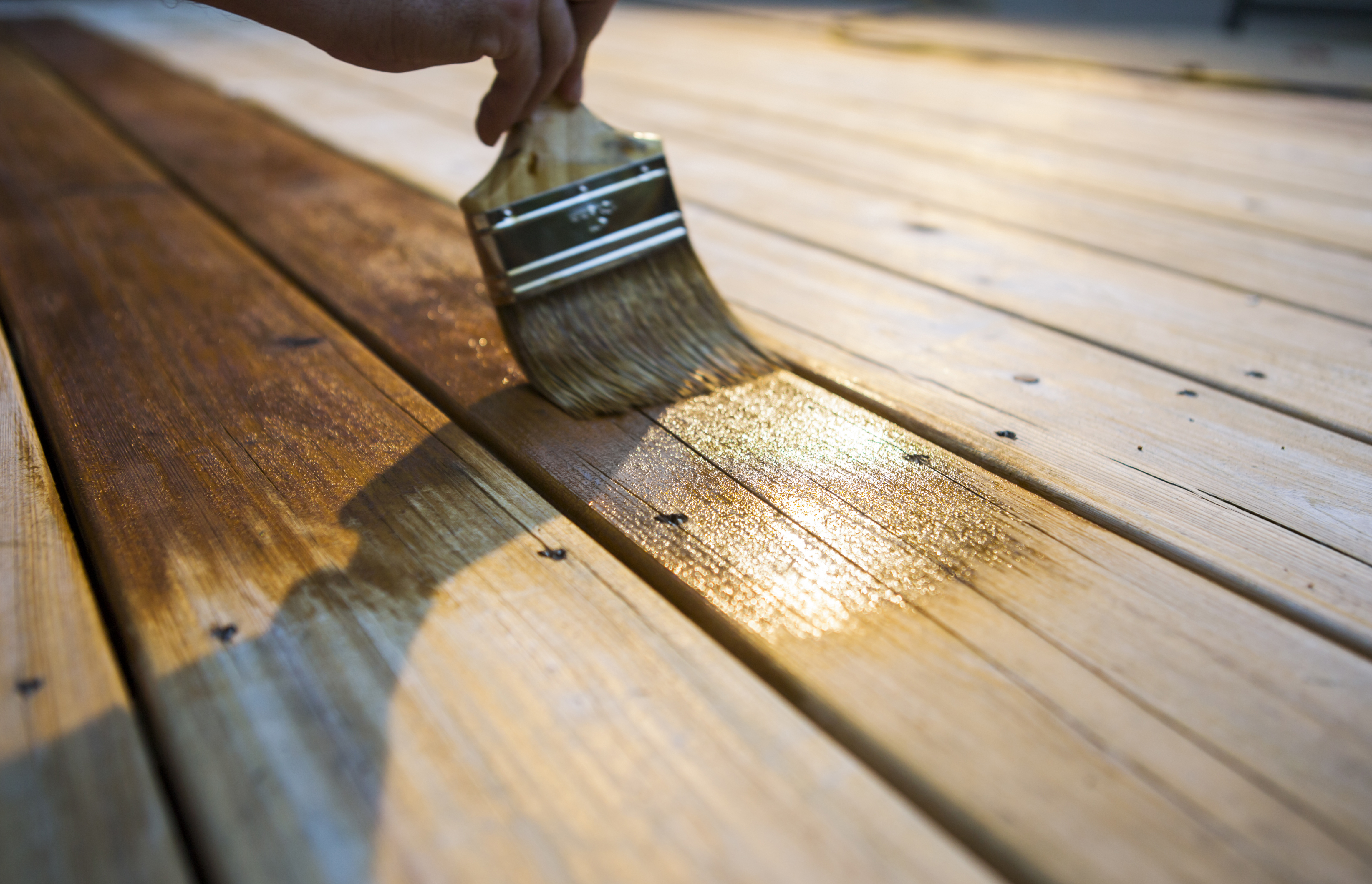
DIY staining or painting is manageable with proper preparation, including safety measures, necessary tools, and adherence to safe weather conditions for application.

The Milford, NE homeowners’ guide to deck maintenance services

From average costs to expert advice, get all the answers you need to get your job done.