Top-rated paving pros.

Get matched with top paving pros in Saint Edward, NE

Enter your zip and get matched with up to 5 pros

Need a pro for your paving service project in Saint Edward, NE?

Select your specific project to find the pro for you.

Find Paving pros in Saint Edward

Paving Services questions, answered by experts

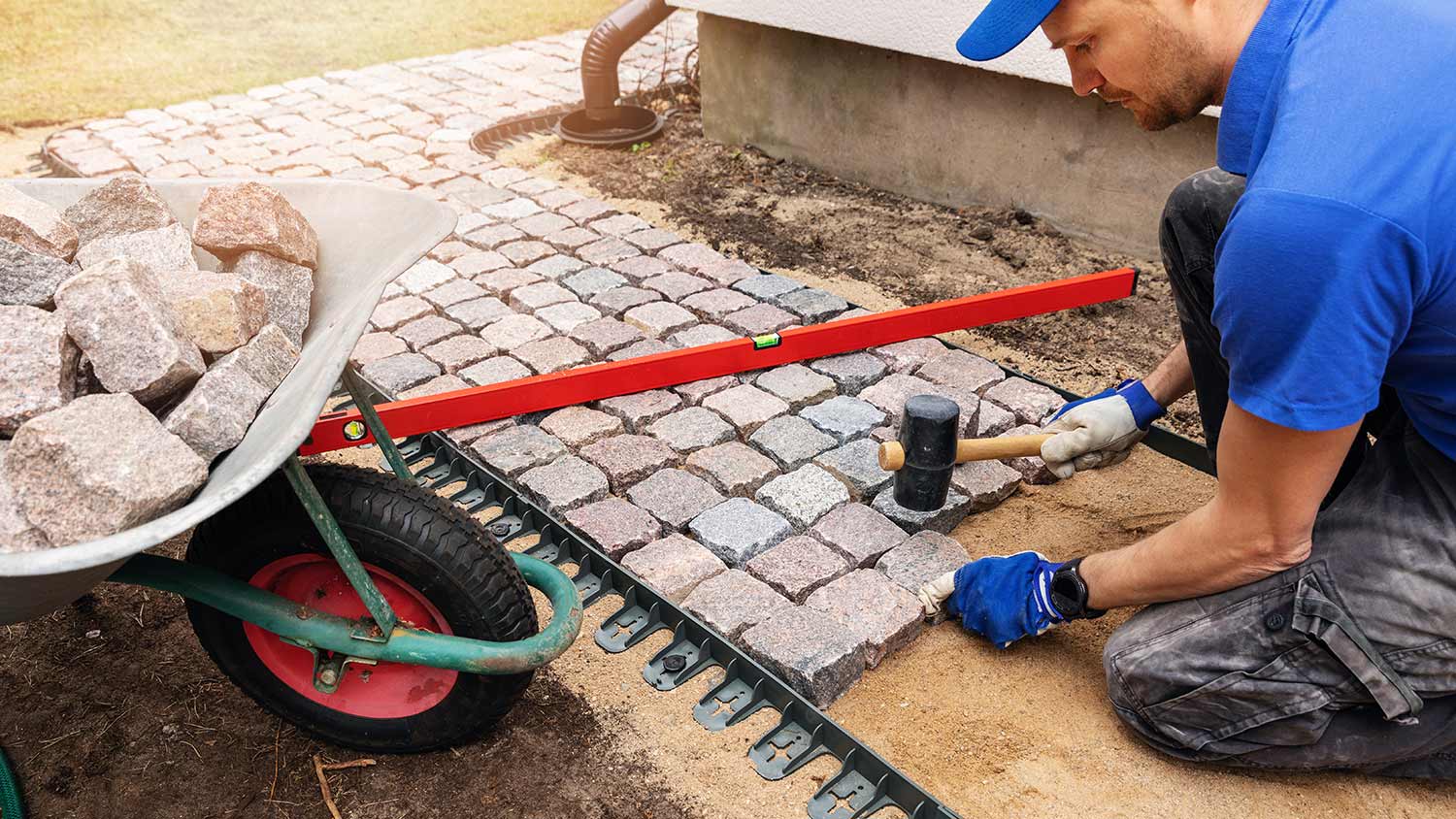
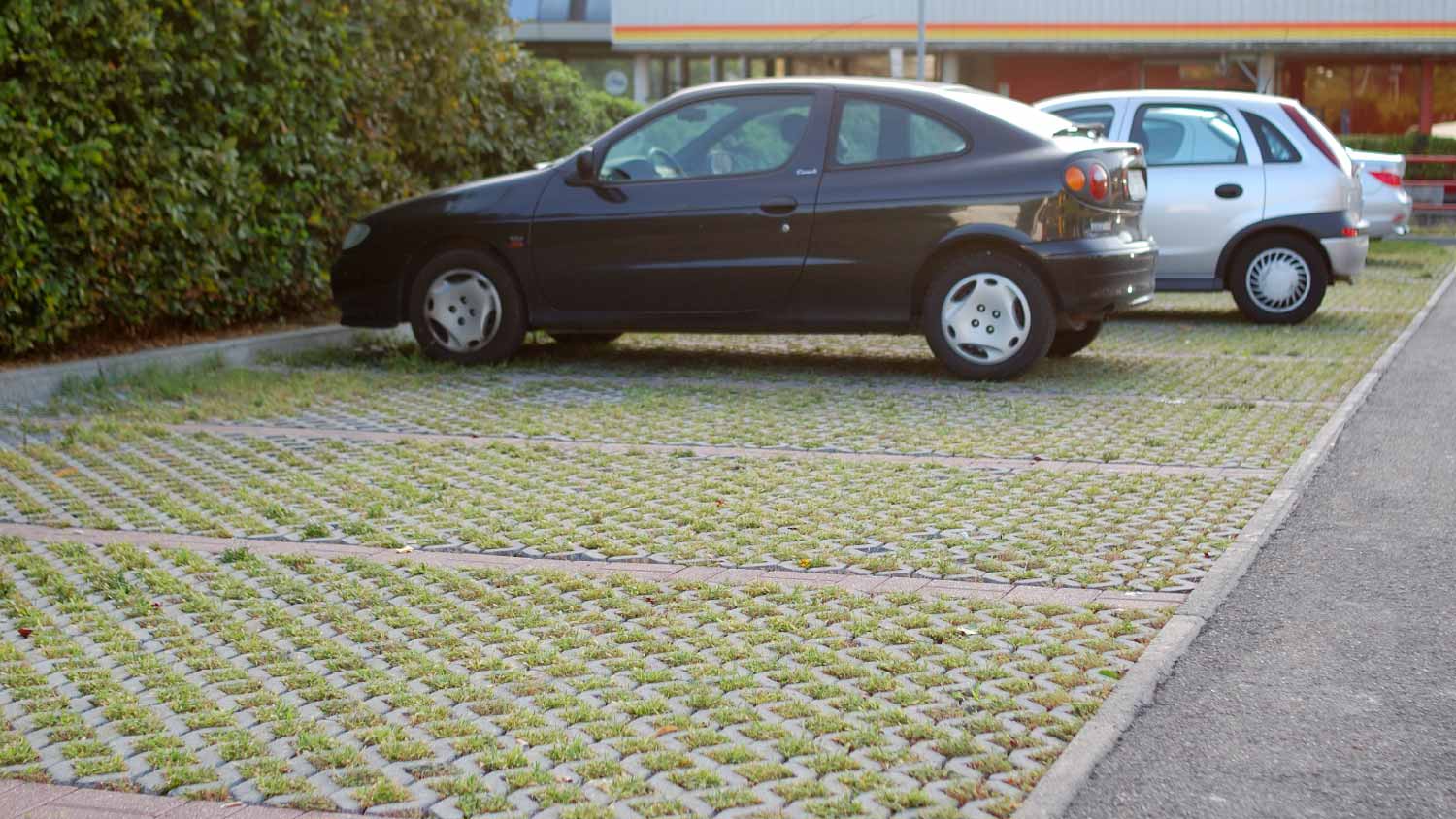
Professional installers often include a deep layer of crushed gravel under permeable pavers to allow more runoff to soak through into the soil below. Many installations will include multiple layers of gravel, with coarser aggregate at the base and finer aggregate that sits on top of that bottom layer. Above the gravel, you’ll often find coarse sand that helps reduce paver shifting over time. Some permeable paver designs include a water collection system set into the gravel layer to route runoff to a safe area for disposal.

You can pour concrete over asphalt if it’s in good condition, thick, stable, and well-compacted. Concrete is more durable than asphalt and can extend the lifetime of your driveway without having to pay frequent asphalt driveway repair costs or replace it completely. 

But this is best reserved as a temporary solution based on budget restraints, as asphalt requires more frequent repairs and assessments than concrete. Once that concrete top is poured, it’ll be harder to accurately understand what’s happening beneath that layer, which could lead to more issues.

In most cases, driveway repair is worth the investment. Your driveway is one of the first things people see when they look at your home, so repairing cracks, chips, and potholes can improve your home’s curb appeal and overall value. Repairing your driveway is also almost always more affordable than replacing it entirely—an average of $1,765 compared to the cost of replacing a driveway, which typically costs around $5,000.

Wet cutting is usually the preferred method. It controls dust, which helps protect your lungs and makes for a cleaner working environment. Plus, the water cools the blade, preventing overheating and prolonging its life while providing smoother, more precise cuts. The downside is the mess—water and asphalt sludge can be messy to clean. Dry cutting, though convenient if water isn’t available, creates a lot of dust, which can be harmful. This also increases the risk of blade damage due to overheating. So, if you have the option, wet cutting is the better method for most asphalt jobs.

While blacktop is a type of asphalt, the terms should not be used interchangeably, as not all asphalt qualifies as blacktop. The primary differences are in their composition, production process, and ideal applications. Blacktop contains more stone than other types of asphalt and is heated to a higher temperature during production—300°F or more—while hot-mix asphalt is heated to between 275°F and 300°F. The ratio of bitumen (a tar-like crude oil) is a key differentiator, though sources vary: some state blacktop has less bitumen, making it less durable, while others claim it has a higher ratio. Due to these differences, asphalt is generally more durable and better for high-traffic areas like highways and streets, while blacktop is more suitable for playgrounds and residential driveways. For a driveway project, it is best to consult a professional to determine the most appropriate material.

The Saint Edward, NE homeowners’ guide to paving services

From average costs to expert advice, get all the answers you need to get your job done.