



Top-rated paving pros.

Best paving pros near Saint Paul, NE

Enter your zip and get matched with up to 5 pros

Need a pro for your paving service project in Saint Paul, NE?

Select your specific project to find the pro for you.

Top-Rated Paving pros in Saint Paul - Updated Nov 2026

Spike Masonry
New to Angi
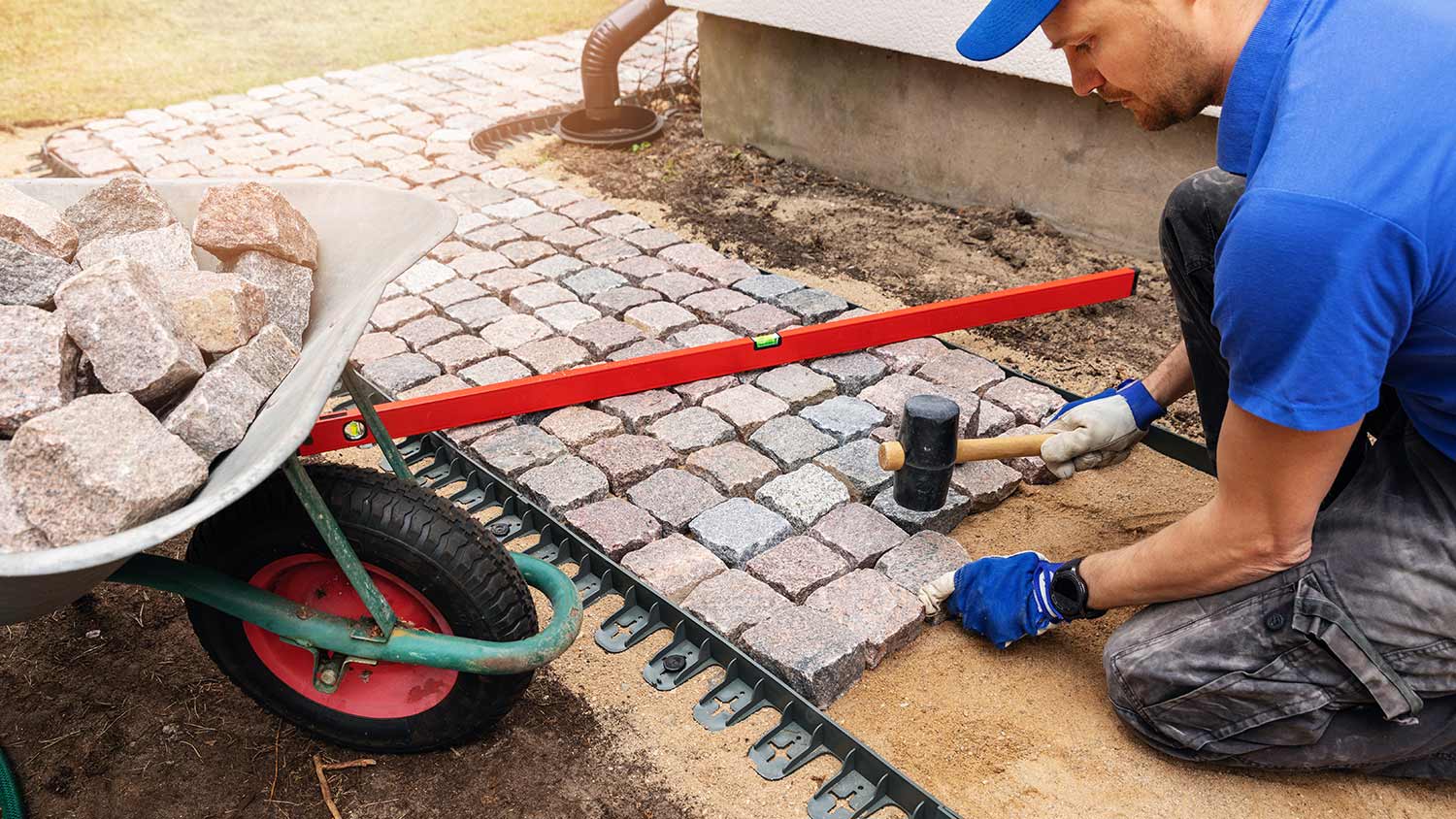
Interlocking Pavers for Patios, Walks & Steps - Install

Serving Saint Paul, NE and surrounding areas

In business since 1990

Free estimates

Spike Masonry has the experience and knowledge necessary to make sure that your project is completed on time with quality service and workmanship. Your satisfaction is important to us. Let us show you the difference true professionalism can mean to you. We are a family owned business and we want everything to be done 110%. It�s all about the customer and what YOU want, plain and simple. Positive attitudes, responsible, reliable, fast and perfect! If you want professional work, positive attitudes, strive for perfection, clean work places, fast work and caring contractors, then you want Spike Masonry to do your work! Thank you for considering Spike Masonry and we look forward to impressing you!

Paving Services FAQs, answered by experts

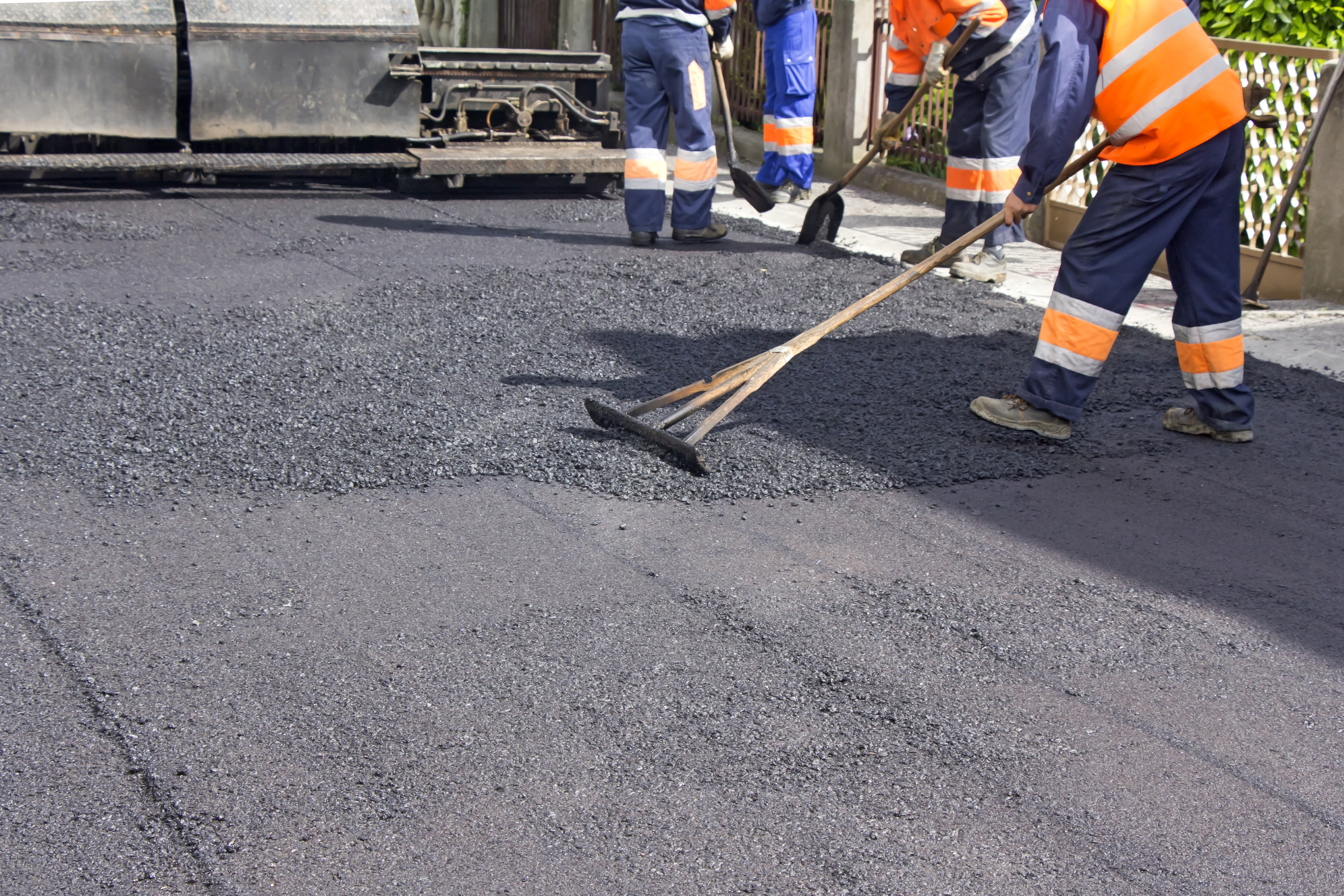
While some areas may allow for a slope of up to 20%, this is often the maximum slope for driveways, with a few exceptions of up to 25%. Other regions may have a maximum of 12%, 15%, or 18%, so check with your local building department to ensure you’re laying a driveway that is up to code for your location.

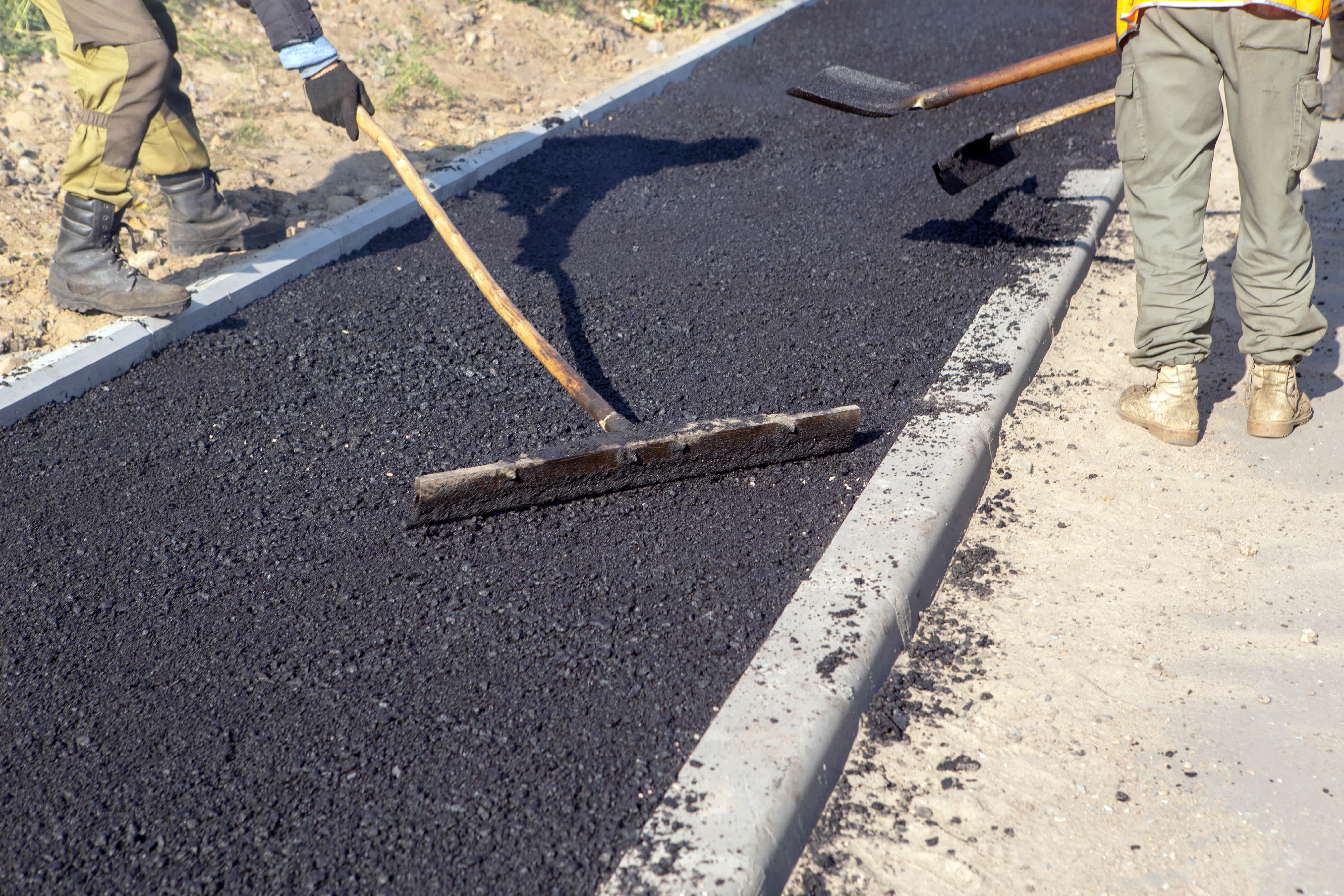
Maintaining a driveway depends on its material. For concrete and asphalt, it's best to clean the surface thoroughly twice a year with a stiff broom and a pressure washer to remove accumulated dirt and debris. Sealing the driveway is crucial to protect it from water damage and freeze-thaw cycles. Before applying a sealant, pressure wash the surface to remove any loose sealant, dirt, or stains, as sealing over them will trap them. Any cracks or expansion joints should be filled with a flexible polyurethane caulk or asphalt sealer. In colder climates, use sand instead of salt for de-icing. Sand helps melt snow and ice without accelerating the freeze-thaw process, which can cause cracks.

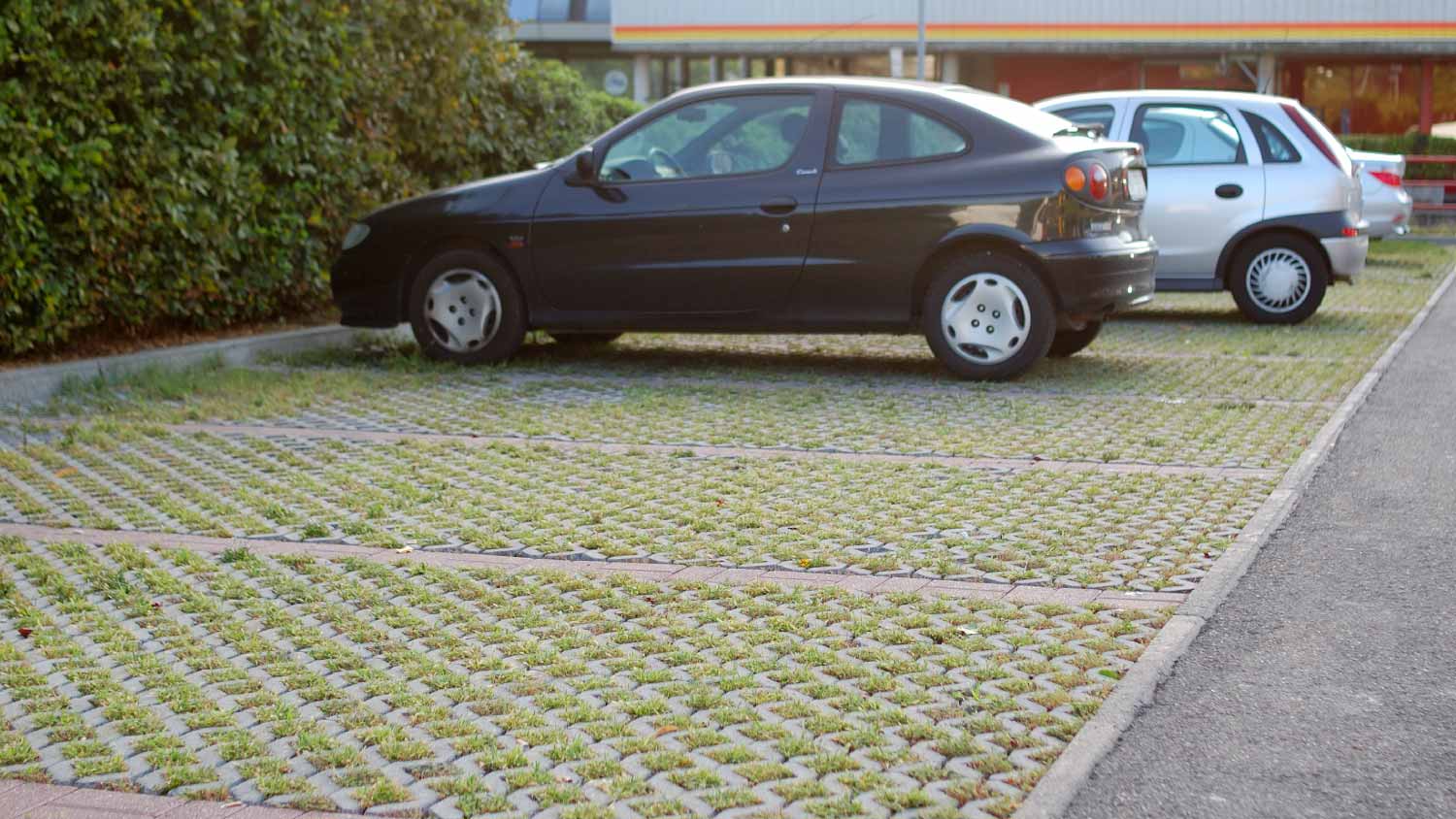
If you're designing a new patio in an area with poor drainage, permeable pavers made from porous materials may help prevent water issues. Most permeable pavers feature a gravel-only aggregate base instead of a concrete base to allow water to flow through instead of getting trapped. While beneficial in some cases, permeable pavers come with higher initial costs and greater load-bearing limitations compared to traditional pavers.

Professional installers often include a deep layer of crushed gravel under permeable pavers to allow more runoff to soak through into the soil below. Many installations will include multiple layers of gravel, with coarser aggregate at the base and finer aggregate that sits on top of that bottom layer. Above the gravel, you’ll often find coarse sand that helps reduce paver shifting over time. Some permeable paver designs include a water collection system set into the gravel layer to route runoff to a safe area for disposal.

You should place a layer of thick landscaping fabric directly over the concrete slab and then a thin layer of leveling sand over that to protect the pavers from moisture. For border pavers, you should plan on locking them in place with polyurethane adhesive. This will prevent them from shifting under foot traffic.

The Saint Paul, NE homeowners’ guide to paving services

From average costs to expert advice, get all the answers you need to get your job done.