


Top-rated paving pros.

Get matched with top paving pros in Leigh, NE

Enter your zip and get matched with up to 5 pros

Need a pro for your paving service project in Leigh, NE?

Select your specific project to find the pro for you.

Find Paving pros in Leigh

Avatar for 1 Stop Paving
1 Stop Paving
5.0(
1
)
Asphalt Paving - InstallAsphalt Paving - Install- For BusinessAsphalt Paving - Repair or Patch+1 more

Serving Leigh, NE and surrounding areas

In business since 2017

Free estimates

Offers commercial services

Customer satisfaction is what determines our success, which is why we take a hands-on approach. When interacting with 1 Stop Paving, you'll notice that we're particularly focused on the principles of quality workmanship, timely completion, competitive pricing and integrity in all our business dealings. We combine knowledge and research with our extensive practical experience to ensure a specialized approach for your project needs. Contact us today for a fair and accurate estimate of your project. We look forward to adding you to our long and growing list of happy customers.

Response time9 hrs
Recommended by100%of homeowners
Paving Services questions, answered by experts

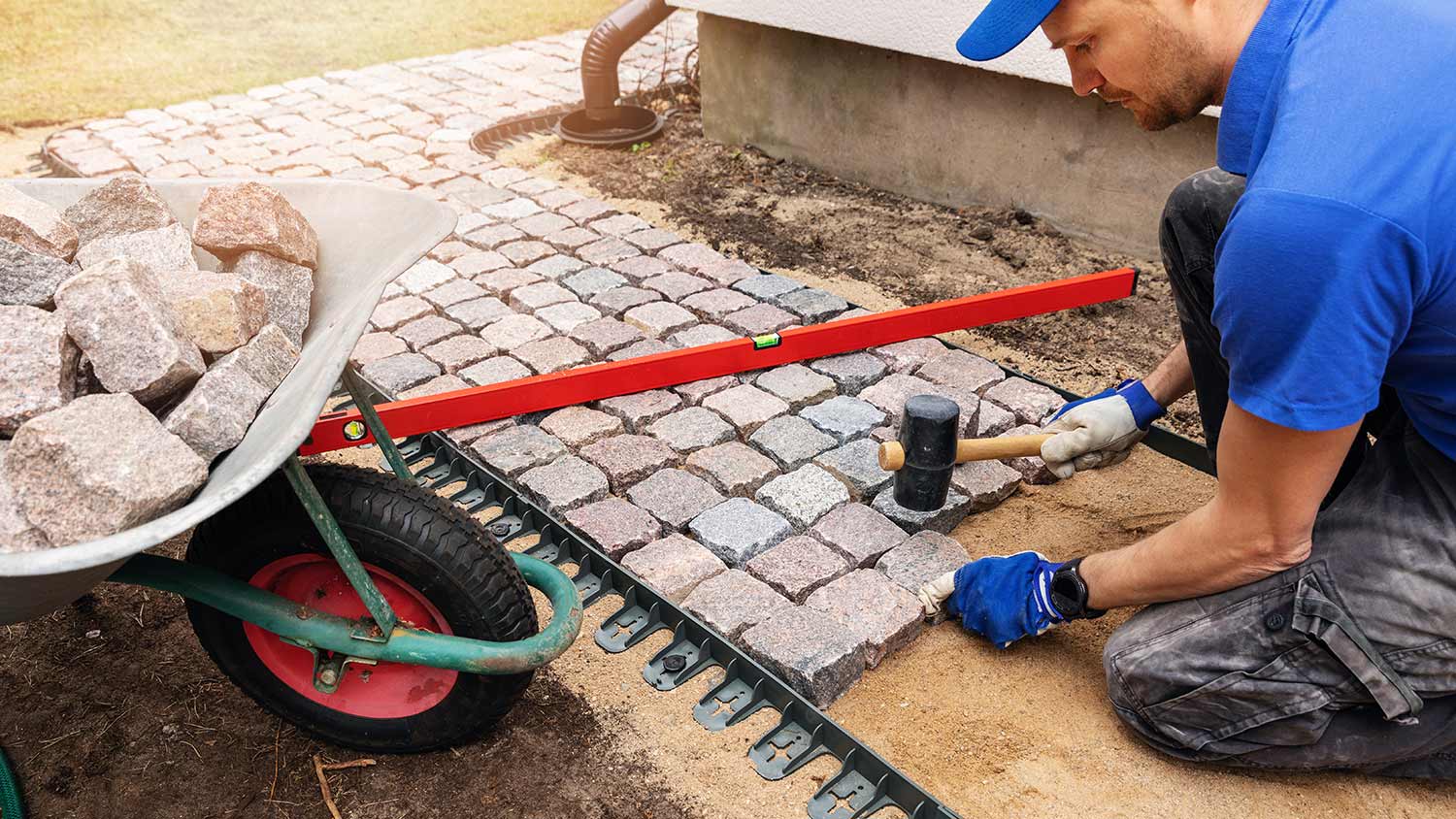
A pallet of pavers will cost about $300 to $700 per pallet. Each pallet covers about 56 square feet. The specific price you pay per pallet of pavers will depend on a few factors, including the type of paver you’re buying, the size and shape of the pavers, and how many pavers you need. In some cases, you’ll spend less per pallet if you’re buying in bulk for very large paver patios.

The material that’s best for your private road depends on your property, the climate in your area, and your personal preferences. Gravel is an affordable option, but some homeowners don’t like how it looks. It can be a pain to remove snow from, and it requires more ongoing maintenance than asphalt or concrete. However, while these other options require less maintenance and make snow removal a breeze, they’re more expensive and will need repairs from time to time. Ultimately, you’ll have to choose the road material that suits you and your property best.

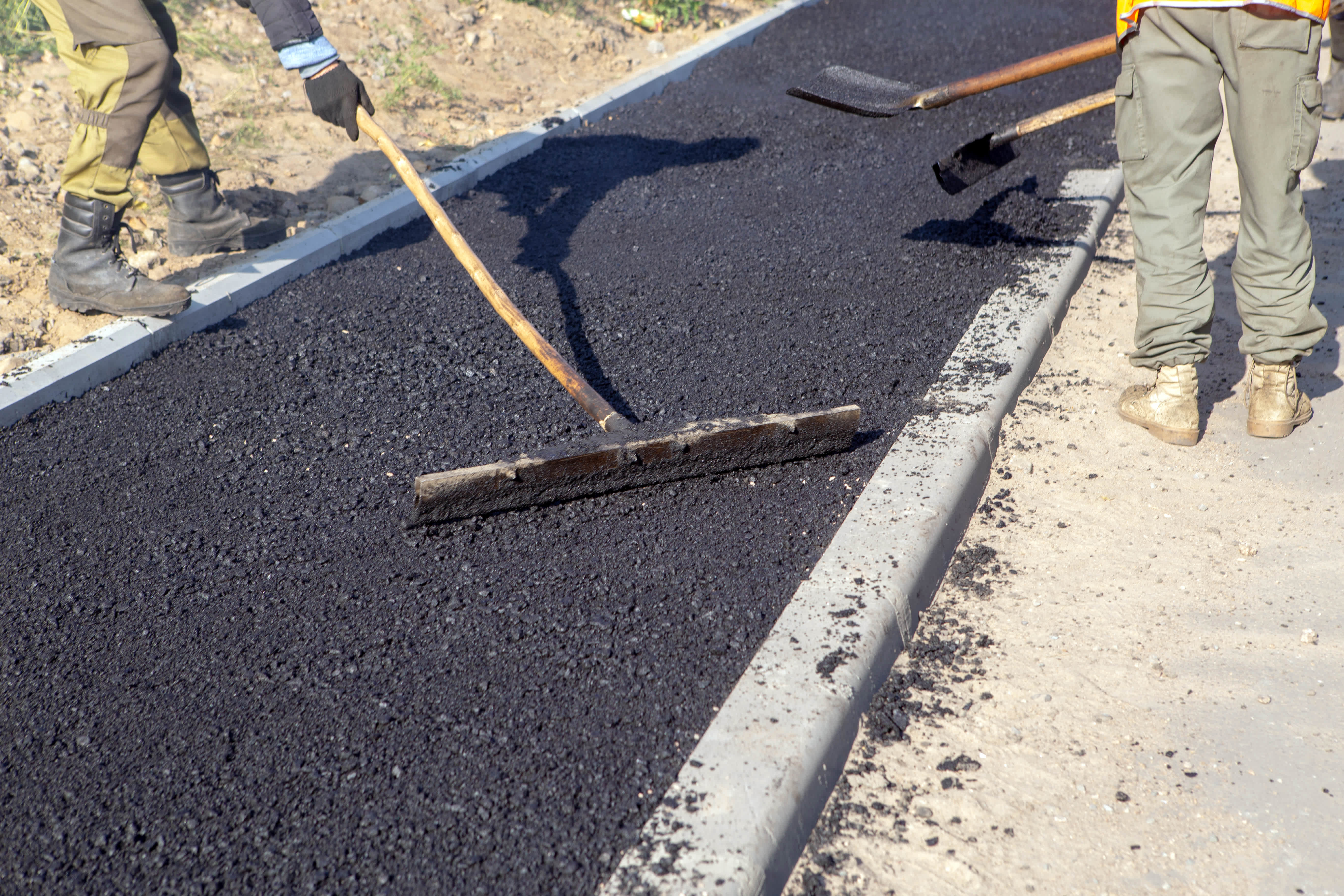
Asphalt and tarmac are not the same thing. Traditional tarmac, short for tarmacadam, uses tar as a binder to hold crushed stone together. Asphalt uses bitumen—a byproduct of crude oil—to bind aggregate. Though tarmac was once a go-to for roads, asphalt has become the modern standard. And these days, most surfaces referred to as “tarmac” are actually asphalt. So, while the names may overlap, the key distinction lies in the binder—tar for tarmac and bitumen for asphalt.

Chip seal layers gravel and a liquid bitumen one at a time on-site, while asphalt directly pours a pre-combined mixture. Asphalt must be sealed, but it will last up to four times as long as chip seal driveways. Aesthetically, chip seal has a natural, rustic look compared to the traditional asphalt slab.

While some areas may allow for a slope of up to 20%, this is often the maximum slope for driveways, with a few exceptions of up to 25%. Other regions may have a maximum of 12%, 15%, or 18%, so check with your local building department to ensure you’re laying a driveway that is up to code for your location.

The Leigh, NE homeowners’ guide to paving services

From average costs to expert advice, get all the answers you need to get your job done.