"The tech was very knowledgeable and went above and beyond to satisfy us. Our faucet was broken would not attach to the sink as the copper seal broke to the water lines."
"Called AHS....who sent service request to AAA Flexible Pipe. Adam came out quickly and installed new pump just before HEAVY rains hit...Fast and efficient service from AHS and AAA FLEXIBLE PIPE CLEANING."
Install Above Ground Pools questions, answered by experts
Fiberglass pools last the longest because they need the least amount of maintenance and do not have liners that can affect a pool's integrity. Concrete pools last the longest, next to fiberglass.
Calcium lumps in a pool are calcium deposits that form when a pool's water parameters are not in the normal range. They can float around on the surface of the pool water, making it look and feel dirty. The most common causes of calcium lumps in pools are calcium hardness above 1,000 ppm, alkalinity over 120, and a pH over 7.8. Keeping your pool’s calcium levels, alkalinity, and pH levels within the normal, safe ranges is the best way to prevent calcium lumps and other problems, including damage to the pool surface.
To find a leak in a small pool, place a few drops of food coloring in a random area. If the food coloring flows out, you've found your leak. However, this can be time-consuming and impractical in larger pools. The best option is to hire a pool repair specialist with ultrasonic equipment.
Yes, you should keep your pool pump running when adding salt, and leave it running for 24 to 48 hours. This will help circulate the salt to ensure even distribution. You will want to turn off your pool’s salt chlorine generator before adding salt and leave it off until it fully dissolves. Check your manufacturer’s instructions for steps specific to your saltwater pool maintenance.
Many providers include essential accessories like ladders and skimmers. Confirm details before starting the project.
The Frazer, MT homeowners’ guide to above ground pool installation services
From average costs to expert advice, get all the answers you need to get your job done.
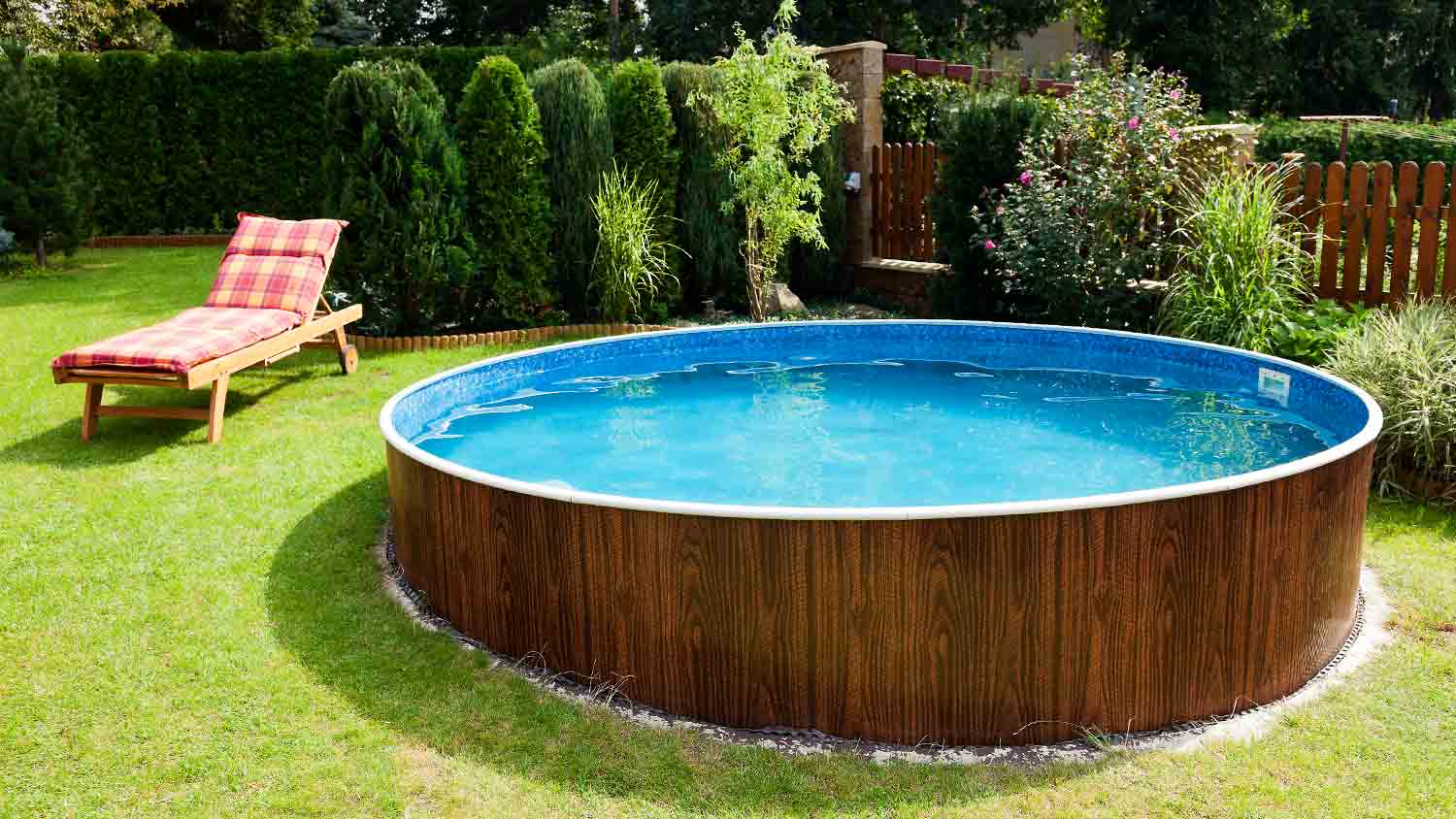
Above ground pools are more affordable than inground pools, so can you put an above ground pool in the ground to save money? Learn when it’s safe to do so.