"The tech was very knowledgeable and went above and beyond to satisfy us. Our faucet was broken would not attach to the sink as the copper seal broke to the water lines."
"Called AHS....who sent service request to AAA Flexible Pipe. Adam came out quickly and installed new pump just before HEAVY rains hit...Fast and efficient service from AHS and AAA FLEXIBLE PIPE CLEANING."
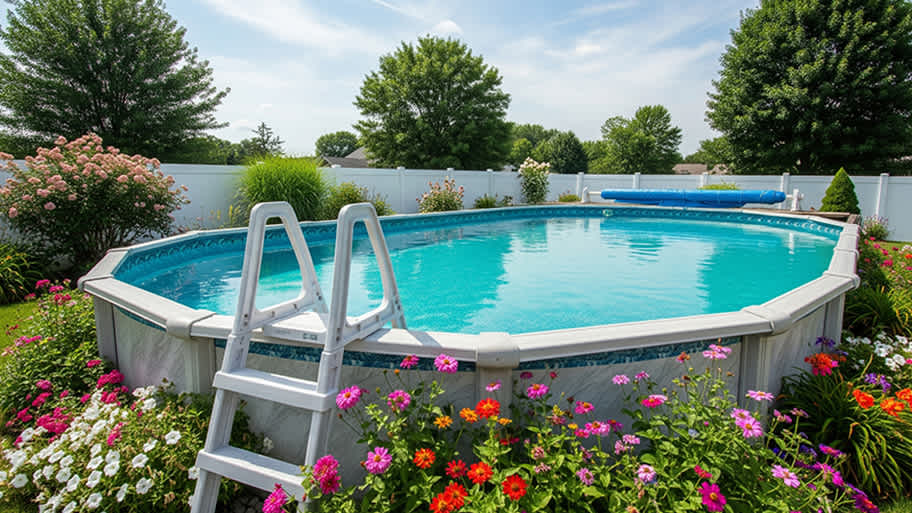
Install Above Ground Pools questions, answered by experts
In many homes, an unfinished basement is an ideal place for an in-ground pool. The concrete floors, protection against water damage, and access to the ground below your home make this a large contender. Speak with a local basement remodeling contractor to ensure your space is right for the large construction.
The type of sand you need for your sand filter depends on the manufacturer’s instructions, but you’ll need to use sand specifically for pool filters. Silica sand is a wallet-friendly, common choice that’s relatively easy to replace. You’ll choose between various grades of sand and different-sized sand grains.
Swim spas are like hybrid hot tubs and pools. They have the heating and jets of a hot tub, but they’re slightly longer because they’re made for swimming and exercise. A jet provides a continuous current that acts like a water treadmill. You can swim the length of a full-size pool without going anywhere.
While you can use a grounding rod when bonding an in-ground pool, that’s necessarily the best option. A grounding rod is an older grounding method that’s not usually used anymore, thanks to modern electrical design and services. Again, if you don’t have electrical experience, your best and safest bet is to hire a pool electrician.
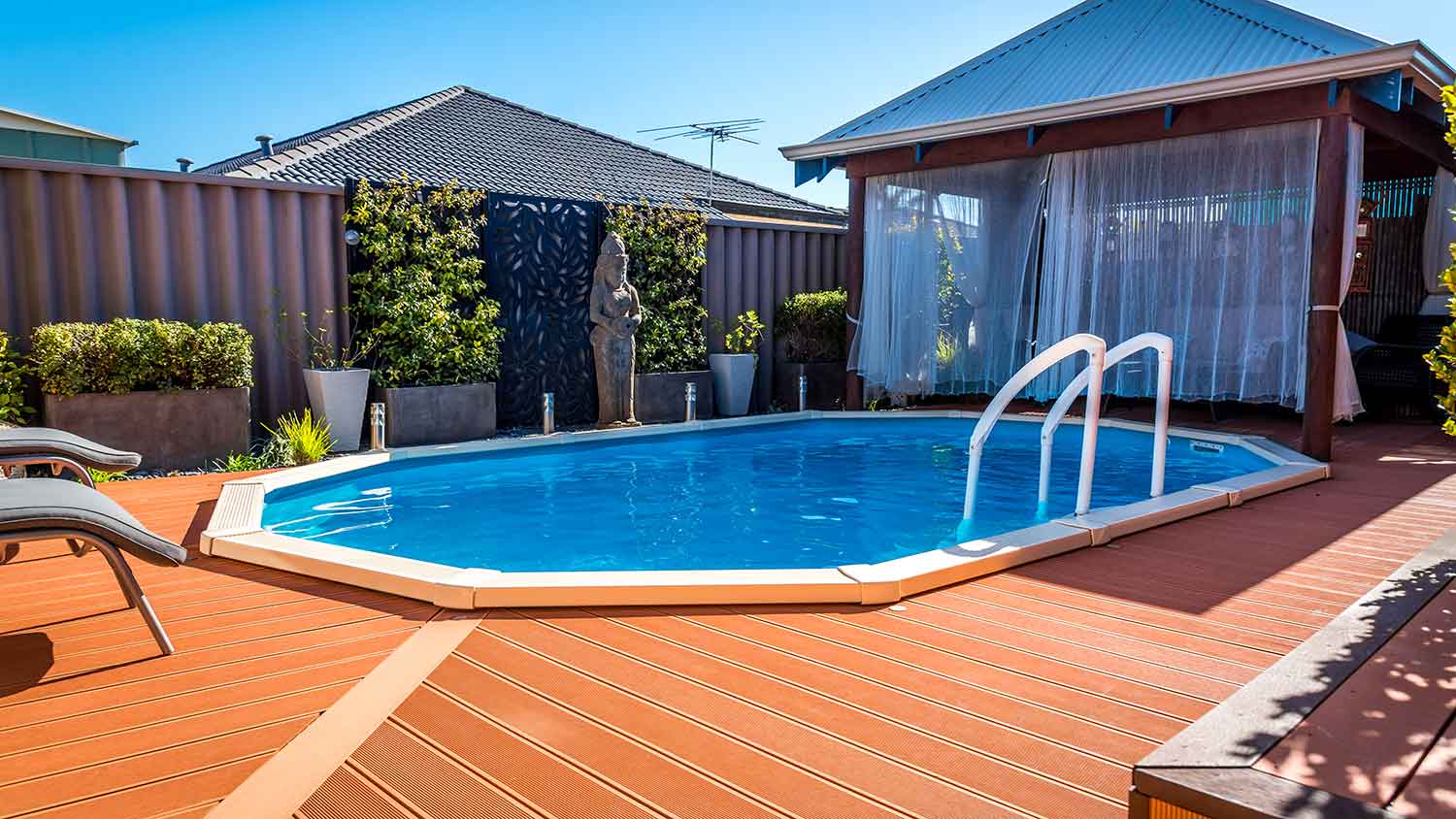
An above-ground pool with a deck can increase your home's value by as much as 4% to 7%, but it depends on your local climate, potential buyers, and the size and condition of your pool. Some buyers see a pool as a liability instead of a luxury, especially if it's at the end of its life span. In general, it's best to add a pool and deck to your property if it will bring you enjoyment—not because it raises the value of your home.
The Malta, MT homeowners’ guide to above ground pool installation services
From average costs to expert advice, get all the answers you need to get your job done.
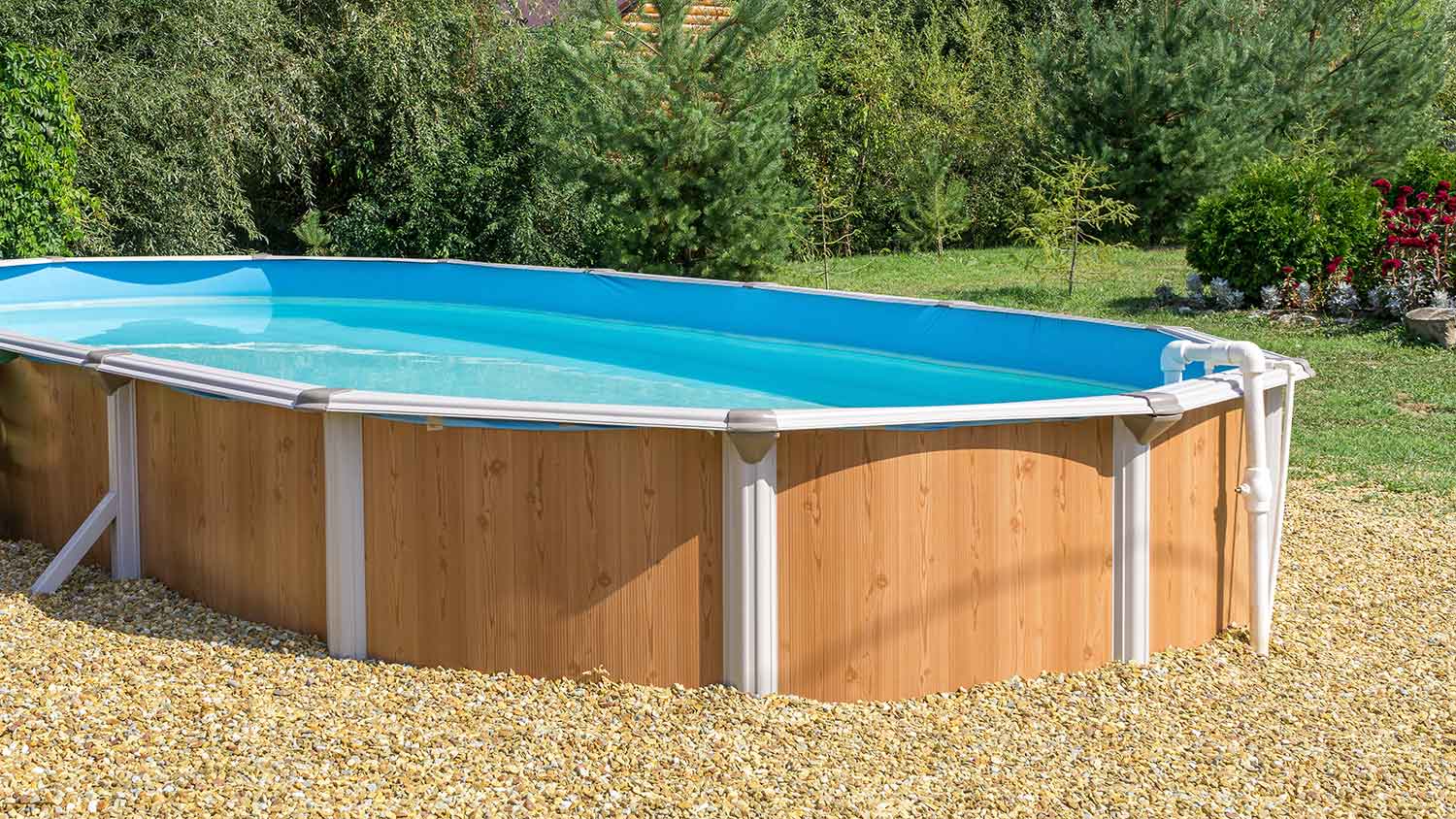
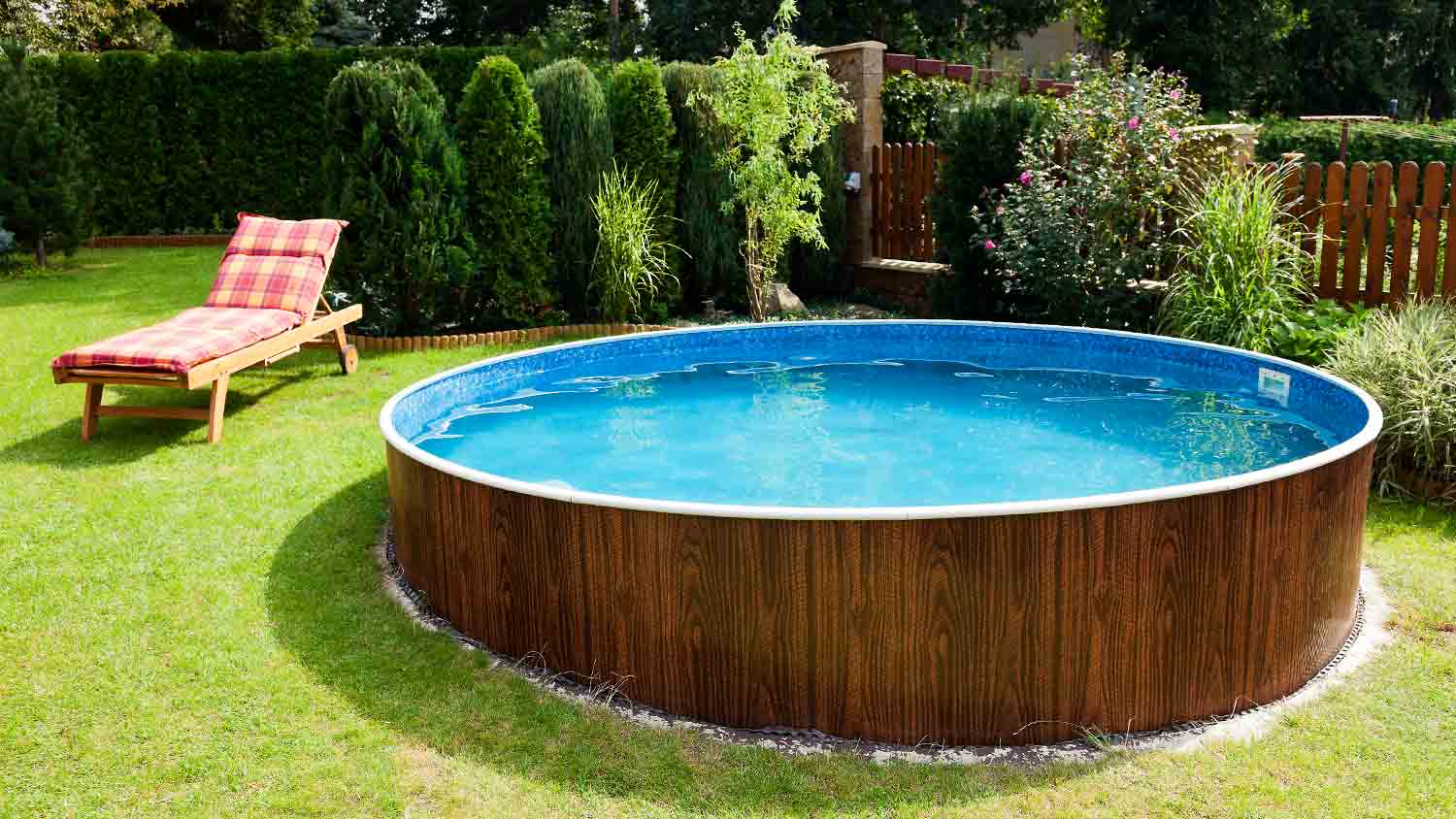
Above ground pools are more affordable than inground pools, so can you put an above ground pool in the ground to save money? Learn when it’s safe to do so.