"The tech was very knowledgeable and went above and beyond to satisfy us. Our faucet was broken would not attach to the sink as the copper seal broke to the water lines."
"One oven doesn't work at all ( my choice, see above), the "working" oven was never calibrated properly so using it is hit or miss. It's time to call American Home Shield to see about replacing the entire unit. I'm waiting to finish other home projects before calling them. I don't know if I'll request Greenway again."
Install Above Ground Pools questions, answered by experts
Whether a natural pool is worth it depends on several factors because they cost more than traditional pools. Many people opt for natural pools because they enjoy swimming in natural bodies of water such as lakes. Also, if you're environmentally conscious, a natural pool is going to be a much more attractive option than a traditional pool.
Moreover, for people with chemical sensitivities, a natural pool is a great solution since the water doesn’t contain chlorine.
It's not a good idea to drain an aboveground pool into your yard since the pool water's chemicals can harm your plants and the surrounding ecosystem. Instead, it's best to drain the pool into an appropriate sewer so it can be processed at a water treatment plant. You might also be able to drain it into your storm drain, depending on your region. Check with your city to learn about any relevant regulations.
Just like a traditional in-ground pool, semi-inground pools can be between three and eight feet deep. Lap pools, for example, are often an average of 4 feet deep, while a traditional pool may have both a shallow and deep end. The depth of your semi-inground pool depends on the liner you purchase, as well as how much excavation you plan to do before the installation.
A qualified pool contractor who is familiar with local regulations can assess your yard and let you know if it’s feasible to install a pool. Whether or not your yard is suitable for a pool depends on a number of factors, including the size of your yard, the placement of utility lines, your yard’s terrain, and more. It’s a good idea to see if it’s even possible to put a pool on your property before you get too far into planning.
Yes, adding a pool to your property will almost always increase your homeowners insurance premiums. This is because pools are considered hazardous, which increases your home's liability risk. The replacement cost of the pool itself is also factored into your home's rebuilding cost when determining coverage limits. The amount of the increase can vary from as little as $50 to several hundred dollars more per year, depending on your insurance company, location, current coverage, and installed safety features. It is best to contact your insurance agent before installing a pool to get an estimate, understand their specific guidelines, and factor the ongoing cost into your budget.
The Wolf Point, MT homeowners’ guide to above ground pool installation services
From average costs to expert advice, get all the answers you need to get your job done.
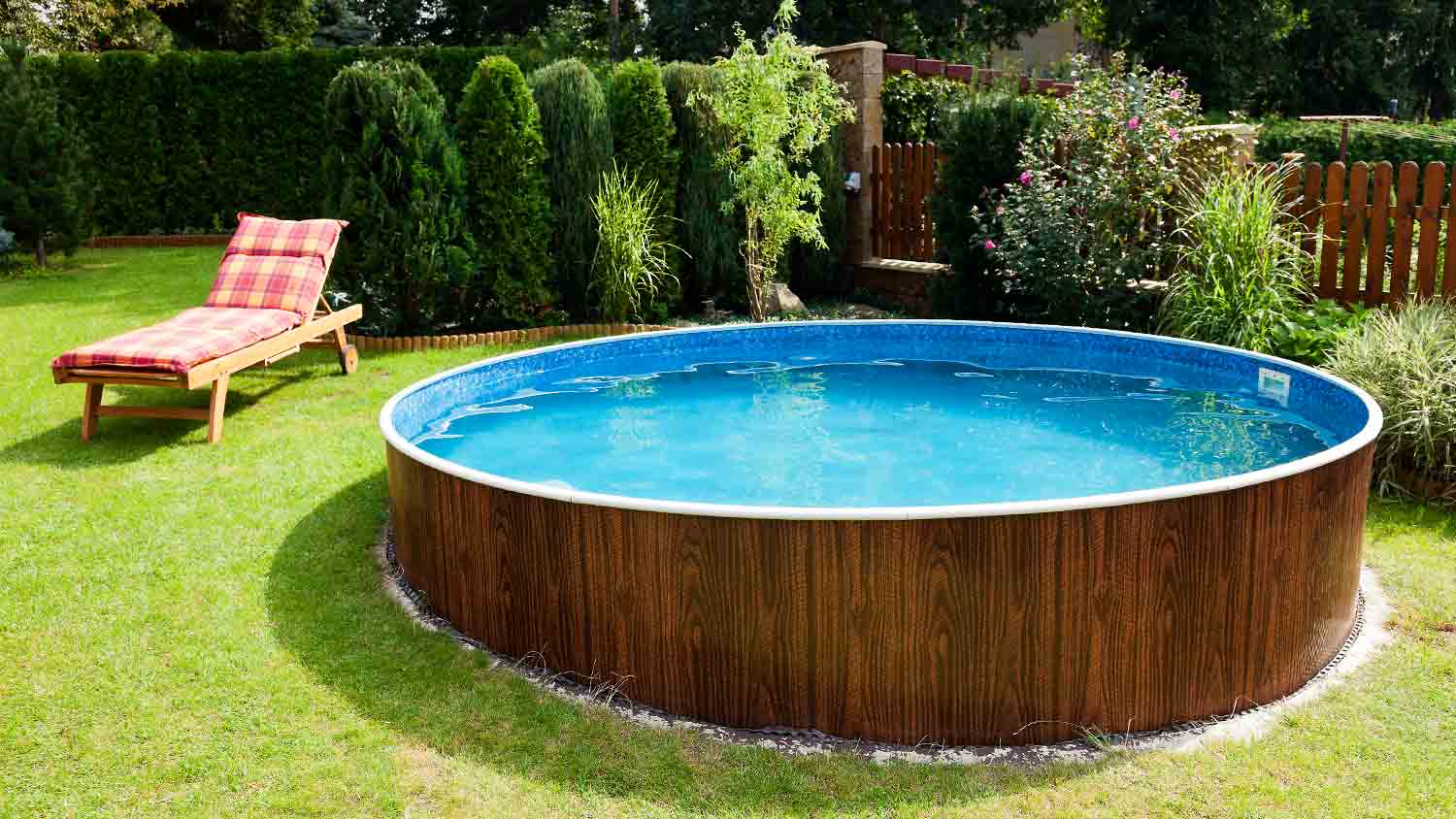
Above ground pools are more affordable than inground pools, so can you put an above ground pool in the ground to save money? Learn when it’s safe to do so.