"The tech was very knowledgeable and went above and beyond to satisfy us. Our faucet was broken would not attach to the sink as the copper seal broke to the water lines."
"Called AHS....who sent service request to AAA Flexible Pipe. Adam came out quickly and installed new pump just before HEAVY rains hit...Fast and efficient service from AHS and AAA FLEXIBLE PIPE CLEANING."
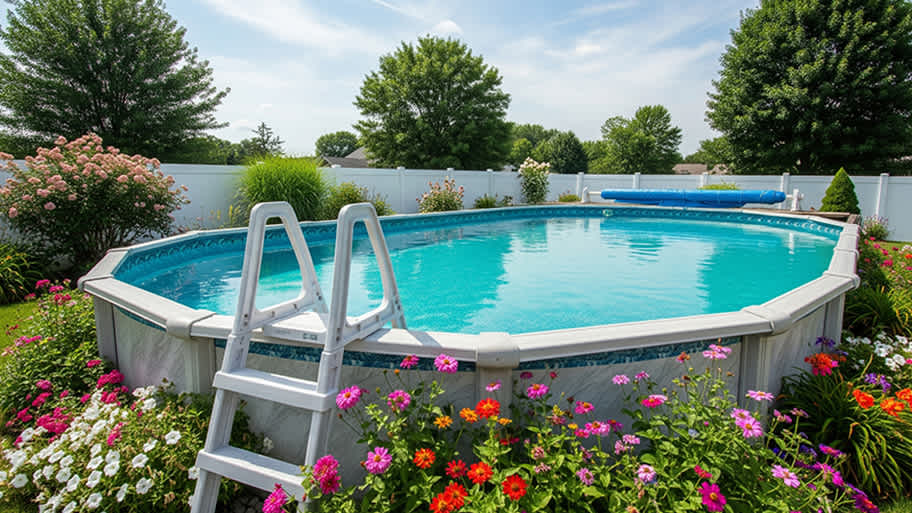
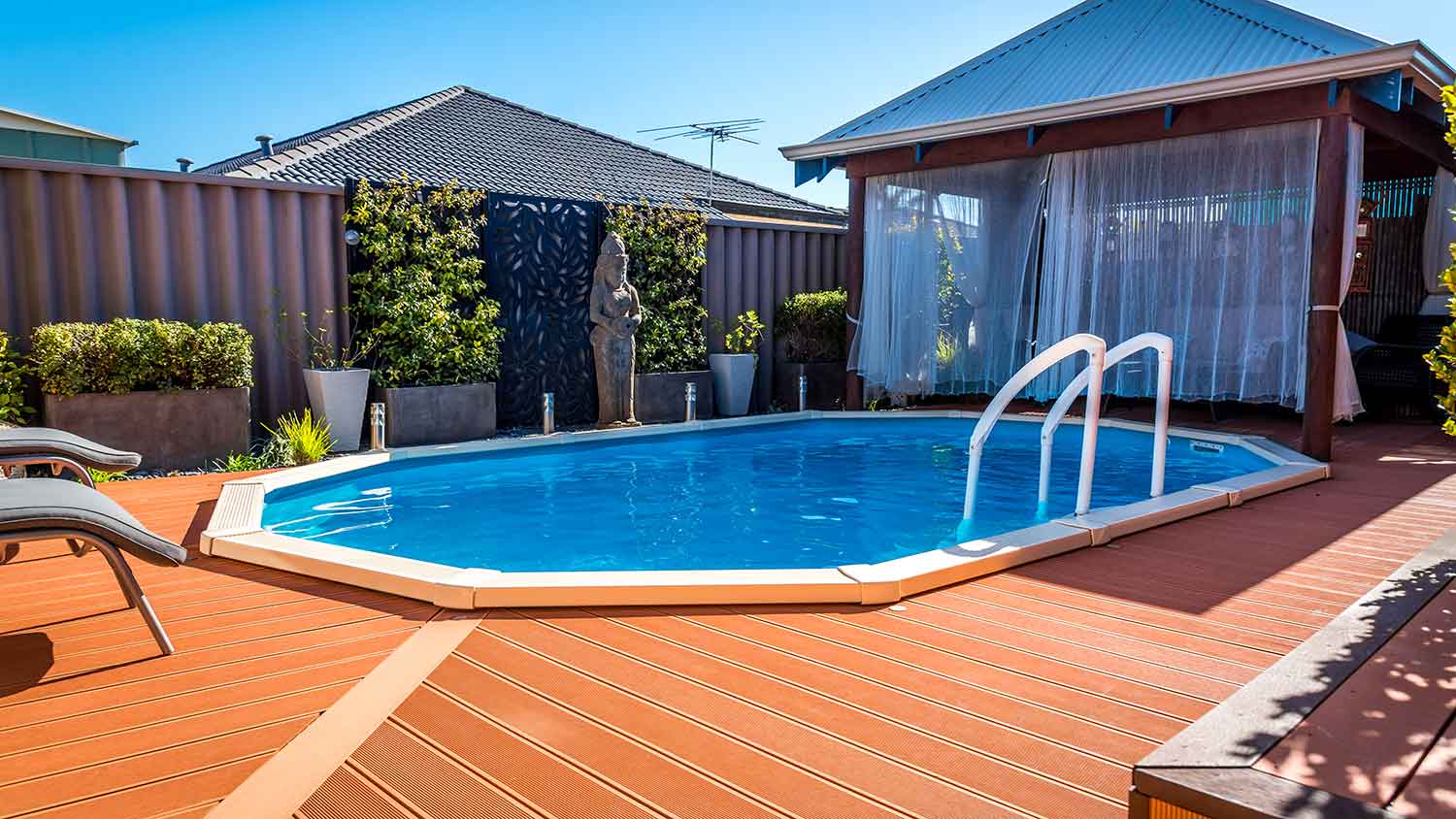
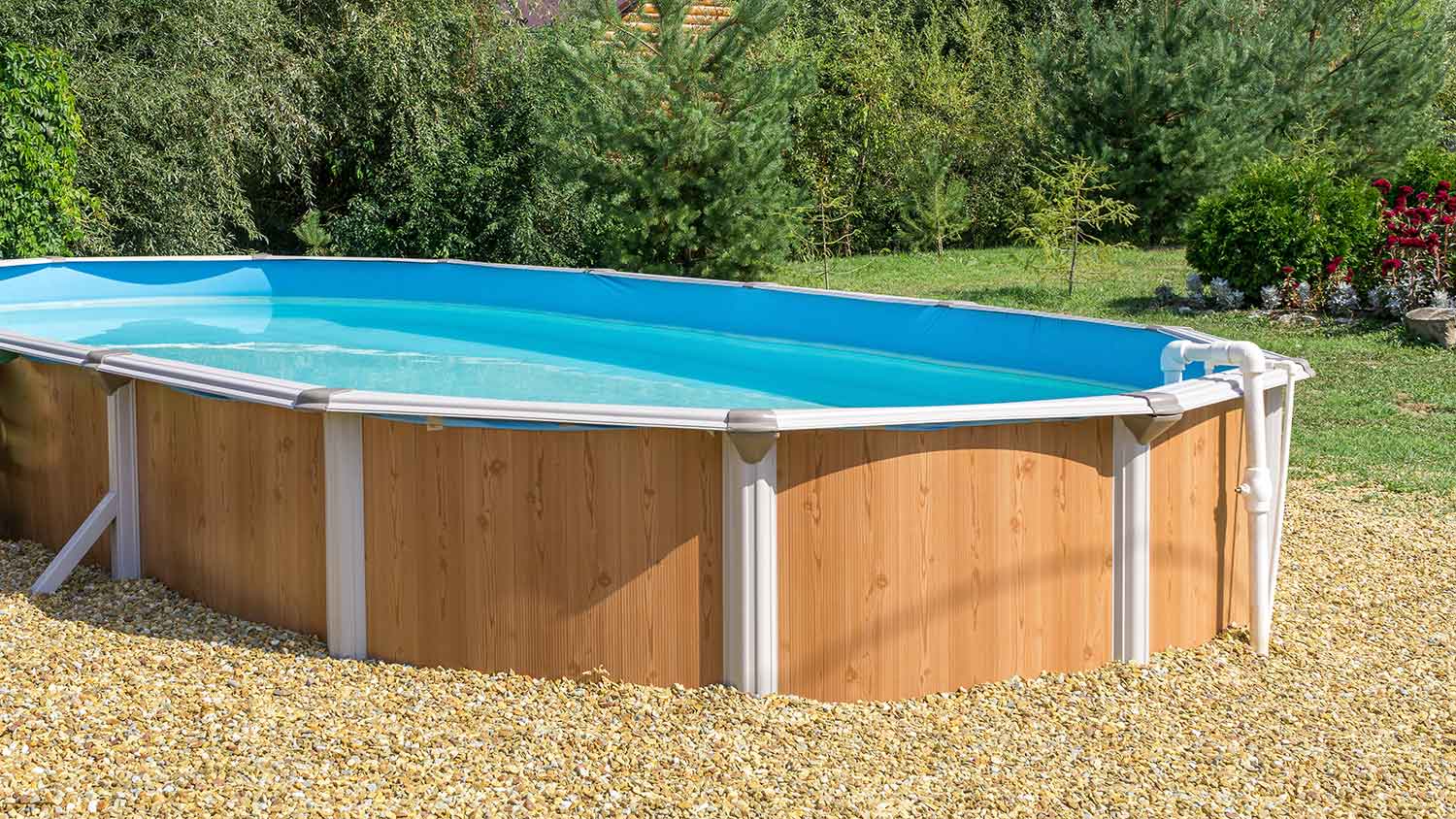
Install Above Ground Pools questions, answered by experts
Finding a reputable inground pool installation company starts with an online search and assessing a company’s positive and negative reviews. You can also check the Better Business Bureau’s reports for companies you’re considering to see if they have numerous customer complaints for poor service. One of the best things you can do to find a good company is ask for references and then call those past customers to see how they felt during the installation process and how their pool has held up. Finally, you can get estimates from the remaining companies to compare.
Installation typically takes 4-8 weeks, including site preparation and liner installation.
Gunite pools are not exactly easy to maintain—but we wouldn't call them "high maintenance." It's one of the longest-lasting pool options, but its porous surface does require a lot of care. You’ll need to thoroughly clean the pool often to prevent stubborn algae growth, and the pool will require higher chemical levels to keep it clean.
Some pool professionals recommend adding an extra layer of comfort and protection between your pool and the vinyl liner. Made from a range of plastic blends, these liners can absorb moisture, allow the pool liner to breathe, and act as an extra barrier for pests, burrowing animals, and mildew. They also provide an extra layer of comfort for swimmers.
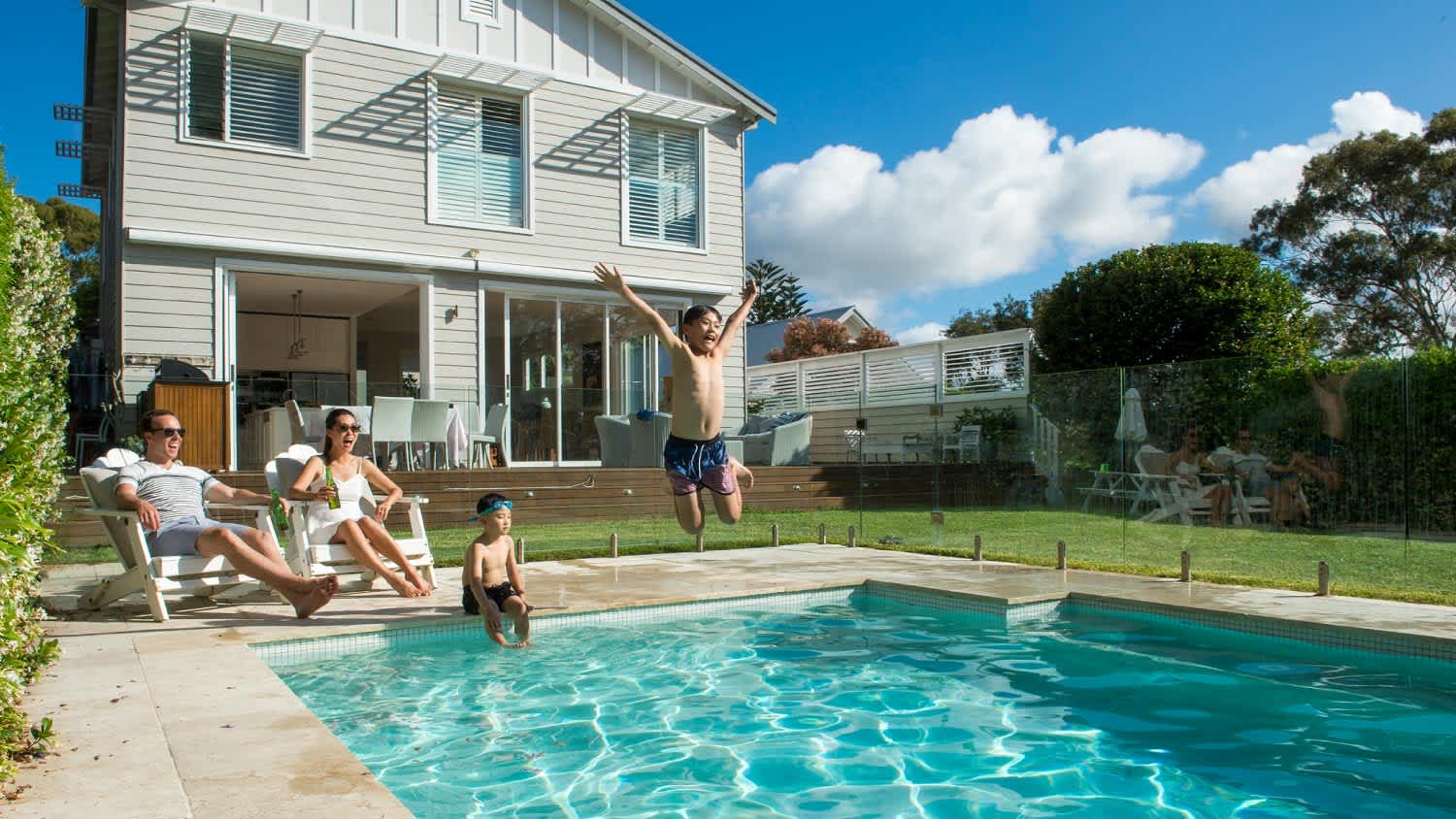
The regulations for pool fence heights vary by state, so be sure to research what the legal, minimum height is in your area before purchasing or installing a fence. Though every region is different, generally a pool fence must be at least 4 and ½ feet high. If you’re unsure whether you need a fence around your pool, and how high that fence should be, contact a local pool enclosure expert to help you successfully, and safely, move forward.
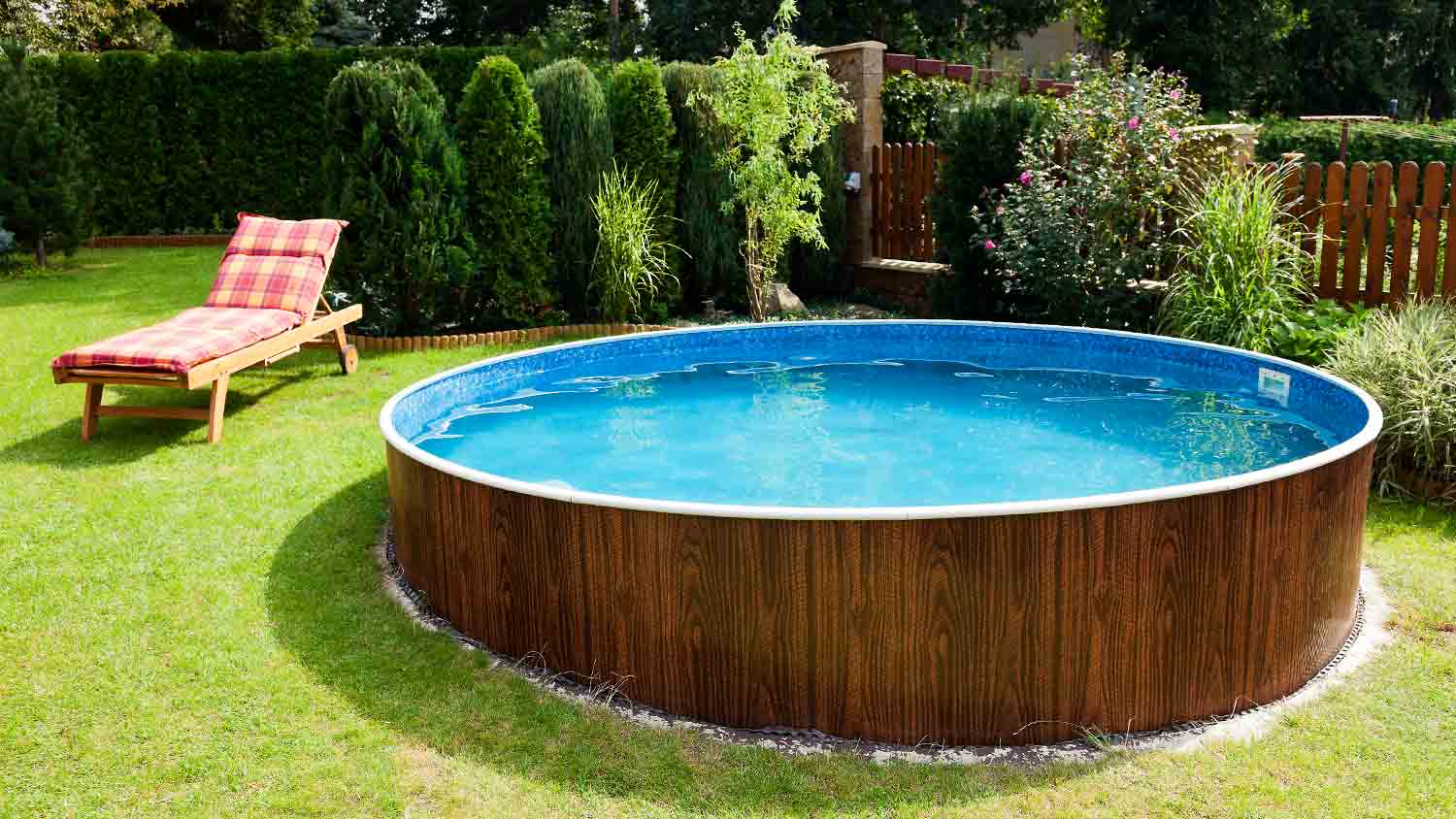
The Circle, MT homeowners’ guide to above ground pool installation services
From average costs to expert advice, get all the answers you need to get your job done.
Above ground pools are more affordable than inground pools, so can you put an above ground pool in the ground to save money? Learn when it’s safe to do so.